Quick Answer: Car seat covers are removable, protective aftermarket accessories designed to fit over factory vehicle upholstery. They act as a sacrificial barrier to prevent wear, spills, UV damage, and debris from affecting the original seat material, thereby helping to maintain the vehicle’s long-term condition and resale value.
At their core, car seat covers are removable protective layers designed to fit over your vehicle’s existing factory upholstery. While many drivers view them as a simple aesthetic upgrade, their primary function is to act as a sacrificial barrier between daily wear and the underlying seat material. Understanding what are car seat covers requires distinguishing them from permanent upholstery solutions like reupholstering, which involves stripping the original fabric and replacing it entirely.
Because they are designed to be installed and removed, they offer a flexible way to manage the interior environment of your vehicle. Whether you are looking to shield seats from specific hazards or simply want to change the look of your cabin, these covers serve as a versatile tool for vehicle maintenance. They allow you to preserve the resale value of your car by keeping the original seating surfaces in pristine condition underneath.
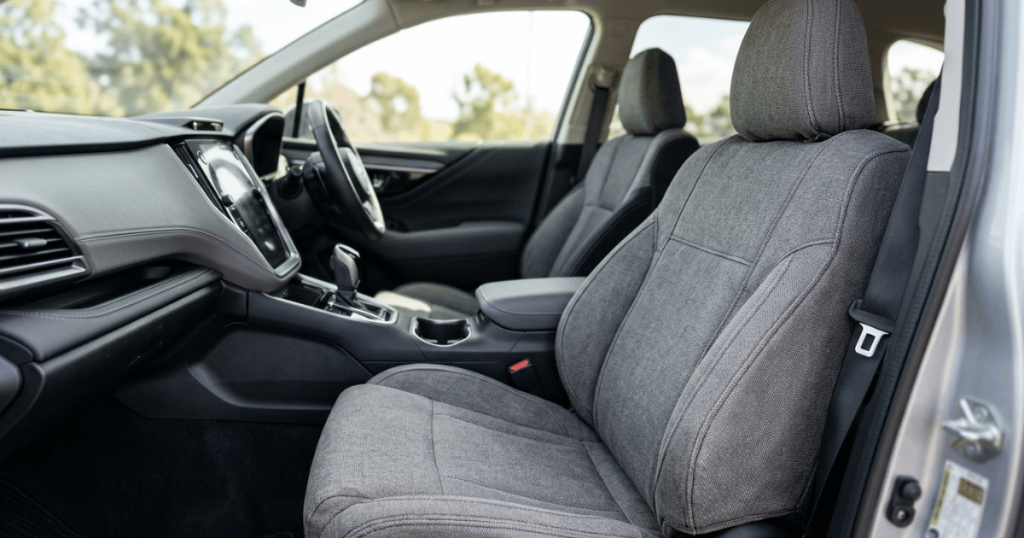
Defining the Role of Protective Seat Layers
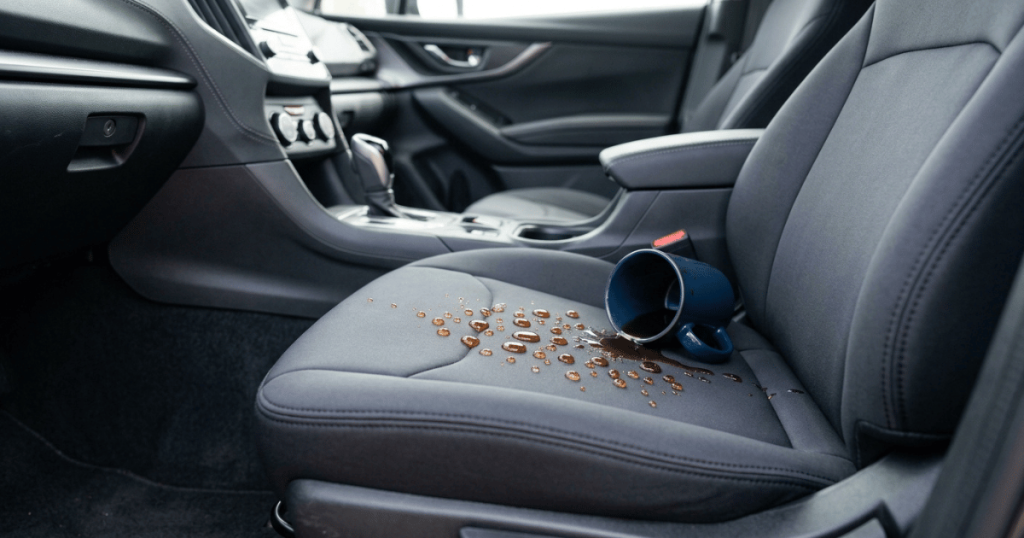
The fundamental purpose of these accessories is to absorb the impact of daily use. Factory seats are susceptible to a wide range of stressors, including friction from clothing, UV radiation, spills, and debris. By placing a durable barrier over the seat, you effectively transfer the burden of this wear to an item that is significantly easier to clean or replace than the seat itself.
Separating Covers from Permanent Upholstery
Many owners confuse seat covers with reupholstering, but the distinction is critical. Reupholstering is a permanent, labor-intensive process that replaces the factory-installed fabric or leather, often requiring professional tools and significant time. In contrast, seat covers are aftermarket accessories that sit on top of the existing surface. This means you retain the original factory finish, which is often a key factor in maintaining vehicle value over time.
The Difference Between Protectors and Covers
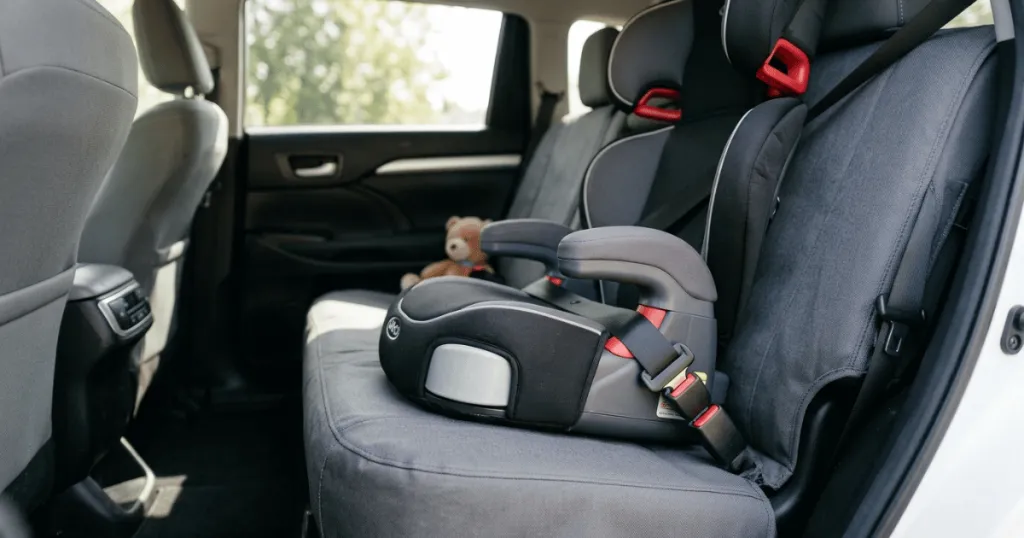
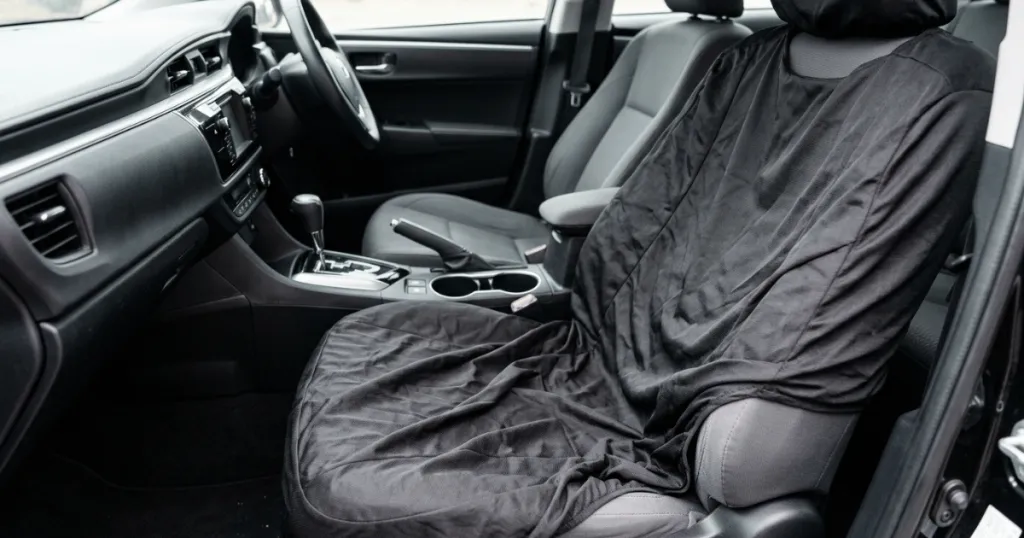
While the terms are sometimes used interchangeably, there is a functional difference between a seat protector and a full seat cover. A protector is often a partial covering, such as a mat designed specifically for a child seat base or a simple towel-style drape for post-workout use. A full car seat cover, however, is engineered to contour to the specific shape of the seat, providing comprehensive coverage for the backrest, base, and often the headrest, ensuring that the entire surface area remains shielded.
Factors Influencing Your Choice of Materials
The material you choose dictates how the cover performs in your specific environment. Different fabrics offer varying levels of resistance to moisture, heat, and friction, making it important to match the material to your primary usage scenario.
Neoprene and Synthetic Rubber
Neoprene is a popular choice for those who prioritize water resistance. Often derived from wetsuit technology, this material is excellent for blocking spills and moisture from reaching the foam cushion underneath. It is particularly useful for outdoor enthusiasts or those living in wet climates, as it prevents liquids from soaking into the seat fabric.
Faux Leather and Vinyl
For owners who prefer the look of luxury without the maintenance requirements of real leather, faux leather or polyurethane (PU) covers are a common solution. These materials are generally easy to wipe clean and provide a smooth, uniform appearance. They are effective at repelling surface dirt, though they may lack the breathability found in woven fabric options, which can lead to heat buildup during long drives in hot weather.
Canvas and Heavy-Duty Textiles
Canvas covers are built for durability and high-impact use. If you frequently transport heavy gear, tools, or pets with sharp claws, canvas provides a rugged barrier that resists tearing and abrasion. While these materials are less soft to the touch than plush fabrics, their longevity in high-traffic scenarios makes them a practical choice for commercial or work-oriented vehicles.
Real-World Scenarios for Installation
The way you use your vehicle dictates the type of cover that will serve you best. A daily commuter has different needs than someone who uses their vehicle for off-road trips or as a family transport.
Family and Pet Transport
When transporting children or pets, the main concerns are spills, crumbs, and hair. In these cases, choosing a material that can be easily wiped down or removed for machine washing is essential. Look for designs that feature tight seams to prevent debris from falling into the crevices of the seat, as cleaning those areas can be difficult once dirt accumulates.
Commercial and Rideshare Usage
Drivers who use their vehicles for commercial purposes need a balance of professional appearance and extreme durability. Frequent entry and exit from the vehicle put significant stress on the side bolsters of the seat. A cover that fits snugly and uses high-denier fabrics will prevent the original upholstery from wearing thin prematurely, ensuring the vehicle remains presentable for passengers.
Climate-Specific Considerations
Your local climate plays a major role in material selection. In areas with intense sun, fabrics that are treated for UV resistance will prevent fading and cracking of the underlying material. Conversely, in regions with high humidity, breathable fabrics are preferred to prevent the buildup of moisture between the cover and the seat, which can lead to odors or mold if not managed properly.
Why Preserving Your Interior Condition Matters
Investing in quality covers is ultimately about managing the long-term condition of your vehicle. Most people spend a significant amount of time inside their cars, and the seats are the most frequently touched surfaces. Over time, even careful use results in inevitable wear, such as fabric pilling, leather cracking, or deep-set stains that professional detailing cannot fully remove.
By installing covers early, you effectively freeze the condition of your factory seats. This is particularly important for those who plan to sell or trade in their vehicle later. A clean, well-preserved interior is one of the most significant factors in determining the resale value of a used car. When you remove the covers before a sale, the seats underneath look nearly as good as they did when the car was new, providing a clear advantage to the next owner.
Beyond the financial aspect, there is the matter of daily comfort. If your factory seats are made of a material that feels too hot in summer or too cold in winter, a well-chosen seat cover can act as a buffer, providing a more neutral and comfortable surface. This simple addition can change the entire feel of your daily commute, making it a practical upgrade for any vehicle owner.
Common Misconceptions About Seat Protection
One of the most frequent myths is that thicker materials always provide better protection. While heavy-duty fabrics are excellent for abrasion resistance, they are not always the best choice for every scenario. A very thick, stiff cover may not contour well to the seat, leading to gaps where dirt and liquids can still reach the original upholstery. A proper fit is often more important than the raw thickness of the material.
Another common misunderstanding is that all covers are waterproof. In reality, many fabrics are only water-resistant, meaning they can handle a light spill but will eventually soak through if a large amount of liquid is left to sit. If you truly need waterproof protection, you must specifically look for materials with a sealed backing or non-porous construction. Always verify the manufacturer’s claims regarding moisture resistance if you are dealing with frequent spills or wet gear.
Finally, some owners worry that using what are car seat covers will damage the original seat fabric due to friction. While a loose or poorly installed cover can shift and cause minor wear, a properly secured cover stays in place and prevents the very friction it is designed to mitigate. Ensuring the cover is tensioned correctly during installation is the key to avoiding any unintended wear on the factory upholstery.
Structural Integrity and Fitment Dynamics
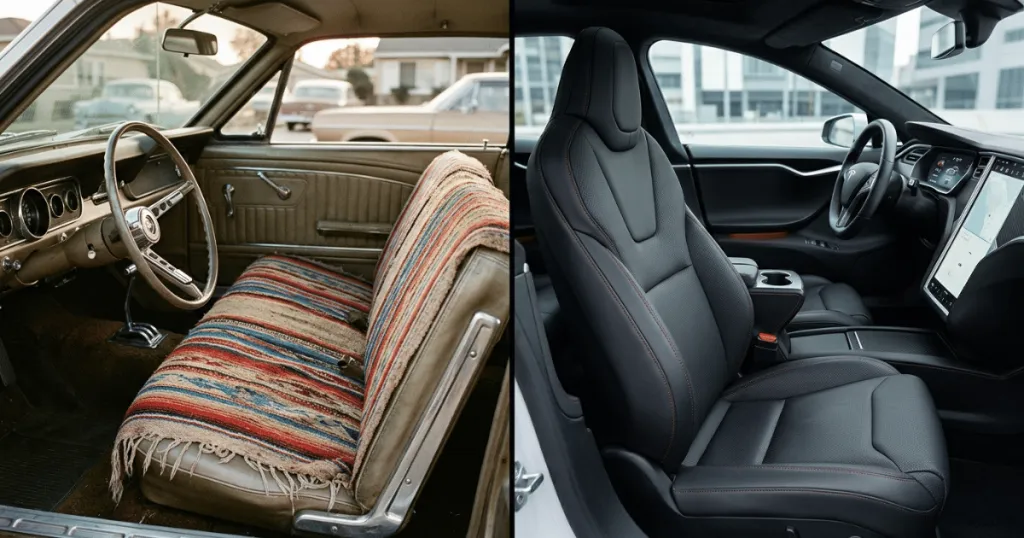
Understanding the difference between universal-fit and custom-fit covers is essential for long-term satisfaction. Universal covers are designed to accommodate a wide range of seat dimensions, often utilizing elastic straps or hooks to secure the material. While these are accessible and easy to install, they may not perfectly match the contours of your specific seat, potentially leaving bolster areas exposed or creating loose fabric pockets.
Custom-fit covers, by contrast, are patterned after the exact specifications of a vehicle’s seat architecture. They account for seat-back pockets, headrest shapes, and armrest cutouts. This level of precision ensures that the cover remains taut, which is critical for preventing the material from shifting during entry and exit. When the cover does not shift, it protects the underlying upholstery from the mechanical abrasion caused by constant movement against the seat surface.
Material Longevity and Environmental Exposure
The lifespan of a seat cover is directly tied to the environment in which the vehicle operates. In high-UV environments, such as desert regions, synthetic fibers can degrade over time, leading to fading or brittleness. Selecting materials with UV-stabilizing treatments can significantly extend the life of the cover. Similarly, in high-humidity areas, moisture trapped between the cover and the seat can lead to mildew. Choosing materials that allow for airflow, or ensuring that the covers are removed and cleaned periodically, is a vital part of interior maintenance.
It is also important to consider the weight of the material. Heavier textiles, like ballistic nylon or thick canvas, offer superior protection against sharp objects like keys or pet claws but may require more effort to install. Lighter, more flexible fabrics are easier to handle and often provide a more comfortable seating experience for daily driving, though they may sacrifice some degree of puncture resistance.
The Intersection of Comfort and Utility
While protection is the primary goal, comfort features are a significant secondary consideration. Many modern seat covers incorporate additional padding or ergonomic shaping to improve support. For long-distance drivers, a cover that adds a layer of cushioning can reduce fatigue. Conversely, for those who prioritize a sleek, factory-like appearance, thin, form-fitting covers are often preferred. Balancing these needs requires an assessment of how much time is spent in the vehicle and what specific physical stressors are present during those drives.
FAQ
Do I need to remove my seats to install covers?
In most cases, no. While removing the seats can make it easier to reach tight areas and secure straps, the vast majority of car seat covers are designed to be installed while the seats remain inside the vehicle.
Can I use seat covers if my seats have built-in heating?
Yes, but you should choose covers that are specifically noted as compatible with heated seats. Thinner, breathable materials generally allow the heat to transfer through more effectively than thick, insulated covers.
How do I know if a cover will fit my specific seat type?
You must identify your seat configuration, such as bucket seats, bench seats, or captain’s chairs, and check the manufacturer’s fitment guide. Some covers are universal, while others are designed for specific seat shapes and sizes.
What are car seat covers usually cleaned with?
Cleaning methods depend on the material. Synthetic fabrics can often be machine washed, while faux leather or vinyl should be wiped down with a damp cloth and mild soap. Always check the manufacturer’s care instructions to avoid damaging the material.