Velvet Car Seat Cover Options: Comfort and Interior Aesthetics
Explore the characteristics of a velvet car seat cover, including its unique texture, interior comfort,...
Not every fabric belongs in every vehicle. A rancher in West Texas who hauls feed bags and dogs through 105°F summers needs a fundamentally different seat cover material than a Seattle commuter whose biggest concern is months of damp jackets and coffee spills. Yet most shoppers pick a car seat cover based on color or price alone, overlooking the single factor that determines whether it will still look and feel right six months from now: what it is actually made of, and whether that material suits the way they use their vehicle.
Understanding car seat cover types starts with understanding materials, because the material is the product. It dictates breathability, water resistance, texture against bare skin in July, and how gracefully it handles mud season. Leather and leatherette bring a refined look to daily drivers and hold up well against spills, but they absorb and radiate heat in a way that makes them uncomfortable in sun-drenched climates unless paired with ventilated seats.
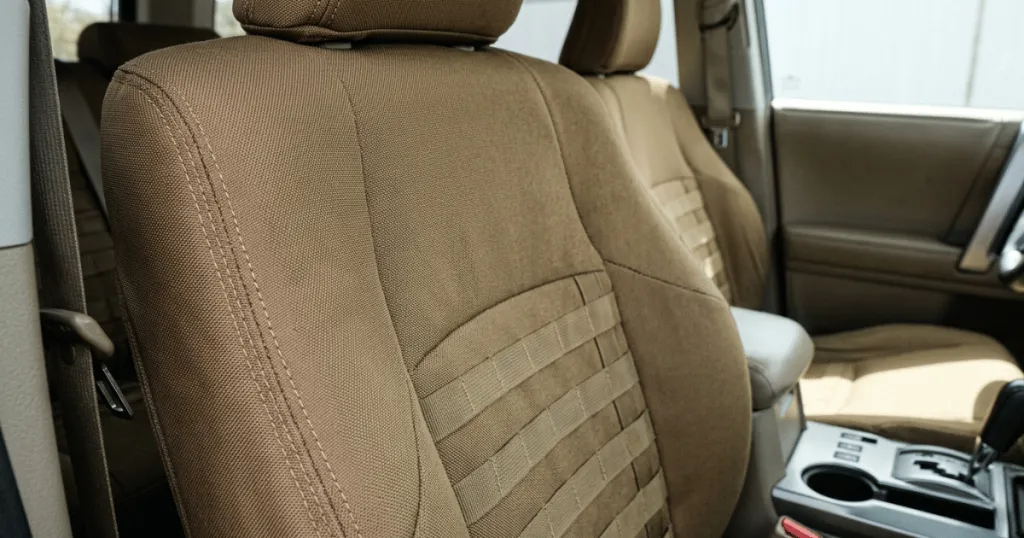
Neoprene, originally developed for wetsuits, excels at repelling water and resisting mildew, which makes it a favorite among kayakers, surfers, and pet owners who regularly load wet gear into the back seat. Canvas and cordura stand up to years of heavy-duty use in trucks and work vehicles, shrugging off abrasion that would shred thinner fabrics. Mesh and polyester blends prioritize airflow, keeping the seat surface cooler in tropical and desert heat where leather would become unbearable.
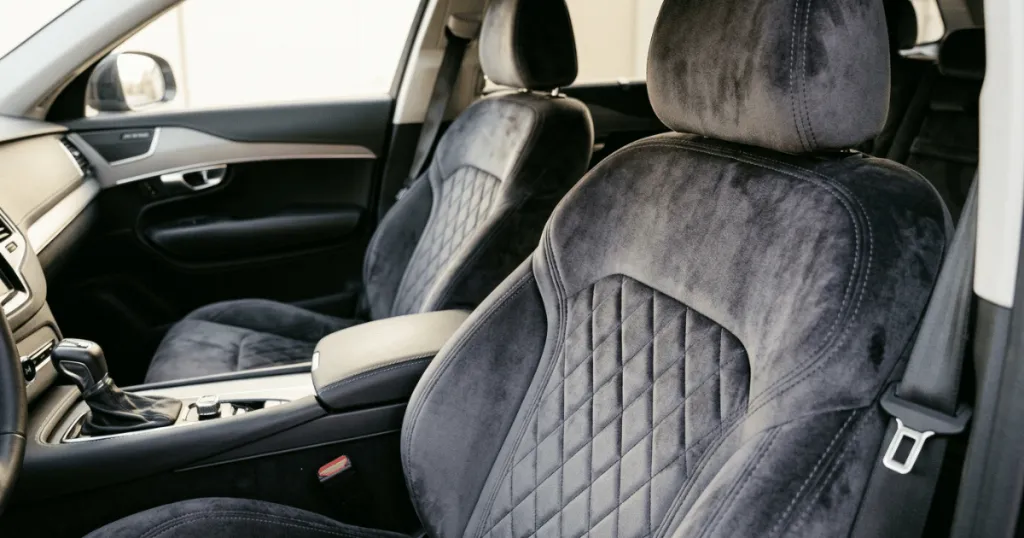
Climate is only half the equation. Your daily routine matters just as much. Families with young children gravitate toward materials that clean easily (think neoprene or treated polyester) rather than fabrics that trap crumbs and stain permanently. Weekend adventurers who rotate between trail running, mountain biking, and ski trips need something that handles sweat and snowmelt without developing odor. Long-distance commuters in moderate climates may prefer the soft hand-feel of velour or microfiber suede, prioritizing comfort on hour-long drives over rugged durability.
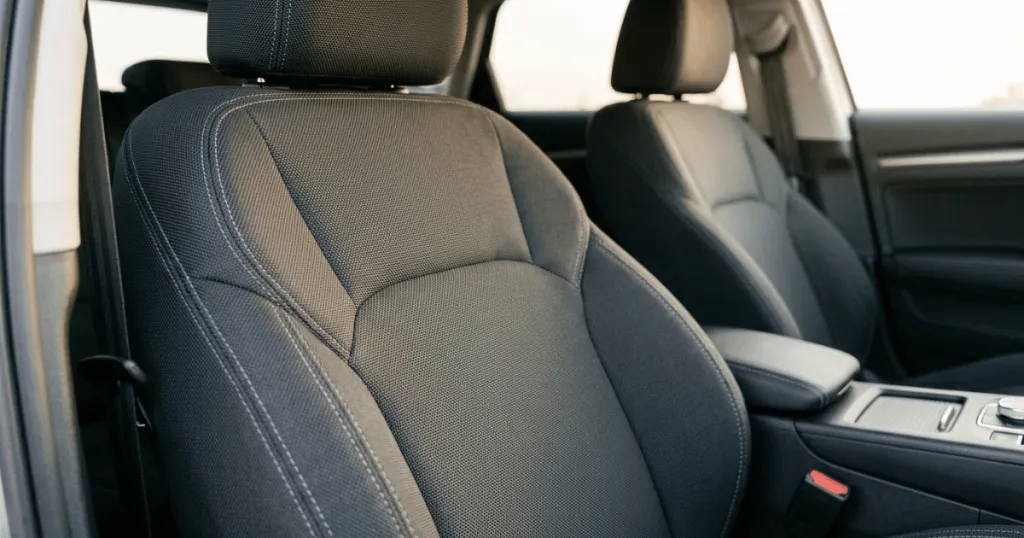
The range of car seat cover types available today is broader than it was even five years ago. Blended and layered constructions now combine a waterproof backing with a breathable top layer, solving the old tradeoff where water resistance meant a sticky, airless seat. Some newer seat cover fabrics incorporate UV-resistant treatments that slow fading in vehicles parked outdoors, a practical detail for anyone without a garage. Others use antimicrobial treatments woven into the fiber rather than sprayed on, extending freshness in humid subtropical regions where mold can take hold fast.
Picking the right material is less about finding a universal "best" and more about matching a specific fabric to your specific conditions. The articles below dig into individual materials, compare them head to head, and help you narrow down which car seat cover types actually make sense for the climate you drive in and the life you load into your vehicle.