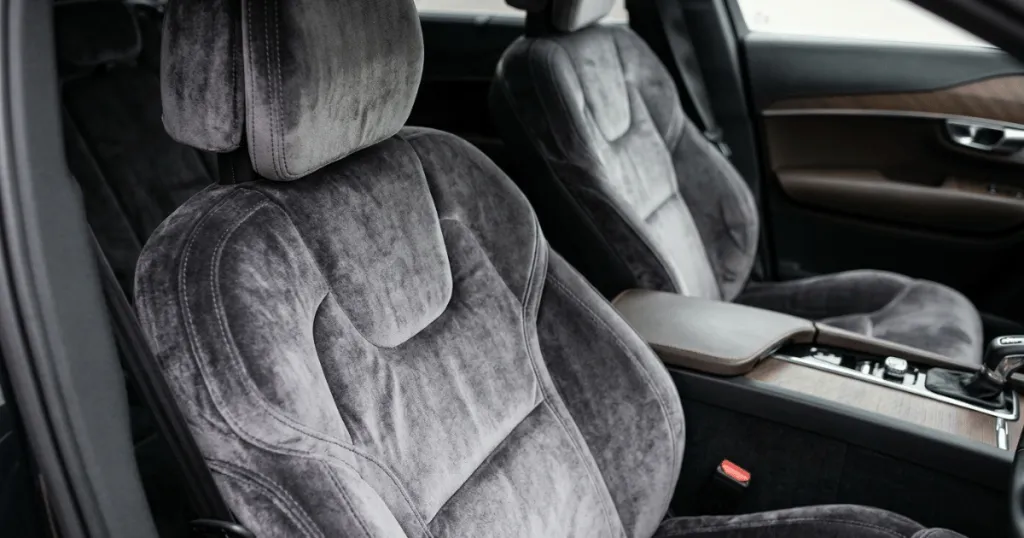
A velvet car seat cover stands apart from standard synthetic or leather options primarily due to its distinct pile and tactile softness. While most automotive upholstery focuses on durability or spill resistance, velvet prioritizes a refined, plush feel that can significantly alter the interior atmosphere of a vehicle. For owners who spend significant time behind the wheel, the choice of material often shifts from purely functional to comfort-oriented, making this fabric a unique consideration for those seeking a premium, non-slip seating surface.
Getting familiar with how this fabric reacts to the rigors of daily driving is key to ensuring it remains in top condition over the long term. Unlike smooth synthetic leather, which can feel cold in winter or sticky in summer, velvet offers a more neutral temperature profile. This makes it a popular choice for drivers in temperate climates who want to avoid the extremes often associated with vinyl or plastic-based seat covers.
Factors Influencing the Choice of Velvet Car Seat Covers
Selecting a velvet car seat cover involves balancing aesthetic preferences with the practical realities of vehicle interior maintenance. Because this material is defined by its dense, upright fibers, it reacts differently to friction and debris than flat-weave fabrics or non-porous materials.
The Impact of Pile Density on Comfort
The density of the velvet pile determines both the visual depth and the physical comfort of the seat cover. A higher-density pile provides a more cushioned, luxurious feel, which can help reduce fatigue during long commutes. In practice, this means the seat cover feels more substantial under the driver, providing a soft barrier between the occupant and the factory seat foam. When evaluating options, look for a uniform pile that resists flattening under pressure, as this ensures the material retains its plush characteristics over time.
Breathability and Temperature Regulation
One of the primary advantages of velvet over faux leather is its natural breathability. The gaps between the fibers allow for a degree of airflow that prevents the “trapped heat” sensation common in non-porous materials. For drivers who frequently deal with fluctuating cabin temperatures, this material helps maintain a more consistent comfort level without requiring active ventilation systems. This breathable seat fabric is particularly effective at wicking away minor moisture, keeping the seating surface dry and comfortable during extended periods of use.
Friction and Seating Stability
Velvet possesses a natural grip that helps keep the driver and passengers firmly in place during turns or sudden stops. This is a significant functional difference from smooth, slippery materials like PVC or standard polyester. If you prefer a seat cover that minimizes sliding, the high-friction surface of a velvet cover provides a practical advantage that improves stability without needing complex anchoring systems. This inherent friction is a key element of the material’s tactile softness, ensuring that you remain securely positioned in your bucket seats throughout your journey.
Real-World Usage Scenarios
The performance of a velvet car seat cover varies significantly depending on how the vehicle is used. While it offers unmatched comfort for daily commuting, other scenarios require a more cautious approach to ensure the material remains in good condition.
Daily Commuting and Passenger Comfort
For the average daily driver, a velvet car seat cover is an excellent way to upgrade an aging interior. The soft texture masks minor imperfections in the underlying factory upholstery, and the aesthetic appeal can make a high-mileage vehicle feel more modern and inviting. It is particularly effective for vehicles with bucket seats, where the contours of the cover can follow the shape of the seat to maintain a clean, custom-fitted look. This transformation of the cabin environment is often the primary motivation for choosing such a material.
Limitations in High-Traffic Environments
In vehicles used for frequent pet transport or heavy-duty work, velvet presents specific challenges. The very fibers that provide its softness can act as a magnet for pet hair, dust, and fine debris. If your vehicle interior is frequently exposed to mud, sand, or heavy cargo, the maintenance requirements for velvet are considerably higher than for smooth, wipeable materials like neoprene or vinyl. In these cases, the material may require more frequent vacuuming or specialized brushing to keep the pile looking uniform. Owners should consider if their lifestyle allows for the consistent upkeep required to prevent fiber thinning and matting.
Maintaining the Appearance of Your Interior
Because velvet is a textile, its longevity depends on your diligence in preventing fiber compression and keeping the pile free of trapped particles. Unlike waterproof covers that can be wiped down with a damp cloth, a velvet car seat cover generally requires a more deliberate approach to cleaning.
Managing Surface Debris
Regular maintenance is the most effective way to keep the material looking fresh. A soft-bristled brush is your best tool for this, as it helps lift dust and small particles from the base of the pile without damaging the fabric. For most owners, a quick weekly pass with a vacuum attachment designed for upholstery is sufficient to prevent the buildup of grit that can eventually cause premature fiber thinning. Consistent upholstery care is vital to preserving the integrity of the pile and ensuring the material does not lose its aesthetic appeal.
Addressing Spills and Stains
If a liquid spill occurs, the immediate goal is to blot, not rub. Rubbing a spill into a velvet car seat cover will force the liquid deeper into the pile and potentially cause matting. Using a clean, absorbent microfiber cloth to gently press against the spill will pull the moisture out. If a cleaning solution is necessary, always test it on an inconspicuous area of the cover first to ensure it does not alter the color or texture of the velvet. Proper spot cleaning techniques are essential for maintaining material longevity and preventing permanent damage to the fibers.
Why Texture and Material Choice Matter for Your Vehicle
The decision to install a velvet car seat cover is rarely about utility alone; it is about the sensory experience of the vehicle interior. When you choose a material that feels soft and welcoming, you change the way you interact with your car. This is particularly relevant for those who view their vehicle as a personal space rather than just a tool for transportation. A well-chosen velvet cover can turn a standard, utilitarian seat into a more comfortable, personalized environment.
Furthermore, the visual impact of velvet cannot be understated. The way light plays across the surface of the fabric adds a layer of depth and sophistication that flat materials lack. By selecting a high-quality velvet, you are prioritizing a tactile and visual upgrade that rewards you every time you get behind the wheel. While it requires a bit more care than a synthetic rubber cover, the trade-off in comfort and interior style is often worth the effort for the dedicated vehicle owner. The interplay of light and shadow on the fabric creates a dynamic vehicle interior aesthetics that is difficult to replicate with other materials.
Final Considerations for Velvet Upholstery Upgrades
When finalizing your decision, consider the overall climate and your typical passenger load. If you prioritize comfort and a premium aesthetic, a velvet car seat cover is a strong contender. However, be prepared to commit to a consistent maintenance routine to keep the material in top shape. By understanding the specific properties of the fabric, its grip, its breathability, and its sensitivity to debris, you can ensure that your choice provides lasting value for your vehicle’s interior. Always weigh the benefits of plush seat covers against the realities of your daily routine to determine if this material is the right fit for your specific automotive upholstery needs.
FAQ
Is a velvet car seat cover suitable for hot climates?
Yes, velvet is often more breathable than synthetic leather or vinyl, which helps it stay cooler in direct sunlight and prevents the sticky sensation common with non-porous materials.
How do I remove pet hair from a velvet car seat cover?
Because of the fabric’s pile, pet hair can be stubborn. A dedicated upholstery brush or a rubberized pet hair removal tool is more effective than a standard vacuum for lifting hair out of the velvet fibers.
Can I machine wash these seat covers?
Most velvet car seat cover sets are not machine washable due to their construction and backing materials. It is safer to spot-clean them or use a professional upholstery cleaner to avoid damaging the fabric’s texture.