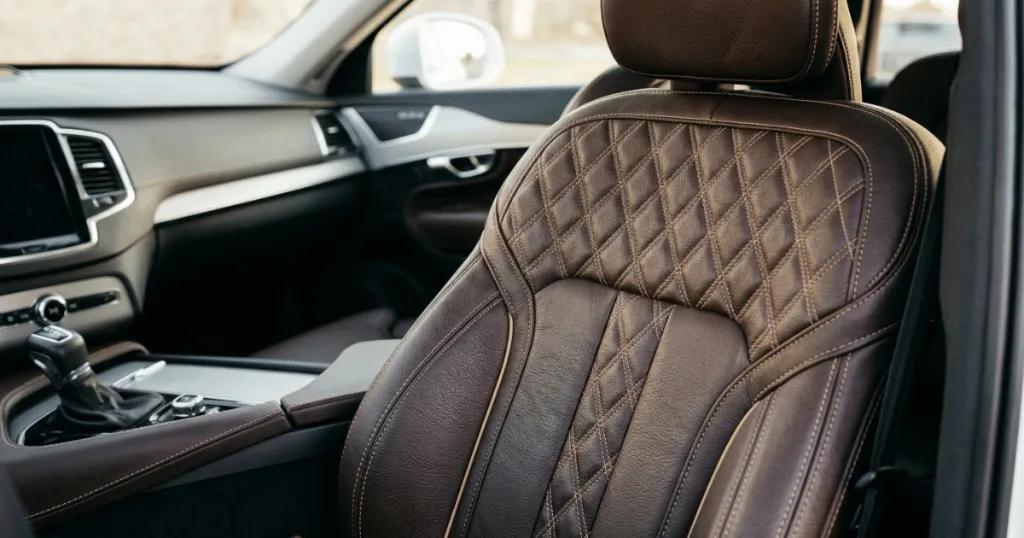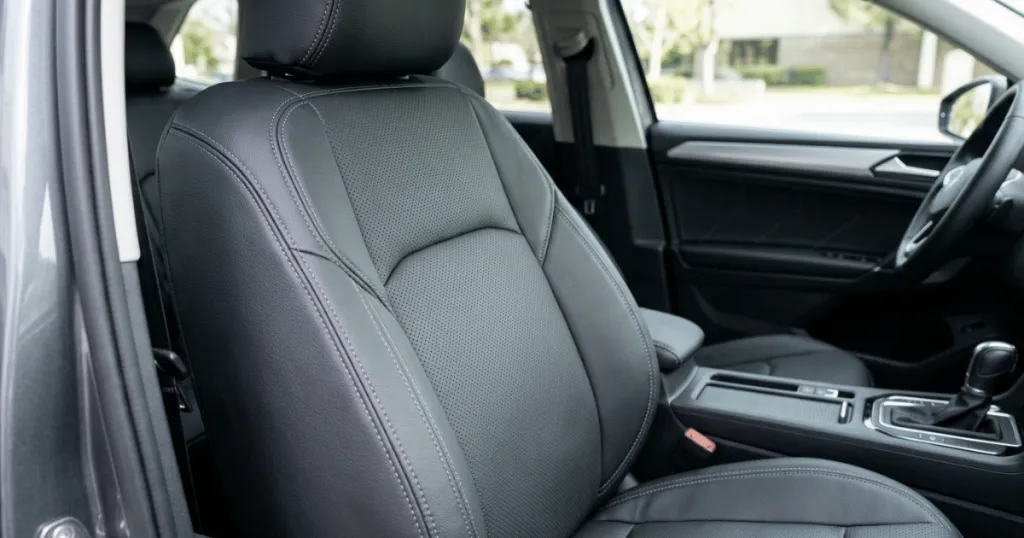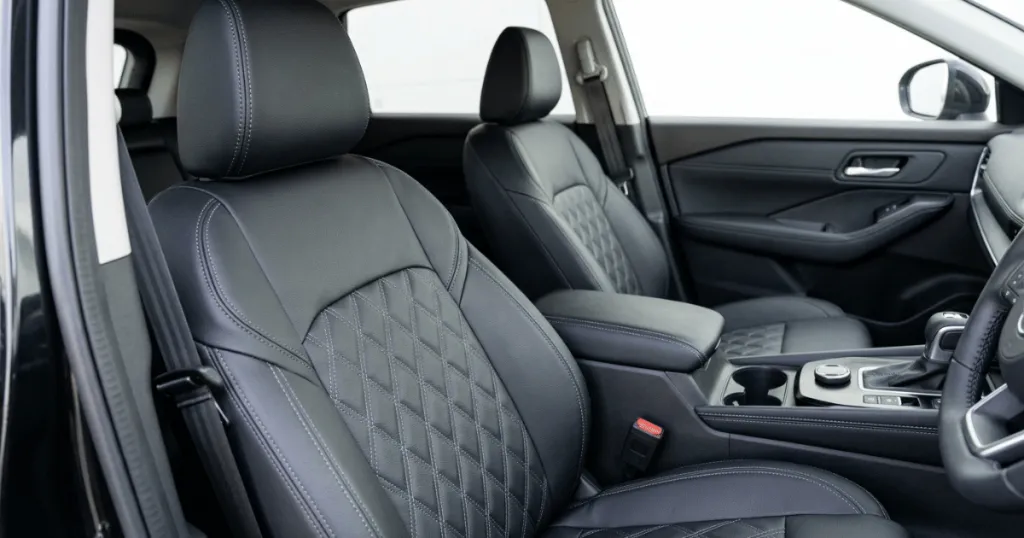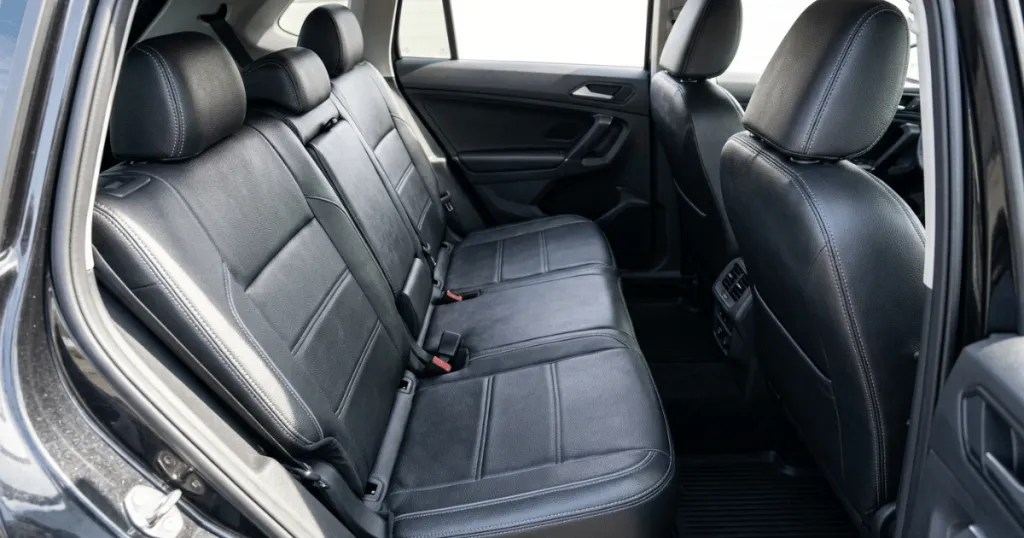
When upgrading a vehicle’s interior, selecting the right upholstery material is a significant decision. A genuine leather car seat cover offers a unique combination of tactile comfort, aesthetic appeal, and long-term durability that synthetic alternatives often struggle to replicate. For owners looking to preserve their factory seats or enhance the cabin’s overall feel, leather remains a premium choice that ages distinctly over time.
Familiarizing yourself with the specific characteristics of natural hides is a vital step for any owner considering this upgrade. Unlike mass-produced synthetic fabrics, leather requires a different approach to installation, climate management, and routine upkeep. This guide explores the specific properties of these covers to help you determine if they align with your vehicle’s usage patterns and your personal maintenance preferences.
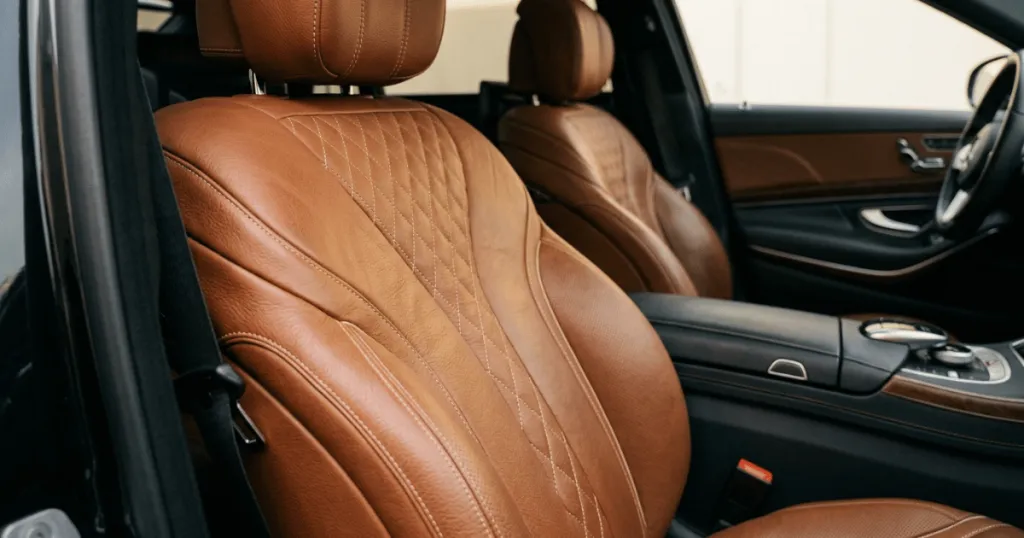
Characteristics of a Genuine Leather Car Seat Cover
The primary appeal of a genuine leather car seat cover lies in its organic structure. Unlike uniform synthetic materials, natural leather possesses a unique grain pattern, breathability, and a tactile quality that softens with use. These properties contribute to a seating environment that feels more integrated with the vehicle’s interior.
Breathability and Temperature Regulation
Natural leather is porous, which allows it to breathe more effectively than many closed-cell synthetic materials. In practice, this means the surface can better manage moisture and heat dissipation during long drives. While leather does absorb ambient temperature, it tends to reach a comfortable equilibrium with the cabin environment faster than heavy-duty vinyl or certain thick polyester weaves, provided the cabin is climate-controlled.
Durability and Aging Patterns
A high-quality hide is inherently resistant to tearing and abrasion. Over time, leather does not fray or pill like fabric covers; instead, it develops a patina. This natural aging process is a hallmark of genuine material, where the surface texture evolves to reflect the specific way the seat is used. While some owners prefer a pristine look, others value the character that develops on the leather surface after several years of consistent use.
Real-World Context for Leather Upholstery
Integrating leather covers into your vehicle requires an understanding of how the material interacts with your daily routine. Because leather is a natural product, it responds to environmental stressors differently than synthetic alternatives.
Climate Considerations for Leather
In regions with extreme temperature fluctuations, leather requires extra attention. Intense, direct UV exposure can dry out the natural oils in the hide, potentially leading to cracking or stiffening if the material is not conditioned regularly. If your vehicle is frequently parked outdoors in high-heat environments, you may need to implement a more rigorous conditioning schedule to maintain the flexibility of your genuine leather car seat cover.
Usage Scenarios and Daily Wear
Leather is a robust material, but it is not impervious to sharp objects or heavy moisture. In a family vehicle, leather is often easier to wipe down than porous fabrics, as it does not trap spills deep within the fibers. However, it is important to avoid using harsh chemical cleaners that strip the hide of its protective finish. For those using their vehicle for commercial purposes, the durability of leather provides a professional aesthetic that stands up well to frequent entry and exit, provided the surface is kept clean of abrasive grit.
Maintaining Your Investment
The longevity of a genuine leather car seat cover depends almost entirely on the consistency of your care routine. Unlike fabric covers that can be machine-washed, leather requires a specialized approach focused on hydration and protection.
Routine Cleaning Methods
Regular maintenance involves removing surface dust and debris with a soft, dry cloth. For deeper cleaning, use only products specifically formulated for automotive leather. Avoid household soaps or multi-purpose cleaners, as these can alter the pH balance of the leather and cause premature drying or discoloration. A gentle wipe-down with a damp cloth followed by a dry cloth is usually sufficient for weekly upkeep.
Conditioning for Longevity
Conditioning is the most critical step in preventing the material from becoming brittle. Applying a high-quality leather conditioner every few months replenishes the natural oils that keep the hide supple. This process acts as a barrier against friction and environmental damage. When applying conditioner, work in small, circular motions and allow the product to fully absorb before sitting on the seat, which prevents residue transfer to your clothing.
Why Material Choice Impacts Your Driving Experience
The decision to install a genuine leather car seat cover is often driven by the desire for a premium tactile experience. The way the material feels under the driver and passengers significantly influences the perception of the vehicle’s interior quality. Leather provides a firm, supportive surface that does not shift or bunch up as easily as thinner, stretchier fabrics. This stability can make longer trips more comfortable, as the cover stays taut against the seat foam.
Furthermore, the aesthetic impact of leather is difficult to replicate. Whether you choose a smooth finish or a textured grain, the material adds a level of visual depth to the cabin. For those who prioritize a refined, classic interior look, the investment in natural materials often pays off in the overall satisfaction of the driving environment. By selecting a genuine leather car seat cover, you are choosing a material that rewards regular care with a long service life and a distinct, personalized appearance that synthetic alternatives simply cannot match.
Perspectives on Natural Leather
A frequent point of confusion is the belief that leather is inherently waterproof. While it is more resistant to liquid spills than an untreated cotton or canvas cover, it is not waterproof. Liquids left on the surface can penetrate the seams or the pores of the hide, potentially causing staining or mold if not addressed quickly. Always blot spills immediately rather than assuming the material will repel them indefinitely.
Another common misunderstanding is that all leather is equally thick and durable. In reality, the grade and treatment of the hide matter significantly. A thinner, more supple leather may feel luxurious but might be more susceptible to surface scratches than a thicker, more heavily treated hide. It is important to look for materials that are specifically tanned and finished for the high-friction, high-temperature environment of an automotive interior rather than general-purpose upholstery leather.
Technical Considerations for Installation and Fitment
Achieving a professional-looking result with leather covers requires patience. Because genuine leather lacks the high elasticity found in neoprene or spandex-blend covers, the installation process is more demanding. It is common for leather to feel slightly stiff upon initial unboxing, especially if it has been stored in a cool environment. Allowing the material to reach room temperature before installation can improve its pliability, making it easier to stretch over the seat contours and secure the attachment points.
When fitting these covers, focus on the tension points. Leather does not “give” as much as fabric, so verifying that all straps and hooks are firmly tensioned is vital to keep the cover from shifting during daily use. If your vehicle features complex seat geometry, such as heavily bolstered sport seats or integrated headrests, the precision of the cover’s cut becomes paramount. A well-fitted leather cover should mimic the original upholstery’s lines, avoiding excessive bunching in the seat crevices where dirt and debris typically accumulate.
Evaluating Leather Grades for Automotive Use
Not all leather is created equal, and knowing the specific industry classifications helps you set realistic expectations for wear. Automotive-grade leather is typically top-grain or corrected-grain leather that has been treated with specialized polymers to withstand the rigors of a car cabin. These treatments provide the necessary abrasion resistance and UV protection that raw, untreated hides would lack.
When researching options, look for descriptions that emphasize the tanning process and the protective topcoat. This finish is what allows the leather to be cleaned effectively without absorbing oils from the skin or liquids from spills. While full-grain leather is often prized for its natural appearance, it requires a much more intensive maintenance schedule than the finished, automotive-grade leather most commonly used for seat covers.
The Role of Stitching and Construction
The longevity of a leather cover depends on both the quality of the hide and the integrity of its assembly. High-quality covers often feature reinforced stitching at high-stress areas, such as the seams along the seat base and backrest. When evaluating a potential set, examine the thread quality and the density of the stitching. Double-stitched seams are generally more durable and less likely to pull apart under the tension of daily use.
Furthermore, the backing material used on the underside of the leather, often a non-slip mesh or a soft fabric lining, plays a vital role in protecting your factory upholstery from friction damage. A quality backing ensures that the leather cover stays in place without causing wear to the original seat fabric underneath.
Environmental Factors and Long-Term Preservation
Beyond routine cleaning, long-term preservation involves managing the cabin environment. If you live in a high-humidity area, ensure your vehicle is well-ventilated to prevent moisture buildup between the cover and the seat, which could lead to mold or mildew. Conversely, in arid climates, the primary concern is the depletion of the leather’s natural moisture.
Using a sunshade when the vehicle is parked can significantly extend the life of your leather covers by reducing the thermal load on the material. By mitigating these environmental stressors, you preserve the supple texture and color integrity of the leather for years to come.
FAQ
Does a genuine leather car seat cover require professional installation?
While many covers are designed for DIY installation, genuine leather is less elastic than synthetic fabrics. This means it may require more effort to achieve a taut, wrinkle-free fit. Following the manufacturer’s specific installation instructions is vital for a secure fit.
Can I use standard household leather cleaners on my seat covers?
It is generally recommended to avoid household leather cleaners. Many of these products contain chemicals that are too harsh for automotive-grade leather and can strip away the protective finish, leading to cracking or fading. Always use products specifically designed for automotive leather.
How often should I condition my leather seat covers?
Conditioning frequency depends on your local climate and how much sun exposure the vehicle receives. In most cases, applying a dedicated leather conditioner every three to four months is sufficient to keep the material supple and prevent it from drying out.