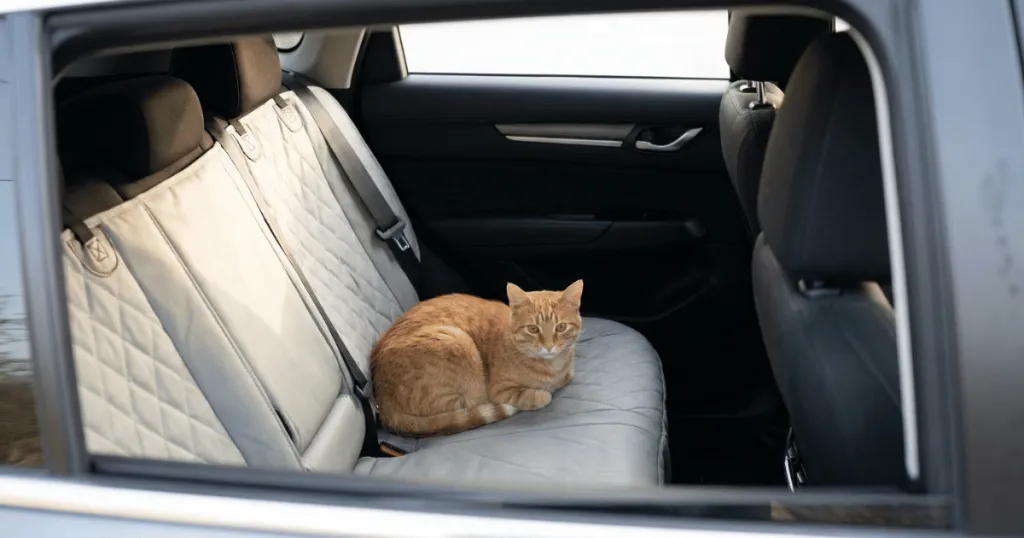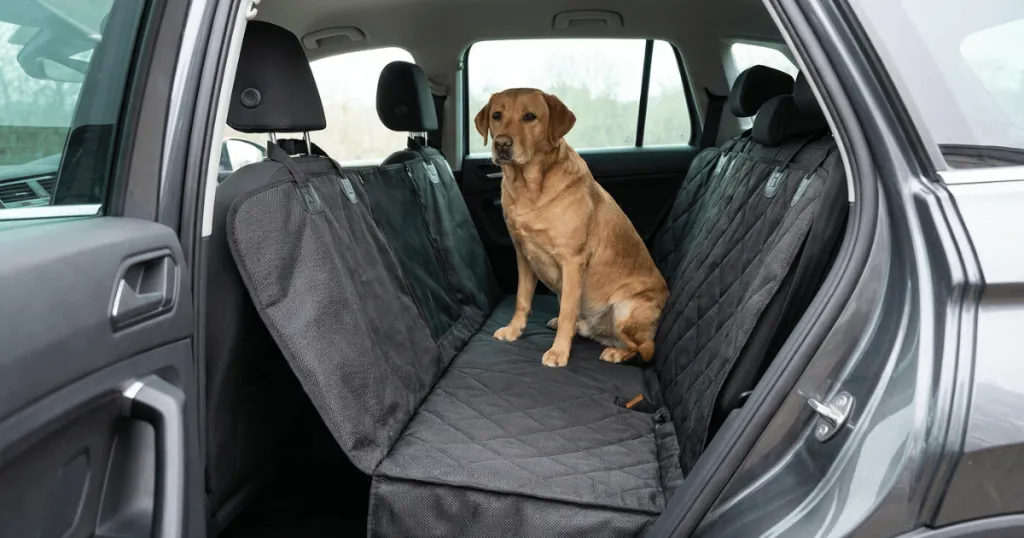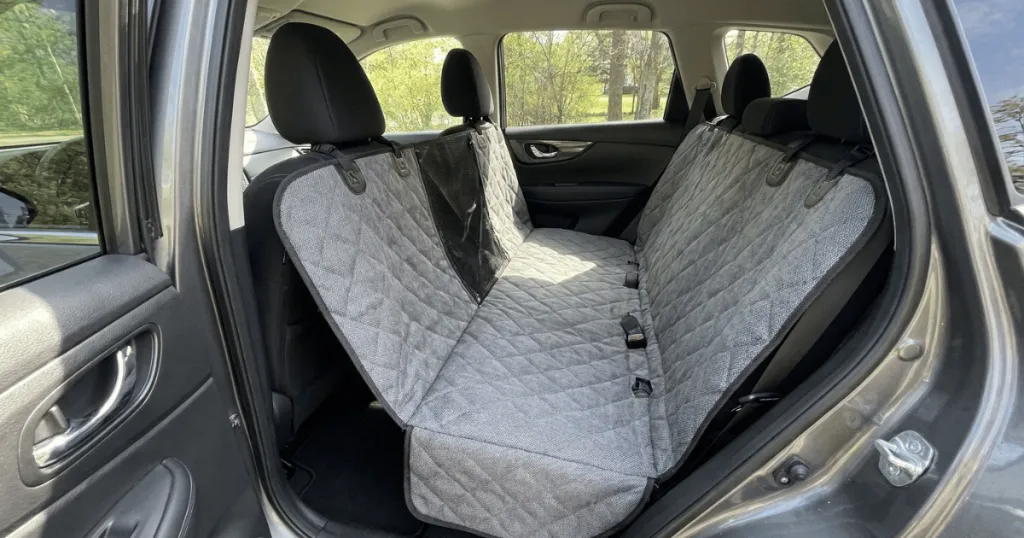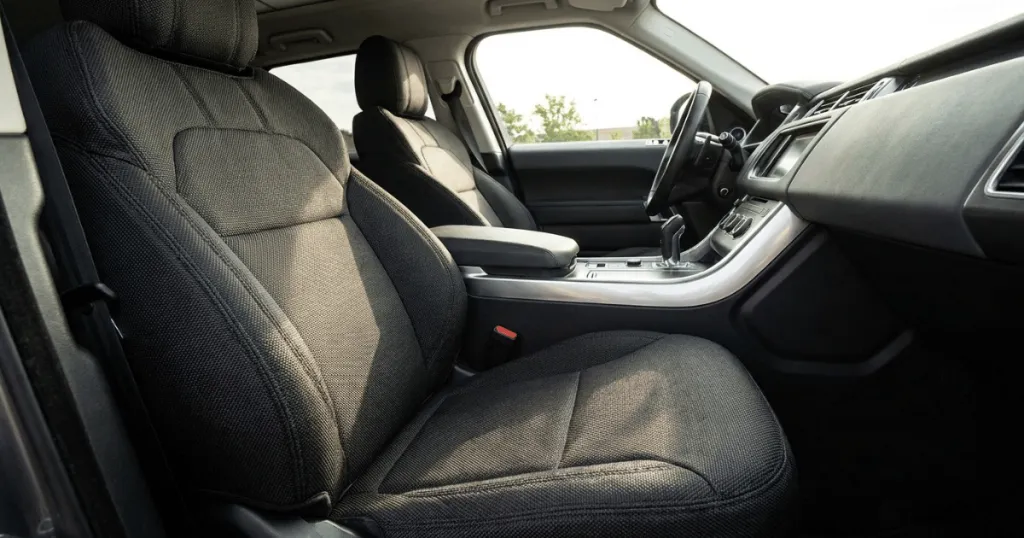
When you spend your weekends on trails, at campsites, or navigating muddy backroads, your vehicle’s interior takes a significant beating. An off road car seat cover serves as the primary line of defense against the abrasive grit, moisture, and debris that inevitably migrate from your gear and clothing into the cabin. Unlike standard upholstery protectors designed for light daily commuting, these covers prioritize high-denier materials and reinforced construction to handle the specific stressors of outdoor recreation.
Selecting the right protection involves more than just picking a color. It requires evaluating how your specific outdoor activities, whether it is mountain biking, hunting, or overlanding, interact with your seat upholstery. By choosing a cover engineered for the rigors of the trail, you can prevent permanent staining and premature wear on your factory seats, keeping your interior upholstery pristine despite the heavy accumulation of trail debris.
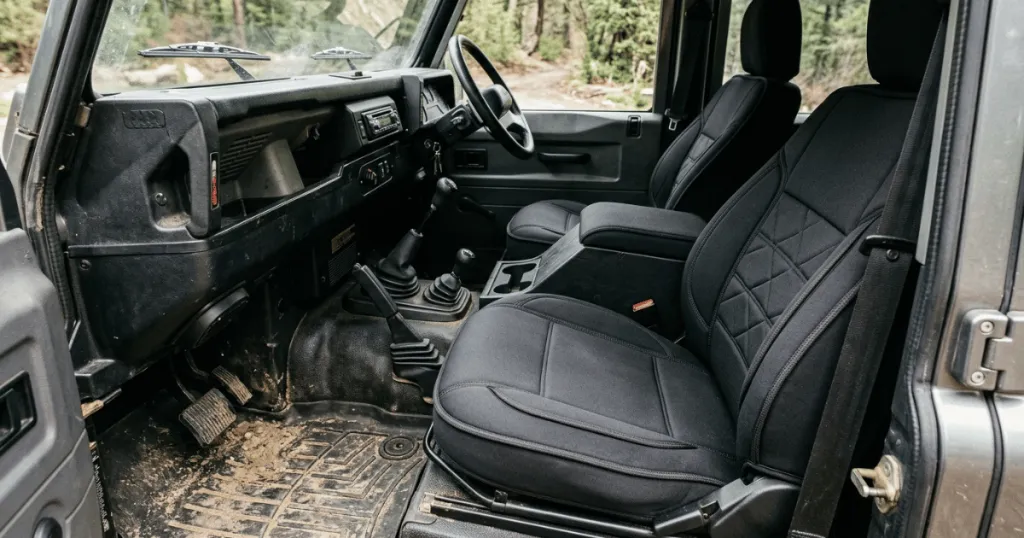
Factors Influencing Your Choice of Off Road Car Seat Cover
The primary function of any seat protector in an outdoor vehicle is to isolate the factory upholstery from environmental contaminants. When you are off-roading, the cabin environment shifts from a controlled space to an extension of the outdoors. You are dealing with fine dust, abrasive sand, and often damp or muddy clothing, all of which act like sandpaper when ground into seat fabric or leather.
Material Density and Abrasion Resistance
Materials like heavy-duty neoprene, ballistic nylon, or high-grade canvas are standard for off-road applications because they offer superior tensile strength. Neoprene is favored for its water-resistant properties and cushioning, which provides a comfortable barrier against the vibrations and bumps of uneven terrain. Ballistic nylon, on the other hand, excels in abrasion resistance, making it ideal if you frequently carry gear with metal buckles, zippers, or sharp edges that could tear through thinner materials.
Moisture Management and Liquid Barrier
Moisture is the silent enemy of vehicle interiors. Whether it is from rain, melted snow, or sweat after a long hike, liquids can seep into seat foam and cause long-term damage like mildew or odor retention. An off road car seat cover should feature a non-porous backing or a tightly woven outer layer that prevents liquid penetration. In practice, this means looking for materials that can be wiped clean with a damp cloth rather than those that require a deep machine wash every time they get slightly damp.
Fit and Anchoring Mechanisms
A loose-fitting cover is a liability on a bumpy trail. If the cover shifts while you are navigating technical terrain, it can become a distraction and fail to protect the seat edges where wear is most common. Look for covers that utilize high-tension straps, non-slip backing, or custom-molded designs that hug the contours of your seat. A secure fit ensures that the cover moves with the seat rather than against it, maintaining consistent protection during aggressive driving.
Real-World Scenarios for Outdoor Seat Protection
The specific demands on your seat covers change depending on your primary outdoor hobby. A hunter’s needs differ significantly from those of a recreational camper or a mountain biker. Recognizing these differences helps you prioritize features that will actually improve your experience.
Protection Against Mud and Grit
If your adventures frequently involve mud, your priority should be ease of cleaning. Canvas covers are often preferred here because they are rugged enough to withstand repeated scrubbing. When mud dries on a seat, it becomes abrasive; having a cover that can be quickly wiped down or removed for a hose-off keeps the cabin cleaner for the drive home. Avoid porous fabrics that trap fine dust, as these tend to release clouds of dirt every time you sit down.
Managing Gear-Related Wear
For those who carry heavy equipment like climbing gear, fishing tackle, or recovery tools, the risk is not just dirt, but physical damage. Heavy-duty ballistic nylon covers are the gold standard for this scenario. They resist punctures from metal gear and provide a slick surface that makes sliding heavy items across the seat easier. In this context, the cover functions as a durable shield that deflects the force of heavy, sharp, or awkward objects that would otherwise gouge your factory upholstery.
Climate Considerations for Outdoor Use
Temperature regulation is often overlooked in off-road settings. If you spend time in desert environments, dark-colored synthetic covers can become uncomfortably hot under direct sunlight. Conversely, in cold, wet climates, you might prefer a material that does not feel freezing to the touch. Breathable, multi-layered fabrics or covers with a quilted finish can provide a layer of air insulation, keeping you comfortable during long drives to and from the trail head.
Prioritizing Long-Term Interior Preservation
The value of an off road car seat cover lies in the long-term preservation of your vehicle’s resale or trade-in value. Factory seats are expensive to repair or replace, and once the foam is compromised by moisture or the fabric is permanently stained by mud and grease, the damage is often irreversible. By installing a dedicated cover, you are essentially creating a removable, cleanable skin for your vehicle’s most used interior component.
Beyond the financial aspect, there is the practical benefit of comfort. Off-roading is physically demanding, and having a seat cover that offers a bit of extra padding or a more stable, non-slip surface can reduce fatigue. When you are not sliding around in your seat because of a slick leather surface, you can maintain better focus on the trail. A well-chosen cover turns a standard factory seat into a more supportive, purpose-built platform for your specific outdoor lifestyle.
Realities of Maintaining Rugged Seat Protection
One frequent mistake is assuming that “waterproof” is the same as “maintenance-free.” Even the most rugged off road car seat cover requires regular cleaning to remain effective. If you allow mud and grit to build up on the surface, that debris eventually works its way into the seams or creates a paste that can wear down the cover’s protective coating. A quick vacuum or wipe-down after a trip is essential to ensure the cover lasts for years rather than months.
Another common error is prioritizing thickness over material quality. A very thick, soft fabric might feel durable, but it may lack the tight weave necessary to prevent fine dust from passing through to your seats. Always look for the technical specifications of the material, such as denier count or water-resistance ratings, rather than relying on how plush the cover feels to the touch. A thinner, high-density ballistic nylon will almost always outperform a thick, loose-weave fabric in a harsh, outdoor environment.
Strategic Selection for Long-Term Interior Integrity
When evaluating options for your vehicle, consider the interplay between your seat type and the cover’s construction. Bucket seats, common in many off-road-capable SUVs and trucks, require covers that accommodate side bolsters without bunching. If your vehicle features captain’s chairs or a split-bench configuration, ensure the cover design allows for independent movement and access to seat adjustment controls. The goal is to achieve a “second skin” fit that does not interfere with the ergonomics of your seating position.
Furthermore, consider the UV exposure inherent in outdoor use. High-intensity sunlight can cause fading and material degradation over time. Look for covers treated with UV-resistant coatings or those made from solution-dyed synthetic fibers. This prevents the material from becoming brittle or losing its structural integrity after prolonged exposure to the sun, which is a common failure point for cheaper, non-specialized covers.
Finally, assess the ease of installation and removal. In an off-road context, you may occasionally need to remove the covers for a deep cleaning or to access the factory seat for maintenance. A design that utilizes quick-release buckles or intuitive hook-and-loop systems is vastly superior to complex, multi-piece configurations that require significant time and effort to re-install. By prioritizing modularity and durability, you ensure that your interior protection remains a functional asset rather than a cumbersome chore.
FAQ
Can I leave my off road car seat cover on permanently?
Yes, these covers are designed for long-term use. However, you should remove them periodically to inspect the factory upholstery underneath for trapped moisture or debris, especially after particularly muddy or wet trips.
How often should I clean my off road car seat cover?
Cleaning frequency depends on usage. If you are frequently in dusty or muddy conditions, a quick vacuum or wipe-down after every major trip prevents abrasive grit from wearing down the cover’s protective coating.
Are these covers compatible with heated or cooled seats?
Most high-quality covers are designed to allow heat transfer, but they will inevitably reduce the efficiency of ventilated or cooled seats. If your vehicle has these features, look for covers specifically noted for breathability.