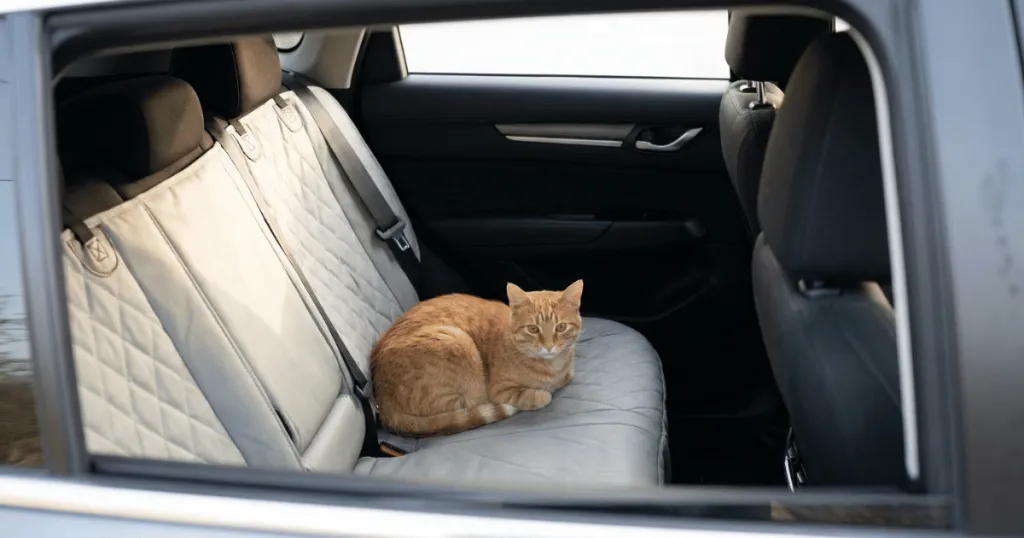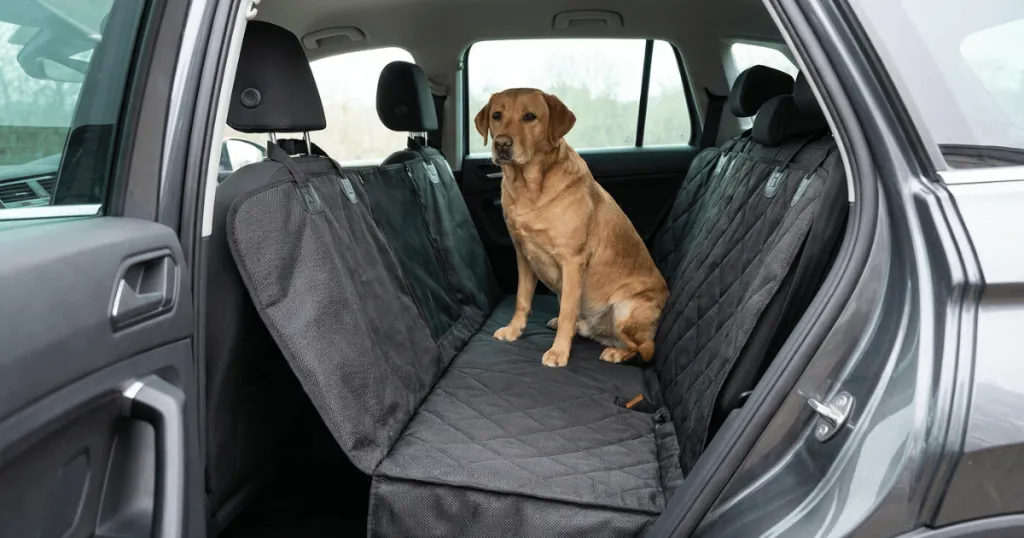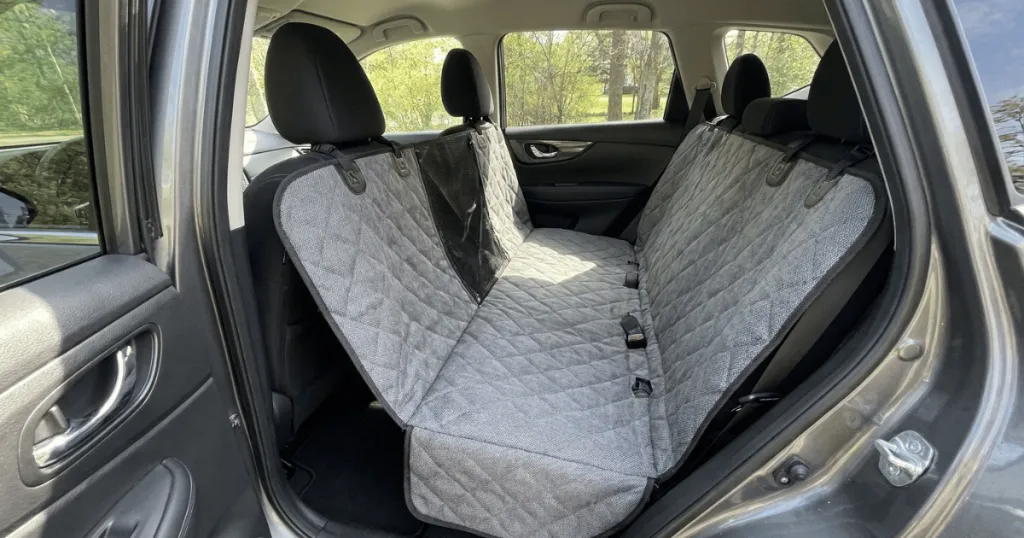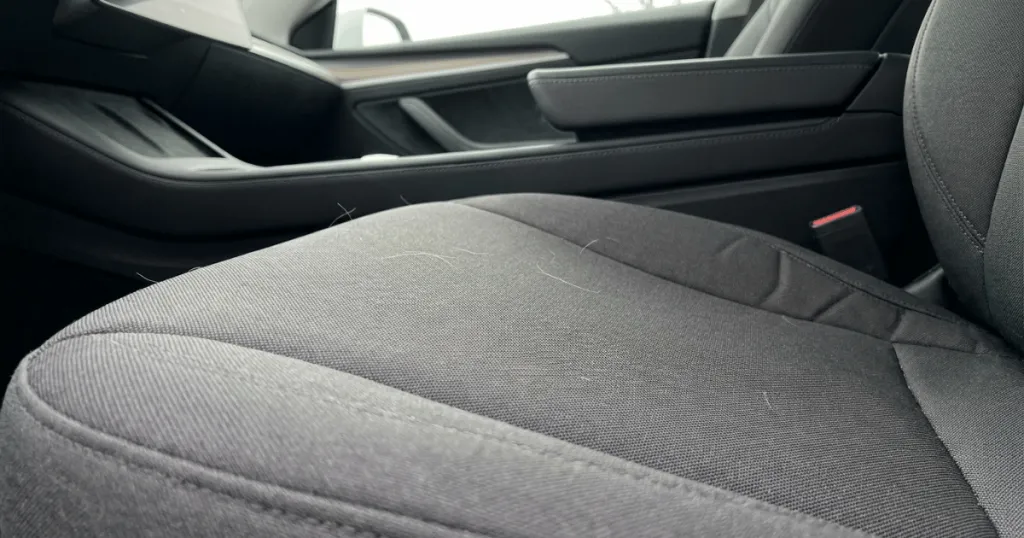
Many vehicle owners assume that any heavy-duty fabric will naturally resist damage from their pets. However, there is a significant difference between a standard heavy-duty cover and a purpose-built scratch proof pet car seat cover. While standard covers might protect against moisture or mud, they often lack the dense weave or specialized coating required to withstand the repetitive friction of dog claws. Selecting the ideal protective layer requires evaluating how specific textile weaves and surface finishes hold up against the mechanical stress of animal movement, such as digging, pacing, or shifting weight during a turn.
In practice, a truly effective cover for pet owners needs to balance surface hardness with the flexibility required to fit over bucket or bench seats. If you are frequently transporting pets, you are likely looking for a solution that prevents permanent upholstery damage while remaining easy to clean. This guide explores how to evaluate these covers based on material performance and daily usage, ensuring you make an informed decision for your vehicle’s long-term interior health.
Evaluating Materials for Claw Resistance
The effectiveness of a scratch proof pet car seat cover depends almost entirely on the material composition. Not all fabrics are created equal, and some common materials may look tough but fail under the pressure of sharp claws. When assessing durability, consider the denier rating of the fabric, which measures the thickness of the individual fibers. A higher denier rating typically indicates a more robust, puncture-resistant material capable of handling the localized pressure of a pet’s weight concentrated on a single claw.
Heavy-Duty Canvas and Duck Weave
Canvas is a popular choice for pet owners because of its tight, dense weave. This construction makes it difficult for claws to snag or pull threads loose. When looking for canvas, prioritize options that feature a high thread count or a synthetic blend, as these provide better puncture resistance than standard cotton canvas. In practice, this material is excellent for medium-to-large dogs that tend to pace, as the surface is firm and resistant to tearing. The natural stiffness of heavy-duty canvas also helps the cover maintain its shape, preventing the bunching that often leads to exposed upholstery.
Coated Synthetic Fabrics and Ballistic Nylon
Ballistic nylon is often used in luggage and tactical gear, making it a top-tier choice for high-scratch environments. These materials are typically coated with a water-resistant layer that also adds a slick, smooth finish. This slickness is beneficial because it prevents claws from gaining the traction needed to dig into the seat. If your pet is prone to scratching when they are anxious, a smooth, coated synthetic is often more effective than a textured fabric that offers a grip for their claws. Furthermore, these materials are generally non-porous, meaning they resist absorbing odors and dander, which is a significant advantage for long-term interior detailing.
Multi-Layered Quilted Materials
Many modern covers use a quilted design that includes a layer of padding between the top fabric and the backing. While the padding adds comfort, the primary benefit for pet owners is the thickness of the overall assembly. A multi-layered cover acts as a buffer, making it much harder for a claw to penetrate through to the actual vehicle seat upholstery. When choosing these, ensure the top layer is a durable material like polyester or nylon, rather than a soft cotton or delicate microfiber. The quilting process often involves heat-sealing or reinforced stitching, which adds an extra layer of structural integrity against tearing.
Real-World Usage Scenarios
How you use your vehicle dictates the type of cover you need. A cover that works for a quick trip to the park may not be sufficient for a long road trip or frequent off-road excursions. Matching the technical specifications of the cover to your specific travel habits is the most effective way to ensure long-term protection for your seats.
Daily Commuting and Short Trips
For short, frequent trips, convenience is the priority. You need a cover that stays in place during stop-and-go traffic but can be removed or wiped down quickly. In this scenario, a fitted cover that covers the seat base and backrest is usually sufficient. Focus on materials that do not attract excessive pet hair, as you will be cleaning it more often than a cover used only for occasional camping trips. A smooth finish is particularly helpful here, as it allows for a quick vacuum or brush-off before you head to work or pick up other passengers.
Long-Distance Road Trips
During long drives, pets tend to settle in and sleep, but they also shift their weight significantly when the vehicle turns or brakes. A scratch proof pet car seat cover for these trips should prioritize stability. Look for covers with robust anchor systems, such as seat anchors that tuck between the cushions or straps that wrap securely around the headrests. A cover that slides around will eventually expose your upholstery to scratches, regardless of how tough the material itself is. Consider models with non-slip backing, which provides a high-friction interface between the cover and your seat upholstery, preventing the cover from shifting under the pet’s movement.
Outdoor and Off-Road Environments
If your pet joins you for hiking or camping, the cover will likely be exposed to mud, sand, and moisture alongside claws. In these cases, the scratch-resistant properties must be paired with easy-clean features. A non-porous, waterproof backing is essential here to prevent moisture from seeping into the seat foam. When you return from an outdoor trip, you want to be able to hose off the cover or wipe it down without worrying about sand particles grinding into the seat fabric underneath. Sand is highly abrasive and can act like sandpaper if trapped between the cover and the seat, so a cover that is easy to remove and shake out is a significant benefit for off-road enthusiasts.
Preserving the Condition of Your Vehicle Interior
The primary reason for using a scratch proof pet car seat cover is the preservation of the underlying upholstery. Once a leather seat is punctured or a fabric seat is snagged, the damage is often permanent and expensive to repair. Even minor surface abrasions can accumulate over time, leading to frayed seams or cracked leather that drastically reduces the vehicle’s resale value. By acting as a sacrificial layer, the cover absorbs the wear and tear that would otherwise be directed at the vehicle’s factory finish.
Beyond value, there is the issue of hygiene and comfort. A damaged seat cover or exposed upholstery can trap pet dander, moisture, and dirt, which are difficult to remove completely. By using a dedicated cover, you create a barrier that is much easier and more cost-effective to replace or clean than it is to reupholster a seat. This proactive approach ensures that your vehicle remains comfortable for human passengers even after years of regular pet travel, maintaining the aesthetic appeal of your cabin.
Clarifying Myths Regarding Surface Durability
A frequent error is assuming that “waterproof” automatically means “scratch proof.” While many waterproof covers are durable, some are made from thin, plastic-like materials that can be easily punctured by a dog’s claw. Always verify the denier rating or the manufacturer’s description of the fabric’s puncture resistance rather than relying solely on water-repellent claims. A thick, heavy-duty material is almost always preferable to a thin, synthetic film when the goal is preventing claw damage.
Another common mistake is ignoring the importance of fit. A loose-fitting cover creates folds and pockets where claws can get caught. When a pet moves, these loose areas can bunch up and tear under tension. A properly installed scratch proof pet car seat cover should be taut across the seat surface. If the cover does not fit your specific seat type, such as a split bench or a bucket seat with integrated headrests, the extra material will likely become a weak point that fails prematurely. Always measure your seat dimensions, including the width of the seat base and the height of the backrest, to ensure the cover provides full coverage without excessive slack.
Installation and Maintenance Best Practices
Securing the cover firmly to the seat frame is the final step in ensuring your protective layer performs as intended. Most high-quality covers utilize a combination of headrest straps and seat anchors to keep the fabric secure. When installing, ensure the seat anchors are pushed deep into the crevice between the seat back and the base. This prevents the cover from pulling away when your pet moves. If your vehicle has specific features like armrests or seatbelt buckles, ensure the cover is compatible or has the necessary openings to allow for proper use without compromising the protective barrier.
Maintenance is equally important for longevity. Regularly vacuuming the cover prevents the buildup of grit and sand, which can degrade the fabric over time. If the cover is machine washable, follow the manufacturer’s instructions carefully, as high-heat drying can damage the water-resistant coatings found on many synthetic covers. By treating the cover as a piece of equipment that requires occasional cleaning and inspection, you extend its life and ensure it continues to provide the necessary protection for your vehicle’s interior.
Final Considerations for Your Selection
When selecting your cover, prioritize the material’s density and the installation security. A high-quality scratch proof pet car seat cover is an investment in your vehicle’s interior longevity. By choosing a material that resists both punctures and sliding, you provide a safer, cleaner environment for your pet while keeping your vehicle’s original upholstery in pristine condition for years to come. Whether you are a daily commuter or an outdoor adventurer, the right cover transforms your vehicle into a pet-friendly space without sacrificing the quality of your interior.
FAQ
Can a scratch proof pet car seat cover be used on leather seats?
Yes, these covers are highly recommended for leather seats to prevent punctures and scratches from claws. Ensure the cover has a non-slip backing to prevent the cover itself from sliding against the leather, which can cause minor surface wear over time.
How do I know if a cover is truly scratch proof?
Look for materials like ballistic nylon or heavy-duty canvas with a high denier rating. Avoid thin, vinyl-based materials that can easily rip. A genuine scratch proof pet car seat cover will typically emphasize the density and puncture resistance of its fabric in the product description.
Should I choose a hammock-style or a standard seat cover for my pet?
A hammock-style cover is often better for scratch protection because it prevents the pet from falling into the footwell and keeps them contained on the seat. This reduces the likelihood of them pacing or digging at the seat back or floor, which helps maintain the integrity of the cover.