Choosing a cotton car seat cover often comes down to a preference for natural, breathable materials over synthetic alternatives. Unlike polyester or vinyl, which can trap heat against the body during long drives, cotton offers a soft, familiar texture that remains relatively cool in warmer climates. For many vehicle owners, the primary appeal lies in the tactile comfort and the ability of the fabric to absorb moisture, making it a popular choice for daily commuters who prioritize a comfortable seating surface.
However, selecting this material requires an understanding of how natural fibers behave within the confined, high-friction environment of a vehicle. While these covers provide a distinct aesthetic and comfort profile, they do not offer the same level of liquid resistance or stain-shielding as heavy-duty synthetics. Deciding whether this material fits your lifestyle depends on balancing your desire for a natural feel against the realities of potential spills, heavy wear, and the specific cleaning requirements inherent to organic textiles.
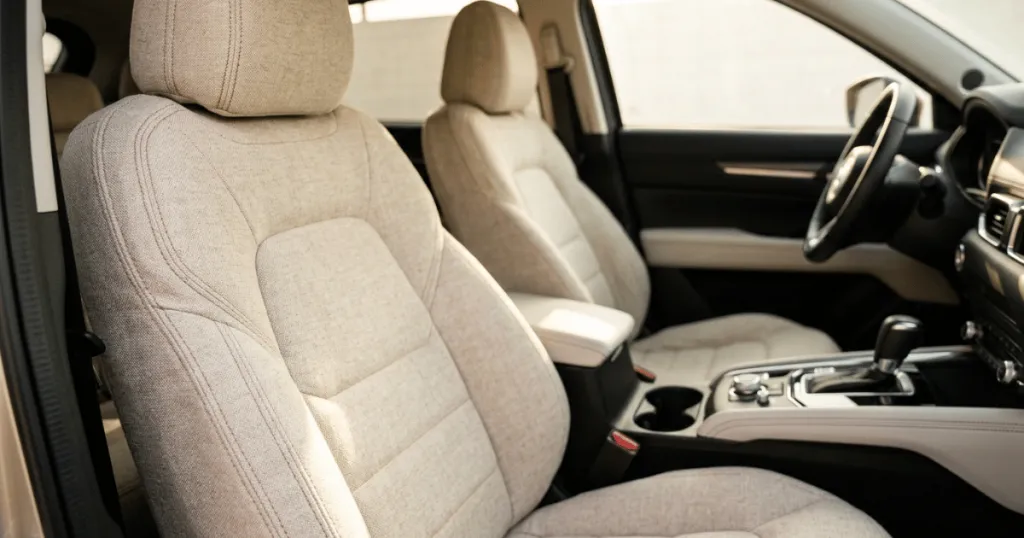
Factors Influencing Material Performance of Cotton Car Seat Covers
Weave Density and Structural Integrity
The durability of a cotton car seat cover is largely determined by the density of the weave. A tight, high-thread-count weave, such as heavy-duty cotton canvas or twill, provides significantly more resistance to tearing and surface abrasion than a loose, lightweight knit. In the context of vehicle seating, where passengers are constantly sliding in and out, a thin fabric will show signs of thinning or pilling much faster than a robust, industrial-weight cotton weave.
When evaluating options, look for specifications regarding the fabric weight or GSM (grams per square meter). A higher GSM indicates a thicker, more substantial material that can better withstand the mechanical stress of daily use. While thinner cotton might feel softer initially, it lacks the structural memory to maintain its shape over the contoured surfaces of modern bucket or bench seats, leading to sagging and premature wear at stress points like the side bolsters.
Moisture Absorption and Drying Dynamics
Cotton is inherently hydrophilic, meaning it readily absorbs moisture. In a vehicle interior, this property serves as a double-edged sword. On the positive side, it helps wick away perspiration, keeping the driver and passengers more comfortable during hot weather. This makes it a preferred material for those who find synthetic, non-porous seat covers to be stifling or prone to causing discomfort during extended periods of sitting.
Conversely, this same absorption capability makes the material vulnerable to spills and environmental humidity. If a beverage is spilled, the liquid will penetrate the fibers rather than beading on the surface. If the moisture is not addressed quickly, it can migrate through to the original upholstery beneath. Furthermore, if a vehicle is left in a humid environment with windows cracked, these covers can hold onto that moisture, which may lead to a musty odor if the interior is not properly ventilated.
Real-World Usage Scenarios
Daily Commuting and Comfort Focus
For the average daily driver, a cotton car seat cover excels in providing a consistent, comfortable seating surface that does not fluctuate wildly in temperature. Unlike faux leather, which can feel icy in the winter and scorching in the summer, cotton maintains a neutral temperature. This makes it an ideal choice for commuters who want to avoid the initial shock of extreme surface temperatures when entering their vehicle after it has been parked for several hours.
The softness of the material also makes it gentle on clothing, preventing the snagging or wear that can sometimes occur with rougher, more abrasive synthetic fabrics. If your primary goal is to enhance the comfort of your existing seats without the “plastic” feel of many aftermarket covers, a high-quality cotton option provides a refined, tactile improvement to the driving experience.
Family and Pet Considerations
Using these covers in a vehicle frequently occupied by children or pets requires a realistic assessment of cleaning capabilities. Because cotton is absorbent, it is not the most forgiving material for families dealing with juice spills, muddy shoes, or pet accidents. While many cotton covers are machine-washable, the effort required to remove, launder, and reinstall them can be a significant deterrent for busy owners.
If you choose to use cotton in these scenarios, prioritize options that are specifically designed for easy removal. Some designs utilize hook-and-loop fasteners or elasticized edges that allow for quick detachment. Even with these features, consider the impact of frequent washing on the fabric’s color and structural integrity. Over time, repeated cycles in a washing machine will cause the fibers to break down, leading to fading and a loss of the original fit and finish.
Maintaining Your Interior Aesthetic
The longevity of your seat covers depends heavily on how you manage the inevitable accumulation of dust and surface debris. Since cotton fibers can trap fine particles, regular vacuuming is essential. Use a soft-bristled brush attachment to gently agitate the surface, which helps lift dust from the weave without damaging the fabric. This simple routine prevents abrasive dirt from being ground into the fibers by the weight of the occupants, which is a common cause of premature thinning.
When it comes to spot cleaning, always act immediately. Blot the spill with a clean, absorbent cloth rather than rubbing, which can push the liquid deeper into the weave. If a cleaning solution is necessary, test it on an inconspicuous area first to ensure it does not cause color bleeding or fabric shrinkage. Most manufacturers recommend mild, pH-neutral soaps, as harsh chemicals can degrade the natural fibers and compromise the colorfastness of the material over time.
Evaluating the Long-Term Value of Natural Fiber Covers
Opting for a cotton car seat cover represents a commitment to tactile comfort and breathability, choosing these qualities over the rugged, low-maintenance nature of synthetic alternatives. Many owners find this trade-off rewarding because the material feels organic and inviting, effectively transforming the vehicle interior into a more comfortable, home-like space rather than a sterile, industrial environment.
However, failing to account for your specific driving habits can lead to disappointment. If you prefer a “set it and forget it” accessory, the maintenance demands of natural fibers may eventually feel like a chore. Conversely, if you appreciate the ability to refresh your interior with a washable, soft-touch surface, the extra care is a small price to pay for the daily comfort provided. Ultimately, the success of this choice relies on aligning your expectations with the inherent properties of the fabric, ensuring that the material serves your specific needs rather than becoming a source of inconvenience.
Advanced Considerations for Natural Fiber Upholstery
Climate Adaptation and Seasonal Use
For drivers living in regions with extreme seasonal shifts, cotton offers a distinct advantage in climate regulation. Unlike synthetic materials that can become brittle in sub-zero temperatures or sticky in high humidity, cotton remains pliable and soft. However, in extremely damp climates, the moisture-retention properties of cotton require proactive management. If you live in a coastal or rainy area, ensure your vehicle interior is well-ventilated to prevent the fibers from retaining moisture, which can lead to mold or mildew growth over time. Using a dehumidifier pack in the vehicle during long periods of storage can help mitigate these risks.
Longevity and Fiber Degradation
Natural cellulose fibers are inherently sensitive to environmental stressors, particularly UV exposure, which can cause colors to fade and fibers to weaken over time. If your vehicle is frequently parked in direct sunlight, the colorfastness of your cotton covers may diminish. To extend the life of your covers, consider using window shades to block direct UV rays from hitting the seats. Additionally, friction-heavy areas, such as the side bolsters where you slide in and out, will naturally experience more wear. Rotating your covers, if the design allows, or choosing a heavier-weight cotton canvas for these high-traffic areas can significantly prolong the lifespan of your investment.
The Role of Weave and Texture in Comfort
The tactile experience of a cotton car seat cover is heavily dictated by its weave. A plain weave is standard and durable, but a twill weave often provides a more sophisticated look and a slightly higher level of abrasion resistance. Some premium options may feature a brushed cotton finish, which mimics the softness of flannel. While incredibly comfortable, these brushed surfaces can be more prone to pilling over time. Balancing your need for a soft, inviting texture against the practical requirement for a smooth, durable surface is a key decision point when selecting your specific cover style.
FAQ
Are cotton car seat covers machine washable?
Many cotton car seat cover options are machine washable, but you should always check the manufacturer’s specific care instructions. Even if the fabric is washable, frequent cycles can lead to shrinkage or color fading, so using cold water and a gentle cycle is usually recommended.
Do cotton covers provide enough protection against spills?
Cotton is an absorbent material and generally offers less protection against liquid spills compared to synthetic, water-resistant fabrics. If you frequently transport liquids or have children, you may need to act quickly to blot up spills before they soak through to the original seat upholstery.
How does cotton compare to synthetic materials in terms of temperature?
Cotton is highly breathable and tends to maintain a more neutral temperature than synthetic materials like vinyl or faux leather. It does not heat up as much in direct sunlight or feel as cold in winter, making it a comfortable choice for year-round use in varying climates.