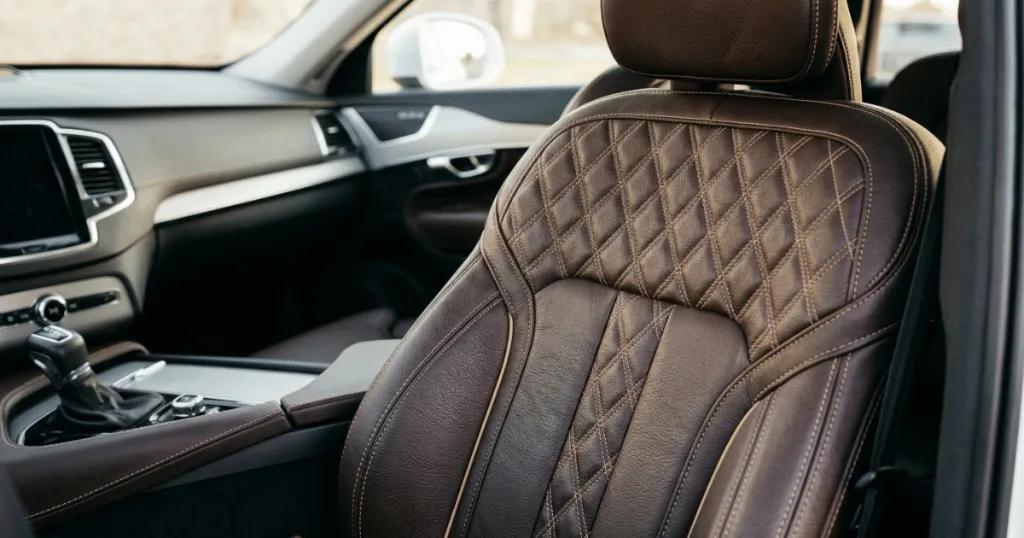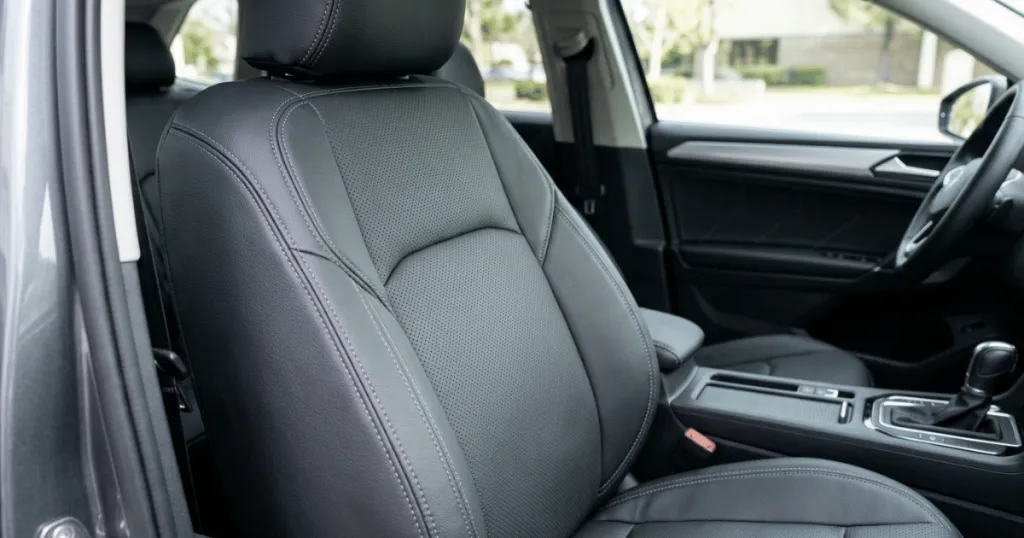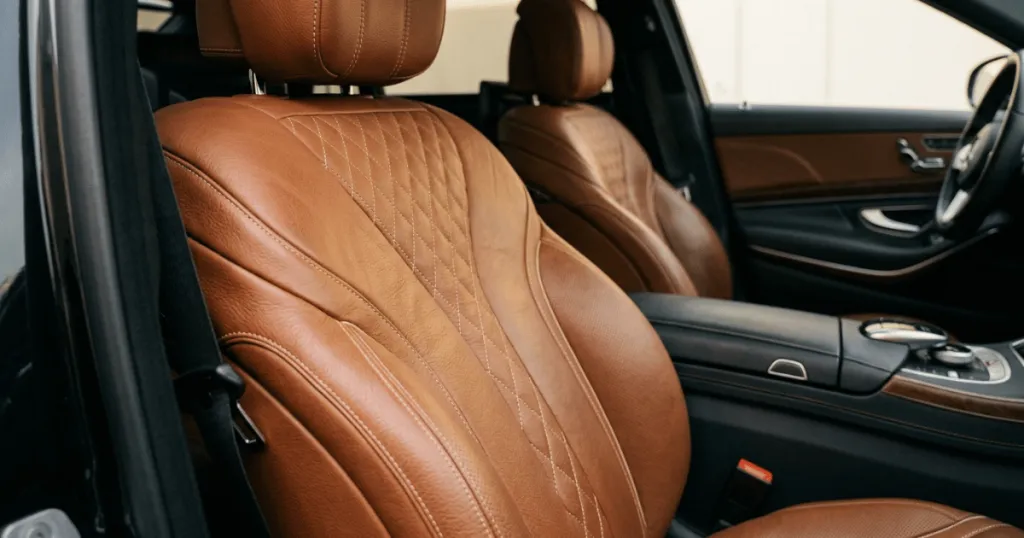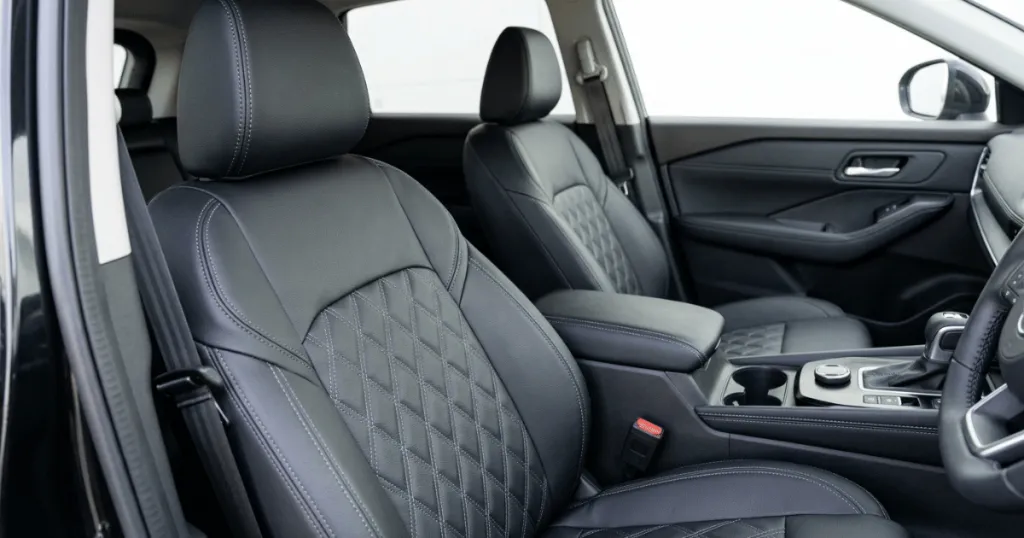
When you are looking for a reliable way to protect your vehicle’s factory upholstery, a polyester car seat cover often stands out as a primary candidate. These covers are engineered to handle the daily friction of entry and exit while providing a consistent barrier against dust, debris, and minor spills. Because polyester is a synthetic fiber known for its resilience, it is frequently chosen by owners who prioritize long-term utility over luxury textures.
Evaluating the suitability of a material for your specific cabin environment requires a focus on how it handles daily use rather than just its initial aesthetic appeal. A polyester car seat cover offers a specific set of performance characteristics that differ significantly from natural fibers or heavy-duty vinyls. By understanding how this material behaves under heat, moisture, and physical wear, you can determine if it aligns with your specific driving habits and vehicle usage patterns.
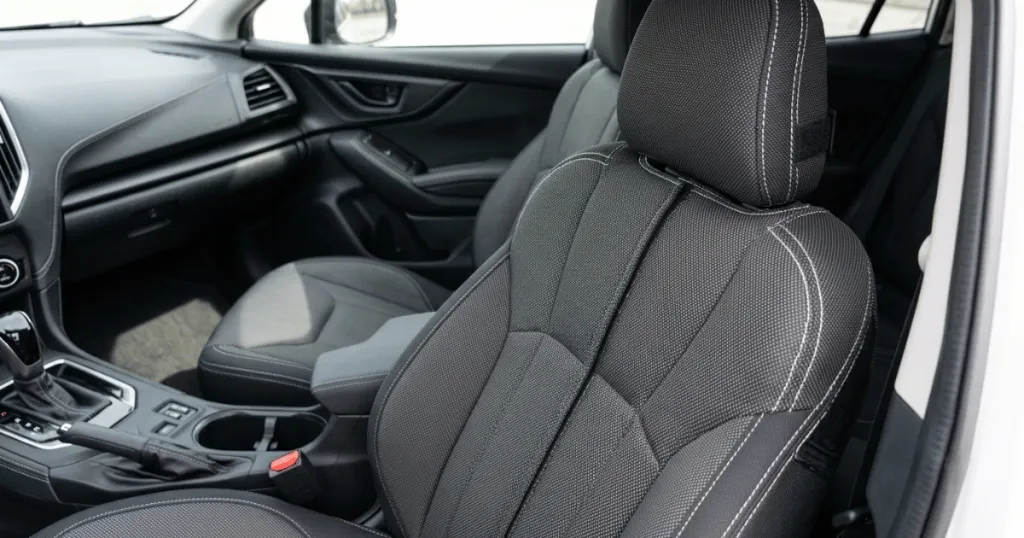
Factors Influencing Material Performance
Resistance to Environmental Stress
Polyester is inherently resistant to many of the environmental stressors that degrade natural fabrics. In a vehicle interior, sunlight is a constant factor; UV rays can cause fading and brittle fibers in less durable materials. High-quality polyester is often treated to resist color fading, which helps the cover maintain its aesthetic appeal even in vehicles parked outdoors for extended periods. This resistance to photo-degradation makes it a stable choice for daily commuters.
Temperature fluctuations also play a role in how a material feels during use. Unlike some vinyl or faux leather options that can become excessively hot in direct summer sun or stiff in freezing winter temperatures, polyester maintains a more neutral surface temperature. This provides a more comfortable seating experience for passengers throughout the year without the need for extensive climate control adjustments before getting in.
Physical Durability and Structural Integrity
The structural strength of polyester comes from its tightly woven synthetic fibers. These fibers are designed to withstand significant tension, which is essential when the cover is stretched over the contours of a bucket or bench seat. Because the material does not stretch out of shape easily, it tends to maintain a snug fit over time, provided it was installed correctly with appropriate anchoring points.
Abrasion resistance is another key factor. Every time a driver slides into the seat, the fabric experiences friction. Polyester is highly effective at resisting pilling and thinning in these high-contact areas, such as the seat bolsters and the center of the cushion. For vehicles used for frequent short trips where entry and exit occur multiple times a day, this durability helps prevent the premature wear that often affects softer, more delicate upholstery fabrics.
Real-World Usage Scenarios
Daily Commuting and Family Transport
For the average daily driver, a polyester car seat cover serves as a protective layer that shields the factory upholstery from direct contact with passengers. In family vehicles, this means protection against the inevitable crumbs, light moisture, and general grime that accompany daily life. Because the fabric is generally non-porous compared to cotton or wool, it does not absorb liquids instantly, giving you a window of time to wipe away spills before they soak into the foam cushion beneath.
Maintenance in these scenarios is straightforward. Most polyester covers can be spot-cleaned with a mild detergent and a damp cloth. Because the material dries relatively quickly, you do not have to worry about lingering moisture causing odors or mildew, which is a common concern with thicker, more absorbent materials. This makes it a practical choice for busy households where time for deep cleaning is limited.
Commercial and High-Frequency Use
In commercial settings or rideshare vehicles, the seat covers are subjected to much higher usage rates than in a personal vehicle. Here, the focus shifts to the ease of cleaning and the ability to withstand constant contact. Polyester holds up well under these conditions because it does not require specialized conditioners or delicate handling. If the cover becomes heavily soiled, many versions are designed to be removed and laundered, allowing for a refreshed interior without the cost of professional detailing services.
The material’s ability to resist snagging is also vital in these high-traffic environments. Whether it is a jacket zipper or a bag strap, polyester is less likely to catch and tear compared to looser weaves or mesh fabrics. This reliability ensures that the interior remains presentable for passengers throughout the workday, supporting a professional appearance for the vehicle owner.
Why Material Choice Impacts Your Interior Longevity
Selecting a polyester car seat cover is ultimately a decision about balancing protection with ease of ownership. Many vehicle owners fall into the trap of prioritizing the softest or most premium-looking material, only to find that it requires constant maintenance or shows wear after just a few months. Polyester sidesteps this by offering a utilitarian approach that focuses on longevity and consistent performance.
When you choose a synthetic material like this, you are effectively shifting the burden of wear away from the vehicle’s original seating. Replacing a set of covers is significantly less complex and less expensive than reupholstering a seat or dealing with permanent stains on factory fabric. By installing a durable layer now, you preserve the underlying condition of your seats, which can be a factor if you eventually decide to sell or trade in the vehicle.
One important consideration is the weave density. A tighter weave generally provides better protection against dust and fine particles, while a looser, textured weave might offer more breathability. Consider your local climate; if you live in a region with high humidity, look for a polyester blend that allows for some airflow to prevent discomfort during long drives. This small detail can significantly improve your daily satisfaction with the product.
Evaluating Synthetic Fabric Characteristics
A frequent misunderstanding is that all synthetic covers are uncomfortable or “plastic-feeling.” Modern manufacturing has evolved to create polyester blends that mimic the texture of traditional upholstery fabrics, providing a soft touch while retaining the durability of synthetic fibers. You do not have to settle for a rough or uncomfortable surface to get the benefits of a protective cover.
Another common point of confusion is the idea that a polyester car seat cover is completely waterproof. While many are water-resistant and will bead up liquids on the surface, they are rarely fully waterproof unless they feature a specific backing or laminate. It is safer to treat the material as spill-resistant rather than spill-proof. If you are dealing with large amounts of liquid, such as heavy rain or significant spills, a quick cleanup is still necessary to ensure the moisture does not seep through the seams or the mounting points.
Finally, some owners worry that synthetic covers will cause excessive sweating. While it is true that non-breathable materials can trap heat, polyester is often used in breathable knit patterns that allow for air circulation. If you are particularly concerned about heat buildup, look for designs that incorporate mesh panels or perforated sections, which help manage airflow without sacrificing the core protective benefits of the polyester material.
Evaluating Weave Patterns and Texture Variations
The performance of a polyester car seat cover is heavily dependent on the specific weave pattern employed by the manufacturer. Not all polyester is created equal; the way the fibers are interlaced dictates the final feel and functional utility. A plain weave, for instance, is often the most durable and resistant to snagging, making it ideal for work trucks or utility vehicles where heavy-duty protection is the priority. Conversely, a jacquard or dobby weave can introduce subtle patterns and a softer hand-feel, which may be preferred for passenger vehicles where aesthetics and comfort are balanced against the need for protection.
Beyond the weave, consider the thickness or denier of the polyester fibers. A higher denier count generally indicates a thicker, more robust thread, which contributes to superior abrasion resistance. When researching options, look for descriptions that mention the weight of the fabric. Heavier fabrics tend to drape better over the seat bolsters and resist bunching, which is a common issue with thinner, lower-quality synthetic covers. This structural stability is essential for maintaining a clean, professional look in the vehicle interior over several years of use.
Strategic Installation for Optimal Performance
The effectiveness of any seat cover is only as good as its installation. Even the most durable polyester material will fail to protect the underlying seat if it shifts, bunches, or leaves gaps. Proper installation involves securing the cover tightly against the seat contours using the provided straps, hooks, or clips. For bucket seats, pay close attention to the transition between the backrest and the cushion; a well-fitted cover should be anchored firmly here to prevent the fabric from pulling loose during ingress and egress.
When installing, it is also important to smooth out the fabric to ensure even tension across the entire surface. Wrinkles in the fabric are not just an aesthetic concern; they can become stress points where the material is more likely to wear thin over time. By taking the time to adjust the tensioning straps correctly, you ensure that the polyester fibers are distributed evenly, maximizing the material’s inherent strength and extending the lifespan of the cover set.
Long-Term Maintenance Strategies
While polyester is celebrated for its low-maintenance nature, it is not entirely immune to the accumulation of grime. Over time, fine dust and skin oils can settle into the weave, potentially dulling the color or affecting the texture. A consistent maintenance routine is the best way to preserve the appearance of your covers. Regular vacuuming with a soft brush attachment is highly recommended to remove loose debris before it has a chance to work its way deeper into the fabric fibers.
For deeper cleaning, avoid harsh chemical cleaners that could strip away any protective coatings or UV-resistant treatments applied during manufacturing. Instead, use a mild, pH-balanced upholstery cleaner or a diluted solution of gentle dish soap. Always test a small, inconspicuous area of the cover first to ensure colorfastness. After cleaning, allow the covers to air dry completely in a well-ventilated area. Avoid using high-heat sources like hair dryers, as excessive heat can cause synthetic fibers to warp or lose their structural integrity.
FAQ
Can I machine wash a polyester car seat cover?
Many polyester car seat cover sets are machine washable, but you must check the specific manufacturer instructions. Always use a gentle cycle with cold water and air dry to prevent the material from shrinking or losing its shape.
Does polyester fade in the sun?
While polyester is more UV-resistant than many natural fibers, prolonged exposure to direct sunlight can still cause some fading over several years. Choosing high-quality, UV-treated covers can significantly extend the color life of your polyester car seat cover.
How do I know if the cover will fit my seats?
Fit depends on whether you choose universal or semi-custom options. Always measure your seat dimensions, specifically the width of the backrest and the depth of the cushion, and compare them against the manufacturer’s size charts to ensure a proper fit.