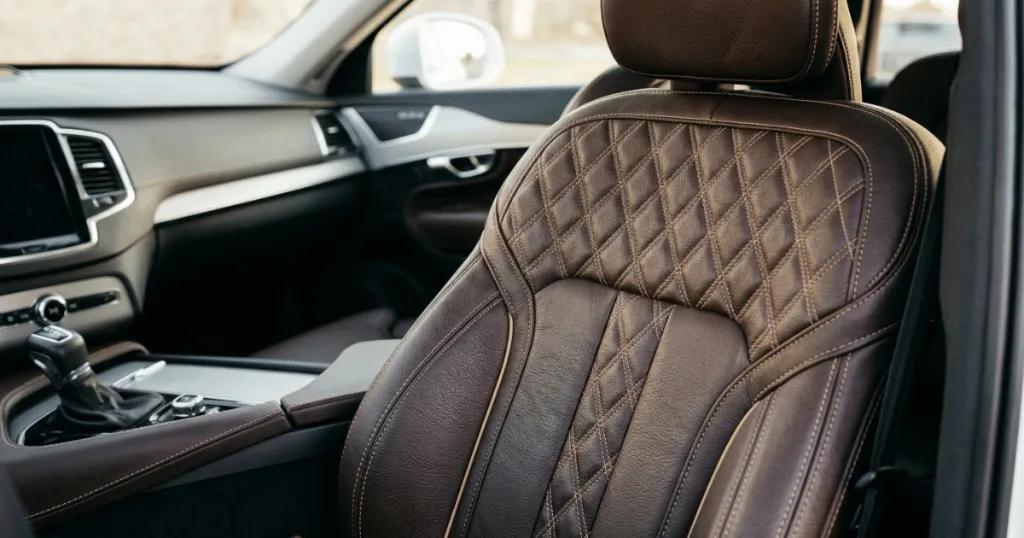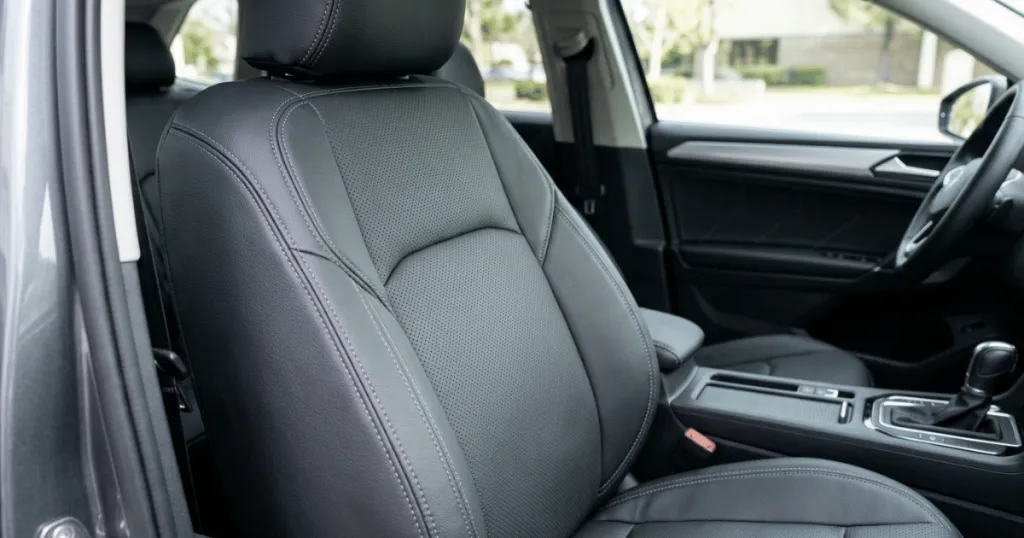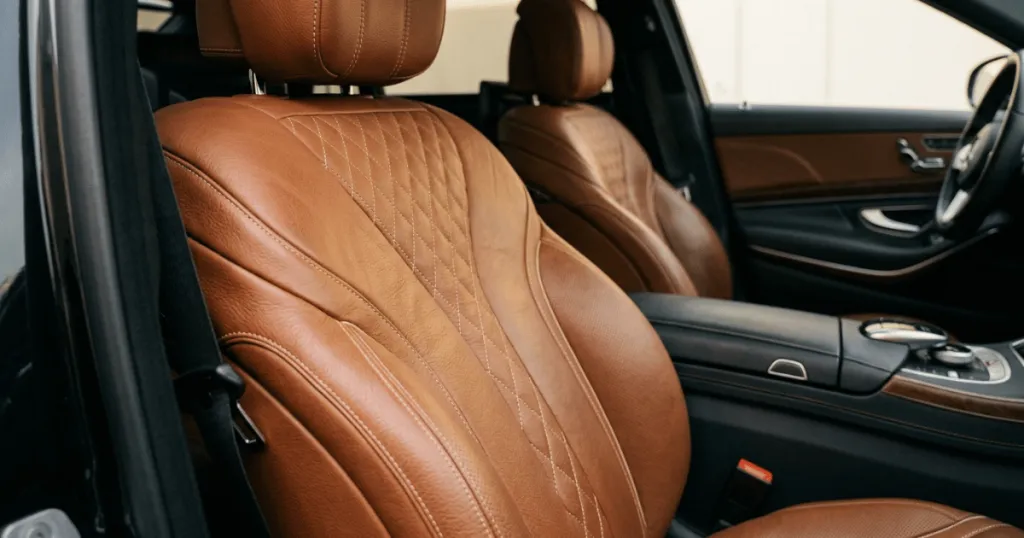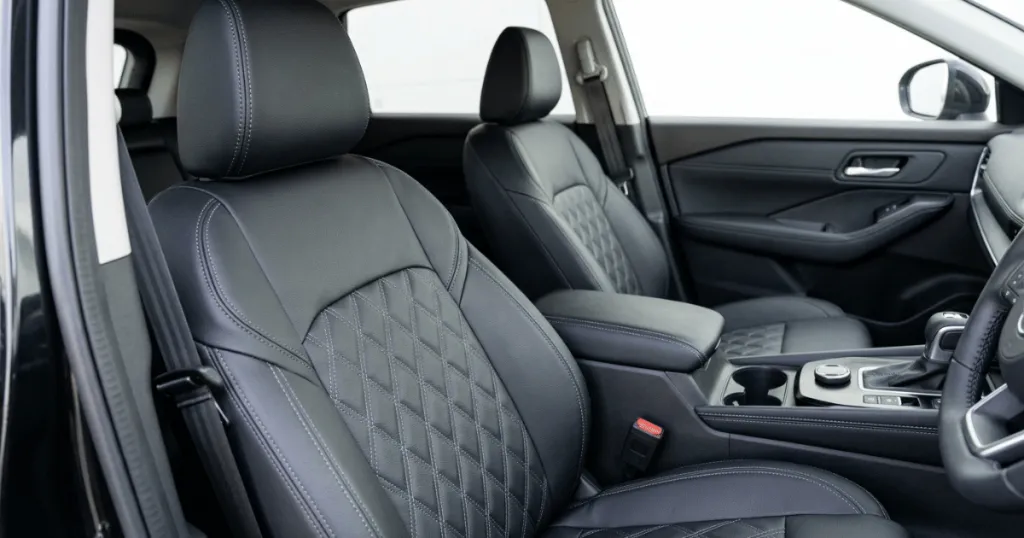
Selecting a cloth car seat cover often comes down to prioritizing comfort and temperature regulation over the sleek, high-gloss finish of synthetic leathers. These covers offer a soft, tactile experience that remains neutral in extreme temperatures, preventing the uncomfortable heat buildup common in vinyl or leather surfaces during summer months. For many drivers, the primary appeal lies in the natural breathability of woven textiles, which helps keep the cabin environment feeling fresh during long commutes or extended road trips.
Beyond immediate comfort, these covers provide a functional layer of protection against daily wear, dust, and minor spills. Because they are generally more forgiving in terms of fit and texture, they integrate well with various vehicle interior styles, from rugged utility trucks to family-oriented sedans. Evaluating how different textile compositions perform under daily stress will help you determine if this material aligns with your specific usage patterns and maintenance expectations.
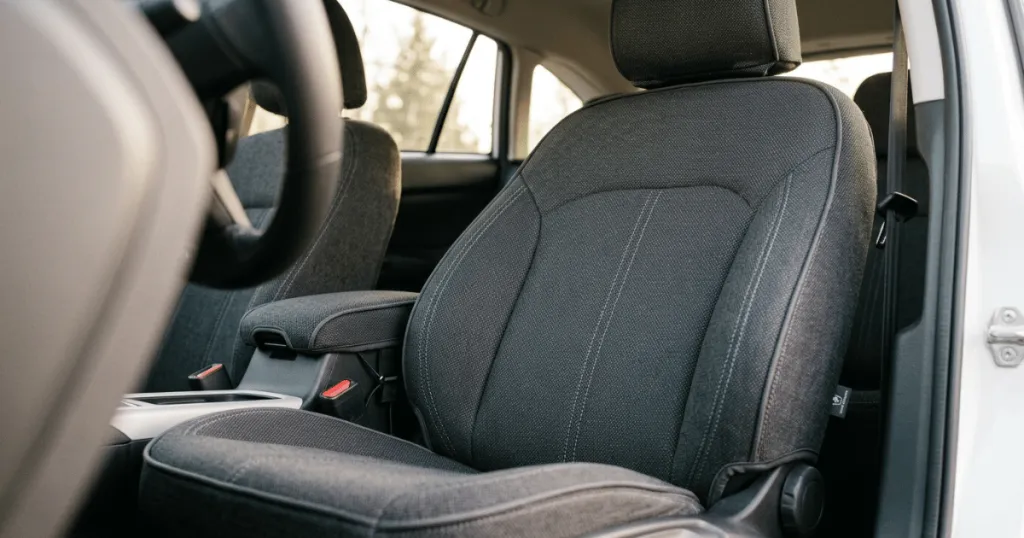
Factors Influencing Performance and Longevity of Cloth Car Seat Covers
The performance of any textile-based interior accessory depends heavily on its weave density, fiber composition, and the specific environment it inhabits. Unlike non-porous materials, cloth relies on its structural integrity to resist abrasion and tearing over time.
Fiber Composition and Durability
Most high-quality options utilize synthetic blends, such as polyester or nylon, which are engineered for high-traffic use. These fibers resist fading from ultraviolet exposure and maintain their shape better than natural fibers like cotton, which can stretch or shrink when exposed to moisture. A tighter, denser weave typically indicates a higher resistance to snagging, which is a common failure point for softer, looser-knit fabrics. When evaluating fiber composition, consider the denier, a measurement of fiber thickness, which often correlates with the overall fabric durability of the cover.
Texture and Breathability
The weave pattern directly impacts how air circulates between the driver and the seat. Open-weave designs or mesh-backed fabrics allow for maximum airflow, making them ideal for warmer climates where moisture management is a priority. Conversely, heavier, brushed fabrics provide a plush, cushioned feel that retains more warmth, which may be preferable in colder regions. The trade-off is that denser, plush fabrics often trap more dust and debris, requiring more frequent vacuuming to keep the surface clean. This thermal regulation is a key benefit of cloth, as it prevents the “sticky” sensation often associated with non-porous materials.
Real-World Usage Scenarios
How you use your vehicle dictates the type of textile that will serve you best. Different lifestyles place unique demands on the upholstery, and choosing the wrong weight or weave can lead to premature degradation.
Daily Commuting and Family Use
For standard daily driving, a mid-weight polyester blend offers an excellent balance of softness and resilience. These covers are designed to withstand the friction of getting in and out of the vehicle multiple times a day. If you have children or frequently transport passengers, look for fabrics that feature a stain-resistant treatment, as these can simplify the process of wiping away accidental spills before they soak into the cushion. The goal here is to maintain the cabin environment without sacrificing the soft touch that makes cloth a preferred choice for long-distance comfort.
Pet Owners and Outdoor Enthusiasts
If your vehicle frequently carries pets or outdoor gear, standard soft-touch cloth may struggle to hold up against claws or debris. In these scenarios, heavy-duty canvas or high-denier cordura-style fabrics are superior. These materials are woven specifically to resist punctures and prevent pet hair from weaving itself into the seat fibers. While they lack the plush feel of velour or soft-knit fabrics, their structural durability makes them the practical choice for high-impact use cases where abrasion resistance is the primary requirement.
Deep Dive into Material Varieties
Beyond standard polyester, the market for cloth covers includes a variety of specialized textiles, each offering unique benefits for the vehicle owner. Assessing these material characteristics allows you to match the fabric properties to your specific climate and usage needs.
Velour and Suede-Style Fabrics
Velour and synthetic suede offer a luxurious, soft-touch feel that is significantly more comfortable than standard woven polyester. These materials are often chosen for their aesthetic appeal and ability to provide a premium look to an interior. However, they are more prone to collecting lint and dust, requiring a more diligent approach to seat maintenance. They are best suited for vehicles that are primarily used for commuting rather than heavy-duty utility work.
Canvas and Heavy-Duty Weaves
Canvas is the workhorse of the cloth category. Its tight, heavy weave provides excellent protection against sharp objects, tools, and heavy gear. While it may feel stiffer than other fabrics, it is exceptionally durable and often treated with water-repellent coatings. This makes it an ideal choice for off-road vehicles or work trucks where the interior is frequently exposed to dirt, mud, and moisture.
Maintaining Your Interior Upholstery
Keeping a cloth car seat cover in good condition requires consistent, low-intensity maintenance rather than occasional deep cleaning. Because these materials are porous, they tend to absorb liquids and odors more readily than synthetic leathers, making prompt action necessary when accidents occur.
Routine Cleaning Procedures
Regular vacuuming is the most effective way to extend the lifespan of your covers. Using a soft-bristle brush attachment helps lift dust and grit from the weave, preventing these particles from acting like sandpaper against the fabric fibers during movement. For surface-level stains, a mild upholstery cleaner applied with a damp cloth is usually sufficient. Always avoid oversaturating the fabric, as excess moisture can penetrate the backing and potentially affect the underlying seat cushion. If the cover is removable, check the manufacturer’s guidance on whether a gentle cycle in a washing machine is appropriate, though air-drying is almost always recommended to prevent shrinkage.
Managing Wear and Tear
Over time, even the most durable fabrics may show signs of pilling or thinning in high-friction areas, such as the side bolsters. Rotating your covers, if the design allows, or simply ensuring they remain taut can minimize this friction. If a specific area begins to fray, address it early by trimming loose threads to prevent them from catching and unraveling the surrounding weave. A well-maintained cloth car seat cover can remain a comfortable, functional part of your vehicle interior for years when treated with these simple, consistent care habits.
Aligning Fabric Characteristics with Your Driving Habits
The decision to install a cloth car seat cover is ultimately about optimizing your driving experience for your specific environment. Unlike rigid materials that may feel cold in winter or sticky in summer, fabric-based covers provide a consistent, predictable texture that enhances comfort. This stability is particularly noticeable during long drives, where the breathability of the material helps regulate body temperature and reduces the need for constant climate control adjustments.
Furthermore, the aesthetic versatility of textiles allows for a personalized interior look that feels less clinical than standard automotive vinyl. Whether you prefer a subtle, muted tone that blends with your factory upholstery or a textured weave that adds depth to the cabin, the variety of available options ensures you can find a balance between form and function. By focusing on the weave, fiber type, and your specific daily demands, you ensure that your investment provides lasting value and a more enjoyable environment for every trip.
Strategic Considerations for Long-Term Use
When selecting a cloth cover, it is helpful to consider the “hand” of the fabric, a term used to describe how the material feels to the touch. A soft hand is usually associated with comfort, while a rougher hand often indicates higher durability. Balancing these two attributes is the secret to a successful purchase. Additionally, consider the color fastness of the material. If your vehicle is frequently parked in direct sunlight, choosing a fabric with UV-resistant properties will prevent the color from fading or the fibers from becoming brittle over time. This proactive approach to material selection ensures that the interior remains visually appealing and functionally sound for the duration of the cover’s service life.
FAQ
Are all cloth car seat covers machine washable?
Not necessarily. While some lightweight fabric covers are designed for machine washing, many others contain foam backing or structural elements that can be damaged by the agitation and heat of a laundry cycle. Always check the manufacturer’s care instructions for your specific cloth car seat cover before attempting to machine wash it.
Do cloth covers provide enough protection against spills?
Standard cloth is porous and will absorb liquids, though many modern options are treated with water-repellent coatings to provide a window of time to blot up spills. If you are concerned about liquid damage, look for covers specifically labeled as water-resistant or those with a laminated backing.
How do I know if a cloth cover will fit my seats?
Fit depends on the seat configuration, such as whether you have bucket seats, integrated headrests, or side-mounted armrests. Always verify the compatibility of the cover design with your specific seat type, as universal cloth car seat cover models are designed to accommodate a range of shapes but may not provide a custom-molded fit for every vehicle.