Managing a commercial vehicle interior requires a shift in priorities compared to personal vehicle care. When you are selecting a fleet car seat cover, the goal is to balance heavy-duty protection with ease of maintenance, ensuring that vehicles remain presentable and comfortable throughout their service life. Whether you are operating a rideshare business, a rental agency, or a service fleet, the seating surface is the most frequently touched component of the interior.
Choosing the correct materials and fitment prevents premature upholstery degradation and reduces the long-term cost of detailing or interior repairs. By focusing on high-traffic durability and simple cleaning protocols, you can maintain a professional environment for passengers and drivers alike without needing constant, labor-intensive interventions.
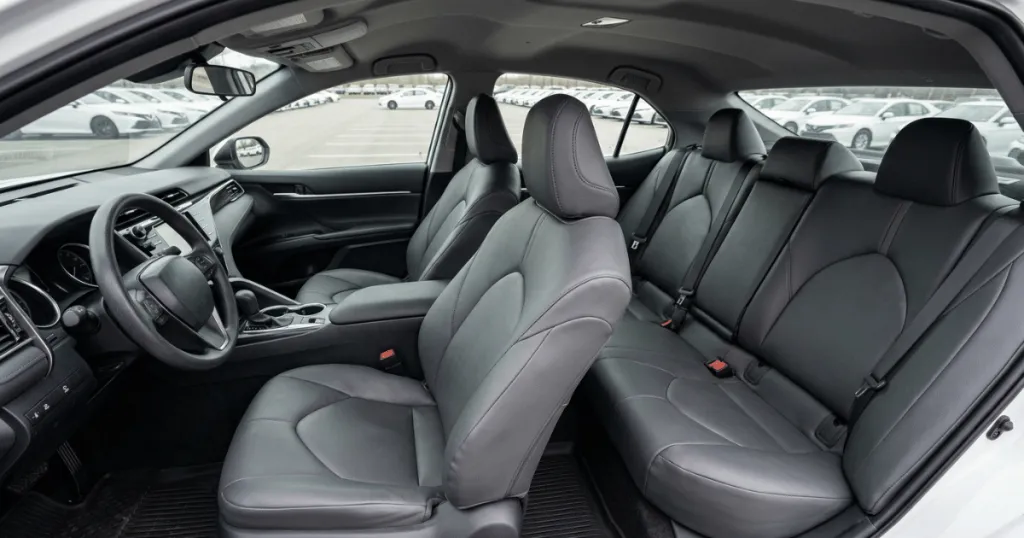
Key Factors for High-Traffic Seating Protection
Selecting a fleet car seat cover involves evaluating how the material handles constant friction, moisture, and potential spills. Because these vehicles are in use for significantly more hours than a standard commuter car, the material must withstand repetitive entry and exit cycles that cause seam stress and fabric thinning.
Abrasion Resistance in Commercial Settings
Commercial vehicles often experience high turnover in occupants, each with different clothing materials like denim, work uniforms, or heavy outerwear. Look for materials with high denier ratings or reinforced synthetic blends that resist fraying. A fleet car seat cover designed for commercial use should feature heavy-duty stitching at the stress points, such as the bolsters and the transition between the seat base and the backrest, to prevent the cover from shifting or tearing under daily load.
Moisture Management and Spill Resistance
In a fleet environment, the ability to quickly wipe down a seat is essential for operational efficiency. Non-porous materials like high-grade vinyl or treated synthetic leather are often preferred because they do not absorb liquid spills or sweat. If the vehicle is used in a climate with high humidity or frequent rain, choosing a water-resistant material prevents the underlying foam padding from becoming a breeding ground for odors or mildew, which is a common issue in high-mileage vehicles.
Real-World Usage Scenarios for Fleet Vehicles
The specific requirements for your seat protection depend heavily on how the vehicle is used. A rideshare vehicle has different needs than a utility van or a delivery truck, and tailoring your choice to these realities will yield better results.
Rideshare and Passenger Transport
For vehicles used in taxi or rideshare services, passenger comfort is as important as durability. You need a material that feels welcoming to the touch but remains easy to sanitize between trips. Smooth, synthetic leather-style covers are often the standard here because they mimic the look of original equipment while offering a surface that can be wiped clean with a mild disinfectant solution. Avoid heavily textured fabrics that trap crumbs or debris, as these require vacuuming that can slow down your cleaning routine.
Utility and Service Fleets
Utility vehicles often face harsher conditions, including mud, grease, and heavy tool belts that can gouge standard upholstery. In these cases, heavy-duty ballistic nylon or canvas-style covers are more appropriate. These materials are built to take significant physical abuse and can often be removed and machine-washed if they become heavily soiled. The focus here is purely on shielding the original seat from permanent damage caused by the nature of the work being performed.
The Strategic Importance of Material Selection
Beyond basic durability, the choice of material dictates the long-term ergonomics of the fleet vehicle. In a commercial context, driver fatigue is a real concern. If a seat cover is too stiff or lacks breathability, it can lead to discomfort during long shifts. Modern commercial-grade covers often incorporate multi-layer construction: a rugged outer shell for protection, a middle layer for structure, and a soft-touch lining to prevent the cover itself from abrading the factory seat fabric. This “sandwich” approach is vital for asset protection, as it ensures that the cover does not inadvertently damage the very upholstery it is meant to preserve.
Installation Precision and Operational Stability
Even the most durable fleet car seat cover will fail prematurely if it is not installed with tension and stability in mind. A loose cover creates friction against the original upholstery every time a driver sits down or shifts, which can lead to accelerated wear on the factory seat fabric underneath. Ensuring a tight, form-fitting installation is critical for protecting the asset you are trying to save.
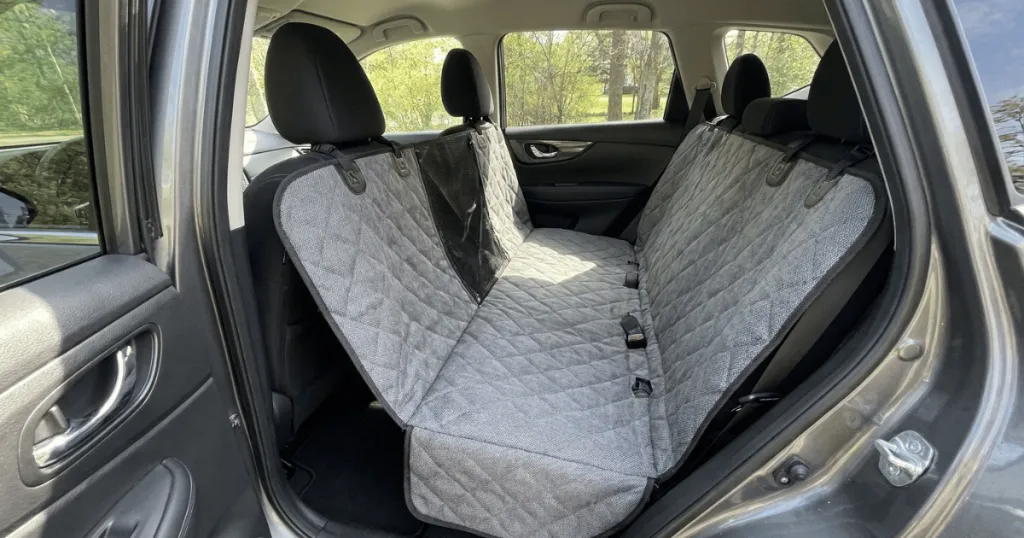
Most commercial-grade covers include a system of straps, hooks, or anchor discs to keep the material taut. In a fleet setting, it is worth spending the extra time during the initial setup to ensure these anchors are properly secured. If the cover moves around, it becomes a distraction for the driver and a potential safety concern. Periodically checking the fitment during routine vehicle maintenance intervals ensures that the cover remains effective throughout its lifespan.
Addressing Maintenance Myths and Realities
A frequent error is assuming that a seat cover is a set-and-forget solution. While they significantly reduce the need for deep cleaning, they still require a basic maintenance schedule to remain effective. Ignoring the accumulation of grit and dirt on the surface of the cover can eventually lead to that abrasive material working its way through the seams and into the seat foam. This is why regular vacuuming, even if the surface looks clean, is part of a sound fleet management strategy.
Another misconception is that thicker materials are always better. While thickness provides a barrier, it can also trap heat, making the vehicle uncomfortable during summer months. For fleet vehicles that operate in hot climates, prioritize breathable synthetic materials or those with integrated ventilation channels. Balancing the protective barrier with the comfort of the driver is necessary to ensure the cover is actually used and not removed by frustrated operators.
Long-Term Asset Protection and Residual Value
When managing a fleet, the residual value of the vehicle at the end of its service life is a key financial metric. Interior condition is one of the most significant factors in determining resale or trade-in value. By utilizing a fleet car seat cover from the first day of service, you are essentially freezing the condition of the original upholstery in time. This proactive approach to upholstery protection prevents the common “commercial wear” patterns, such as bolster collapse and fabric staining, that typically devalue high-mileage vehicles. When the time comes to cycle the vehicle out of the fleet, removing the covers reveals a near-pristine interior, which can significantly enhance the vehicle’s marketability.
Closing Thoughts on Fleet Interior Protection
Investing in a high-quality fleet car seat cover is a practical strategy for maintaining the value of your commercial vehicles. By selecting materials that align with your specific usage, whether that is passenger comfort or heavy-duty site work, you minimize the long-term wear on your vehicle’s interior. A well-chosen, properly installed cover serves as a primary defense, taking on the brunt of daily commercial use so that your original seats remain in pristine condition. Keeping these covers clean and ensuring they remain taut will provide a consistent, professional experience for every occupant while simplifying your overall fleet maintenance routine.
FAQ
How often should I clean a fleet car seat cover?
In high-usage fleet environments, a quick wipe-down with a mild cleaner should be performed daily or between shifts to maintain hygiene. A deeper cleaning or inspection of the anchor points should be done during your regular vehicle maintenance schedule, typically every 3,000 to 5,000 miles.
Can I use a standard seat cover for a commercial fleet vehicle?
While standard covers may fit, they often lack the heavy-duty stitching and abrasion-resistant materials required for the high-frequency entry and exit cycles of a fleet car seat cover. Commercial-grade options are specifically engineered to withstand these higher stress levels.
What is the best material for a rideshare fleet vehicle?
Synthetic leather or high-grade vinyl are generally preferred for rideshare vehicles. These materials provide a professional appearance, are comfortable for passengers, and are significantly easier to sanitize between trips compared to cloth or canvas.