OEM vs Aftermarket Seat Covers: Making the Right Choice for Your Vehicle
Choosing between OEM vs aftermarket seat covers depends on your goals for protection, style, and...
There is no shortage of opinions about car seat covers floating around forums, product reviews, and even casual conversations at the auto parts store. Some of it is solid advice. A surprising amount of it, though, is flat-out wrong. And if you are shopping based on those assumptions, you are setting yourself up for a disappointing purchase.
That is exactly why car seat covers basics deserve a closer look than most people give them. Not the surface-level "just pick one that fits" kind of advice, but a real understanding of how covers actually work, what separates a useful product from a waste of money, and which widely repeated claims do not hold up under any scrutiny at all.
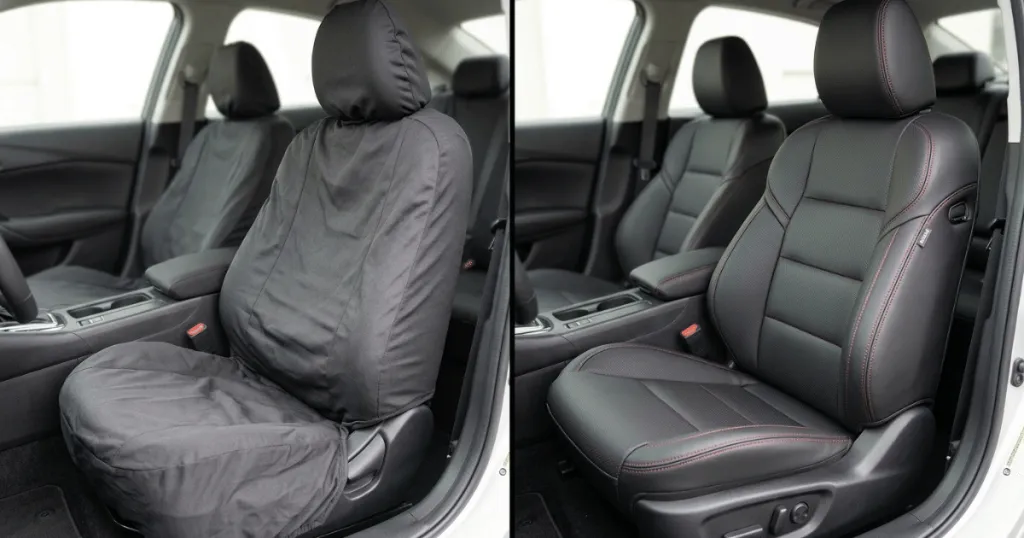
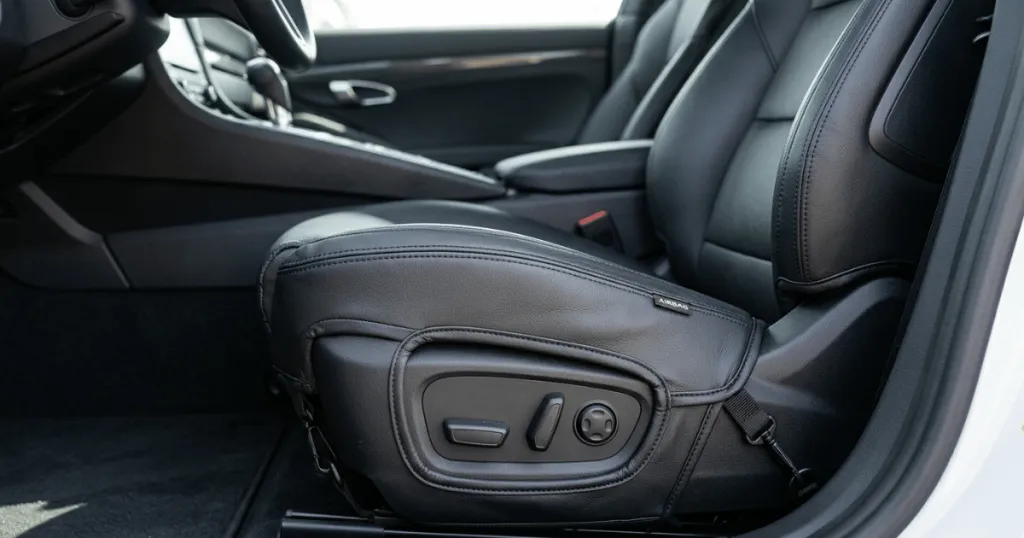
Here is one you have probably heard: "Universal fit covers work on every vehicle." They do not. A universal seat cover is designed to stretch or drape over a general seat shape, which means it fits loosely on most and snugly on almost none. If your vehicle has integrated headrests, side-mounted airbags, or bucket seats with aggressive bolstering (common in newer SUVs and sport sedans), a universal cover may bunch, slip, or interfere with seat functions entirely. Custom and semi-custom options exist specifically because "universal" is more of a marketing convenience than a product reality.
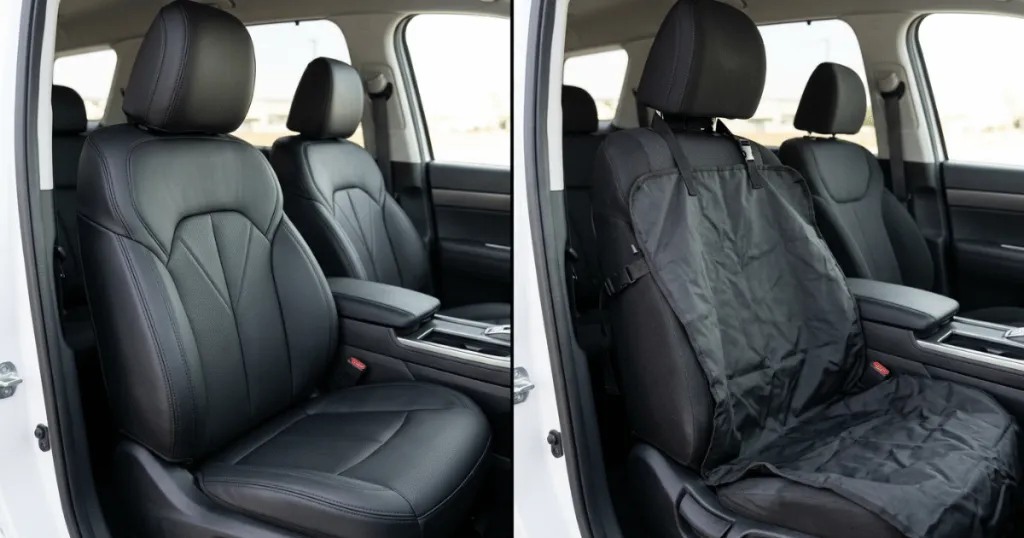
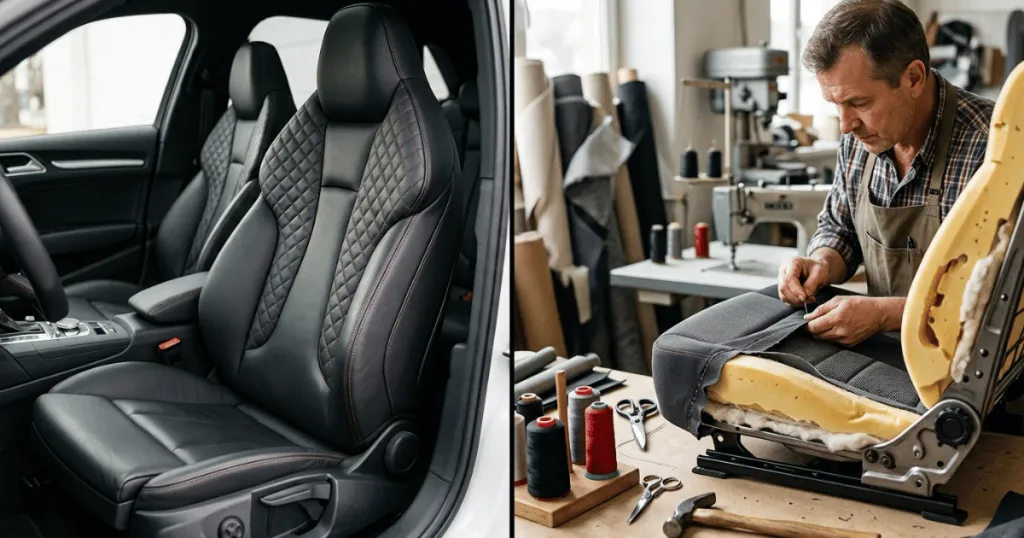
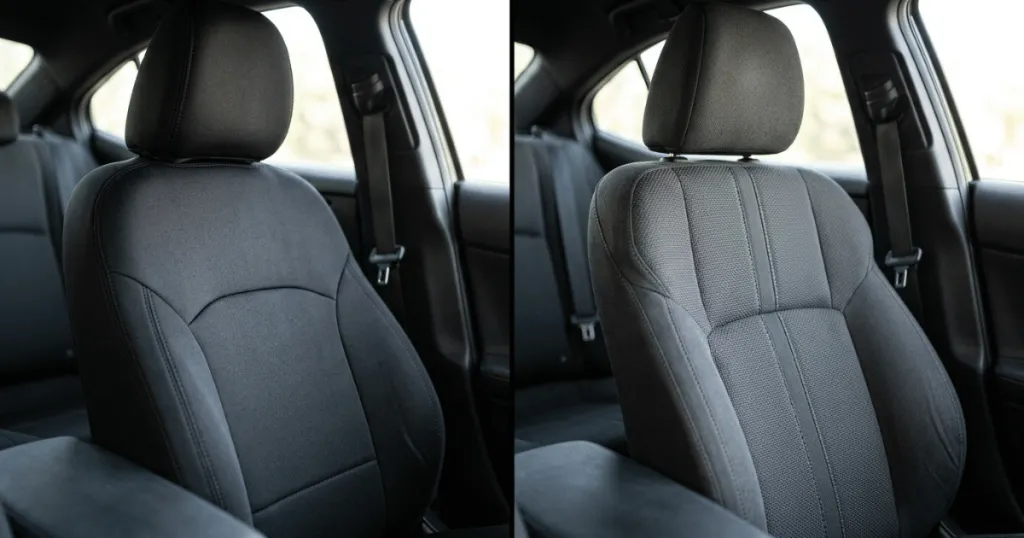
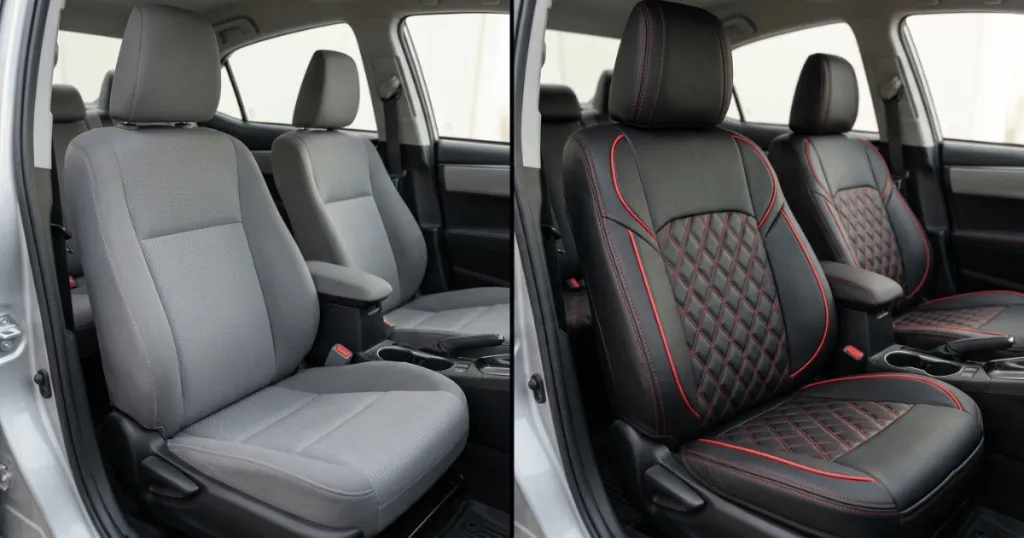
Another persistent myth is that seat covers are purely cosmetic. Somewhere along the way, the idea took hold that covers are just about making an older interior look newer. While appearance is part of the equation, materials like neoprene resist water and UV damage, polyester blends handle pet hair and kid-related messes with minimal effort, and leather or leatherette covers can transform how a cabin feels and even affect resale value. The functional side of seat covers is, for many owners, the entire reason they buy them.
Then there is the installation question. Plenty of first-time buyers assume that putting on a seat cover is a ten-second job: pull it over the seat and go. In reality, proper installation involves tucking material into seat crevices, securing hooks or straps underneath, and sometimes removing headrests. Skipping these steps leads to the exact slipping and bunching that makes people think seat covers "never stay in place." The cover is not the problem. The installation is.
Understanding car seat covers basics also means recognizing that the market is far more segmented than it appears. Covers built for trucks with bench seats have different construction than those made for sedans with split-fold rears. Waterproof covers for outdoor enthusiasts prioritize different material properties than breathable mesh covers aimed at hot-climate commuters. Knowing which segment your needs fall into is the first real step toward a purchase that actually works.
This section of CarSeatCoverio exists to clear up exactly these kinds of misunderstandings. Instead of repeating the same generic advice you can find on any product listing, the guides here dig into what is actually true, what is misleading, and what you genuinely need to know before spending your money. Whether you are replacing worn factory upholstery, protecting a new vehicle's interior, or outfitting a work truck that takes daily abuse, starting with accurate fundamentals changes everything that follows.