The Short Answer: Choose seat covers for a cost-effective, DIY-friendly, and removable way to protect seats or hide minor cosmetic wear. Choose reupholstering if your seat foam is collapsed, the frame is damaged, or you require a factory-perfect restoration for a long-term investment.
When your vehicle’s interior begins to show signs of wear, you are essentially faced with two paths: adding a protective layer or replacing the original material entirely. Choosing between seat covers vs reupholstering depends primarily on your budget, the severity of the damage, and whether you view the vehicle as a long-term investment or a daily utility tool.
For most vehicle owners, seat covers offer a practical, non-permanent solution that addresses cosmetic issues and protects against future damage. Reupholstering, however, is a restorative process that returns the seat to its factory-new state. Understanding the specific trade-offs between these two approaches will help you avoid overspending on a minor cosmetic fix or under-investing in a seat that requires structural repair.
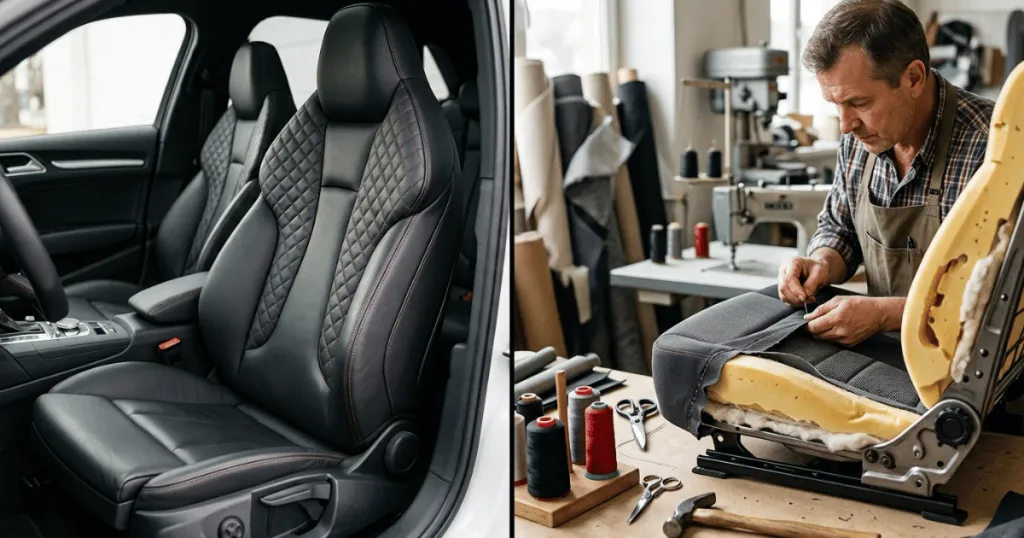
| Feature | Seat Covers | Reupholstering |
|---|---|---|
| Cost | Low to Moderate | High |
| Installation | DIY-friendly | Professional Required |
| Permanence | Removable | Permanent |
| Fit | Varies (Universal vs Custom) | Factory-level precision |
| Time Required | 1-3 hours | Several days |
Understanding the Role of Aftermarket Seat Covers
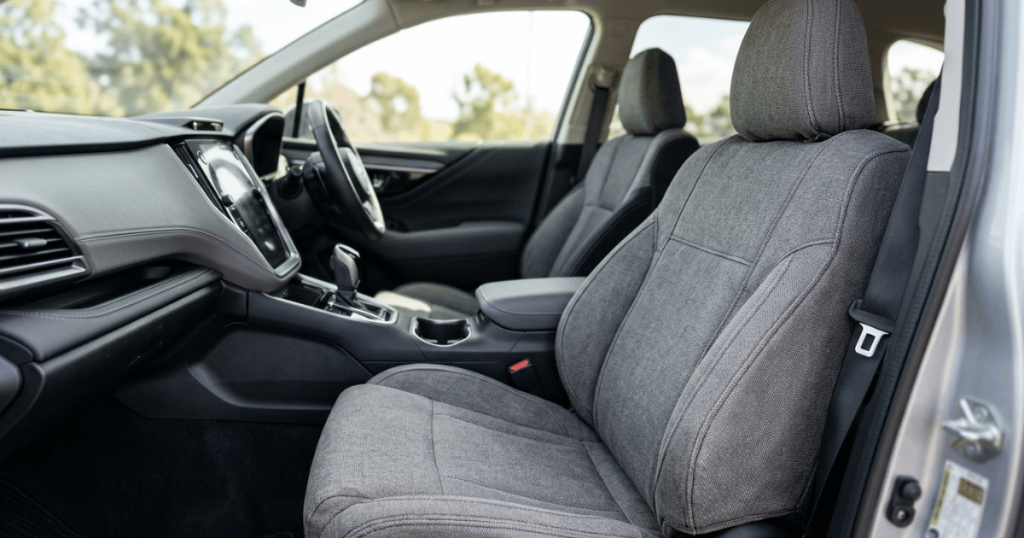
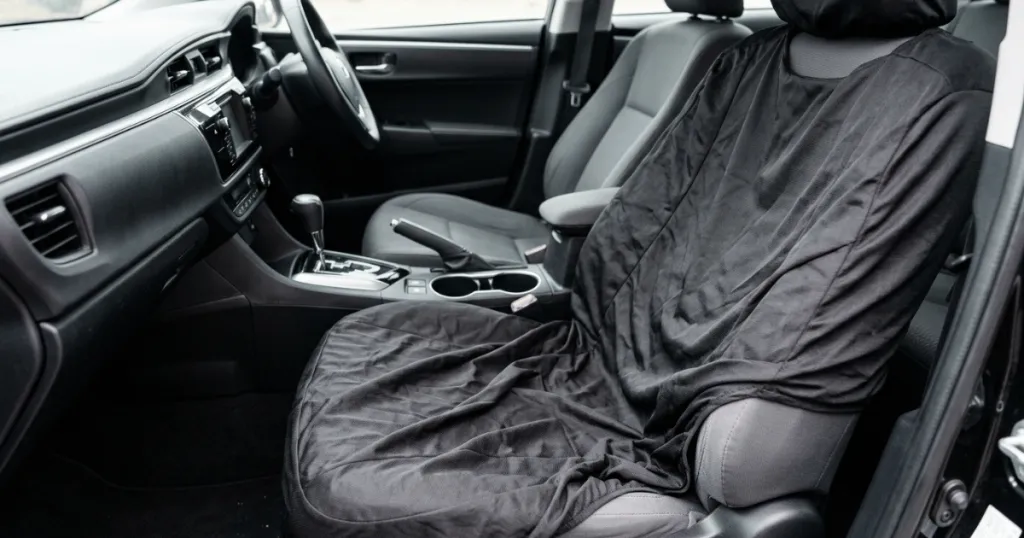
Seat covers function as a protective barrier designed to sit over your existing factory upholstery. They are manufactured in a wide range of materials, including neoprene, faux leather, and heavy-duty canvas, allowing you to tailor the interior to specific needs like pet ownership or frequent outdoor activity.
Benefits of the Cover-Up Approach
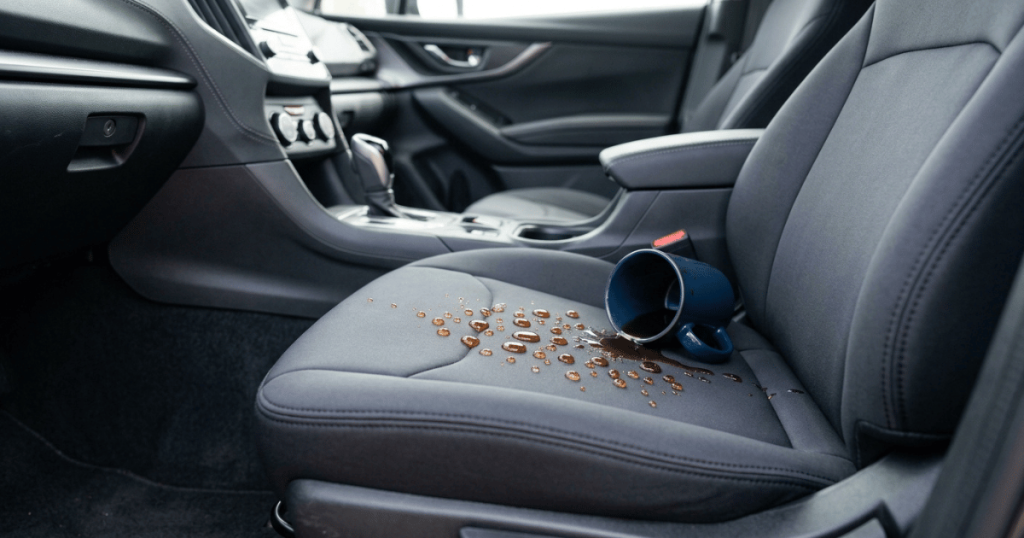
A major benefit of choosing covers is the flexibility to refresh your cabin’s visual style and tactile comfort without modifying the seat’s internal components. If your factory seats are still structurally sound but suffer from surface-level staining or minor fading, covers effectively mask these issues. They also offer a layer of defense against future spills, UV damage, and abrasive wear, which helps preserve the original material underneath for potential resale value.
Limitations and Considerations
Covers are not a structural repair. If your seat foam has collapsed, the springs are broken, or the internal frame is damaged, a cover will not fix these issues. Furthermore, the quality of the fit is entirely dependent on the product type. Universal covers often shift or bunch, while custom-fit options provide a tighter, more professional appearance. You must also account for the time required to properly secure them to ensure they stay in place during daily use.
The Process and Impact of Professional Reupholstering
Reupholstering involves stripping the old, worn material from the seat frame and replacing it with new fabric or leather. This is an intensive process that requires removing the seats from the vehicle, disassembling the upholstery, and often replacing the internal foam padding to restore the seat’s original shape and comfort.
Restoring Factory Standards
This method is the gold standard for vehicle restoration. Because the new material is stretched and secured directly to the seat frame, there is no loose fabric, shifting, or bunching. If you have a classic car or a vehicle you plan to own for another decade, this investment ensures the interior feels exactly as it did when it first left the factory.
The Commitment of Time and Cost
Reupholstering is significantly more expensive than purchasing covers because it involves both high-quality materials and skilled labor. You will likely be without your vehicle for several days while an upholstery shop completes the work. It is a permanent change, meaning you cannot simply remove the new upholstery if you decide you want a different style or color later.
Feature-by-Feature Comparison
Comparing seat covers vs reupholstering reveals distinct differences in how they handle long-term maintenance and daily utility. The most significant factor is the level of effort required to maintain the interior over time.
Maintenance and Durability
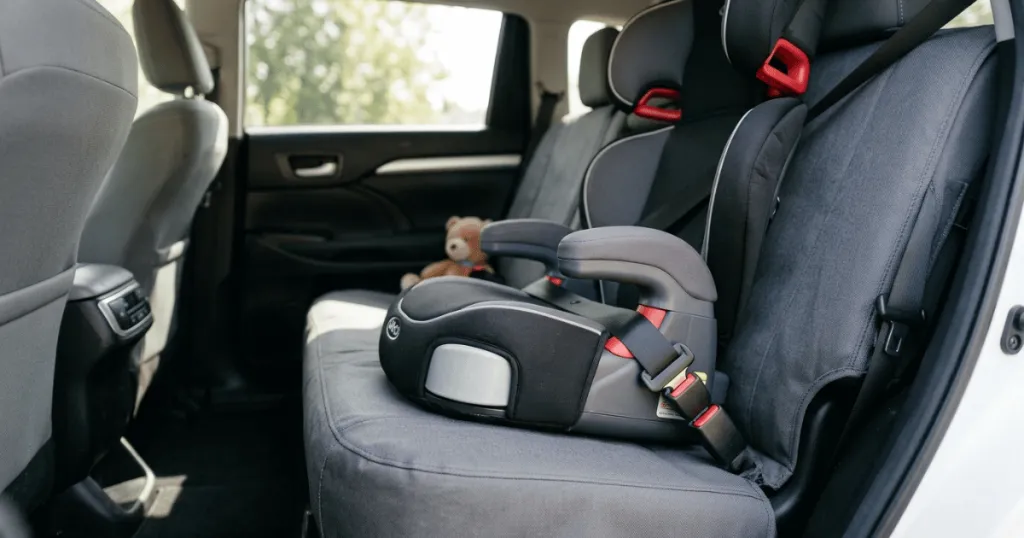
Seat covers are designed to be cleaned or replaced. Many modern covers are machine-washable or can be wiped down with a damp cloth, making them ideal for high-traffic environments like rideshare vehicles or cars used by families with children. In contrast, reupholstered seats require the same care as original factory interiors, often necessitating specialized leather cleaners or fabric treatments to prevent cracking and staining.
Fit and Aesthetics
Reupholstering provides an unmatched, seamless fit. Because the material is tailored to the specific contours of your seat, it conforms perfectly to every curve. Seat covers, even high-end custom-fit versions, occasionally show slight gaps or wrinkles, especially around headrests or complex side bolsters. If your goal is a showroom-quality aesthetic, reupholstering is the only way to achieve it.
Installation Complexity
Most seat cover installation tasks can be completed in an afternoon by a DIY enthusiast. The process usually involves securing straps, hooks, and clips beneath the seat. Reupholstering, by comparison, is rarely a DIY task. It requires industrial-grade sewing machines, hog ring pliers, and a deep understanding of seat assembly. Attempting to reupholster a seat without the proper tools often results in loose fabric, uneven stitching, and potential damage to the seat frame.
Selecting the Best Path for Your Vehicle
Choosing between these two options depends on your specific goals for the vehicle. If you are looking for a quick, cost-effective way to protect your seats or hide minor cosmetic damage, seat covers are the logical choice.
When to Choose Seat Covers
If your vehicle is a daily driver used for commuting, transporting pets, or outdoor recreation, covers provide the necessary protection to keep the interior clean. They are also the best option if you are working with a limited budget or if you want the flexibility to change your interior style in the future. They function as a durable outer shell that absorbs daily wear, keeping your factory upholstery shielded from direct contact.
When to Choose Reupholstering
Reupholstering is the right decision if your seats are structurally compromised or if you are restoring a vehicle where factory-original aesthetics are the primary goal. If the seat foam has lost its density and shape, causing you to feel the frame while driving, no amount of covering will solve the comfort issue. In this case, the cost of professional upholstery is justified by the return of comfort and the long-term value added to the vehicle.
Evaluating Long-Term Interior Health
When weighing your options, it is helpful to look at the vehicle interior as a multi-layered system. The seat frame provides the skeleton, the seat foam provides the cushioning, and the factory upholstery provides the skin. Seat covers interact only with the skin, whereas reupholstering addresses the skin and often the cushioning.
If you are noticing that your seat feels “bottomed out” or if you can feel the metal frame through the cushion, you are dealing with a seat foam restoration issue. In such cases, a cover will only mask the visual aspect of the problem while the physical discomfort remains. Reupholstering allows for the replacement of this foam, which is a critical step in maintaining the ergonomic health of your driving position.
The Role of Custom Seat Covers in Modern Interiors
Custom seat covers have evolved significantly, bridging the gap between generic “universal” products and full reupholstery. High-quality custom options are now designed using 3D scanning technology to match the specific contours of your vehicle’s seats, including bolsters and headrests. This precision reduces the “baggy” look often associated with older cover designs. For many owners, this provides a “near-reupholstery” look at a fraction of the cost. If your primary goal is to change the aesthetic, perhaps moving from a worn fabric to a premium faux leather look, custom covers can achieve this transformation in a single afternoon without the permanence of a professional shop visit.
Environmental and Sustainability Considerations
From a sustainability perspective, seat covers offer a way to extend the lifecycle of your existing interior, preventing the waste associated with discarding old upholstery materials. By choosing durable, high-quality covers, you can keep your vehicle’s interior looking fresh for years, delaying the need for a full replacement. Conversely, reupholstering is a more resource-intensive process that involves the disposal of old materials and the sourcing of new ones. If your goal is to minimize your environmental footprint while maintaining a clean, functional cabin, a high-quality set of seat covers is often the more sustainable choice.
Seat Covers vs Reupholstering: The Deciding Factor
The final decision between seat covers vs reupholstering often comes down to the condition of the seat foam and your long-term ownership plan. A common mistake many owners make is attempting to cover a seat that has already lost its structural integrity. If you can feel the seat frame or if the foam is crumbling, a cover will only provide a temporary aesthetic fix while the underlying comfort continues to degrade.
If your seats are structurally sound but visually tired, seat covers are a highly effective and economical solution. They allow you to refresh the cabin’s look and add protective features like water resistance or enhanced breathability without the high cost of professional labor. For most drivers, this is the most practical path forward.
However, if you are committed to the vehicle for the long haul and the current upholstery is beyond repair, reupholstering is the superior choice. It addresses the root cause of the wear and restores the seat to its original, factory-grade comfort. Before committing to either, inspect your seat foam and frame carefully; if the structure is solid, start with high-quality seat covers. If the structure is failing, budget for professional reupholstering to ensure your driving comfort is fully restored.
FAQ
Can seat covers hide damaged seat foam?
Seat covers can mask the appearance of damaged foam, but they cannot restore the lost support or comfort. If your seat foam is crumbling or collapsed, seat covers will not provide a long-term solution, and reupholstering is usually necessary.
Is reupholstering always more expensive than seat covers?
Yes, reupholstering is significantly more expensive because it involves professional labor, seat removal, and the replacement of internal components. Seat covers are a DIY-friendly, lower-cost alternative.
Can I install seat covers on a seat that has been reupholstered?
Yes, you can use seat covers on reupholstered seats to protect the new material from wear, spills, or UV damage, effectively extending the life of your investment.