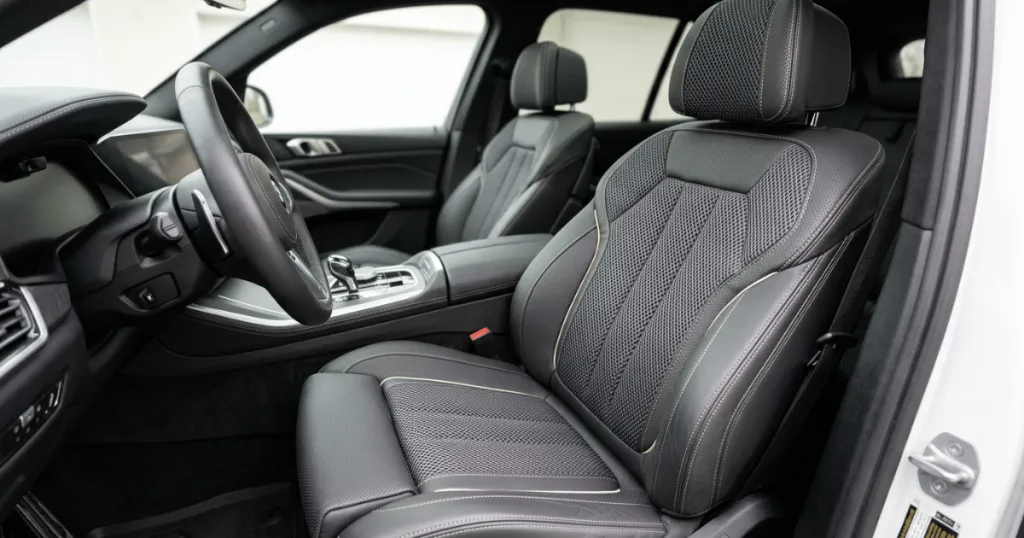
How a Ventilated Car Seat Cover Affects Your Daily Commute
Discover how a ventilated car seat cover helps regulate temperature and airflow during long drives,...
Picture this. You've just installed a new set of seat covers on your sedan. They looked great in the listing photos, the reviews were solid, and the price felt right. Two weeks later, your lower back aches after every commute, your legs stick to the fabric in afternoon heat, and the side bolster padding has already compressed into a flat, useless layer. The covers technically "fit," but nothing about them is comfortable.
That scenario plays out constantly because most buyers focus on protection and appearance while treating car seat cover features and comfort as secondary. The problem isn't caring too much about looks. It's that comfort-related features (padding density, ventilation design, fabric texture against skin, lumbar contouring) rarely get the same scrutiny as color options or waterproof ratings. And once a cover is installed and you're living with it for 45 minutes each way to work, those overlooked details become the only thing you notice.
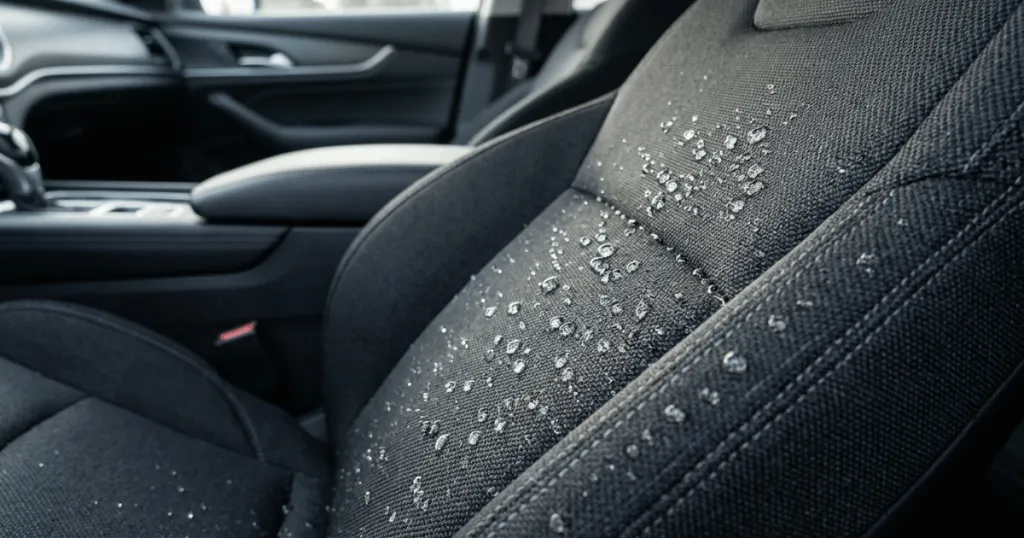
Real-world comfort depends on specifics that don't always translate from product descriptions. A "breathable mesh panel," for example, sounds universally good. But placement matters enormously. Mesh along the center back panel works well for airflow. Mesh on the seat base where your thighs press down can create pressure points and textural discomfort, especially in shorts during summer. Similarly, "memory foam padding" gets marketed as a premium upgrade across the board. In practice, thick memory foam layers trap heat significantly more than standard polyester fill, which makes them excellent for cold-climate winter driving and genuinely unpleasant for anyone parking outdoors in Phoenix or Houston from May through September.
Car seat cover features and comfort also interact with your specific vehicle in ways that generic reviews can't predict. A heavily bolstered sport seat in a Mazda3 or WRX responds differently to an added cover layer than a flat bench seat in a Ram 1500. Covers with integrated lumbar support pads can feel redundant and overly firm on seats that already have built-in lumbar adjustment, while those same covers transform a basic flat-backed fleet seat into something far more tolerable for long shifts.
Then there's the durability side of comfort. Features that feel great on day one don't always hold up. Gel-infused cushion layers tend to firm up after a few months of daily compression. Suede-touch microfiber feels soft initially but can pill and roughen in high-friction zones faster than smooth neoprene. Understanding how each car seat cover feature performs over six months of real use, not just out of the box, is what separates a genuinely comfortable setup from one that disappoints gradually.
The articles in this section break down individual comfort features with that kind of specificity, so you're choosing based on how things actually perform in your car, your climate, and your driving routine.