Protecting your vehicle’s factory upholstery often comes down to managing the inevitable spills and debris that accompany daily driving. A stain resistant car seat cover serves as a primary barrier against liquids, food particles, and tracked-in grime, helping to preserve the underlying seat condition. For many owners, the goal is to find a balance between functional protection and the aesthetic look of their vehicle interior.
Selecting the right material and design ensures that your seat protection remains effective without compromising your comfort or the overall style of your cabin. By focusing on how different materials handle moisture and debris, you can make an informed choice that aligns with your specific driving habits and passenger needs.
Factors Influencing Stain Resistance and Surface Protection
The effectiveness of a protective cover is determined by its surface composition and how it interacts with common contaminants. Not all fabrics labeled as resistant offer the same level of defense against deep-set stains or liquid penetration.
Synthetic Materials and Polymer Coatings
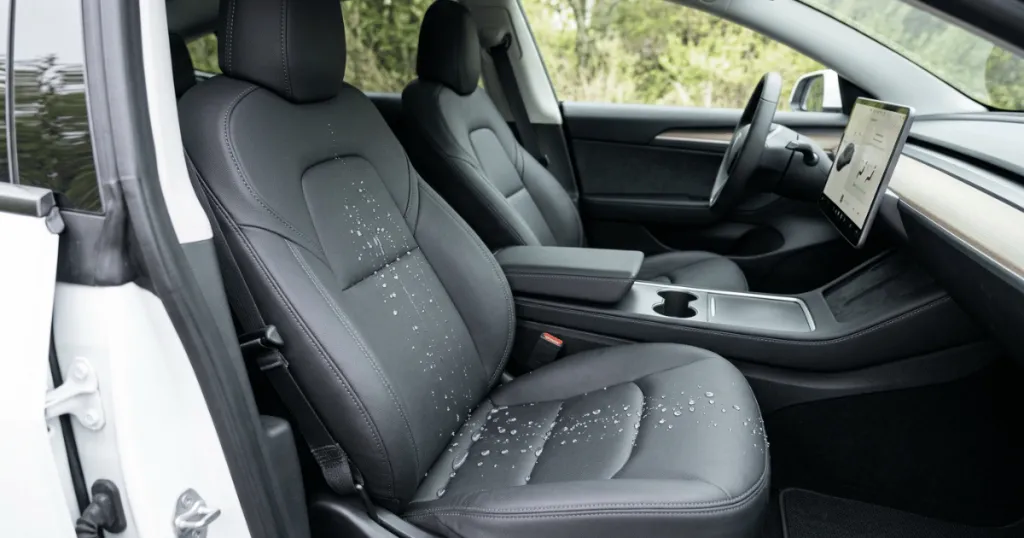
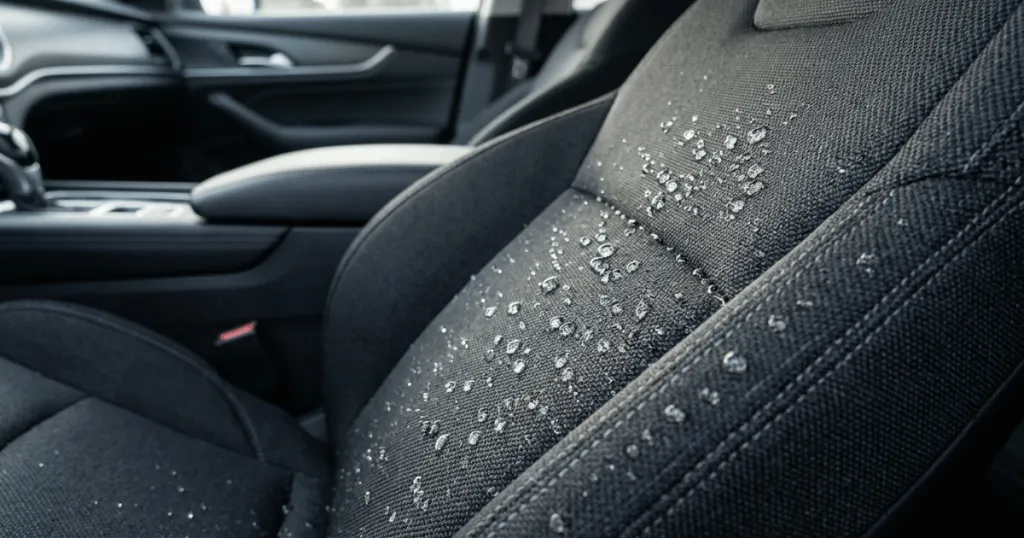
Many modern seat covers utilize synthetic fibers like polyester or nylon treated with specialized chemical finishes. These coatings create a hydrophobic barrier that causes liquids to bead up on the surface rather than soaking into the weave. In practice, this means that a spilled coffee or water bottle can often be wiped away immediately before it has a chance to penetrate the fabric backing. It is important to note that the effectiveness of these coatings relies on the integrity of the surface; once the chemical finish begins to degrade, the fabric may become more susceptible to absorbing liquids.
Non-Porous Materials Like Faux Leather
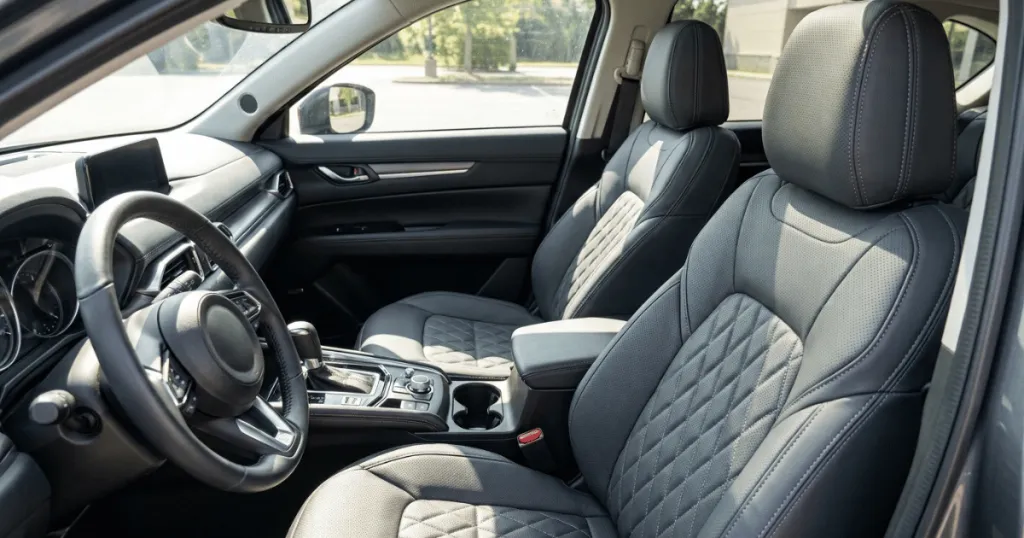
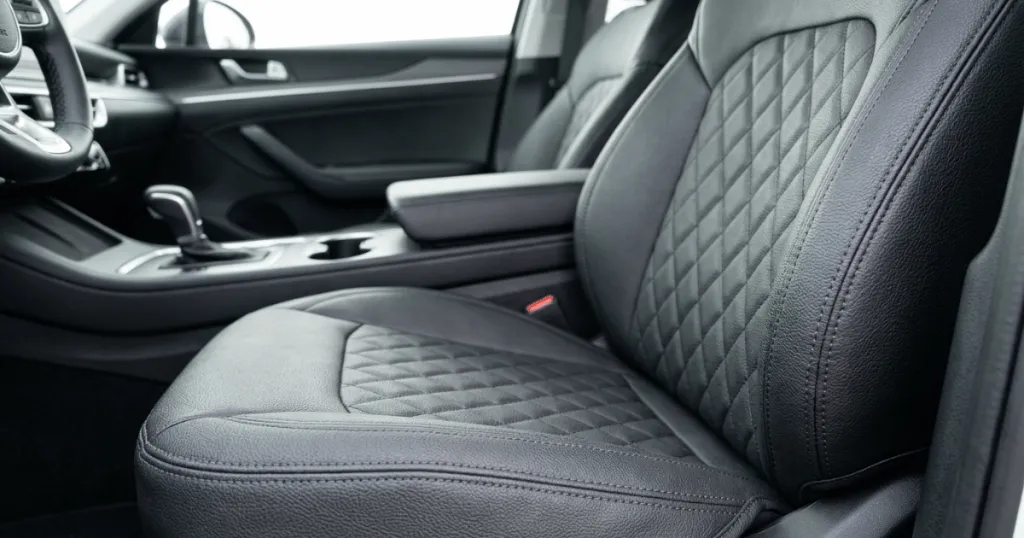
Faux leather, or polyurethane (PU) leather, provides a different mechanism for stain resistance. Because the material is non-porous, it does not absorb liquids at all. This makes it a highly effective choice for environments where spills are frequent, such as vehicles used for rideshare or by families with young children. While the material itself resists staining, care must be taken to clean the seams, where liquids can potentially seep if left standing for too long. Unlike fabric, faux leather does not require a DWR finish to remain effective, making it a lower-maintenance option for long-term interior longevity.
Neoprene and Closed-Cell Structures
Neoprene is a synthetic rubber often used in high-performance seat covers because of its closed-cell structure. This material is inherently waterproof, meaning it prevents moisture from reaching the seat foam underneath. It is particularly useful for outdoor enthusiasts or those who frequently transport wet gear, as the material resists both water-based stains and the absorption of odors that can lead to long-term interior issues. Because it is a rubber-based material, it is also highly resistant to the types of deep-set stains that often plague traditional woven fabrics.
Real-World Scenarios for Protective Seating
Different driving environments require specific approaches to interior protection. A cover that works well for a daily commuter may not be sufficient for someone who frequently transports pets or works in industrial trades.
Managing Pet Hair and Mud
When pets are regular passengers, the primary concern is often the combination of mud and shedding. A stain resistant car seat cover made from heavy-duty canvas or high-denier polyester is usually the most effective choice here. These materials are durable enough to withstand sharp claws while allowing for easy vacuuming and spot cleaning of dried mud. The key is choosing a finish that does not have a deep texture, which can trap dirt and make cleaning more labor-intensive. Smooth-weave fabrics are generally superior for pet owners because they prevent hair from weaving into the fibers.
The Demands of Rideshare and Commercial Use
For vehicles used in commercial or rideshare capacities, the turnover of passengers increases the likelihood of accidental spills. In these scenarios, smooth, easy-to-wipe materials like vinyl or high-quality faux leather are preferred. These surfaces allow for rapid sanitization between trips, keeping the cabin ready for the next passenger without needing a deep-clean cycle every day. The lack of a complex fabric weave means that sanitizing agents can be applied and wiped away without leaving residues that might attract more dirt later.
Off-Road and Recreational Use
Off-road driving often introduces fine dust and moisture into the cabin. Here, the focus shifts toward materials that can handle repeated washing or heavy scrubbing. Neoprene or specialized waterproof fabric covers are ideal because they can be wiped down with a damp cloth or, in some cases, removed for a more thorough cleaning when the vehicle returns from a trip. The ability to withstand abrasive dust particles is critical here; look for materials that are rated for high-frequency cleaning without losing their color or structural integrity.
Preserving Interior Value Through Surface Defense
Keeping original upholstery in top shape is a strategic way to protect the long-term resale value and aesthetic appeal of a vehicle. Over time, UV exposure, friction from entering and exiting the vehicle, and accidental spills can cause irreversible damage to factory fabrics and leathers. A high-quality cover acts as a sacrificial layer that takes the brunt of this daily abuse.
Beyond simple cleanliness, using a protective cover helps maintain the structural integrity of the seat foam. When liquids penetrate the surface of a seat, they can degrade the foam underneath, leading to sagging or unpleasant odors that are difficult to remove. By catching these spills at the surface, you prevent them from becoming deep-seated issues that might require professional upholstery cleaning or even seat replacement.
Furthermore, the visual appeal of a vehicle is directly tied to the condition of its interior. A well-maintained cabin, free from permanent stains and wear marks, contributes to a more pleasant driving experience. Choosing a stain resistant car seat cover is a practical way to protect your seats, allowing you to use your vehicle daily without the constant worry of accidental damage.
Clarifying Expectations for Material Performance
A frequent error is assuming that “waterproof” is synonymous with “stain-proof.” While a waterproof material prevents liquid from reaching the seat, it does not necessarily prevent surface staining from substances like ink, oils, or certain food dyes. Some waterproof materials can actually be more difficult to clean if a stain does set, as the surface may be textured or prone to holding onto pigments.
Another common mistake is believing that thicker material always equals better protection. In reality, the density of the weave and the quality of the protective finish are more important than the thickness of the fabric. A very thick, loosely woven fabric might actually allow liquids to pass through the gaps between threads, whereas a thinner, tightly woven synthetic fabric with a high-quality DWR (Durable Water Repellent) finish will perform much better at repelling spills.
Finally, many owners assume that once a cover is installed, they can ignore the seats entirely. Even the most effective stain resistant car seat cover requires regular maintenance. Dust and debris can act as an abrasive over time, grinding into the cover’s surface and eventually wearing down the protective finish. Periodic vacuuming and wiping down the surface with a mild cleaner are essential to keep the protective properties active over the life of the product.
Strategic Selection for Long-Term Interior Care
When evaluating options, consider the specific climate and usage patterns of your vehicle. In high-heat environments, breathable materials with stain-resistant treatments are often more comfortable than non-porous vinyl, which can become sticky during the summer months. Conversely, in damp or snowy climates, the priority should be moisture-wicking properties combined with a robust barrier to prevent mold and mildew growth within the seat cushion.
Installation fit also plays a role in stain resistance. A cover that fits loosely may shift during use, creating folds where dirt and liquids can accumulate. Opting for a tailored or semi-custom fit ensures that the surface remains taut, which makes wiping away spills significantly easier and prevents contaminants from pooling in the crevices of the seat. By prioritizing a snug fit, you ensure that the protective properties of the material are fully utilized across the entire seating surface.
Ultimately, the decision to install a cover should be viewed as a proactive step in car interior maintenance. By selecting a material that aligns with your lifestyle, whether that involves heavy-duty off-roading or simple daily commuting, you create a reliable defense against the inevitable wear and tear of vehicle ownership. Regular inspection of the cover’s surface and prompt attention to spills will ensure that your investment continues to provide value for years to come.
FAQ
Can I machine wash a stain resistant car seat cover?
Most covers are not machine washable because the agitation can damage the protective coating or the structural backing. Always check the manufacturer’s care instructions, but generally, spot cleaning with a damp cloth and mild soap is the recommended way to maintain a stain resistant car seat cover.
Does a stain resistant finish wear off over time?
Yes, the chemical treatments used to make a fabric stain resistant can degrade due to friction, UV exposure, and frequent cleaning. You may need to reapply a fabric protector spray periodically to maintain the same level of performance as when the cover was new.
Are all waterproof covers also stain resistant?
While waterproof covers prevent liquid from soaking into the seat, they are not automatically stain resistant. Some materials may repel water but still allow oils or pigments to leave a mark on the surface, so look for covers that specifically mention stain-repellent finishes.