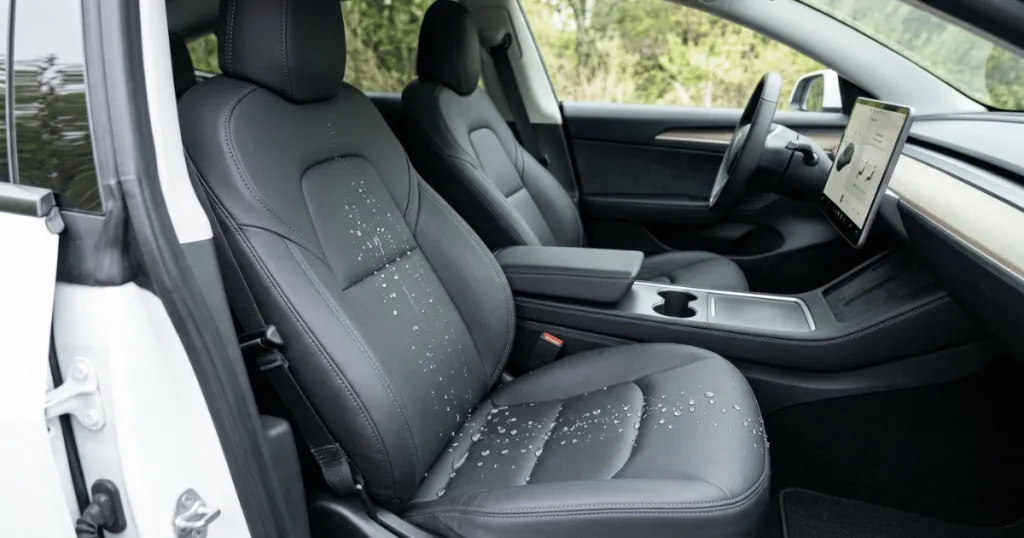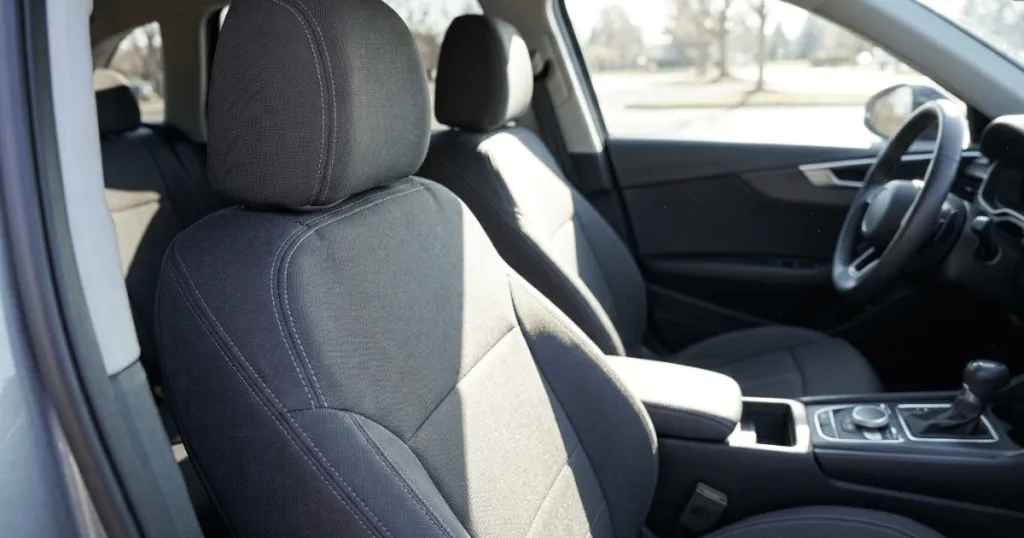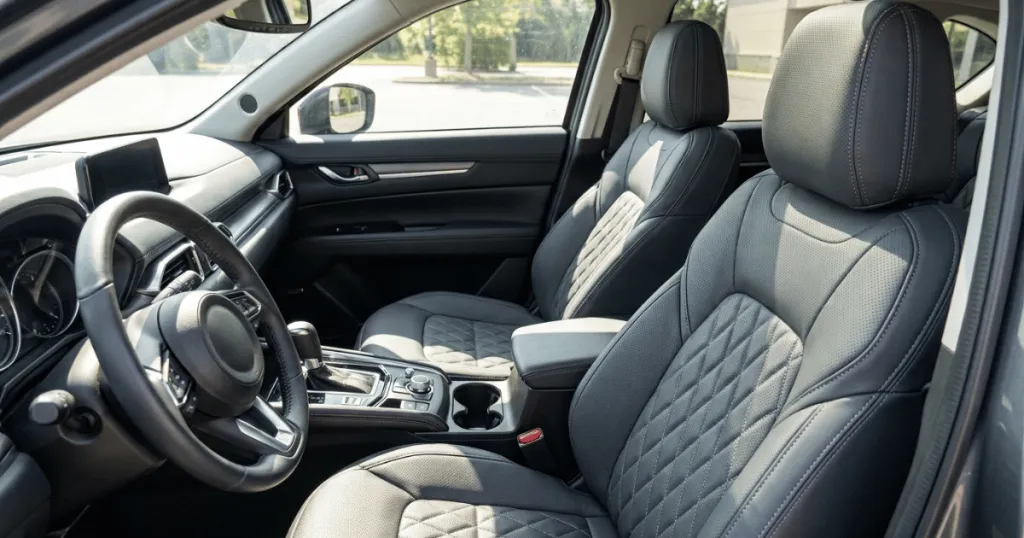
When your vehicle serves as more than just a commuter tool, whether it carries pets, heavy gear, or experiences frequent passenger turnover, the upholstery often bears the brunt of the activity. A scratch resistant car seat cover provides a dedicated barrier designed to absorb the friction and sharp contact that would otherwise damage your factory seating. Unlike standard fabric covers, these options focus on high-denier weaves or reinforced synthetic surfaces that prioritize surface integrity over simple aesthetics.
Selecting the right protection involves understanding how different materials handle physical stress. While no material is truly impervious to damage, specific textures and compositions significantly delay the onset of tears, snags, and surface abrasions. By focusing on the structural weave and the coating of the cover, you can effectively preserve the underlying seat condition for years of additional service.
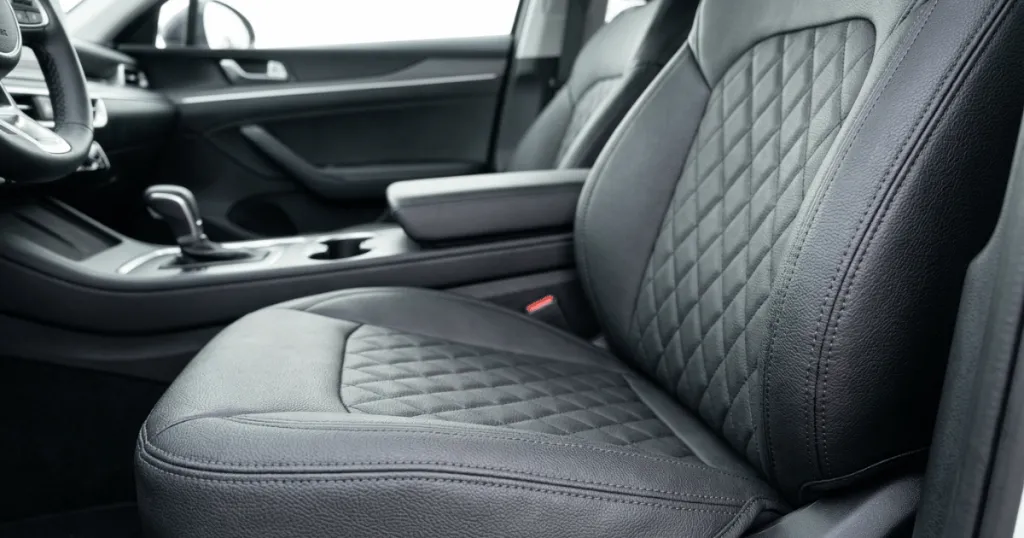
Factors Influencing Surface Durability
The effectiveness of a protective cover depends largely on the material’s ability to resist mechanical force. Not all durable materials behave the same way under pressure, and evaluating these material characteristics is essential for matching a cover to your specific vehicle usage.
High-Denier Synthetic Fabrics
High-denier fabrics, such as heavy-duty ballistic nylon or specialized polyester blends, are frequently used for their density. The denier rating refers to the thickness of the individual threads; a higher number generally indicates a more robust, tightly woven material. These fabrics act as a shield, preventing sharp objects like keys, zippers, or pet claws from penetrating the surface. In practice, this means the cover remains intact even when subjected to the repetitive friction of sliding in and out of the vehicle.
Reinforced Faux Leather and Vinyl
Synthetic leathers, particularly those with a multi-layer construction, offer a different approach to resistance. These materials often feature a top-coat finish that is specifically engineered to be harder than standard automotive leather. While they are smooth to the touch, their resistance lies in the chemical composition of the surface layer, which prevents surface scuffs from becoming deep gouges. These are particularly effective in environments where spills and dirt are also a concern, as they combine liquid resistance with structural toughness.
Textured Weaves and Ripstop Patterns
Beyond the material itself, the weave pattern plays a critical role in preventing damage from spreading. Ripstop weaves, characterized by a grid-like pattern of thicker threads, are designed to stop a small snag from turning into a large tear. If a sharp object does manage to catch the fabric, the reinforced grid contains the damage to a single square, keeping the rest of the cover fully functional. This is a vital feature for owners who frequently transport cargo or equipment that might have jagged edges.
Real-World Scenarios for Protective Covers
Different vehicle environments demand different levels of resistance. Applying a one-size-fits-all approach often leads to dissatisfaction, as the needs of a pet owner differ significantly from those of a professional driver or an off-road enthusiast.
Pet-Related Wear and Claw Resistance
For pet owners, the primary concern is the constant, repetitive scratching of claws against the seat surface. A scratch resistant car seat cover in this context needs to prioritize a tight, smooth weave that offers no purchase for a claw to snag. Avoid loose-knit fabrics or overly soft, plush materials, as these will inevitably trap debris and encourage clawing. Instead, look for heavy-duty, smooth-finished synthetic materials that allow claws to slide across the surface without catching or tearing the fibers.
Commercial and High-Traffic Usage
Vehicles used for rideshare or commercial purposes experience high-frequency entry and exit, which puts immense stress on the seat bolsters. In these scenarios, the constant friction of clothing, belts, and work gear can quickly wear down standard upholstery. A durable, abrasion-resistant cover here functions as a primary shield against daily wear. The focus should be on materials that can withstand constant sliding contact without pilling or losing their structural density, keeping the original seat fabric underneath in excellent condition for the life of the vehicle.
Off-Road and Outdoor Activity
Outdoor enthusiasts often deal with grit, sand, and moisture, which act as abrasive agents when trapped between a passenger and the seat. A cover designed for this environment must be both scratch resistant and easy to clean. If sand or dirt is allowed to sit on the surface, it acts like sandpaper every time you shift your weight. A non-porous or tightly woven material that prevents these particles from embedding into the fibers is essential for maintaining the integrity of the seat cover over time.
Preserving Your Interior Investment
The decision to install a scratch resistant car seat cover is fundamentally about long-term vehicle maintenance. When you protect the factory upholstery, you maintain the vehicle’s interior condition, which is a major factor in its overall state of repair. Many owners overlook the fact that once the original seat fabric or leather is compromised, the damage is often permanent and difficult to reverse without costly professional reupholstering.
By installing a cover early, you shift the wear-and-tear burden from the permanent seat structure to a replaceable accessory. This is particularly important for high-use areas like the driver-side bolster or the center of the bench seat, where the most frequent contact occurs. In practice, this means that even if the cover eventually shows signs of wear, the underlying seat remains in factory-fresh condition. This proactive approach is far more cost-effective than attempting to repair or replace original automotive seating components.
Evaluating Material Performance Realities
A frequent error is the assumption that thickness equals durability. Many shoppers believe that a thick, padded, or quilted cover is inherently more scratch resistant than a thinner, tighter-woven one. In reality, the top layer is what faces the initial contact; if that layer is soft or loosely woven, it can still be easily snagged or scuffed regardless of how much foam padding is underneath. Durability is a function of surface density and weave strength, not total material volume.
Another common misunderstanding involves the term “waterproof.” While many scratch resistant covers are also waterproof, these two traits are distinct. A material can be waterproof but still be susceptible to surface scuffs if the outer coating is thin or soft. Conversely, a highly durable canvas might be resistant to scratches but not fully waterproof. When evaluating your options, ensure the specific material properties align with your primary goal, whether that is preventing claw damage or managing moisture, rather than assuming one feature implies the other.
Strategic Selection and Installation Nuances
Beyond the material choice, the way a cover interacts with the seat geometry is critical. A common oversight is neglecting the seat bolster protection. Bolsters are the raised side sections of a seat that endure the most friction during entry and exit. When choosing a cover, look for designs that feature reinforced side panels or specific stitching patterns that accommodate the bolster’s contour without creating loose fabric pockets. Loose fabric is the enemy of durability; it creates folds that are prone to catching on belt buckles, rivets on jeans, or pet claws. A snug, custom-fit or semi-custom cover that pulls taut across the seat surface will always outperform a loose, universal-fit cover in terms of longevity.
Furthermore, consider the environment of your vehicle. If you live in a high-heat climate, synthetic leathers might become tacky or prone to surface cracking over time if they lack UV-stabilizing additives. In such cases, a high-denier ballistic nylon might offer better long-term performance because it handles thermal expansion and contraction more gracefully. Conversely, if your vehicle is prone to spills, a non-porous vinyl or treated faux leather is superior because it prevents liquids from soaking into the seat foam, which can lead to odors and structural degradation of the seat cushion itself.
Final Considerations for Long-Term Use
When you decide to equip your vehicle with a scratch resistant car seat cover, prioritize the fit as much as the material. A loose-fitting cover will shift and bunch, creating folds that are more susceptible to snagging and wear. A snug, properly secured fit ensures that the material stays taut, which helps it resist friction more effectively. Regularly verifying the tension of the straps and confirming the cover remains flush against the seat surface will help maintain its protective performance over time. By selecting the right material for your specific environment and maintaining a secure fit, you effectively safeguard your vehicle’s interior against the daily rigors of use.
FAQ
Does a scratch resistant car seat cover work for all types of pet claws?
While these covers are designed to be highly durable, no material is completely immune to damage. A scratch resistant car seat cover with a smooth, high-denier weave is significantly more effective at preventing snags from pet claws than standard fabric, but very large or sharp claws can still cause surface marks over time.
Can I wash a heavy-duty scratch resistant cover in a standard machine?
Most heavy-duty covers are designed for durability rather than machine washability. Because they often feature reinforced backings or specialized coatings to provide scratch resistance, machine washing can degrade these protective layers. It is generally better to wipe them down with a damp cloth or use a mild upholstery cleaner.
Does the material thickness affect how well a cover resists scratches?
Not necessarily. The resistance to scratching comes from the density of the weave and the hardness of the surface coating, not the thickness of the material. A thin, tightly woven ballistic nylon can be more scratch resistant than a thick, soft, or plush fabric that is prone to snagging.