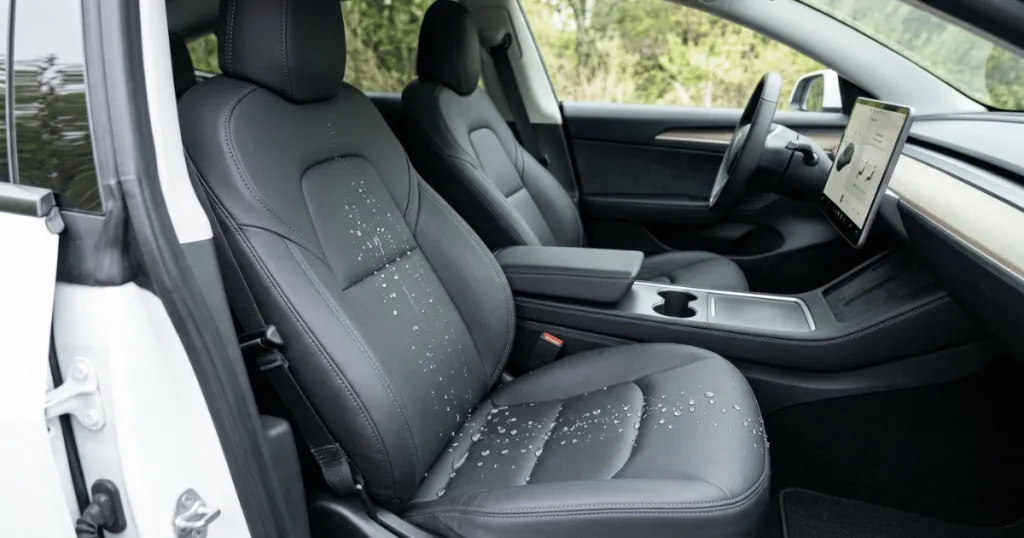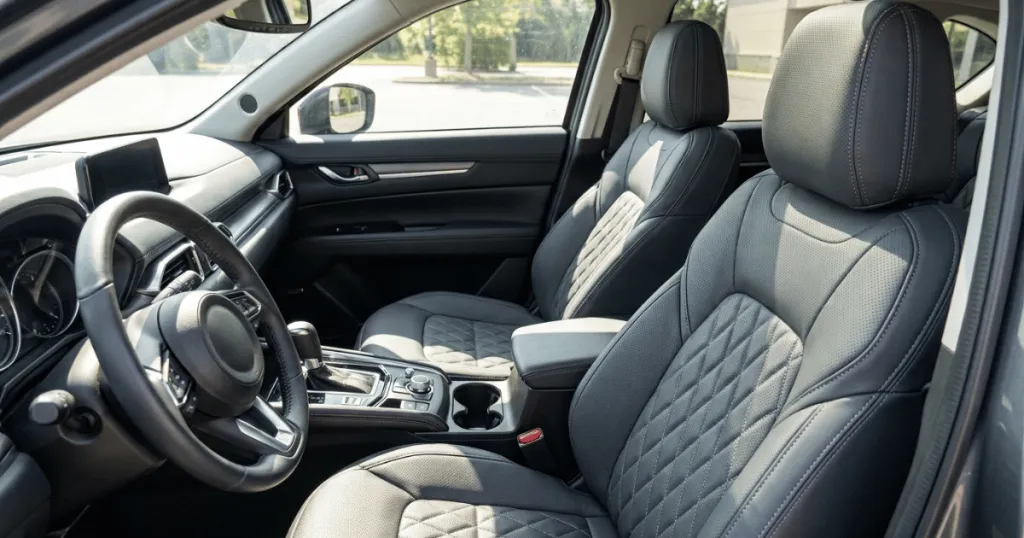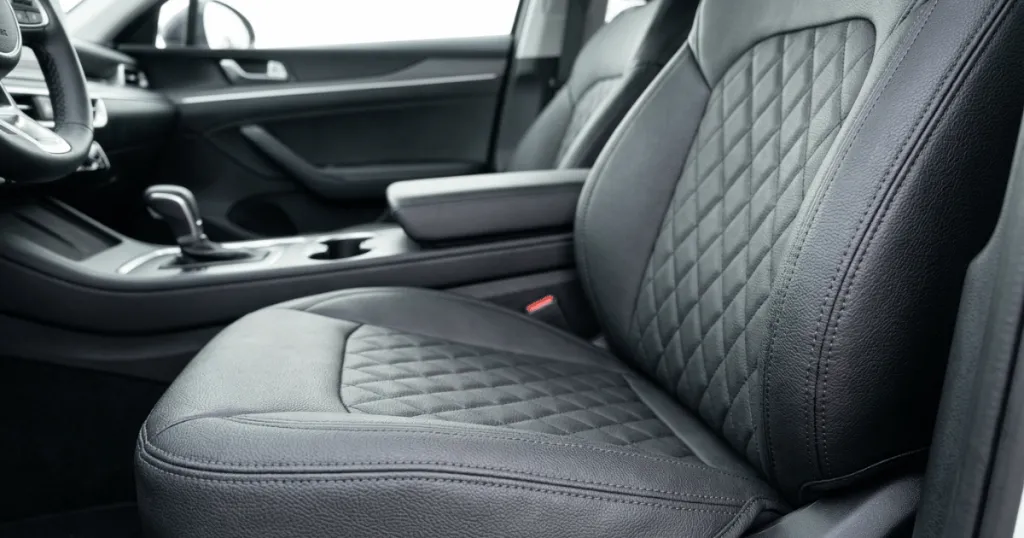
When you park your vehicle in direct sunlight, the interior temperature can climb rapidly, and the constant exposure to ultraviolet radiation begins to degrade upholstery materials. A uv resistant car seat cover acts as a primary barrier against this solar energy, helping to maintain the integrity of your factory seats. While no material is truly immune to the long-term effects of the sun, selecting covers specifically treated for UV stability can significantly slow the rate of fading, cracking, and structural breakdown in your vehicle’s cabin.
The value of these covers lies in their ability to reflect or absorb radiation before it reaches the sensitive fibers or synthetic surfaces of your original seats. By choosing a product engineered with UV-inhibiting properties, you are essentially placing a dedicated shield between the sun and your upholstery to absorb the brunt of the environmental stress. This approach is particularly effective for owners who frequently park outdoors or live in regions with intense, year-round sun exposure.
Functional Benefits of UV-Stabilized Materials
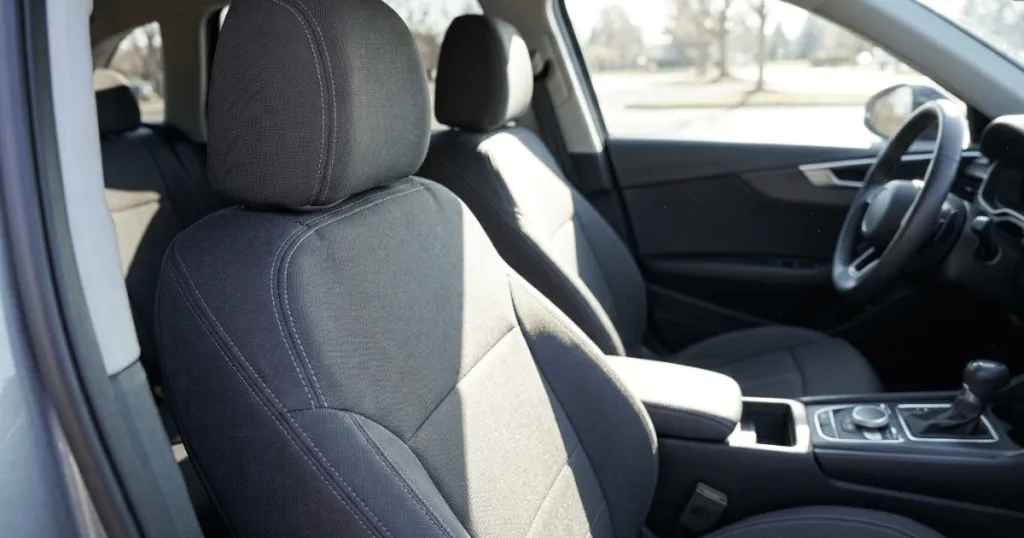
The primary advantage of using a uv resistant car seat cover is the preservation of the original upholstery’s appearance and texture. Over time, UV rays break down the chemical bonds in fabrics and faux leathers, leading to brittle surfaces and washed-out colors. A dedicated cover prevents this degradation by acting as a shield.
Preventing Premature Fading and Discoloration
Direct exposure to sunlight causes pigments in seat fabrics to lose their intensity, often resulting in uneven patches where the sun hits most directly. UV-treated materials are designed to resist this pigment breakdown, ensuring that the cover itself maintains its color for a longer period. This protects the underlying seat from the uneven bleaching effect that often ruins the aesthetic value of a car interior.
Reducing Material Brittleness and Cracking
Synthetic materials like vinyl and polyurethane are prone to drying out under high heat and UV stress. When these materials lose their plasticizers, they become brittle and eventually crack, which is a common issue for aging luxury or economy vehicle interiors alike. By installing a cover that is rated for UV resistance, you lower the thermal load on the seat surface, which helps the original material retain its flexibility and prevents the onset of cracks.
Mitigating Interior Heat Buildup
While a seat cover cannot replace the function of window tinting or sunshades, certain UV-resistant materials have reflective properties that help manage cabin temperature. By preventing the seat surface from absorbing as much solar radiation, these covers keep the seating area cooler to the touch after the vehicle has been parked in the sun. This provides a more comfortable entry experience and reduces the immediate thermal shock to the seat’s internal cushioning.
Evidence Strength and Practical Limitations
It is important to view UV resistance as a relative quality rather than an absolute, permanent state. Most manufacturers achieve UV resistance through chemical additives or specific weave patterns that disperse solar energy. These treatments are subject to wear and tear, meaning the level of protection will naturally decline over the lifespan of the product.
Evidence suggests that while these covers are highly effective at preventing surface-level damage, they do not offer complete protection against extreme heat transfer. The ambient air temperature inside a closed vehicle will still rise, regardless of the seat cover’s material. Therefore, relying solely on a cover to protect the entire interior from heat-related issues is a mistake; it should be used in conjunction with other passive cooling methods like windshield sunshades.
Furthermore, the effectiveness of the protection depends heavily on the quality of the material used. High-end, UV-stabilized neoprene or specialized canvas often performs better than low-cost, thin polyester blends. When evaluating these products, look for indicators of colorfastness and material density, as these are more reliable metrics for long-term performance than generic marketing claims about sun protection.
Who Benefits Most from UV-Resistant Protection
The necessity for this type of protection is not uniform for every vehicle owner. Your specific usage patterns and climate determine whether the investment in a high-quality, UV-resistant product is worth the effort.
High-Exposure Environments
Drivers living in the Sun Belt or high-altitude regions where solar intensity is significantly higher will see the most dramatic benefits. In these areas, the cumulative damage to upholstery happens much faster than in temperate or cloudy climates. If your vehicle is parked in an uncovered driveway or a street-side spot for the majority of the day, the protective benefits of these covers are immediately relevant to maintaining your vehicle’s resale value.
Commercial and Rideshare Usage
For those using their vehicle for commercial purposes, such as rideshare driving, the seats endure constant use alongside environmental stress. A uv resistant car seat cover provides a dual benefit here: it protects the seats from the sun while also acting as a durable layer that is easier to clean after multiple passengers. This combination of durability and UV protection is essential for maintaining a professional interior appearance in a high-use vehicle.
Understanding Material Science in Seat Protection
Not all materials react to solar radiation in the same way. When researching a uv resistant car seat cover, it is helpful to understand the inherent properties of the textiles involved. Neoprene, for instance, is often favored for its closed-cell structure, which is naturally more resistant to moisture and heat than standard polyester. However, without specific UV-stabilizing additives, even high-quality neoprene can eventually show signs of degradation. The goal is to find a balance between the material’s inherent durability and the chemical treatments applied during manufacturing.
Canvas-style covers offer a different set of advantages. Their heavy-duty weave provides a dense physical barrier that prevents UV rays from penetrating through to the seat below. This density is a key factor in long-term upholstery protection. Conversely, lighter, mesh-style covers may offer breathability but often fail to provide the same level of UV blocking, as the gaps in the weave allow radiation to pass through. For maximum protection, look for high-denier fabrics that are tightly woven.
Maintenance and Longevity of Protective Covers
A common misconception is that a uv resistant car seat cover is a ‘set and forget’ solution. Even the most robust UV-resistant materials will eventually lose their efficacy as the chemical inhibitors wash away or degrade from friction. Regular cleaning and occasional inspection are required to ensure the cover is still providing the protection you expect. If you notice the cover itself starting to look faded or feeling thin, it is likely that its ability to shield your seats from UV damage has been compromised, and it may be time to consider a replacement.
Cleaning your covers should be done with mild detergents that do not strip away the protective coatings. Harsh chemicals or bleach-based cleaners can accelerate the breakdown of the very UV inhibitors you are trying to preserve. By following the manufacturer’s care instructions, you extend the life of the cover, ensuring it continues to act as a reliable shield for your vehicle’s factory seats. Ultimately, incorporating a uv resistant car seat cover is a practical strategy for anyone looking to extend the lifespan of their vehicle’s interior. By understanding the limits of these materials and prioritizing quality, you can effectively mitigate the most common forms of sun-related degradation.
Assessing the Trade-offs of UV-Resistant Covers
When selecting a cover, it is essential to weigh the benefits of UV protection against other needs, such as comfort and ease of installation. Some highly effective UV-blocking materials can feel stiffer or less breathable than standard fabrics. If you live in a particularly hot climate, you might prioritize a material that offers a balance of heat dissipation and UV resistance. This often leads users toward high-quality, breathable synthetic blends that have been treated with UV-inhibiting agents.
Another trade-off involves fitment. A loose-fitting cover may allow sunlight to creep in around the edges, potentially causing uneven fading on the seat bolsters or headrests. A custom-fit or semi-custom-fit cover that provides full coverage is generally superior for UV protection because it minimizes the areas of the seat exposed to direct light. Investing in a well-fitted cover ensures that the entire seating surface is shielded, which is critical for long-term interior maintenance and preserving the overall value of the vehicle.
FAQ
Do all car seat covers provide UV protection?
No, not all covers are designed with UV resistance. Many standard fabric covers are not treated to withstand prolonged sun exposure and may fade or degrade quickly. Always check for specific UV-resistant or UV-stabilized labeling when selecting a uv resistant car seat cover.
How often should I replace a UV-resistant seat cover?
The lifespan depends on the intensity of your local climate and how often the vehicle is parked in direct sunlight. Generally, if you notice the cover becoming brittle, losing its color, or showing signs of thinning, it is no longer providing adequate UV protection and should be replaced.
Does a UV-resistant cover keep the car interior cool?
While it helps prevent the seat surface from absorbing heat, it will not significantly lower the overall air temperature inside the cabin. It is most effective when used alongside other tools like windshield sunshades to manage total interior heat buildup.