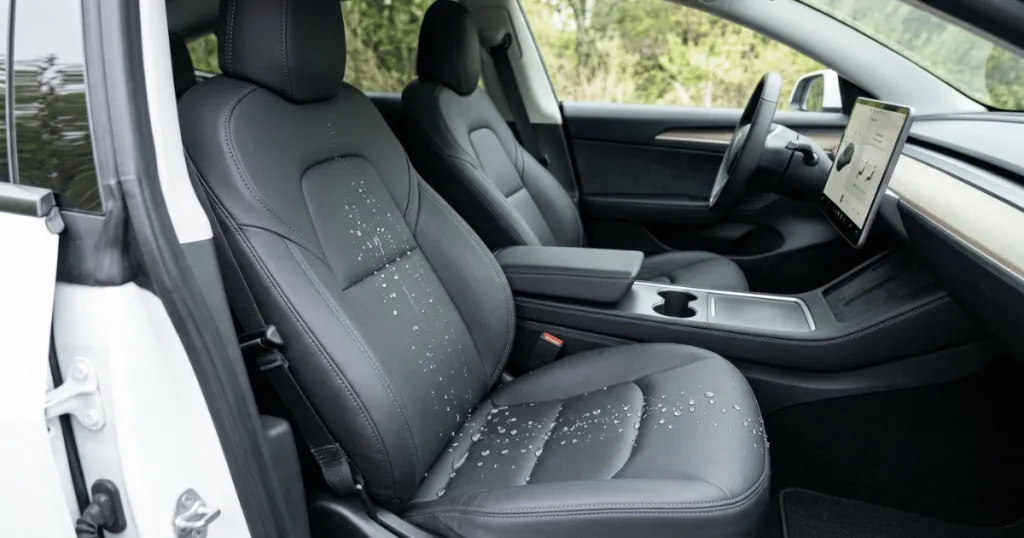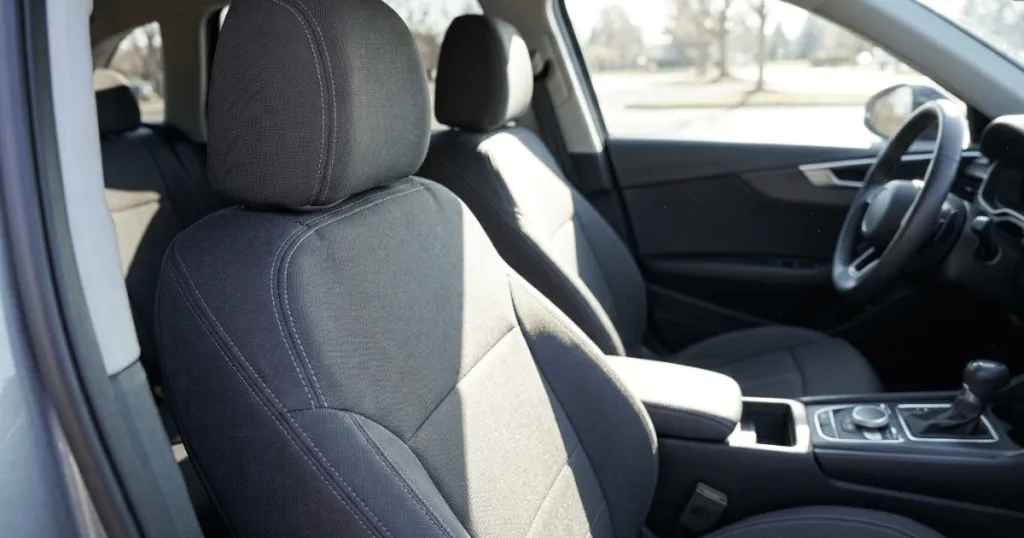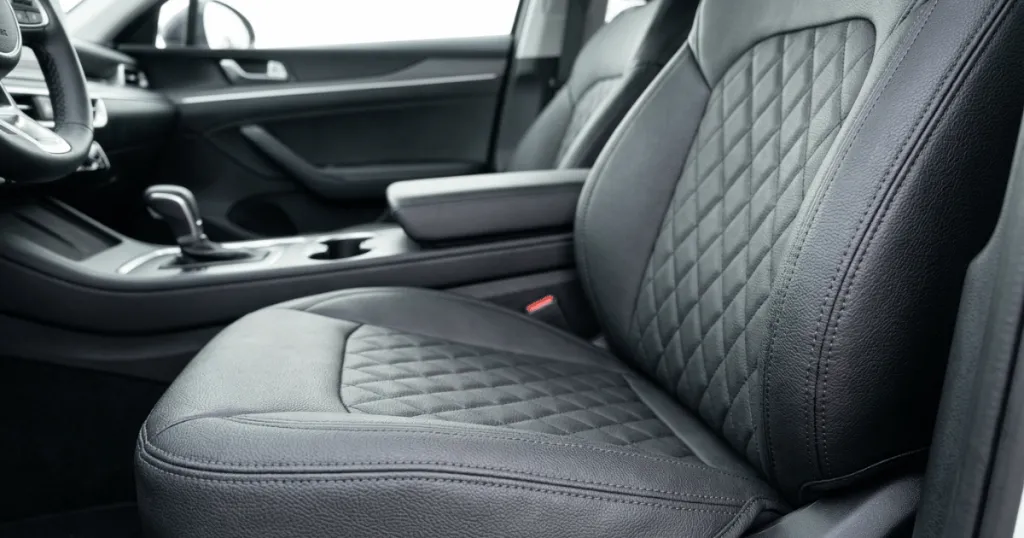
Vehicle interiors are constantly exposed to intense ultraviolet radiation, which acts as a primary catalyst for material degradation. When you park your car in direct sunlight, the dashboard, steering wheel, and seating surfaces absorb significant heat and light energy. This exposure often leads to the breakdown of dyes and fibers, resulting in the dull, washed-out appearance commonly seen in older vehicles. A fade resistant car seat cover acts as a shield, intercepting this solar energy before it reaches the original factory upholstery.
Investing in materials specifically engineered to withstand prolonged sun exposure is one of the most effective ways to preserve the resale value and aesthetic appeal of your vehicle. While no material is entirely immune to the effects of the sun, choosing covers with high-performance, UV-stable properties significantly slows the rate of discoloration. By evaluating how different materials react to light, you can make an informed decision that balances your specific needs for comfort, style, and long-term durability.
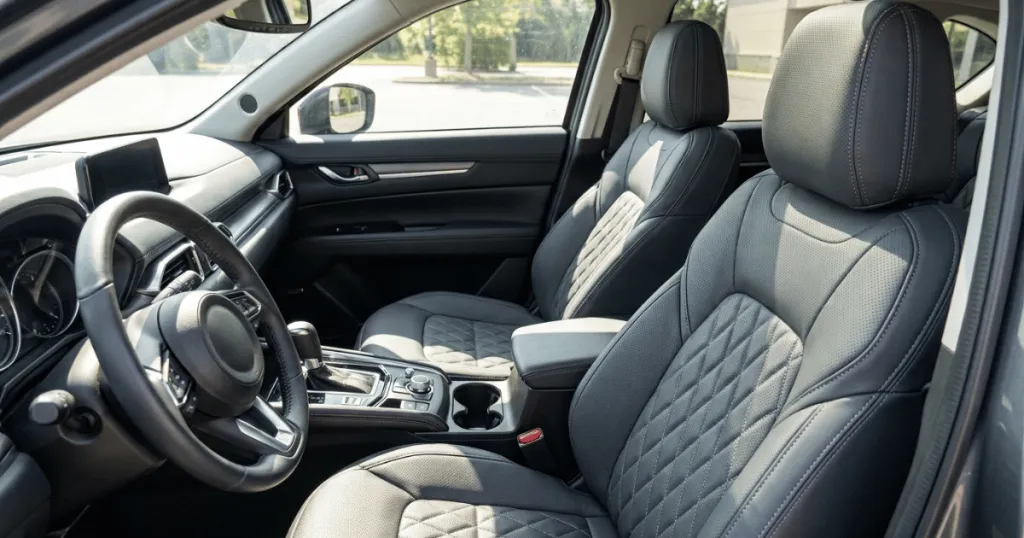
Factors That Influence Material Color Retention
The ability of a seat cover to maintain its original color is determined by the chemistry of its dyes and the physical structure of the fibers used in its construction. Not all fabrics are created equal when it comes to lightfastness, a standard measurement used to describe how well a material resists fading when exposed to light. Researching the relationship between fiber composition and chemical stabilization is a vital step for anyone planning to invest in long-term upholstery preservation.
Synthetic Fiber Performance
Synthetic materials like polyester and specialized acrylics are generally superior in their resistance to UV damage compared to natural fibers. These materials are often solution-dyed, meaning the color is integrated into the liquid plastic before the fiber is even spun. Because the pigment is locked inside the fiber rather than just sitting on the surface, these covers maintain their hue much longer, even under harsh conditions. When evaluating synthetic options, look for high-denier counts, which indicate a tighter weave that provides more surface area to deflect incoming solar radiation.
Natural Fiber Limitations
Natural materials such as cotton or wool, while comfortable and breathable, are inherently more susceptible to photo-degradation. The chemical bonds in natural dyes tend to break down more quickly when exposed to the high-intensity light found in a vehicle cabin. If you prioritize natural materials, you should expect a faster rate of fading and consider using window tinting or sunshades to augment the protection provided by the seat cover itself. These materials often require more frequent maintenance to prevent the fibers from becoming brittle and losing their structural integrity over time.
Coating and Treatment Technologies
Some manufacturers apply topical UV-inhibitor sprays or clear-coat finishes to the surface of the seat cover material. While these treatments can provide a temporary boost to fade resistance, they are not permanent. Over time, friction from passengers sliding in and out of the seat will wear these coatings away, eventually exposing the base material to the elements. It is important to view these treatments as a secondary layer of defense rather than a permanent solution for color stability.
Real-World Scenarios and Sun Exposure
The way you use your vehicle dictates the level of protection your seat covers require. A daily commuter parked in an uncovered lot faces a vastly different environment than a vehicle kept primarily in a garage. Assessing your parking habits and regional climate is the first step in selecting the right material.
Daily Commuting and Outdoor Parking
If your vehicle spends eight hours a day in an uncovered parking lot, the cumulative UV exposure is extreme. In this scenario, a fade resistant car seat cover is a fundamental requirement for preventing permanent interior damage. High-denier polyester blends or specialized vinyls are often the most practical choices here, as they offer the best balance of structural integrity and color stability against daily sun cycles. These materials are designed to handle the thermal expansion and contraction that occurs as the cabin temperature fluctuates throughout the day.
Climate Considerations
Geographic location plays a massive role in how quickly materials degrade. Vehicles in high-altitude regions or areas with high solar intensity, such as the American Southwest, experience significantly more UV radiation than vehicles in northern climates. If you live in a high-sun region, prioritize materials that explicitly mention UV-stabilization in their technical specifications, as standard fabrics will likely show noticeable color shifts within a single summer season. In these environments, the intensity of light can cause even high-quality dyes to migrate or bleach if they are not specifically rated for high-UV exposure.
Interior Layout and Window Tinting
The placement of your seats relative to the windshield and side windows determines which areas receive the most direct light. Front seats, particularly the driver and passenger sides, are almost always the first to show signs of fading. If you have factory-tinted windows, you already have a layer of protection that filters out a portion of the harmful rays, which can extend the lifespan of any seat cover you choose to install. For vehicles without tint, the seat covers act as the primary shield, making the selection of high-quality, fade-resistant materials even more critical.
The Importance of Color Stability for Interior Preservation
The primary goal of installing seat covers is usually to keep the original upholstery in pristine condition. If the cover itself fades rapidly, it becomes an eyesore that detracts from the cabin’s appearance. A faded cover can make a clean interior look neglected, which is the exact opposite of the intended effect. By selecting a cover that maintains its color, you ensure that the cabin remains a pleasant and visually cohesive environment for years.
Furthermore, fading is often a visual indicator that the material is losing its structural integrity. As the dyes break down, the fibers themselves often become brittle, leading to thinning, fraying, or tearing under normal use. A fade resistant car seat cover that retains its color is also more likely to retain its strength, meaning you will not have to replace the covers as frequently. This creates a more sustainable and cost-effective approach to vehicle maintenance, as you are not constantly swapping out cheap, low-quality covers that fail within a few months of exposure.
Common Assumptions Regarding Material Longevity
One of the most frequent errors is the assumption that thickness equals durability. Many shoppers believe that a thick, heavy-duty material will automatically resist fading better than a thinner one. In reality, the chemical composition of the fiber and the quality of the dye process are far more important than the physical weight of the fabric. A thin, high-quality synthetic fabric will often outlast a thick, low-quality natural or blended fabric in terms of color retention.
Another common mistake is assuming that all “waterproof” materials are also UV-resistant. While some waterproof coatings are indeed UV-stable, others are not. A material might keep liquids from soaking into your seat but still be highly prone to bleaching under the sun. Always look for specific claims regarding UV resistance or lightfastness ratings rather than relying on a single feature like water resistance to imply overall durability. When you select a fade resistant car seat cover, you are making a deliberate choice for long-term interior preservation.
Strategic Selection for Long-Term Use
When choosing your covers, consider the long-term maintenance cycle. If you live in an area with extreme seasonal shifts, you might consider a seasonal rotation strategy, though most owners prefer a “set it and forget it” approach. For the latter, focus on materials that are engineered for automotive-grade lightfastness. These materials undergo rigorous testing to ensure they can withstand the specific spectrum of light that penetrates automotive glass. By investing in these specific grades, you avoid the common pitfall of selecting decorative fabrics that look great in a showroom but fail within months of real-world use.
Finally, remember that color choice matters. Darker colors, while often preferred for their ability to hide dirt, absorb more heat and can sometimes show fading more dramatically than lighter, neutral tones. If you live in a high-heat, high-sun environment, a lighter-colored, fade-resistant material may offer better performance by reflecting more solar energy and showing less contrast as the dye ages. Balancing your aesthetic preferences with these physical realities will lead to a much more satisfying long-term ownership experience.
FAQ
Does window tinting help prevent seat cover fading?
Yes, high-quality window tinting that blocks UV rays can significantly reduce the amount of solar radiation hitting your seats, which helps any fade resistant car seat cover last much longer.
Can I restore the color of a faded seat cover?
Generally, no. Once the chemical dyes in a fabric have broken down due to UV exposure, the damage is permanent. While some fabric dyes exist, they are difficult to apply evenly and rarely provide a factory-fresh finish.
How often should I replace seat covers to avoid fading issues?
If you choose a high-quality fade resistant car seat cover, you should expect it to last several years. If you notice significant color changes or the fabric becoming brittle, it is likely time for a replacement to ensure your original seats remain protected.