Selecting a Reliable Rainy Climate Car Seat Cover for Your Vehicle
Protect your vehicle interior from moisture and humidity. Learn how to choose a rainy climate...
A driver in Tucson and a driver in Minneapolis have almost nothing in common when it comes to seat covers. One is dealing with vinyl-melting surface temperatures every afternoon from April through October. The other is scraping ice off the windshield in November and sitting on a frozen seat that takes fifteen minutes of idling to warm up. Same product category, completely different requirements. Yet most seat cover shopping advice treats climate like a footnote, something to think about "if applicable." For the majority of drivers, car seat cover climate and weather-based usage isn't a secondary consideration. It's the primary one.
Here's a real situation that plays out in Gulf Coast states every summer. A truck owner installs heavy-duty canvas covers to protect against job-site dirt and grease. The covers handle grime perfectly. But canvas is dense, holds heat, and has zero moisture-wicking ability. By mid-June in Houston's 95°F humidity, the driver is peeling himself off the seat after every stop, and the fabric underneath is developing a persistent musty smell from trapped sweat that never fully dries between trips. Switching to a lighter neoprene or a mesh-backed hybrid for the warm months would solve both issues without sacrificing much durability.
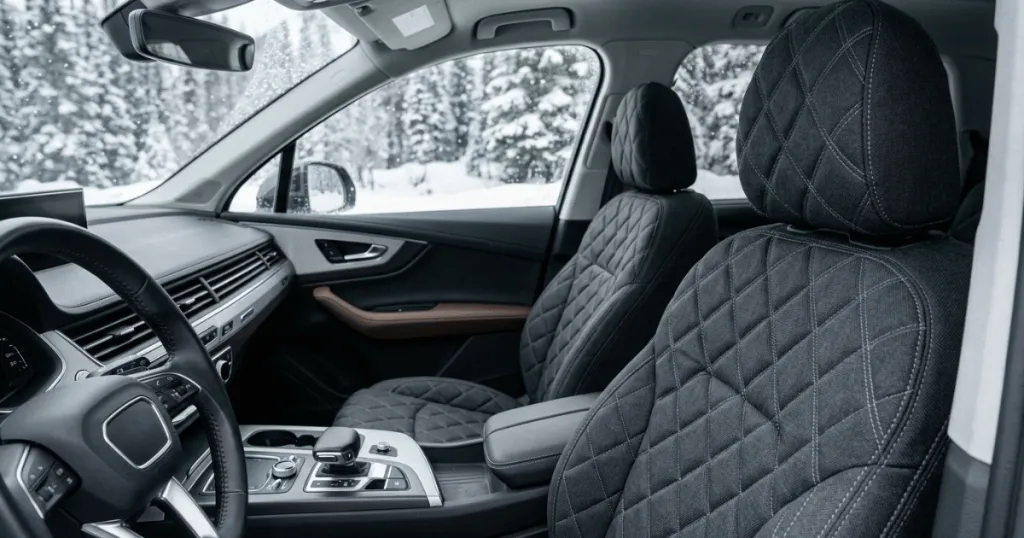
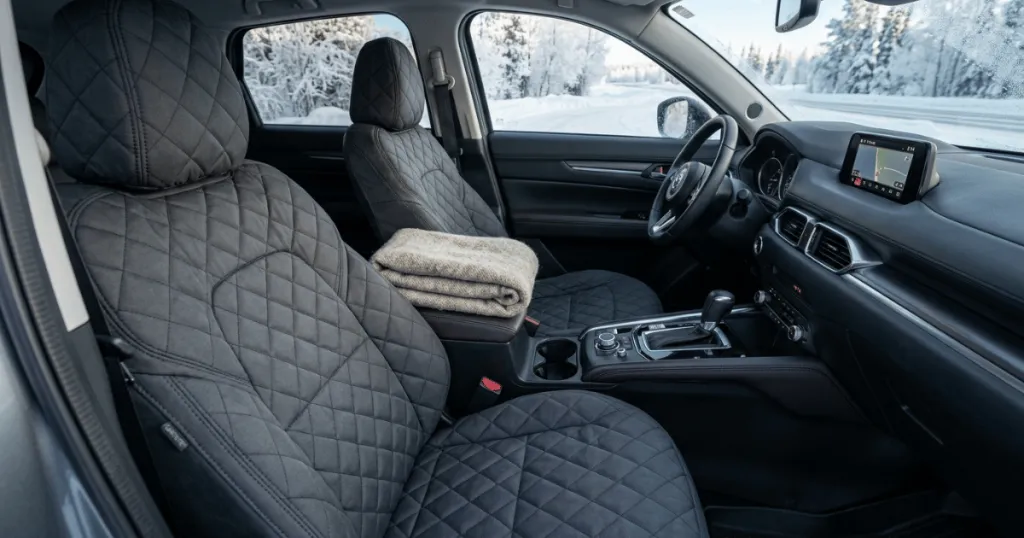
The opposite problem hits drivers in northern climates. Leatherette covers that feel smooth and comfortable at 70°F become rigid and ice-cold at 20°F, making the first few minutes of every winter commute genuinely unpleasant. Fabric-backed covers or fleece-lined options stay closer to tolerable temperatures on cold starts, and they don't fight against heated seat systems the way thick synthetic leather can.
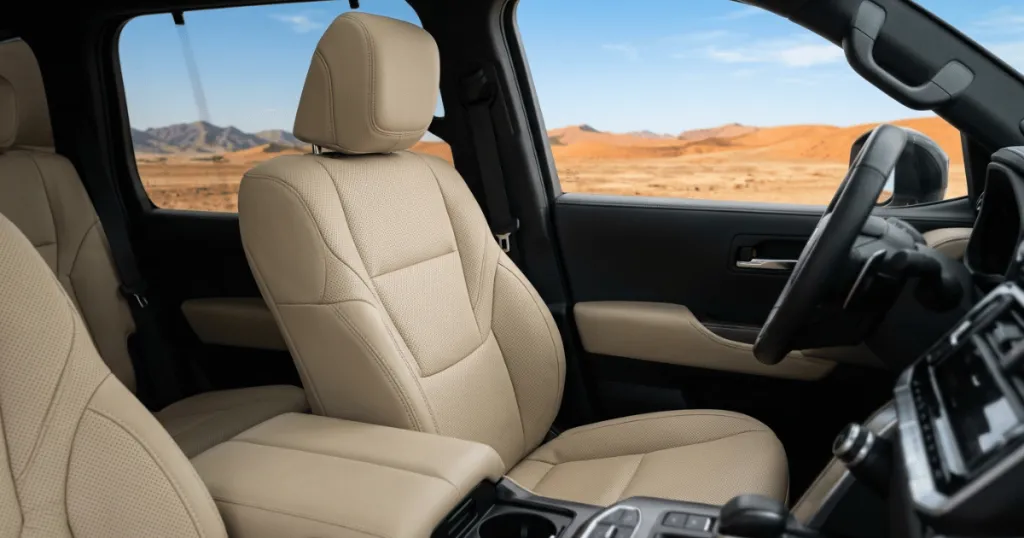
Car seat cover climate and weather-based usage also involves factors people rarely think about until they've already made a mistake. UV degradation, for example. A sedan parked outdoors every day in the desert Southwest exposes its covers to UV levels that will fade and weaken most polyester dyes within a single season. Covers rated for UV resistance, or darker materials that absorb less visible damage, hold up noticeably longer in those conditions. Meanwhile, drivers in the Pacific Northwest deal with an entirely different environmental threat: persistent moisture. Covers that don't dry quickly become breeding grounds for mildew in climates where rain is a near-daily occurrence and car interiors rarely get a full dry-out.
The articles in this section address car seat cover climate and weather-based usage with that level of regional specificity. Rather than offering vague seasonal tips, the content here connects particular materials, features, and cover types to the actual weather patterns and driving conditions you deal with where you live.