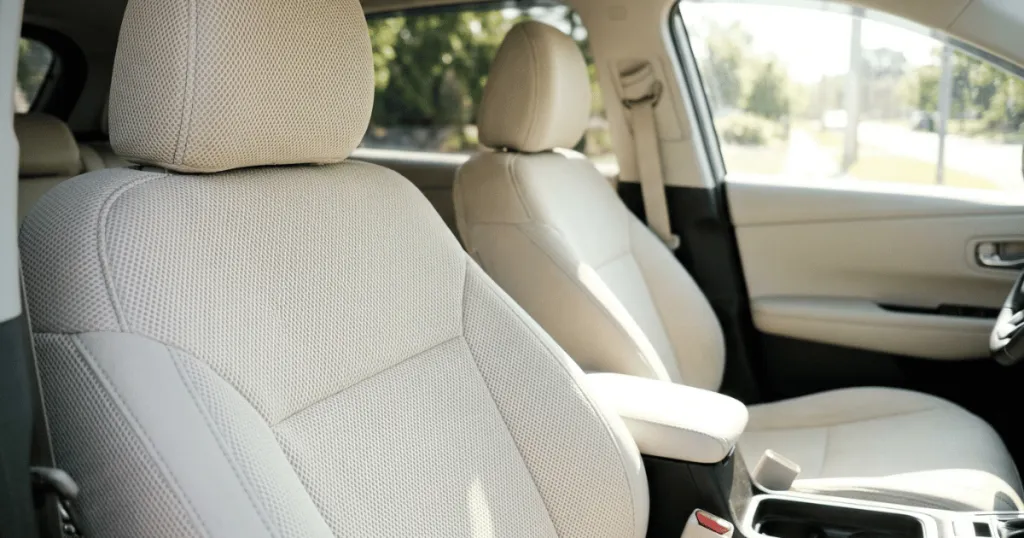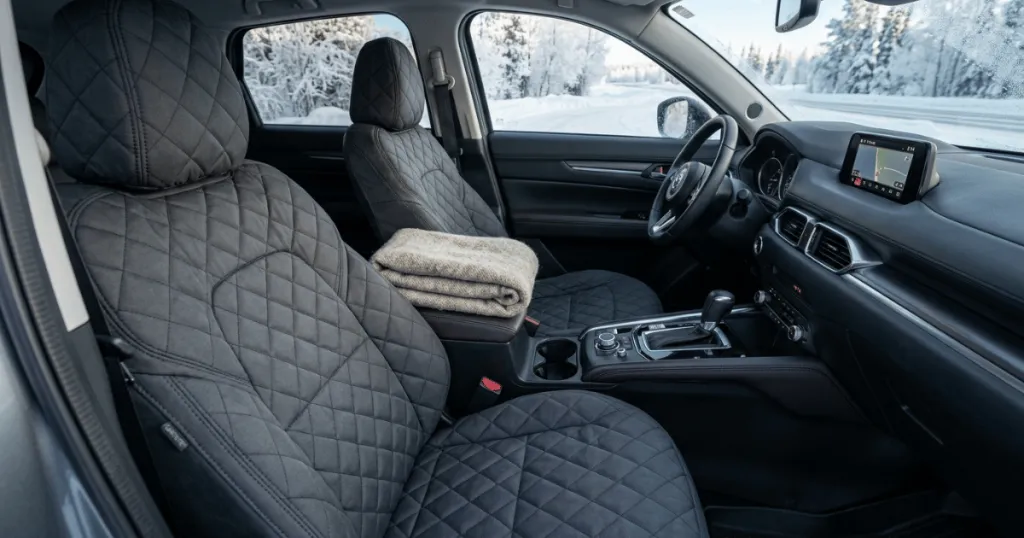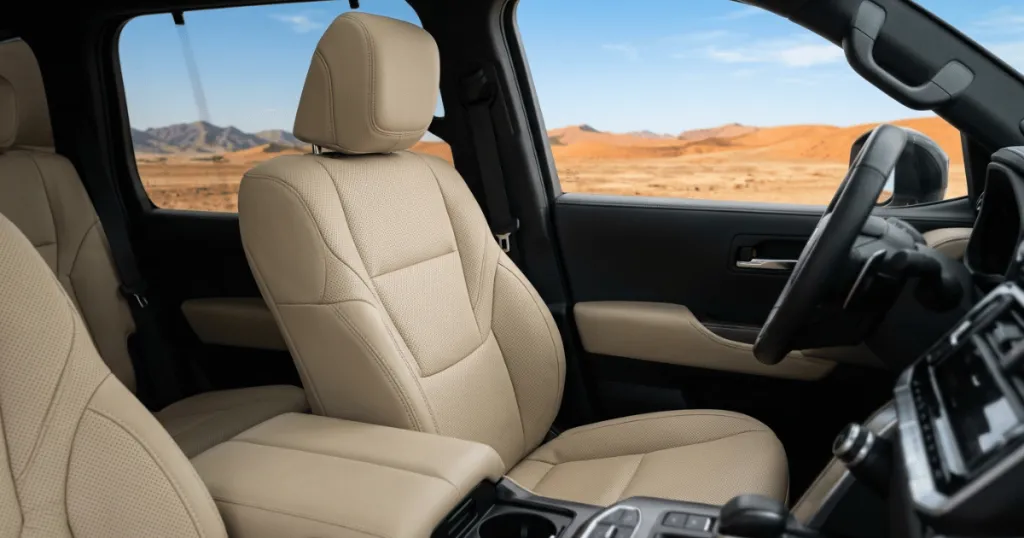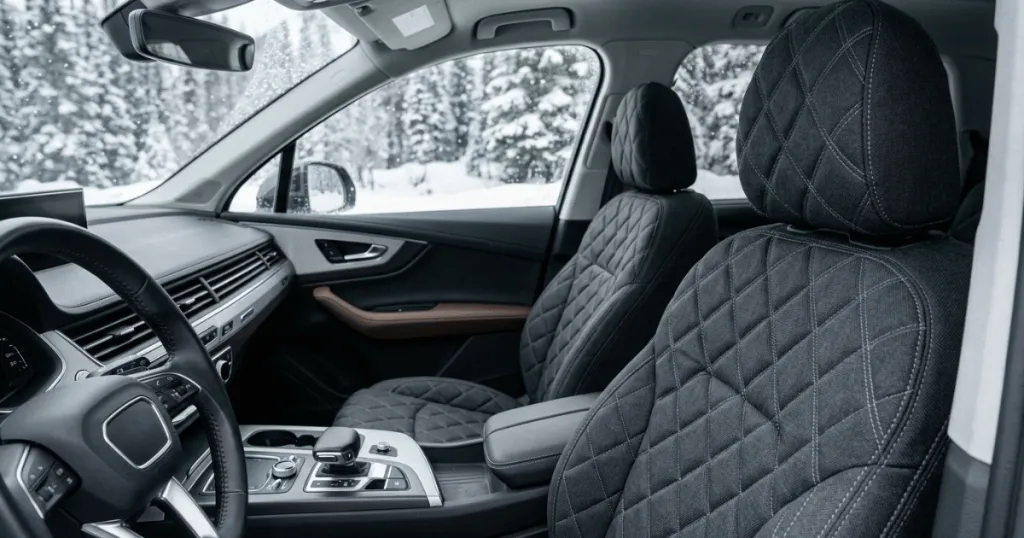
In high-humidity regions, the interior of a vehicle acts like a greenhouse, trapping moisture against upholstery and creating an ideal environment for mildew and odors. Selecting the right humid climate car seat cover is essential for protecting your vehicle’s factory seats from long-term damage caused by persistent dampness. Rather than focusing solely on aesthetics, owners in these environments must prioritize materials that allow for airflow and resist moisture absorption.
When you live in a coastal area or a region with frequent heavy rainfall, the simple act of entering your car with damp clothing can introduce enough moisture to compromise seat foam over time. A well-chosen cover acts as a sacrificial barrier, but it must be one that breathes effectively to prevent trapping condensation beneath the surface. This guide outlines how to evaluate materials and design features to ensure your seating remains fresh and intact despite the local climate.
Material Performance in Damp Environments
The material composition of your seat cover is the most critical factor when dealing with constant humidity. Certain fabrics excel at moisture management, while others can exacerbate the problem by holding onto water and preventing the seat cushion from drying out. Evaluating how specific fiber weaves interact with local moisture levels is essential for long-term interior protection.
Breathable Synthetic Fabrics
Breathable synthetic fabrics, such as high-quality polyester mesh or specialized automotive-grade woven fabrics, are often the most reliable choice for humid environments. These materials are engineered to allow air to circulate through the cover, which helps evaporate any moisture that accumulates from the air or the passenger.
Unlike heavy, non-porous materials, these fabrics do not create a seal that traps humidity against the seat foam, reducing the risk of mildew growth inside the cushion structure. By facilitating consistent ventilation, these covers ensure that the seat foam remains dry even during prolonged periods of high atmospheric moisture.
The Role of Neoprene and Its Limitations
Neoprene is frequently cited for its water-resistant properties, which can be beneficial if you are frequently entering the car with wet gear. However, in a humid climate car seat cover application, neoprene presents a trade-off. Because it is essentially a closed-cell foam, it is completely non-porous.
If moisture does manage to get underneath the cover, perhaps through the seams or from condensation forming on the cold seat frame, it will stay there until the cover is removed. If you choose neoprene, ensure it is a high-quality, automotive-specific version that fits tightly to minimize the gaps where moisture can collect. Frequent removal for drying is a necessary trade-off for the water-resistance these covers provide.
Avoiding Non-Porous Vinyl and Faux Leather
While vinyl and standard faux leather are easy to wipe clean, they are generally poor choices for extremely humid climates. These materials are non-breathable and can become uncomfortably sticky in high heat and humidity. Furthermore, if they are not installed with precise tension, they can trap condensation between the cover and the seat, leading to a “sweating” effect that damages the original upholstery over time.
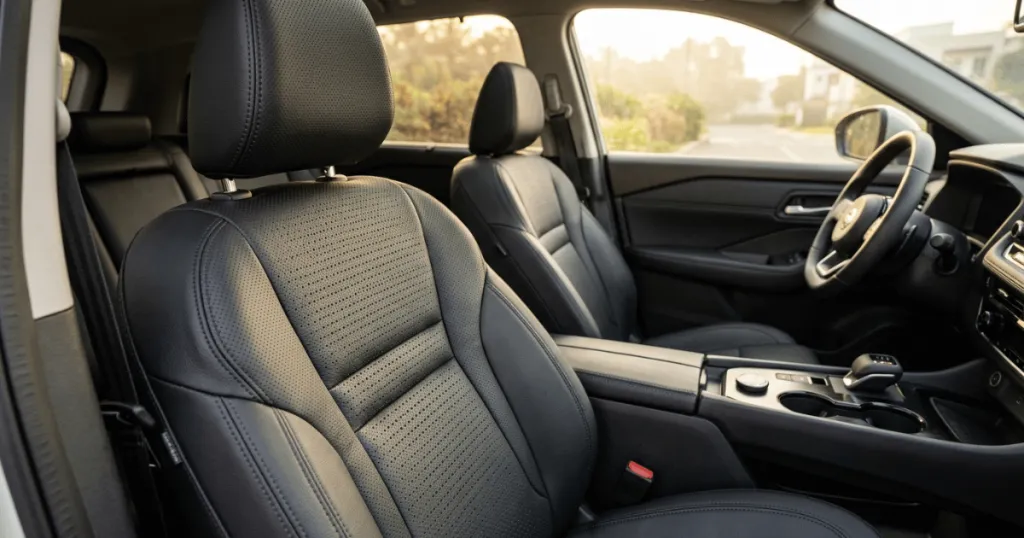
If you prefer the look of leather, look for perforated options that allow for some degree of air movement. Perforation is essential because it breaks the non-porous barrier, allowing the seat foam to breathe and preventing the accumulation of trapped moisture that leads to mold.
Design Features That Enhance Airflow
Beyond the material itself, the construction and design of the cover play a significant role in how well it handles moisture. A cover that fits like a second skin is always preferable to a loose-fitting one, as excess fabric creates pockets where stagnant air and moisture can accumulate. When evaluating designs, consider how the attachment points and stitching patterns influence the overall breathability of the seat.
Perforation and Air Channels
Look for seat covers that feature integrated perforation or channeled stitching patterns. Perforations are not just for style; they serve as micro-vents that allow air to pass through the cover. This is particularly important for seat bottoms and backrests where the passenger’s body makes direct contact, as this is where body heat and moisture are most concentrated.
Air channels, often found in sport-style covers, provide a path for air to move across the surface of the seat, preventing the “hot spot” effect that often leads to excessive perspiration and subsequent moisture absorption by the seat fabric.
Precision Fit and Attachment Points
A loose-fitting cover is a liability in a humid environment. When a cover shifts or bunches, it creates voids that trap air. Ensure that the cover you select uses a secure system of straps, hooks, or clips that maintain consistent tension across the entire surface of the seat. A tight fit ensures that the cover remains in contact with the seat, which prevents the buildup of trapped air pockets that can lead to mold or mildew formation. Furthermore, high-quality attachment systems prevent the cover from sliding, which reduces the friction that can wear down the factory upholstery underneath.
Real-World Usage and Maintenance
Managing humidity inside a vehicle is a continuous process that involves more than just installing a cover. Even the best humid climate car seat cover requires proactive maintenance to remain effective in challenging weather conditions. Vehicle maintenance in these regions requires a shift in perspective, moving from occasional cleaning to consistent moisture management.
Routine Drying and Ventilation
If your vehicle sits for extended periods in a humid environment, it is good practice to leave the windows cracked slightly if the vehicle is parked in a secure, covered area. This allows for air exchange and prevents the interior from becoming a sealed chamber for moisture. If you notice the covers feeling damp, remove them periodically to allow both the cover and the underlying factory seat to air out completely in a dry, shaded area. This simple habit can significantly extend the life of your seat foam and prevent the development of musty odors.
Cleaning to Prevent Mildew
Mildew feeds on organic matter, including skin cells, sweat, and food particles that accumulate on seat covers. In a humid climate, these contaminants become a breeding ground for mold. Vacuum your seat covers regularly to remove debris and wipe them down with a mild, moisture-wicking cleaner recommended by the manufacturer.
Avoid using heavy detergents that leave a residue, as these residues can actually attract and hold onto more moisture over time. Always ensure the covers are completely dry before re-installing them, as placing a damp cover back onto the seat will trap moisture against the upholstery, defeating the purpose of your maintenance efforts.
Why Climate-Specific Choices Matter for Seat Longevity
The primary reason to be selective about your seat covers in a humid area is the protection of the underlying seat foam and structure. Factory car seats are built with a combination of foam, metal frames, and electrical components, all of which are susceptible to oxidation and degradation when exposed to constant dampness.
When a seat cover is improperly selected, it can accelerate the breakdown of the seat foam by trapping moisture against it, leading to a compressed, crumbling cushion that is expensive to replace. This degradation is often invisible until it is too late, as the moisture works from the inside out, softening the foam and potentially causing corrosion on the metal seat tracks.
Furthermore, the health of the vehicle’s interior environment directly impacts your comfort and the air quality inside the cabin. A seat cover that promotes moisture retention can lead to a persistent musty odor that is difficult to eliminate once it penetrates the seat foam. By choosing a breathable, high-quality cover, you are actively preserving the seat’s internal structure and keeping the cabin atmosphere comfortable for your daily commute.
Prioritizing consistent ventilation and a snug, tailored fit is the most reliable way to protect your vehicle interior. By understanding the relationship between material porosity, fitment, and environmental conditions, you can make an informed decision that preserves your vehicle’s interior for years to come.
Understanding the Impact of Humidity on Seat Components
It is worth noting that humidity affects more than just the surface fabric; it penetrates the entire seat assembly. The seat cushion, often made of polyurethane foam, is highly porous. In a humid environment, this foam acts like a sponge, absorbing ambient moisture. If a seat cover is not breathable, it prevents the foam from releasing that moisture, effectively keeping the seat in a state of constant dampness. Over time, this causes the foam to lose its resilience, leading to sagging and loss of support.
Additionally, the metal components within the seat frame can experience surface oxidation if they are exposed to high levels of humidity without adequate ventilation. Selecting a cover that encourages air circulation acts as a proactive defense for the entire seat assembly.
Selecting Colors and Finishes for Humid Climates
While material and fit are paramount, the color and finish of your seat cover can also play a role in your experience. In high-humidity areas, vehicles often experience higher internal temperatures due to the greenhouse effect. Lighter-colored covers tend to reflect more solar radiation, which can help keep the seat surface cooler. While this is primarily a comfort feature, it also reduces the amount of perspiration generated by the passenger, which in turn reduces the amount of moisture introduced to the seat.
Furthermore, avoid overly complex textures or deep-pile fabrics that can trap dust and organic matter, as these particles provide the nutrients necessary for mildew growth. A smooth, breathable, and light-colored fabric is often the most practical choice for long-term use in humid climates.
FAQ
Can I use leather seat covers in a humid climate?
While genuine or high-quality faux leather is durable, it is often non-breathable. If you live in a humid climate car seat cover environment, look for perforated leather options to allow for airflow, or consider a breathable fabric alternative to prevent moisture buildup.
How often should I remove my seat covers to check for moisture?
In very humid conditions, it is a good practice to remove your seat covers for inspection and cleaning once every two to three months. This allows you to check for any signs of trapped moisture or mildew on the factory upholstery.
Does a waterproof seat cover help in humid climates?
Waterproof covers are excellent for spills, but they can be problematic in high-humidity areas because they trap moisture against the seat. If you prioritize waterproof features, ensure the cover is installed with proper tension to minimize air pockets where condensation can collect.