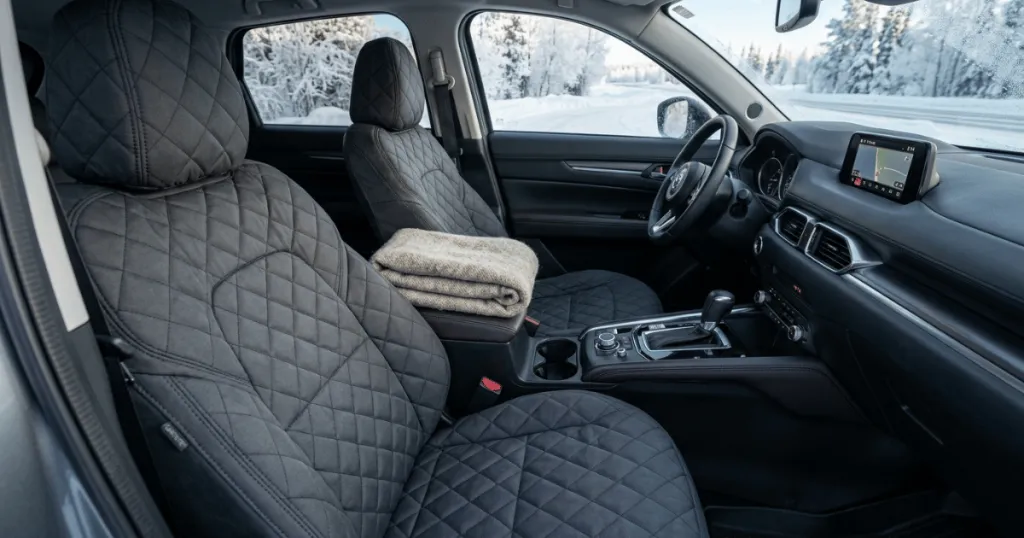
When you live in a region that experiences heavy snowfall and freezing temperatures, the interior of your vehicle faces unique challenges. Melting snow, road salt, and tracked-in slush can quickly degrade factory upholstery, leading to permanent stains, odors, and premature wear. Choosing a suitable snow climate car seat cover is a proactive way to shield your seats from these harsh elements while maintaining a comfortable cabin environment throughout the winter months.
A high-quality cover designed for cold-weather utility acts as a barrier between your vehicle’s seating surfaces and the damp, abrasive debris that accompanies winter travel. By prioritizing materials that resist moisture absorption and salt buildup, you can ensure that your seats remain protected regardless of how much snow or ice finds its way inside the vehicle.
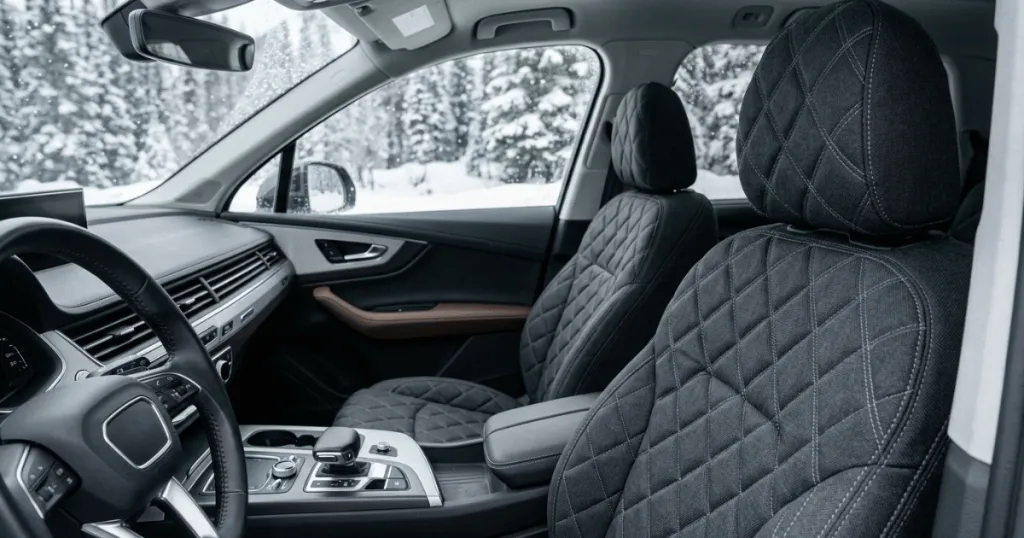
Factors That Define Winter-Ready Seat Protection
Not every seat cover performs well when exposed to freezing temperatures and high humidity. In a snow-heavy environment, the primary goal is to prevent moisture from reaching the underlying seat foam and fabric, as trapped dampness can lead to mold and mildew growth over time.
Moisture Resistance and Waterproofing
The most important feature for any snow climate car seat cover is effective moisture management. Materials that are naturally hydrophobic or treated with a waterproof backing prevent melted snow from soaking into the seat cushion. This is particularly vital for drivers who frequently enter their vehicles with damp outer layers, such as heavy winter parkas or snow pants. A waterproof barrier ensures that the liquid stays on the surface of the cover, where it can be easily wiped away before it has a chance to penetrate the seat upholstery.
Salt and Debris Mitigation
Road salt and sand are common byproducts of winter road maintenance, and they are notoriously abrasive. When these particles become embedded in seat fabric, they act like sandpaper, wearing down the fibers every time you shift your weight. A tightly woven or non-porous material prevents these fine particles from settling deep into the seat cover. Choosing a cover with a smooth finish makes it significantly easier to vacuum or wipe down the interior, ensuring that salt residue does not accumulate in the crevices of your seats.
Material Performance in Sub-Zero Temperatures
Different materials react differently to extreme cold. While some fabrics remain flexible and comfortable, others can become brittle or stiff, which may lead to cracking or discomfort during long drives.
Neoprene and Synthetic Rubber Blends
Neoprene is a popular choice for snowy environments because it is inherently water-resistant and maintains its flexibility even in freezing temperatures. It provides a soft, cushioned feel that remains comfortable during the initial minutes of a cold-weather commute. Because it is a closed-cell material, it does not absorb moisture, making it an excellent barrier against slush and melting snow.
Heavy-Duty Canvas and Coated Fabrics
Heavy-duty canvas, especially when treated with a water-repellent finish, offers superior durability against the physical abuse of winter gear. These materials are often thicker and more resistant to tears from sharp objects like ice scrapers or metal zippers on heavy winter clothing. While they may feel firmer than neoprene, their ability to withstand heavy-duty use makes them a reliable option for vehicles used in rugged, snowy conditions.
Practical Context for Winter Driving
The way you use your vehicle in winter directly influences the type of protection you need. A commuter driving to an office has different requirements than someone who spends their weekends skiing or off-roading in deep snow.
Managing Daily Commutes
For the daily driver, the focus is on ease of maintenance and comfort. You want a cover that is easy to wipe clean after a snowy day and doesn’t feel like an ice block when you first sit down. Materials that offer a bit of insulation can make a noticeable difference in comfort during the first few minutes of a cold start. If your vehicle has heated seats, ensure that the seat cover material is compatible with that feature, as some thicker, insulated covers can significantly dampen the heat transfer.
Off-Road and Outdoor Recreation
If your vehicle frequently transports ski equipment, snowshoes, or wet winter gear, you need a more robust solution. In these scenarios, full-coverage designs that protect the back of the seat and the headrests are beneficial, as they prevent snow from being kicked onto the upholstery by passengers in the back. These covers should be easy to remove and wash, as they will likely accumulate more salt and debris than a standard commuter cover.
Preserving Interior Integrity Through Winter
Protecting your vehicle’s interior during the winter is about more than just keeping it looking clean; it is about preserving the long-term value and integrity of the seating surfaces. Factory upholstery, whether leather or fabric, is susceptible to damage from the constant cycle of freezing and thawing. When moisture is allowed to penetrate the seat, it can cause the underlying foam to break down or develop persistent odors that are difficult to remove once the spring thaw arrives.
By installing a dedicated snow climate car seat cover, you create a robust outer shell that absorbs the impact of winter conditions. This simple addition saves you from the time-consuming process of deep-cleaning your seats after the season ends. Furthermore, a well-fitted cover prevents the salt-induced degradation that often leads to permanent staining or fiber fraying on original upholstery. In practice, this means your vehicle’s interior remains in better condition for years, which is a significant advantage if you plan to keep your car for a long time or eventually trade it in.
Winter Seat Cover Myths
A frequent error is the belief that any waterproof cover is equally effective for winter use. While waterproofness is a key factor, the material’s ability to handle temperature fluctuations is equally important. Some inexpensive plastic-based covers may become rigid and prone to cracking when temperatures drop well below freezing. Always prioritize materials that are specifically rated for cold-weather flexibility to avoid premature failure of the cover itself.
Another misconception is that thicker materials always provide better protection. While thickness can add durability, it can also interfere with the functionality of seat-integrated comfort features like heating elements. A thinner, high-performance synthetic fabric that is specifically designed to conduct heat is often a better choice than a bulky, heavily padded cover that acts as an insulator, blocking the warmth from reaching you.
Strategic Maintenance for Winter Longevity
Beyond the initial selection, keeping your seat covers clean throughout the winter season is essential for maximizing their lifespan. Road salt is chemically active; if left to sit on the surface of your covers for weeks at a time, it can begin to degrade even high-quality synthetic materials. Establish a routine of wiping down the surface with a damp microfiber cloth every few weeks, or more frequently if you notice visible salt crystallization. This simple act prevents the salt from grinding into the weave of the fabric or the grain of the faux leather.
When it comes to deep cleaning, always refer to the manufacturer’s care instructions. Many synthetic covers can be spot-cleaned, but some are machine washable. If you choose a machine-washable option, ensure you use a gentle cycle and air dry the covers completely before reinstalling them. Reinstalling damp covers is a recipe for trapped moisture, which can lead to the very mold and mildew issues you are trying to avoid. By treating your seat covers as a seasonal maintenance component rather than a “set it and forget it” accessory, you ensure they remain a reliable shield for your vehicle’s interior.
Assessing Fit and Coverage Patterns
The physical design of the seat cover plays a massive role in how well it performs in a snowy climate. A universal-fit cover might be easier to source, but it often leaves gaps around the seat bolsters or headrest stems where snow and slush can easily migrate to the factory upholstery. In a winter environment, full-coverage designs are superior.
These covers typically feature extended side panels and back-of-seat flaps that act as a comprehensive shield against wet gear. When evaluating a cover, look for designs that feature secure attachment points, such as heavy-duty clips, straps, or elasticized edges, that keep the cover taut against the seat. A loose-fitting cover is more likely to shift when you enter or exit the vehicle, potentially exposing the seat to the very elements you are trying to block.
Climate-Specific Comfort Considerations
While protection is the primary goal, comfort cannot be ignored. Winter driving often involves long, cold commutes where the cabin temperature takes time to stabilize. Some materials, like certain grades of vinyl or low-quality faux leather, can feel excessively cold to the touch in the morning, making the first few minutes of driving uncomfortable.
Conversely, high-quality neoprene or soft-touch polyester blends tend to reach ambient temperature more quickly, providing a more pleasant seating experience. If you live in a climate where temperatures frequently drop below zero, consider the tactile feel of the material as much as its waterproof rating. A cover that is comfortable to sit on will encourage you to keep it installed throughout the season, ensuring your factory seats remain protected through the harshest months of the year.
FAQ
Can I use a standard waterproof seat cover in a snowy climate?
While many waterproof covers work, a dedicated snow climate car seat cover is often better because it uses materials that remain flexible in freezing temperatures, preventing the cover from cracking or becoming brittle.
Do I need to remove my seat covers when the weather warms up?
It is not strictly necessary, but many owners choose to remove them in the spring to allow the original upholstery to breathe and to give the covers a thorough deep cleaning to remove any salt residue trapped during the winter.
How do I clean road salt off my seat covers?
Use a damp cloth with a mild, pH-neutral cleaner to wipe away salt deposits. For heavier buildup, a vacuum with a soft brush attachment is effective once the salt has dried, followed by a light wipe-down to ensure no abrasive particles remain.