When you live in regions characterized by intense, year-round sun and triple-digit temperatures, your vehicle interior faces a constant battle against thermal degradation. A desert climate car seat cover serves as the primary barrier between your upholstery and the relentless UV radiation that causes materials to crack, fade, and become dangerously hot to the touch. Unlike standard seat covers designed for general spill protection, those intended for arid environments must prioritize thermal regulation and material stability under extreme solar load.
Choosing the right protection for your seats involves looking past aesthetic preferences to focus on how specific textiles interact with infrared heat and ultraviolet light. In environments where interior temperatures can easily exceed 150 degrees Fahrenheit, the wrong material can trap heat against your skin or degrade rapidly, leaving your original seats vulnerable. This guide examines the specific factors that make a seat cover effective in harsh, sun-drenched conditions.
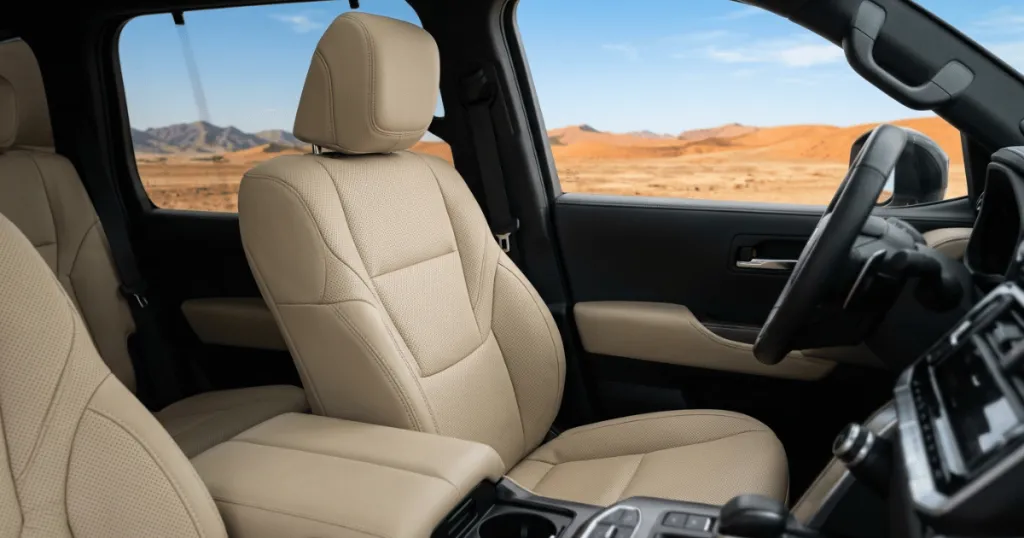
Key Factors for High-Heat Performance
The effectiveness of a seat cover in a desert environment depends on its ability to manage heat transfer and resist structural breakdown from UV exposure. Manufacturers often use specific fibers and weaves to achieve these goals, but not all materials perform equally when parked in direct sunlight for hours.
Thermal Conductivity and Heat Retention
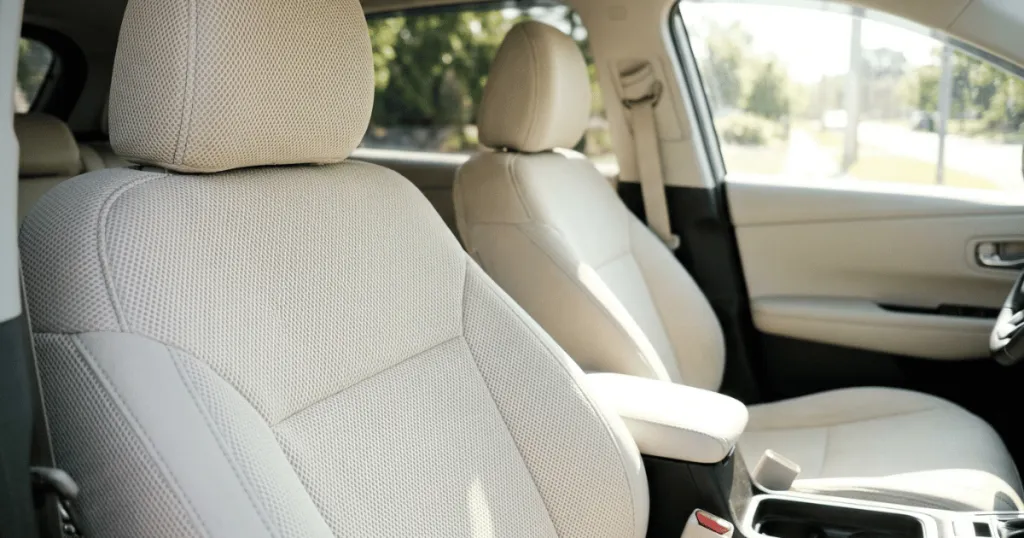
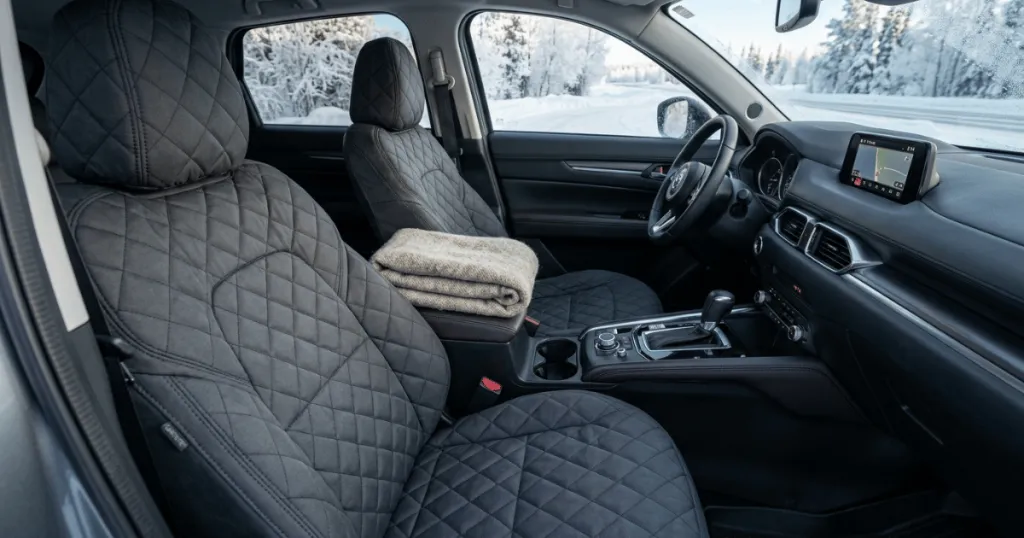
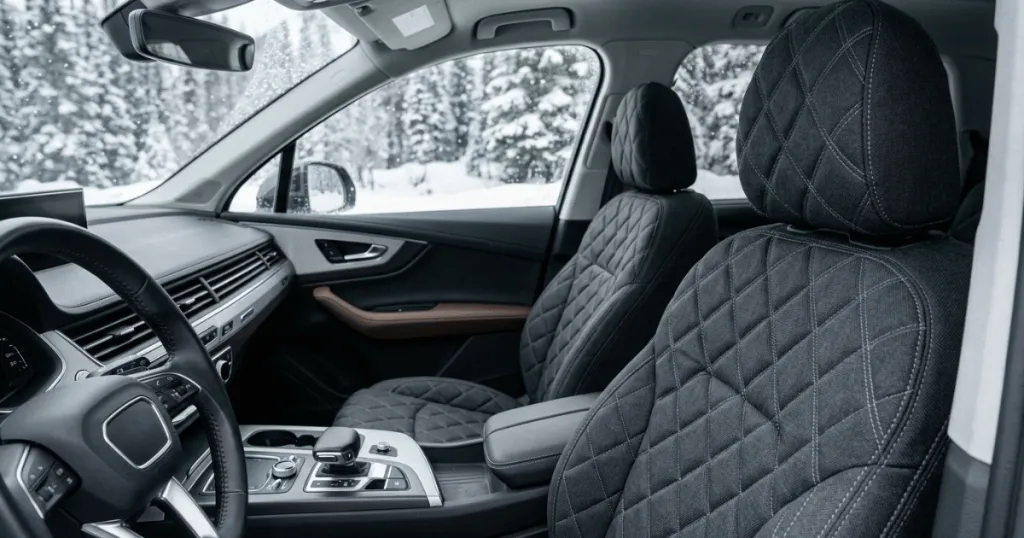
Materials with high thermal conductivity, such as certain dark-colored synthetic leathers, tend to absorb and hold heat, making them uncomfortable to sit on after the vehicle has been parked. In contrast, breathable fabrics like heavy-duty cotton blends or specialized spacer meshes allow for better airflow. When evaluating a desert climate car seat cover, prioritize materials that do not retain heat, as this directly impacts your comfort during the first few minutes of driving.
UV-Resistant Fiber Treatments
Ultraviolet radiation is the primary cause of material failure in desert regions, leading to the brittle texture and color fading often seen on older seat covers. High-quality covers for these climates often feature UV-inhibitor treatments applied during the manufacturing process. These chemical stabilizers prevent the polymer chains in synthetic fabrics from breaking down when exposed to constant, high-intensity light, significantly extending the lifespan of the cover.
Selecting Materials for Arid Environments
Not every material is suited for the intense conditions of the American Southwest or similar arid regions. Understanding how different fabrics react to extreme heat and dry air will help you narrow down your choices to those that provide actual protection rather than just a temporary aesthetic fix.
Breathable Synthetic Meshes
Synthetic mesh materials are frequently recommended for desert use because they facilitate air circulation. By allowing heat to escape from the seat cushion rather than trapping it between your body and the upholstery, these covers maintain a more consistent surface temperature. They are also less prone to the cracking and peeling that often plague faux leather products in low-humidity, high-heat settings.
Heavy-Duty Canvas and Cotton Blends
Canvas is a traditional choice for durability, but in a desert climate car seat cover, the weave density matters. A tightly woven, high-quality cotton-polyester blend offers excellent protection against sun damage while remaining relatively cool to the touch. These materials do not have the same “tackiness” as vinyl or PU leather, which can become sticky and uncomfortable when you are wearing light summer clothing.
Avoiding Non-Breathable Vinyls
While vinyl and standard faux leather are excellent for repelling liquids, they are often poor choices for desert climates. These materials act as insulators, trapping heat against the seat. Over time, the lack of breathability combined with extreme heat leads to the material becoming brittle and eventually cracking, which defeats the purpose of installing a protective cover in the first place.
Practical Considerations for Daily Use
Beyond the material itself, the design and fit of your seat cover influence how well it stands up to harsh conditions. A cover that fits loosely may shift, creating gaps where sunlight can hit the original upholstery, while a tight, custom-fit cover provides more uniform protection.
In practice, the color of your chosen cover also plays a significant role in heat management. While lighter colors are generally cooler, they can sometimes be more prone to showing dirt and dust, which is common in desert environments. A medium-toned, breathable fabric often represents the best compromise between heat reflection and ease of maintenance. Always ensure the cover is secured firmly to the seat frame, as loose fabric can bunch up, creating hot spots that are uncomfortable during long drives.
Preserving Interior Integrity Through Heat Mitigation
Protecting your vehicle’s interior in a desert climate is about more than just comfort; it is about preserving the underlying materials of your car’s seats. When original upholstery is exposed to constant, high-intensity heat, the natural oils in leather can evaporate, leading to cracking, while cloth seats can lose their color and structural integrity. By using a high-quality desert climate car seat cover, you act as a shield for the factory-installed materials.
Furthermore, the physical discomfort of sitting on a seat that has been baking in the sun can be a significant distraction for drivers. A cover that remains at a manageable temperature allows for a safer, more focused driving experience. When you prioritize materials designed for heat dissipation, you are investing in the long-term condition of your vehicle and your own daily convenience.
Clarifying Myths Regarding Thermal Performance
A frequent error is assuming that “waterproof” automatically implies “heat resistant.” Many waterproof covers are made from non-porous synthetic materials that are excellent at blocking spills but terrible at dissipating heat. In a desert climate, a waterproof cover can turn your seat into a heat trap, making the interior feel significantly hotter than it would with a breathable, moisture-wicking alternative.
Another common mistake is believing that thicker material always provides better protection. While thickness can offer durability, it does not necessarily correlate with UV resistance or thermal comfort. A thinner, high-tech fabric with UV-inhibitor coatings is often more effective at protecting your seats from the sun than a thick, un-treated material that absorbs and retains heat. Always check the manufacturer’s specifications regarding UV stability rather than relying solely on the weight or thickness of the fabric.
Maintenance Strategies for Arid Regions
Caring for a desert climate car seat cover requires specific attention to the environmental realities of low-humidity zones. Because the air is dry, dust and fine grit are constant companions. If left to accumulate, these particles work their way into the weave of the fabric. Under the pressure of a passenger sitting down, these tiny particles act like abrasive sandpaper, slowly wearing down the fibers of the seat cover from the inside out.
To mitigate this, regular vacuuming is essential. Use a soft-bristled brush attachment to gently agitate the surface of the fabric, which helps lift trapped dust from the deeper layers of the material. If you use a damp cloth for cleaning, ensure the cover is completely dry before closing the vehicle windows, as trapped moisture in a hot, enclosed car can lead to musty odors or mildew growth, even in dry regions.
Evaluating Long-Term Durability
When assessing the longevity of a cover, look for reinforced stitching and high-denier fabrics. In the intense sun of the American Southwest, the thread used in the seams is often the first point of failure. If the thread is not UV-stabilized, it will rot and snap long before the fabric itself shows signs of wear. Ensure that the product description mentions UV-resistant thread or heavy-duty construction, as this indicates the manufacturer has considered the environmental stressors of high-heat zones.
Finally, consider the ease of removal. Even the best covers will eventually collect dust and debris. A design that allows for quick removal and installation makes it much more likely that you will perform the necessary deep cleaning, which ultimately extends the life of both your seat cover and the original upholstery beneath it.
FAQ
Can I use leather or faux leather seat covers in a desert climate?
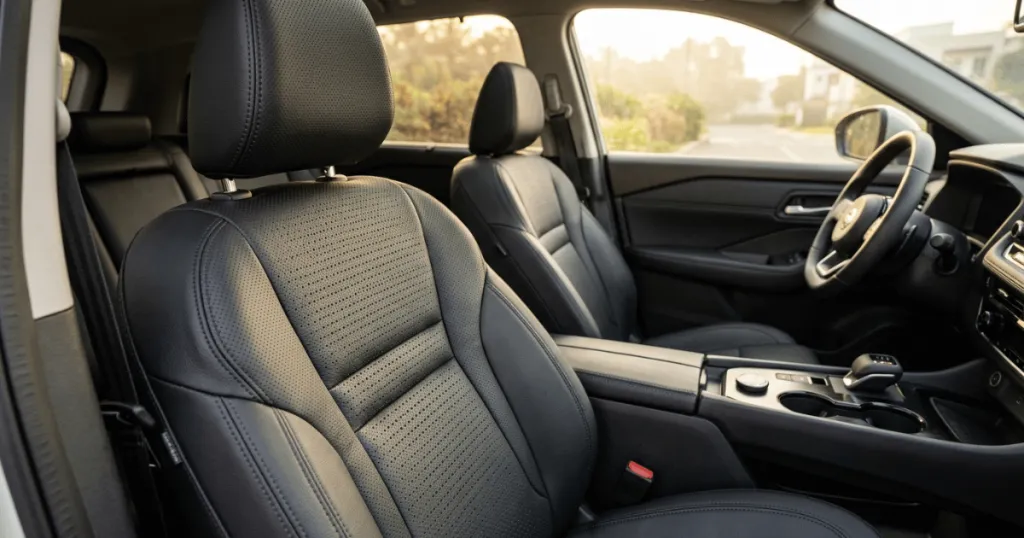
While possible, leather and faux leather are generally not recommended for a desert climate car seat cover because they tend to absorb heat and lack breathability. If you prefer the look of leather, look for perforated options that allow for better airflow, or consider a breathable fabric cover for the summer months.
How often should I clean my seat covers in a dusty desert environment?
In desert regions, fine dust and sand can settle into the fibers of your seat covers, acting like sandpaper over time. It is recommended to vacuum your covers weekly and wipe them down with a damp cloth to remove abrasive particles that can accelerate wear.
Do light-colored seat covers stay cooler in the sun?
Yes, lighter colors reflect more solar radiation than darker colors. Choosing a light-colored, breathable desert climate car seat cover can significantly reduce the surface temperature of your seats compared to black or dark grey options.