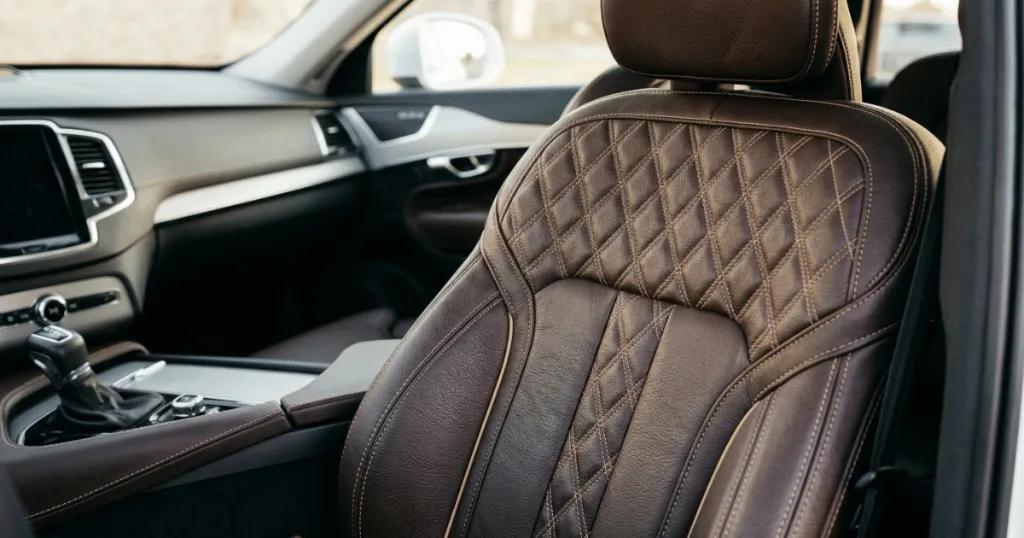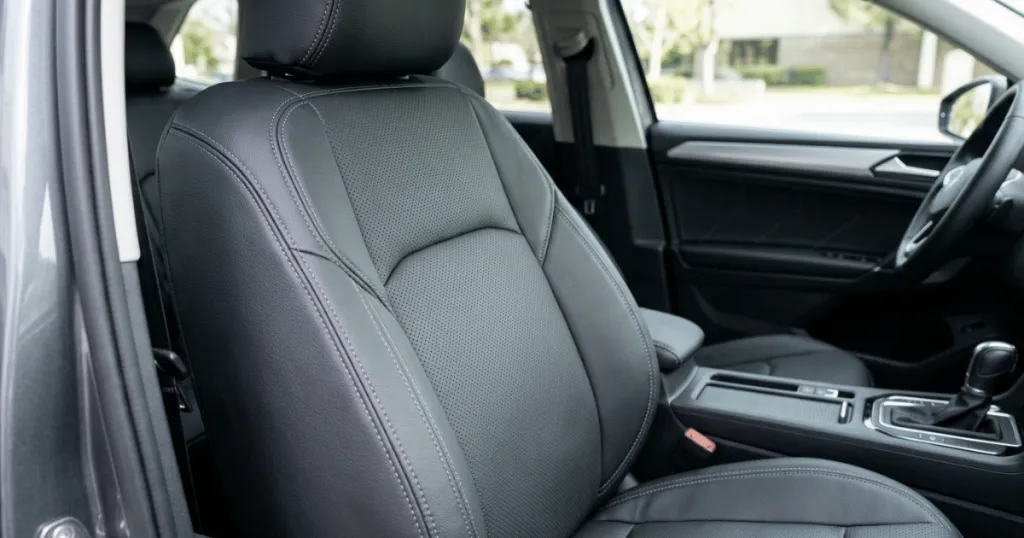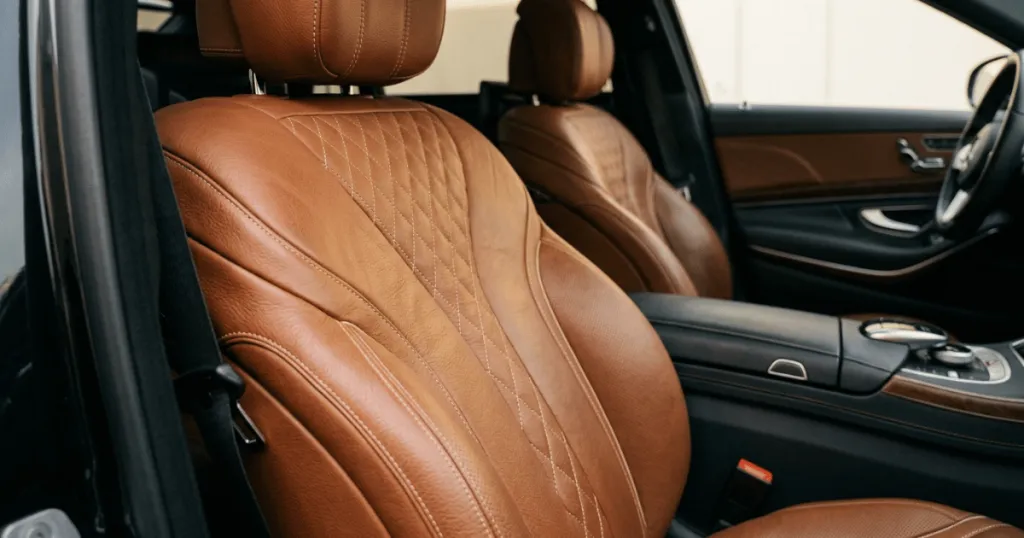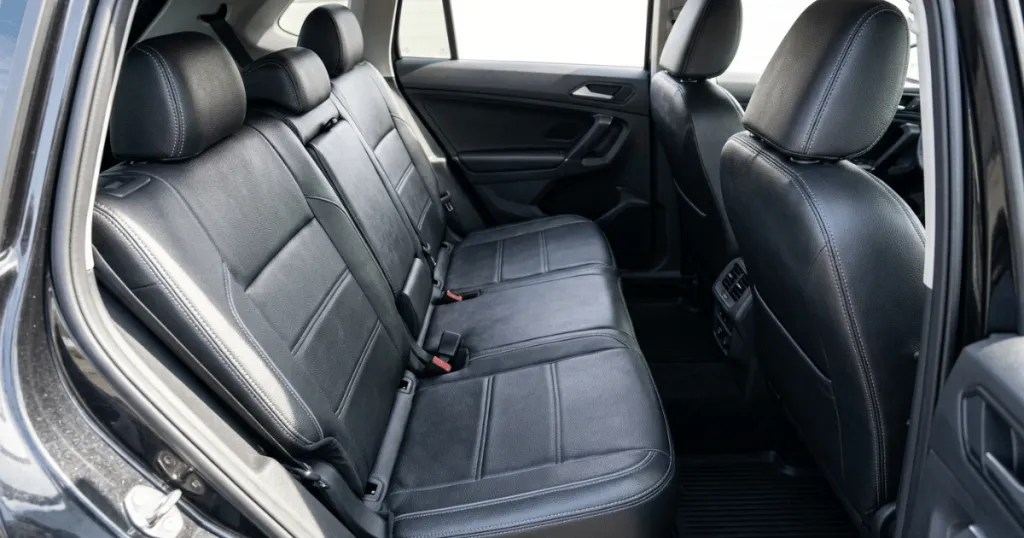
Choosing the right material for your vehicle’s interior often comes down to balancing aesthetics with practical daily demands. A faux leather car seat cover serves as a popular middle ground for owners who want the polished, uniform look of premium upholstery without the specific care requirements or cost associated with genuine hides. These covers are typically constructed from synthetic polymers, most commonly polyurethane (PU) or polyvinyl chloride (PVC), layered over a fabric backing to mimic the texture and grain of natural leather.
When you select a faux leather car seat cover, you are opting for a surface that is inherently non-porous. This structural difference is the defining characteristic that dictates how the material handles spills, temperature changes, and long-term wear. Because it does not absorb liquids like fabric or suede, it offers a distinct advantage in high-traffic vehicles, provided you understand how to manage its specific thermal and surface properties.
Performance Factors and Material Characteristics
The decision to install a synthetic leather product involves looking at how the material interacts with your specific environment. Unlike natural materials that require conditioning, synthetic options are designed for resilience against common cabin stressors.
Surface Resilience and Spill Management
The primary benefit of a faux leather car seat cover is its resistance to moisture. Because the surface is sealed, liquids do not soak into the underlying foam or the seat’s original upholstery. This makes it a practical choice for families or pet owners who need to wipe away messes quickly. In practice, this means a simple damp cloth is usually sufficient to restore the surface, provided you attend to the spill before it dries or settles into the seams.
Thermal Conductivity and Breathability
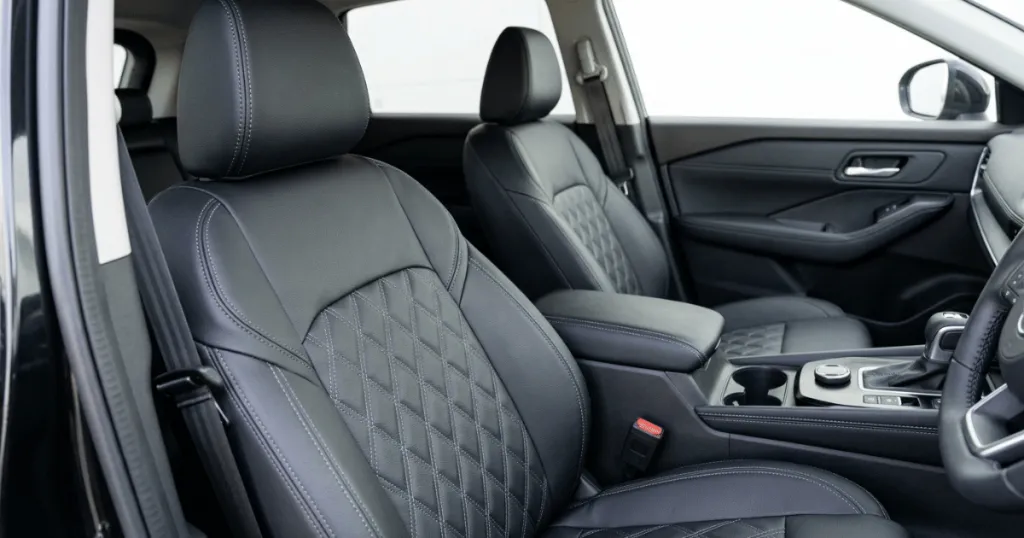
A common trade-off with non-porous synthetic materials is their interaction with cabin temperature. A faux leather car seat cover lacks the natural breathability of woven fabrics, which can lead to heat retention during long summer drives. In warmer climates, you may notice that the material feels warmer to the touch after the vehicle has been parked in direct sunlight. Some designs incorporate perforated sections or quilted patterns to mitigate this, allowing for minimal airflow, though the material itself remains less breathable than mesh or cotton alternatives.
Surface Texture and Durability
Durability in synthetic covers is measured by the thickness of the top layer and the quality of the backing. High-quality faux leather is designed to resist cracking and peeling under normal use. However, sharp objects like keys, pet claws, or heavy buckles can puncture the synthetic surface. Once the top layer is breached, the underlying fabric backing may become exposed, which can lead to faster degradation of the cover. Frequent entry and exit from the vehicle often place the most stress on the side bolsters, so selecting a cover with reinforced stitching in these areas is a practical way to extend the lifespan of the product.
Real-World Usage Scenarios
How you use your vehicle dictates whether this material is the right fit for your daily routine. The following scenarios highlight where these covers perform best and where they might require extra attention.
The Daily Commuter and Rideshare Environment
For vehicles used in high-frequency scenarios, such as daily commuting or commercial transport, the ease of cleaning is the most significant advantage. A faux leather car seat cover can be sanitized between trips, keeping the cabin looking tidy and well-kept in a way that porous fabrics often fail to do. In these environments, the material’s resistance to staining from coffee, food, or mud is a major benefit, as it keeps the interior looking consistent over time.
Off-Road and Outdoor Activity Use
If your vehicle is frequently used for outdoor activities, the protective nature of synthetic leather is an asset. It acts as a barrier against dust, dirt, and moisture that would otherwise become embedded in factory cloth seats. However, the trade-off is that these covers can become slippery when wet. If you frequently enter the vehicle with damp gear or clothing, ensure the cover has a textured finish or a high-friction backing to maintain stability while driving.
Why the Fit and Finish Matter
The visual appeal of a faux leather car seat cover is largely determined by the precision of its fit. Because synthetic leather is less pliable than woven fabric, a poorly fitted cover will show wrinkles and bunching more prominently. A snug, custom-fit or semi-custom-fit cover that aligns with the contours of your headrest, seat back, and cushion is essential for achieving a factory-like look. When the material is pulled taut, it resists sagging, which helps maintain the intended aesthetic of your vehicle’s interior.
Beyond aesthetics, a proper fit prevents the cover from shifting during use. When a cover slides against the original seat, it can cause friction that wears down the factory upholstery underneath. By securing the cover firmly with all provided straps and clips, you shield the original seat fabric while keeping the faux leather surface taut and comfortable for every mile of your journey.
Nuances of Synthetic Upholstery Types
There is often confusion between different types of synthetic materials, leading to unrealistic expectations. Many people assume that all faux leather is equally durable, but the manufacturing process varies significantly. PU-based materials tend to be softer and more flexible, while PVC-based options are often more rigid and resistant to heavy-duty wear. Evaluating these differences allows you to select a material grade that aligns with your specific comfort needs and daily usage intensity.
Another frequent misunderstanding is the belief that these materials are entirely maintenance-free. While they do not require the deep cleaning or conditioning that natural leather does, they are not immune to environmental damage. UV rays can cause synthetic materials to fade or become brittle over time if the vehicle is parked outdoors for extended periods. Using a sunshade or keeping the interior protected from direct, prolonged sunlight is a simple but effective way to maintain the integrity of your faux leather car seat cover for years.
Advanced Considerations for Long-Term Ownership
When evaluating a faux leather car seat cover for long-term use, consider the interplay between the material’s thickness and the seat’s internal structure. Thicker, heavy-duty synthetic leather provides superior protection against physical abrasion, but it may also be less compliant when wrapping around complex seat geometries, such as aggressive sport-style bolsters. Conversely, thinner materials offer a more seamless, form-fitting appearance but may be more susceptible to tearing if subjected to constant, high-pressure contact.
Another aspect often overlooked is the chemical composition of the backing material. High-quality covers often utilize a non-slip, rubberized, or felted backing that serves two purposes: it prevents the cover from migrating across the seat surface, and it provides a soft buffer that protects the original factory fabric or leather from being abraded by the synthetic underside of the cover. When researching options, look for details regarding the backing material, as this is a key indicator of the manufacturer’s attention to detail regarding interior upholstery preservation.
Environmental and Climate-Specific Performance
In regions with extreme temperature fluctuations, the performance of a faux leather car seat cover can vary significantly. In very cold environments, some synthetic materials can become stiff or lose their flexibility, which may lead to cracking if the material is stressed while frozen. Conversely, in high-heat environments, the plasticizers within the synthetic material can migrate to the surface over time, potentially leaving a tacky or oily residue. Regular, light cleaning helps remove these residues before they can attract dust or degrade the surface finish. By maintaining a consistent cleaning schedule, you mitigate the impact of environmental stressors, ensuring the material remains supple and visually appealing regardless of the local climate.
FAQ
Does a faux leather car seat cover require special cleaning products?
Generally, no. Most faux leather car seat cover options can be cleaned using a mild soap and water solution. Avoid harsh chemicals, bleach, or abrasive scrubbers, as these can damage the synthetic surface layer.
Will a faux leather car seat cover make my seats hotter in the summer?
Because synthetic leather is non-porous, it does not dissipate heat as effectively as breathable fabrics like mesh or cotton. You may notice it feels warmer after sitting in the sun, though choosing a lighter color or a design with perforations can help reduce this effect.
How long can I expect a faux leather car seat cover to last?
The lifespan depends on usage frequency and exposure to UV light. With proper care and by avoiding sharp objects that could puncture the surface, a quality faux leather car seat cover can provide several years of consistent protection and aesthetic improvement.