Upgrading your vehicle’s interior often starts with the seating surfaces, where a leather car seat cover can significantly alter the cabin’s aesthetic and tactile experience. Choosing the right material involves balancing your daily usage patterns, local climate, and the specific look you want to achieve. While many drivers associate leather with luxury and ease of cleaning, distinguishing between genuine hides and synthetic alternatives is necessary for making an informed decision that lasts.
This guide explores the characteristics of these covers, focusing on how they interact with your vehicle’s existing upholstery and what you should expect regarding long-term performance. By evaluating these factors before installation, you can ensure that your choice aligns with both your practical needs and your aesthetic preferences.
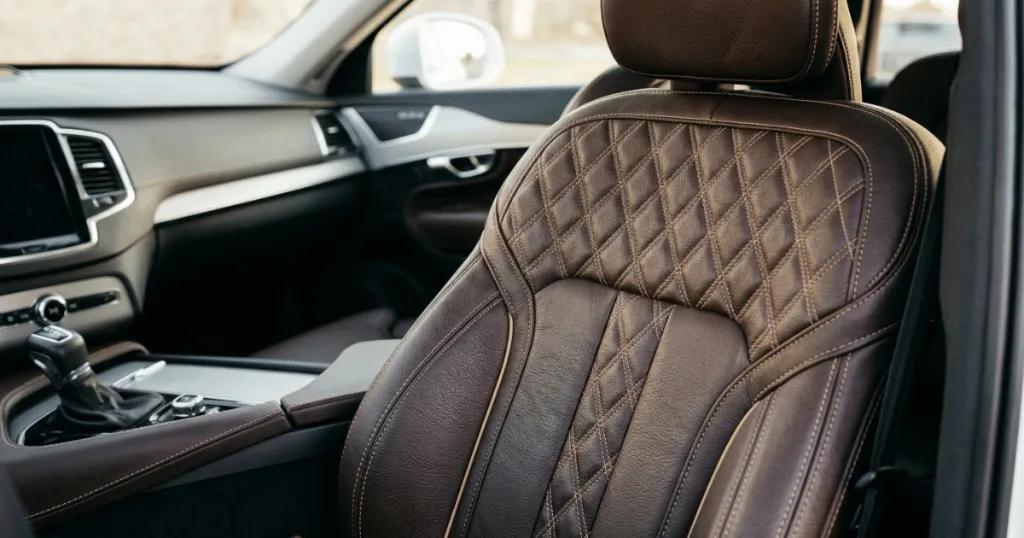
Defining the Leather Car Seat Cover Experience
When you select a leather car seat cover, you are essentially choosing between two distinct categories: genuine leather and synthetic, or faux, leather. Each offers a different set of trade-offs regarding cost, longevity, and maintenance. Recognizing these functional differences is the first step toward a successful interior update.
Genuine Leather Characteristics
Genuine leather is derived from animal hides and offers a unique, natural texture that develops a patina over time. It is highly breathable, which helps regulate temperature during long drives, and it is naturally resistant to tearing. However, genuine leather requires consistent conditioning to prevent it from drying out or cracking, especially in climates with high sun exposure or extreme temperature fluctuations.
Synthetic and Faux Leather Properties
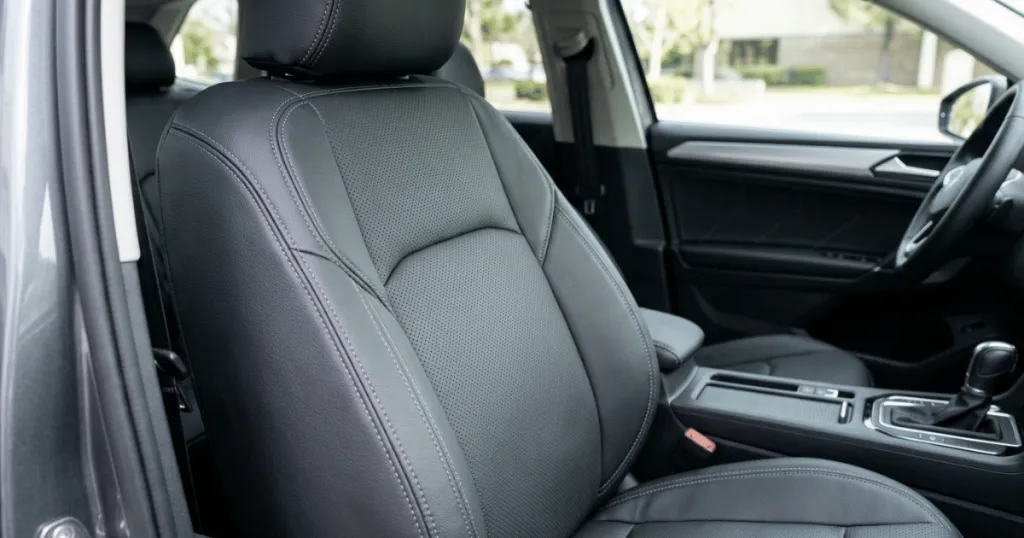
Synthetic options, often referred to as PU (polyurethane) or vegan leather, are engineered to mimic the appearance of genuine hide. These materials are generally more resistant to spills and moisture, making them practical for vehicles used by families or in commercial settings. While they lack the natural breathability of genuine leather, modern manufacturing has introduced perforated designs that help improve airflow, reducing the tendency for the material to feel sticky in hot weather.
Factors Influencing Material Performance
The performance of your seat covers depends heavily on the specific construction and the environment in which they are used. A leather car seat cover, whether real or synthetic, reacts differently to stressors like friction, sunlight, and moisture.
Impact of Climate on Material Choice
In hot, sunny climates, dark-colored leather can absorb significant heat, making the surface uncomfortable to touch after the vehicle has been parked. If you live in a region with intense sun, choosing a lighter color or ensuring the material has a high-quality UV-resistant coating can mitigate this issue. Conversely, in colder environments, leather can feel quite cold initially, though it warms up quickly once occupied.
Durability and Daily Wear Patterns
Durability is often determined by the thickness of the material and the quality of the finish. High-traffic vehicles, such as those used for rideshare or frequent commuting, benefit from thicker, more abrasion-resistant synthetic leathers. Genuine leather, while durable, can show scratches more easily if subjected to heavy, sharp-edged cargo or pet claws, requiring more careful handling to maintain its pristine appearance.
Real-World Usage Scenarios
The way you use your vehicle dictates the type of material that will serve you best. A leather car seat cover is a versatile choice, but its effectiveness depends on the specific demands of your lifestyle.
Family and Pet Considerations
For families with children or pet owners, the primary concern is usually liquid resistance and ease of cleaning. Synthetic leather is often the preferred choice here because it does not absorb liquids, allowing for quick wipe-downs after spills. Genuine leather, if not properly treated with a protective sealant, can absorb oils and moisture, which may lead to staining over time.
Luxury and Aesthetic Upgrades
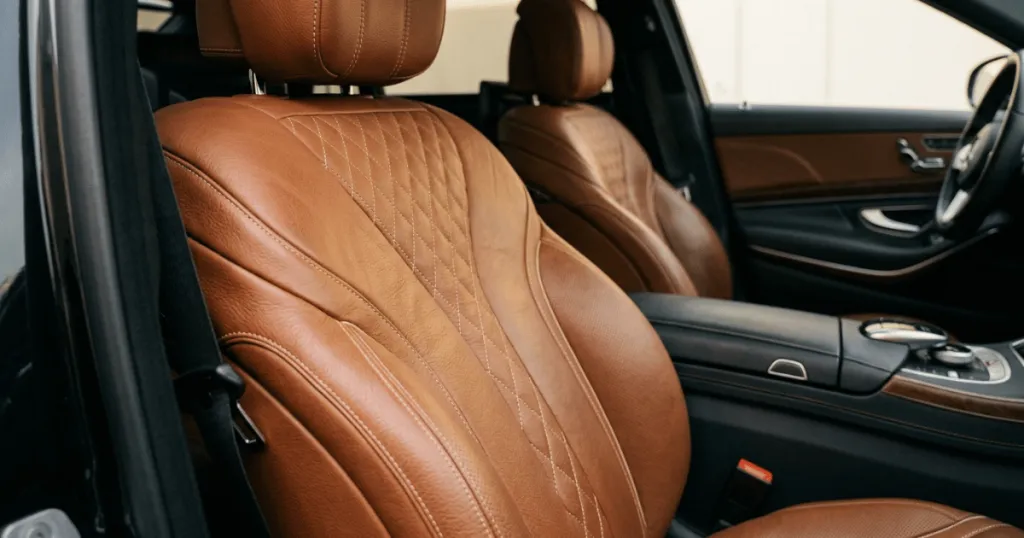
If your goal is to enhance the interior aesthetic of a classic or luxury vehicle, genuine leather remains the gold standard. The depth of color, the natural grain, and the way the material conforms to the seat contours provide an authentic, premium look that synthetic materials struggle to replicate perfectly. This is often the preferred route for owners looking to restore or elevate the cabin’s overall feel.
Evaluating Material Impact on Cabin Environment
The decision to install a leather car seat cover fundamentally shifts your daily tactile experience within the vehicle. The material you choose becomes the primary interface between you and the car, affecting your comfort during every commute or road trip. Choosing a material that fails to account for your local weather or your typical passenger load can lead to frustration, such as excessive sweating in summer or the need for constant, labor-intensive cleaning.
Furthermore, the investment in a high-quality cover can protect the underlying factory upholstery from permanent damage. By functioning as a protective outer shell, the cover absorbs the daily friction and spills that would otherwise degrade your original seats, helping to maintain the vehicle’s resale value. When you prioritize materials that match your actual usage, rather than just the look you see in a catalog, you ensure that the interior remains functional and comfortable for years to come.
Clarifying Realities of Leather and Faux Alternatives
One common myth is that all leather covers are inherently waterproof. In reality, genuine leather is porous and can be damaged by prolonged exposure to water or chemical cleaners. It requires specialized leather cleaners and conditioners to maintain its integrity, whereas synthetic alternatives can often be cleaned with mild soap and water.
Another frequent misunderstanding is that thicker material always equals better quality. While thickness can provide a sense of robustness, it can also make the cover stiff and difficult to install properly. A well-engineered cover should balance thickness with flexibility, ensuring it can be pulled taut over the seat contours without bunching or creating uncomfortable pressure points. Always look for materials that offer a balance of structural integrity and enough pliability to conform to your specific seat shape.
Final Considerations for Your Selection
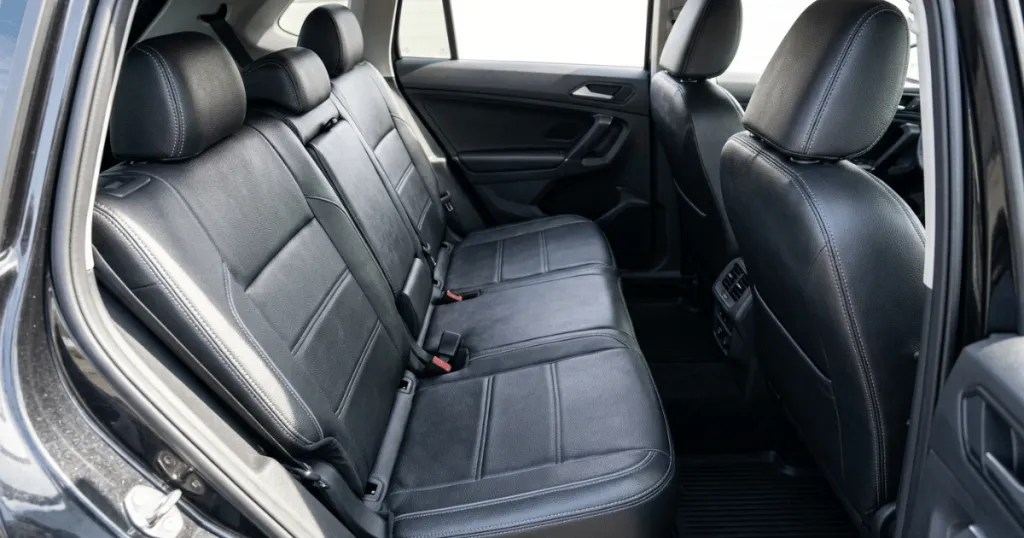
When finalizing your choice, remember that the fit is just as important as the material itself. A high-quality leather car seat cover will only perform as well as its installation allows; if the cover is loose or shifts during use, it will wear out prematurely regardless of the material’s inherent strength. Take the time to ensure the product you choose is designed for your specific seat configuration, whether you have bucket seats, bench seats, or captain’s chairs. By focusing on both the material properties and the practical fit, you ensure a long-lasting and comfortable upgrade for your vehicle’s interior.
Deep Dive: The Science of Surface Texture and Breathability
Beyond the basic material classification, the surface texture of a leather car seat cover plays a critical role in the driving experience. Smooth, top-grain leathers offer a sleek, premium feel but can sometimes feel slippery during spirited driving. In contrast, embossed or textured leathers provide increased friction, which helps keep the driver planted in the seat.
Breathability is the other side of this coin. Genuine leather, due to its cellular structure, allows for a degree of air permeability that synthetic materials often lack. When selecting a cover, consider whether your vehicle’s seats have ventilation features. If they do, opting for a non-perforated cover will negate that feature entirely, making breathable, perforated leather or high-quality synthetic alternatives a more logical choice for maintaining airflow.
Maintenance Protocols for Long-Term Preservation
Preserving the appearance of your leather car seat cover requires a proactive maintenance schedule. For genuine leather, this means avoiding the accumulation of dust and grit, which can act like sandpaper against the finish. Using a soft, microfiber cloth for regular dusting is essential. Every few months, applying a dedicated conditioner helps replenish the natural oils in the hide, preventing the brittleness that leads to cracking. For synthetic leather, the maintenance is less about conditioning and more about surface protection.
UV rays are the primary enemy of PU and faux materials, as they can cause the plasticizers to migrate out of the material, leading to stiffness and eventual peeling. Utilizing window shades when the vehicle is parked in direct sunlight is a simple, highly effective way to extend the lifespan of synthetic covers significantly.
Navigating Installation Challenges
The installation of a leather car seat cover is often underestimated by DIY enthusiasts. Because leather and high-quality faux leather have less stretch than fabric, achieving a factory-like fit requires patience and proper technique. It is vital to work in a warm environment, as this makes the material more pliable and easier to stretch over the seat contours.
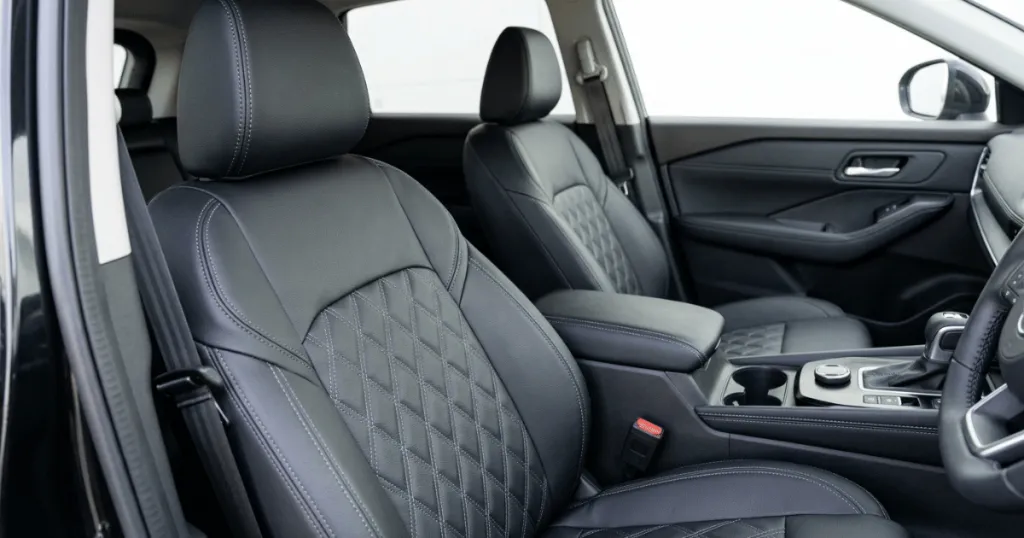
Avoid using sharp tools that could puncture the material during the fitting process. Instead, focus on using the provided straps and anchors to pull the material evenly from all sides. If the cover features complex stitching or diamond-patterned inserts, ensure these are aligned symmetrically before finalizing the tension. A well-installed cover should look like an extension of the seat itself, not an afterthought draped over the top.
FAQ
Does a leather car seat cover require special cleaning products?
Yes, genuine leather requires specific pH-balanced cleaners and conditioners to prevent the material from drying out or cracking. Synthetic or faux leather can typically be maintained with mild soap and water, though you should avoid harsh chemicals that might degrade the synthetic top layer.
Can I install leather seat covers if my seats have integrated heating?
Most high-quality leather car seat cover options are designed to allow heat transfer, but you should check the manufacturer’s specifications. Thicker materials may slightly delay the time it takes to feel the warmth, but they generally do not block the function entirely.
How do I prevent my leather seat covers from shifting?
Proper installation is key. Ensure all straps, hooks, and anchors are securely fastened according to the manufacturer’s instructions. If the cover continues to shift, check that it is the correct size and shape for your specific seat type, as a poor fit is the most common cause of movement.