Many vehicle owners assume that a synthetic upholstery upgrade is simply a budget-friendly substitute for genuine hides, but a pu leather car seat cover offers distinct functional characteristics that go beyond price point. Often referred to as polyurethane or faux leather, this material is engineered specifically for the rigors of automotive environments. By understanding its composition and limitations, you can better determine if it aligns with your specific interior needs.
Choosing the right material for your vehicle interior involves balancing aesthetics with the realities of daily wear. When you opt for a synthetic option, you are selecting a product designed for consistency, water resistance, and ease of maintenance. This overview breaks down what you can expect from these covers in terms of performance, longevity, and practical care.
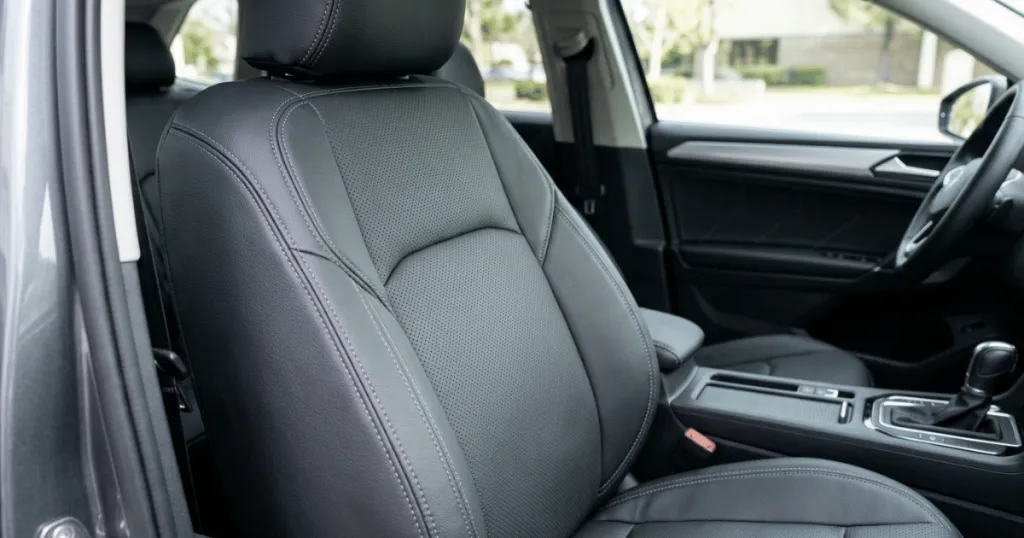
Defining the Composition and Feel of a PU Leather Car Seat Cover
Polyurethane leather is a multi-layered synthetic material. It typically consists of a base fabric, often polyester or cotton, coated with a flexible, textured polyurethane resin. This construction allows manufacturers to replicate the grain, sheen, and tactile quality of traditional leather while introducing properties that natural materials lack.
Surface Texture and Tactile Experience
The surface of a pu leather car seat cover is non-porous. This means it does not absorb liquids or odors in the same way that genuine leather or porous fabrics like cotton might. In practice, this creates a smooth, consistent feel that is relatively easy to slide across when entering or exiting the vehicle. However, because it is synthetic, it may feel slightly warmer in direct sunlight and less breathable than natural fibers.
Structural Consistency and Grain
Unlike natural hides, which feature variations in texture and thickness, polyurethane material is uniform. This consistency is a significant advantage during the manufacturing process, as it ensures that every section of the cover behaves identically under tension. When installed correctly, this uniformity contributes to a clean, tailored appearance across the entire seat surface, including complex contours like headrests and bolsters.
Factors Influencing Longevity and Performance
The lifespan of your seat covers depends heavily on how the material interacts with your specific climate and usage patterns. While synthetic leather is highly durable, it is not impervious to environmental stressors or physical abrasion over time.
Temperature and UV Exposure
In high-heat environments, the resin coating on a synthetic cover can become more pliable. While this makes the material comfortable, prolonged exposure to intense UV rays can eventually lead to surface cracking or stiffening. If you park your vehicle outdoors in direct sunlight for most of the day, the material may require more frequent conditioning to maintain its flexibility compared to covers used in temperate, shaded climates.
Abrasion and Daily Wear
The durability of these covers is largely determined by the thickness of the polyurethane layer and the quality of the backing fabric. For daily commuters or rideshare drivers, the friction caused by constant movement can eventually wear down the top layer. Opting for a cover with a reinforced backing or a thicker resin coating can significantly extend the time before the material shows signs of fatigue or thinning.
Real-World Context for Daily Vehicle Use
Integrating a new set of covers into your vehicle requires considering how you actually use your seats. Whether you are protecting original upholstery from pets, kids, or professional use, the material’s inherent traits dictate how well it will hold up.
Managing Spills and Debris
One of the primary benefits of this material is its resistance to moisture. Because the surface is sealed, liquid spills generally bead up rather than soaking into the cushion foam. This makes it an effective choice for families or those who frequently transport gear that might be damp or dirty. A simple wipe-down with a damp cloth is often sufficient to remove surface contaminants, preventing them from settling into the seat seams.
Pet and Cargo Considerations
If you regularly transport pets, the non-porous nature of the material is an asset. Pet hair does not weave itself into the fibers, making it easy to vacuum or brush away. However, it is important to note that while the material resists stains, it is still susceptible to punctures from sharp claws. If you have large pets, consider the thickness of the material and ensure the fit is tight to prevent excessive bunching, which can be a weak point for tears.
Why Material Choice Impacts Your Interior Comfort
The decision to install a pu leather car seat cover is fundamentally about managing the trade-off between protection and long-term comfort. Because the material does not breathe like fabric, it can trap heat against the body during long drives. If your vehicle lacks seat ventilation, you may notice this more acutely during warmer months.
However, the trade-off is a significant reduction in maintenance time. You are not dealing with deep-cleaning fabric stains or conditioning natural leather to prevent it from drying out. For many owners, the ability to maintain a pristine, uniform interior appearance with minimal effort outweighs the slight difference in breathability. The key is to prioritize a quality fit; a loose cover will trap more air and create more friction, which accelerates wear and reduces overall comfort.
Addressing Common Misconceptions About Synthetic Upholstery
Many owners worry that synthetic materials will inevitably peel or flake after a short period. While this was a common issue with early generations of faux leather, modern manufacturing has improved the bonding process between the resin and the backing fabric. Flaking usually occurs when the material is subjected to extreme temperature fluctuations or when harsh chemical cleaners are used, which break down the plasticizers in the resin.
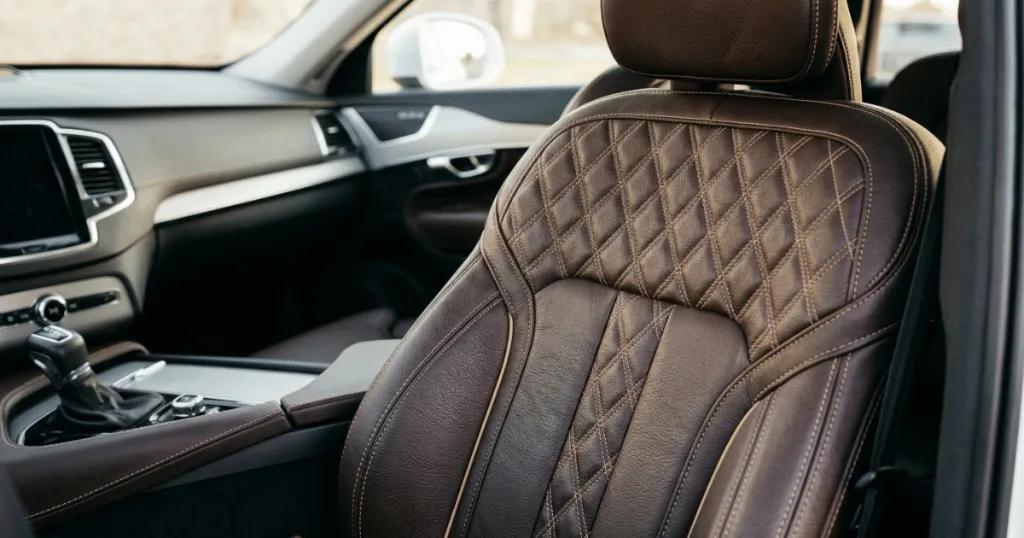
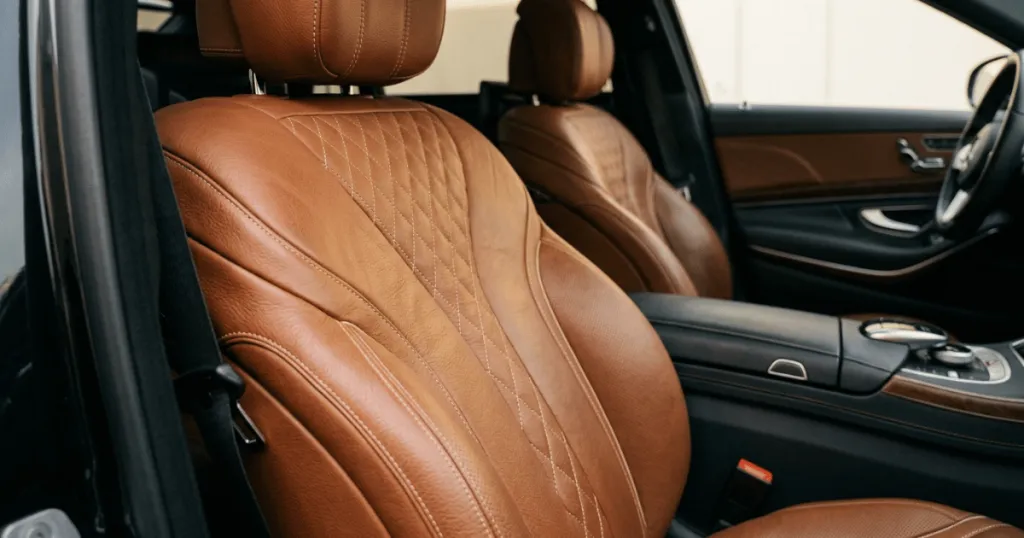
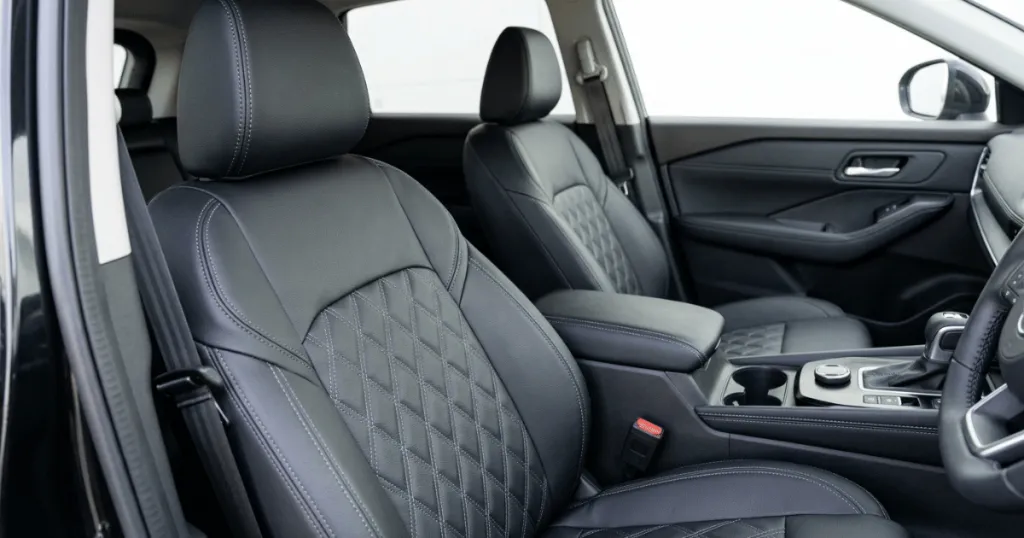
Another common concern is that these covers are inherently “cheap” or uncomfortable. In reality, the quality of the finish, such as diamond-stitching or perforated patterns, can significantly enhance both the look and the airflow of the seat. A well-designed pu leather car seat cover is often indistinguishable from high-end vinyl or bonded leather to the casual observer, providing a luxury aesthetic without the intensive care requirements of organic materials. By avoiding harsh solvents and keeping the surface clean, you can ensure the material retains its finish for many years.
Strategic Maintenance for Extended Material Life
To maximize the utility of your synthetic covers, adopt a routine that respects the chemical nature of the polyurethane. Unlike natural leather, which requires oils to stay supple, synthetic covers benefit most from gentle cleaning and protection against environmental degradation. Avoid using heavy-duty leather conditioners, as these are formulated for porous hides and may leave a greasy, sticky residue on a non-porous surface that attracts dust and grime.
Instead, focus on mild, pH-neutral cleaners that remove surface oils and perspiration without stripping the resin coating. If you live in an area with high UV intensity, consider using a protectant specifically designed for vinyl or synthetic surfaces that includes UV inhibitors. This provides a chemical shield that deflects solar radiation, preventing the underlying resin from becoming brittle. Regularly vacuuming the seams is also vital; grit and sand trapped in the crevices act like sandpaper, wearing down the backing fabric from the inside out every time you sit down.
Evaluating Fit and Installation Dynamics
The performance of a pu leather car seat cover is inextricably linked to how well it conforms to the seat geometry. Because polyurethane has limited elasticity compared to woven fabrics, a poor fit can lead to premature stress on the seams. When installing, ensure the cover is pulled taut across the seat bolster and backrest to minimize shifting. If the cover is loose, the constant sliding of the material against the original upholstery creates friction, which can lead to heat buildup and potential material fatigue.
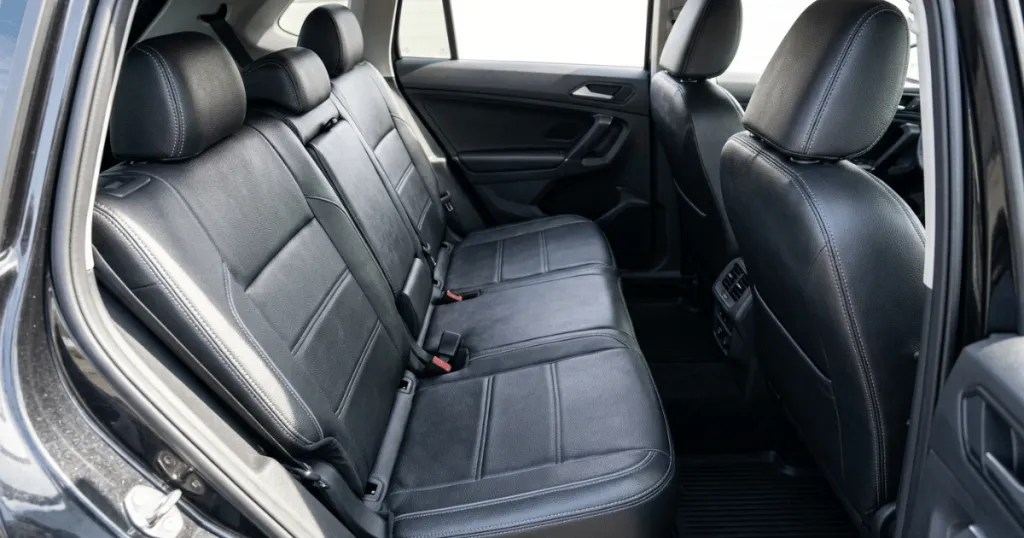
Consider the seat type when selecting your design. Bucket seats with deep side bolsters require covers with specific cutouts or flexible panels to accommodate the contour without bunching. For bench seats, ensure the attachment points are secure to prevent the cover from sliding during passenger entry or exit. A properly installed cover should feel like a second skin, providing a stable surface that supports the user while shielding the original seat from daily wear.
Balancing Aesthetic Goals with Practical Utility
Selecting a pu leather car seat cover often involves a choice between various finishes, such as matte, semi-gloss, or textured grains. Matte finishes tend to look more contemporary and hide minor scratches better than high-gloss options, which can highlight imperfections over time. If you are aiming for a luxury look, look for options that feature subtle stitching patterns or perforated sections. These design elements are not just for show; they can slightly improve airflow and break up the surface tension of the material, making the seat feel more comfortable during long periods of use.
Ultimately, the value of synthetic upholstery lies in its predictability. You know exactly how it will react to spills, how it will look after a year of use, and how much effort is required to keep it clean. By aligning your expectations with the material’s properties, prioritizing protection and ease of care over the breathability of natural fibers, you can create an interior environment that remains functional and visually appealing for the duration of your vehicle ownership.
FAQ
Is PU leather the same as genuine leather?
No, PU (polyurethane) leather is a synthetic, man-made material. It is designed to mimic the look and feel of genuine leather but is non-porous, generally more water-resistant, and does not require the same conditioning treatments as animal hides.
How do I clean my PU leather seat covers?
Maintenance is straightforward. Use a soft, damp cloth with a mild, pH-neutral soap solution to wipe away surface dirt and spills. Avoid harsh chemical cleaners, solvents, or abrasive brushes, as these can damage the resin coating and lead to cracking or peeling.
Will these covers make my seats hot?
Because PU leather is non-porous and synthetic, it does not breathe as well as natural fabrics like cotton or wool. You may notice it feels warmer in direct sunlight or during extended periods of sitting, especially in vehicles without seat ventilation.
Can I use leather conditioner on my PU seat covers?
It is generally not recommended. Traditional leather conditioners are designed to penetrate and moisturize porous animal hides. On a non-porous synthetic surface, these products will likely sit on top, creating a sticky, greasy film that attracts dirt.