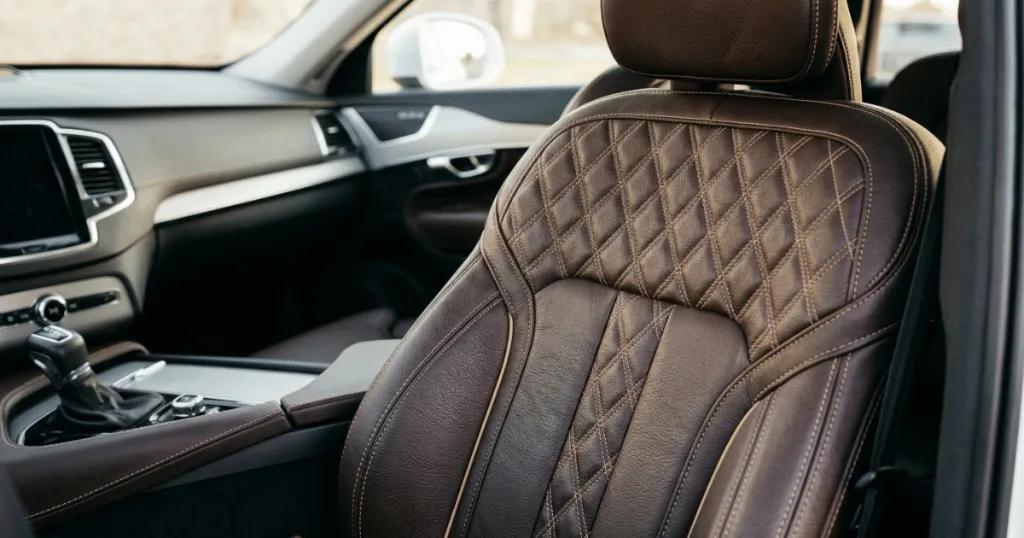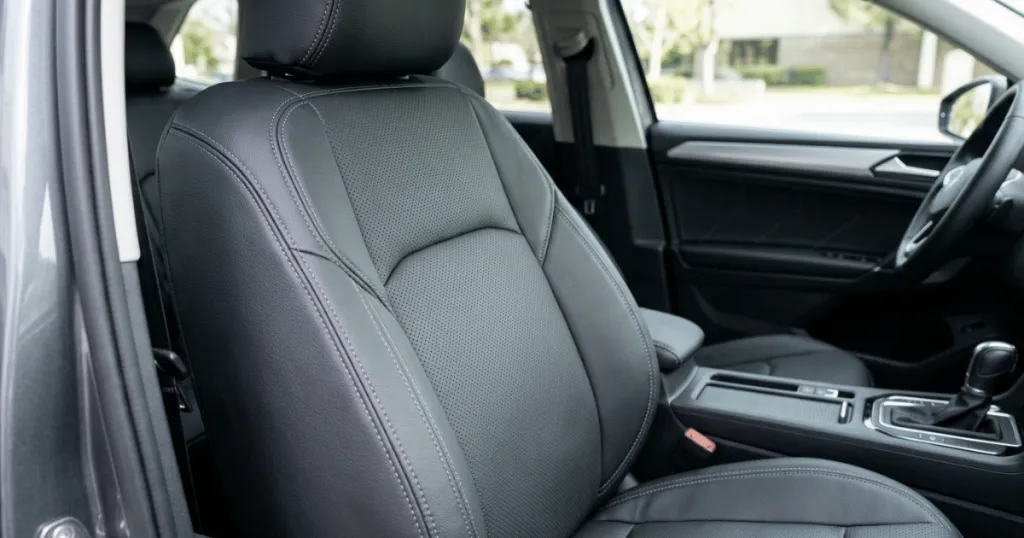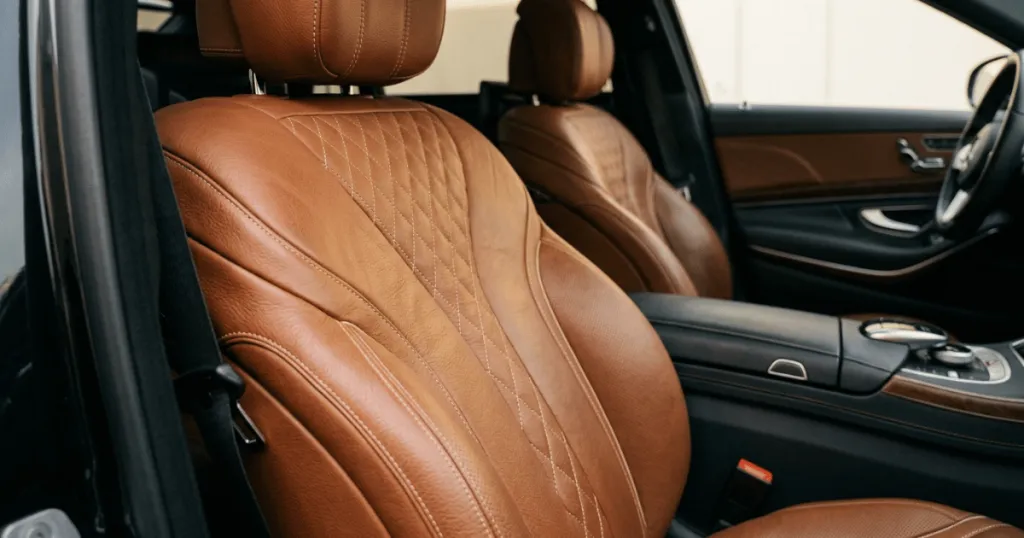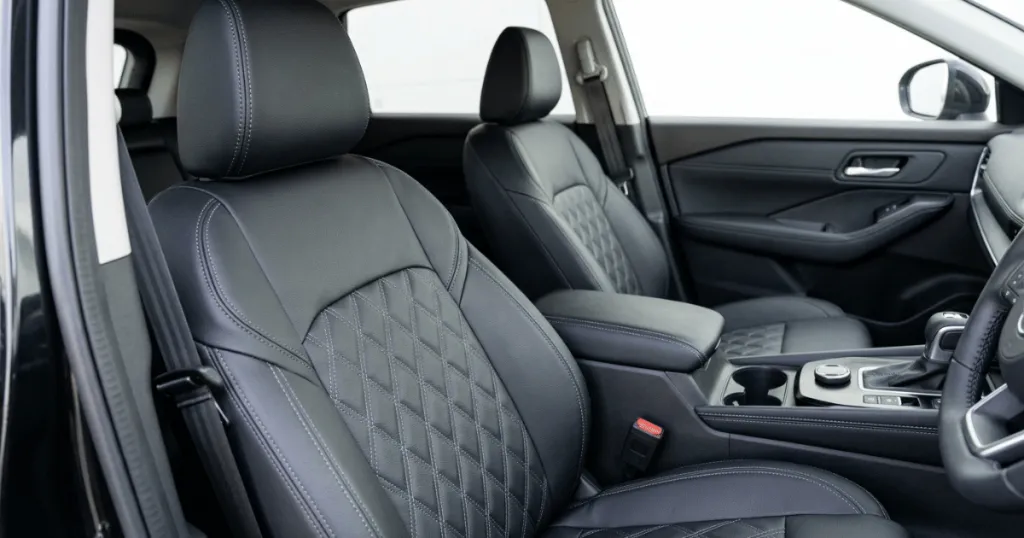
When you look for interior protection, a pvc car seat cover often appears as a high-durability, utility-focused option. These covers are constructed from polyvinyl chloride, a synthetic plastic polymer that is widely recognized for its resistance to liquid penetration and surface wear. Unlike porous fabrics that absorb spills, this material acts as a barrier, making it a frequent choice for vehicle owners who prioritize ease of cleaning over the aesthetic of natural textiles.
Choosing this material usually comes down to a trade-off between long-term resilience and tactile comfort. While it offers a distinct, smooth finish that can mimic the look of leather, the material behaves differently under temperature fluctuations and daily use. Evaluating these specific physical traits allows you to determine if this synthetic material aligns with your personal driving habits and the specific climate inside your cabin.
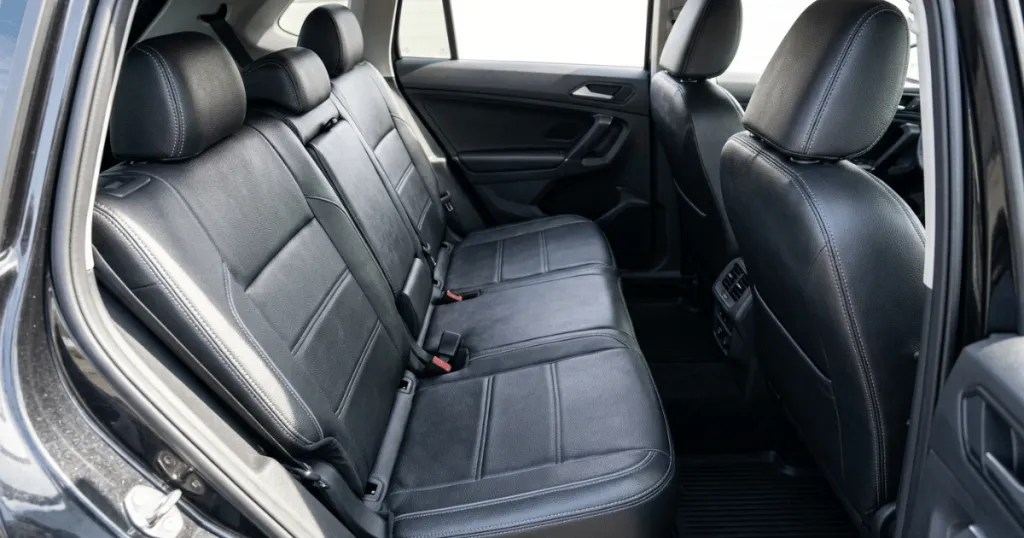
Performance Factors and Material Properties
The utility of a pvc car seat cover is largely defined by its chemical composition. Because it is a non-porous material, it provides a level of liquid resistance that few other materials can match. This makes it a practical solution for scenarios where spills, mud, or heavy moisture are common occurrences, such as in work vehicles or during outdoor excursions.
Liquid Resistance and Surface Cleanup
The primary advantage of this material is its ability to repel liquids. If you frequently transport gear or encounter wet conditions, the surface prevents moisture from seeping into the underlying seat cushion. This feature simplifies interior maintenance significantly; most surface debris can be wiped away with a damp cloth or a mild interior cleaner, eliminating the need for deep extraction or machine washing. Unlike fabric covers that require drying time if they get soaked, a PVC surface is ready for use almost immediately after a quick wipe-down.
Durability Under Heavy Use
In terms of physical wear, this material is engineered to withstand high-friction environments. It resists scuffs and tears better than many thin, woven fabrics, which is why it is often found in commercial or heavy-duty use cases. However, the thickness and quality of the PVC layer vary between products, and thinner versions may be more susceptible to cracking over time if exposed to extreme, prolonged sunlight. High-quality variants often incorporate stabilizers to mitigate UV degradation, extending the lifespan of the cover even in harsh environments.
Real-World Context for Daily Use
How a cover performs in your specific vehicle depends heavily on your local climate and how you use your seats. The material’s reaction to heat and cold is a significant factor for drivers in regions with extreme seasonal shifts.
Temperature Regulation and Comfort
Because PVC is a synthetic polymer, it does not breathe like cotton, canvas, or wool. In hot weather, the material can become quite warm, and it lacks the moisture-wicking properties that help keep passengers cool during long trips. Conversely, in very cold temperatures, the material may feel stiff to the touch until the vehicle’s cabin warms up.
If your priority is year-round temperature comfort, you might find that this material requires more frequent adjustment of your climate control settings. Some users mitigate this by using seat cushions or covers with perforated designs, which can offer a slight improvement in airflow compared to solid, non-perforated sheets.
Installation and Fitment Considerations
The structural rigidity of this material can make the installation process slightly more demanding than with flexible fabrics. Because the material has less natural stretch, achieving a smooth, wrinkle-free fit requires careful tensioning during the initial setup. Firmly fastening all provided straps and anchor points is critical to prevent the cover from sliding, as the smooth surface of the PVC can shift against the original upholstery if not held securely in place. Proper tensioning also prevents the material from bunching, which can lead to premature stress points or creasing in the synthetic layer.
Why This Material Choice Impacts Your Interior
Selecting a pvc car seat cover is a decision that affects the long-term condition of your vehicle’s factory seats. By acting as a protective shell, it prevents the original upholstery from being exposed to direct UV rays, which can cause fading and drying of leather or fabric over time. This preservation aspect is one of the main reasons owners turn to synthetic covers, as it helps maintain the vehicle’s interior condition for future resale or personal satisfaction.
However, the trade-off is the change in the tactile experience of your seats. If you are accustomed to the soft, porous feel of a fabric or the natural grain of leather, the switch to a synthetic plastic surface will be noticeable. For many, this is a fair trade for the convenience of low-maintenance protection, but it is worth considering how much time you spend in the driver’s seat. If you are a long-distance commuter, the lack of breathability might become a point of frustration compared to more porous material alternatives.
Clarifying Realities of Synthetic Materials
One common myth is that all synthetic covers are identical in quality. In reality, the manufacturing process for a pvc car seat cover can result in vastly different outcomes. Some versions are backed with a soft foam or fabric layer that improves comfort and helps the cover grip the seat better, while others are essentially a single layer of plastic. Always look for the backing material, as it significantly affects both the longevity of the cover and the comfort of the passenger.
Another misconception is that these covers are entirely maintenance-free. While they are easy to clean, they are not immune to damage. Harsh chemicals or abrasive scrubbing pads can mar the surface finish or cause the material to lose its flexibility. Using gentle, pH-neutral cleaners and avoiding prolonged exposure to direct, intense heat are the best ways to ensure your cover remains in good condition. With proper care, a high-quality PVC option provides a reliable, protective layer for your vehicle’s interior for years to come.
Strategic Considerations for Long-Term Ownership
When integrating a PVC cover into your vehicle, consider the interaction between the cover and the seat’s existing features. If your vehicle has integrated seat heaters, the non-porous nature of the PVC will act as an insulator. While this means you will eventually feel the heat, it may take longer for the warmth to penetrate the cover compared to a thin fabric. Conversely, in vehicles with cooled seat functions, a standard PVC cover will effectively block the airflow, rendering the cooling feature largely ineffective unless the cover is specifically designed with perforations to allow air passage.
Furthermore, consider the aesthetic impact. PVC covers often come in high-gloss or matte finishes. A matte finish is generally preferred for a more subtle look that blends with modern vehicle interiors, whereas high-gloss options can appear more utilitarian. Because the material is synthetic, it is available in a wide array of colors, but it is important to note that lighter colors may show scuffs or color transfer from clothing more readily than darker shades. If you are using these covers in a high-traffic environment, such as a family vehicle or a work truck, choosing a darker, matte-finish PVC is often the most practical approach for maintaining a clean appearance over time.
Finally, remember that the longevity of the cover is tied to the quality of the installation. A loose-fitting cover is more prone to friction-based wear. As you enter and exit the vehicle, the material will rub against the seat frame or the original upholstery. By keeping the material pulled taut and consistently checking that all anchors remain tight, you reduce unnecessary friction, which preserves the condition of both the cover and the seat underneath. Regular inspection of the straps and hooks during your routine vehicle cleaning will help you catch any loosening before it leads to significant wear.
FAQ
Is a PVC car seat cover waterproof?
Yes, the material is inherently waterproof because it is a non-porous synthetic plastic. It prevents liquids from penetrating through to the seat cushion, making it an effective barrier against spills and moisture.
Does this material get hot in the summer?
Yes, because it does not breathe, it tends to retain heat in direct sunlight. Drivers in hot climates may find the surface becomes uncomfortable faster than breathable fabrics like canvas or cotton.
How do I clean a PVC car seat cover?
Cleaning is straightforward; you can typically wipe the surface with a damp cloth and a mild interior cleaner. Avoid using harsh solvents or abrasive brushes that could damage the finish.
Can PVC covers be used with heated seats?
Yes, but they act as an insulator. You will still feel the heat, but it may take longer to transfer through the material compared to thinner, porous fabrics.