Selecting the right upholstery protection for your vehicle interior often comes down to balancing comfort, aesthetic preference, and long-term durability. A fabric car seat cover serves as a versatile solution for owners looking to refresh their cabin, protect factory seats from daily wear, or simply change the tactile experience of their driving environment. Unlike synthetic leather or specialized industrial materials, fabric options offer a unique set of characteristics that prioritize breathability and a soft-touch feel.
When you opt for a fabric car seat cover, you are choosing a material that generally regulates temperature better than non-porous alternatives. This makes them a popular choice for daily commuters who want to avoid the extreme temperature swings associated with vinyl or leather surfaces. By understanding the specific properties of different fabric weaves and fibers, you can select a cover that aligns with your specific climate and usage patterns.
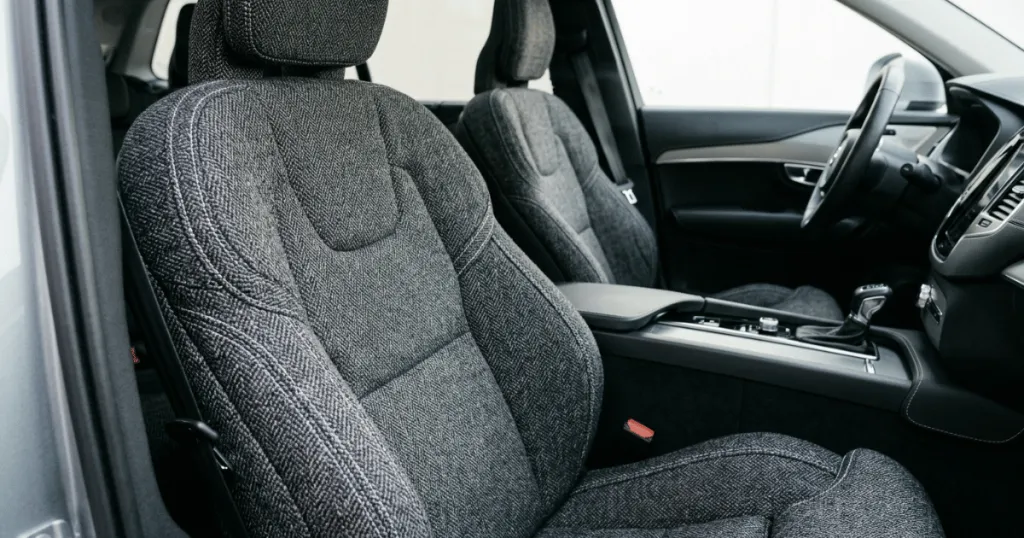
Key Factors Influencing Fabric Car Seat Cover
The performance of any textile-based interior upgrade depends heavily on the fiber composition and the density of the weave. These elements dictate how the material reacts to friction, moisture, and sunlight over time. Unlike rigid materials, fabric behaves dynamically, stretching and compressing with the seat foam, which requires a careful balance between flexibility and structural integrity.
Fiber Composition and Durability
Polyester blends are the most common choice for a fabric car seat cover because of their inherent resistance to abrasion and fading. These synthetic fibers are engineered to withstand the constant sliding in and out of a vehicle, which often causes natural fibers like cotton to fray or thin out prematurely. When looking at durability, consider the denier count or the weight of the fabric; a heavier, tightly woven polyester or oxford-style fabric will typically outlast thinner, decorative knits. The denier count essentially measures the thickness of the individual threads used in the weave; a higher denier indicates a more robust, heavy-duty material capable of resisting snags from keys, zippers, or pet claws.
Breathability and Climate Adaptation
One of the primary advantages of fabric is its ability to allow air circulation. In hot climates, a fabric car seat cover prevents the “stickiness” that often occurs with non-breathable materials. This is particularly noticeable during long drives where heat dissipation becomes a significant factor for passenger comfort. Fabrics like mesh or loose-weave knits are specifically designed to maximize this airflow, though they may sacrifice some spill resistance in the process. For those in humid environments, the moisture-wicking properties of certain polyester blends can prevent the buildup of dampness, keeping the seating surface feeling dry and comfortable even after extended periods of use.
Texture and Interior Aesthetics
The tactile experience of your seating surface changes significantly with the addition of a fabric cover. Options range from plush velour or velvet-style fabrics, which provide a soft, luxury-adjacent feel, to rugged canvas or denim-style weaves that offer a more utilitarian, textured grip. Choosing the right texture depends on whether you prioritize a soft, cushioned feel or a stable, non-slip surface that keeps occupants firmly in place during turns. While velour offers a high-end, soft aesthetic, it can be more prone to collecting dust and lint compared to the tighter, flatter weave of a canvas or cordura cover.
Real-World Scenarios and Material Suitability
Your daily routine and the specific way you use your vehicle should dictate the type of fabric you choose. Different usage patterns expose the material to distinct types of stress, requiring specific material properties to maintain a clean and functional interior.
Family and High-Traffic Usage
For vehicles used primarily for commuting with children or frequent passengers, stain resistance and ease of cleaning are paramount. A fabric car seat cover made from treated polyester or a tight-weave synthetic blend is often the most practical choice here. These materials can typically be spot-cleaned with mild detergents, and many are designed to resist liquid absorption long enough for you to wipe away spills before they penetrate the foam cushion beneath. When selecting for family use, look for fabrics that feature a moisture-repellent treatment, which acts as a barrier against juice spills, mud, or food debris.
Pet-Friendly Interior Protection
If you travel with pets, the weave of the fabric becomes the most critical feature. Open-weave fabrics or loose knits are prone to snagging on claws, which can lead to rapid degradation of the cover. Instead, look for tight, smooth-weave fabrics like cordura or heavy-duty canvas. These materials are less likely to trap pet hair and are generally robust enough to handle the occasional scratch without showing visible damage to the weave. Furthermore, these dense fabrics are easier to vacuum, as the hair sits on the surface rather than becoming embedded deep within the fibers.
Commercial and Rideshare Environments
In a commercial setting, the focus shifts to longevity under constant use. A fabric car seat cover in a rideshare vehicle needs to withstand dozens of entries and exits daily. In these cases, opting for a high-abrasion-resistant fabric, often tested for thousands of “double rubs” in industrial settings, is a smart investment. These materials are built to maintain their shape and color integrity even when subjected to heavy, repetitive friction. The “double rub” count is a standard industry metric that provides a reliable baseline for how long a fabric will last before showing signs of wear, making it a key indicator for commercial-grade interior maintenance.
How Textile Selection Impacts Daily Driving Comfort
The decision to install a fabric car seat cover is rarely just about aesthetics; it is about how the material interacts with your body during every trip. Many owners overlook the fact that the seat cover is the primary interface between the driver and the vehicle. A material that is too slick can make it difficult to maintain a stable posture, while a material that is too abrasive can cause discomfort during long-distance driving. Ergonomic comfort is heavily influenced by the friction coefficient of the fabric; a balanced, medium-texture fabric provides enough grip to keep you centered without feeling rough against clothing.
Furthermore, the maintenance requirements of your chosen fabric will determine how much effort you spend keeping your interior looking fresh. While fabric is generally easier to install and more forgiving than rigid materials, it does require a different approach to care. Dust and debris can settle into the fibers, meaning that regular vacuuming is more important for fabric covers than for smooth, non-porous surfaces. Understanding this maintenance cycle before you purchase ensures that you aren’t surprised by the level of care required to keep your cabin looking clean. Consistent preventative maintenance, such as light brushing and vacuuming, prevents grit from grinding into the fibers, which is the primary cause of premature fabric degradation.
Clarifying Expectations Regarding Textile Resilience
A frequent error in judgment is assuming that a thicker fabric is automatically more durable. While thickness can imply a robust construction, the actual weave density and fiber strength are much better indicators of longevity. A very thick, loosely woven fabric may feel substantial but can be easily snagged or stretched out of shape over time. Conversely, a thinner, high-density weave often performs better under the stress of daily entry and exit.
Another point of confusion is the assumption that all fabric is equally absorbent. In reality, modern manufacturing allows for water-repellent treatments to be applied to almost any fabric car seat cover. This means that even a soft, breathable fabric can offer a degree of protection against spills, provided the treatment is maintained. Always check if the fabric has been treated for moisture resistance, as this significantly changes how you handle accidental spills in the vehicle. It is important to note that these treatments are not permanent and may require re-application over several years, depending on the frequency of washing and exposure to UV light.
Evaluating Fabric Maintenance and Longevity
To keep your fabric car seat cover in top condition, you must commit to a routine of regular cleaning and debris removal. Unlike leather, which can be wiped down with a damp cloth, fabric covers often require more attention to prevent deep-set stains. For most synthetic fabrics, a mild upholstery cleaner is sufficient for spot-cleaning. However, the key is to avoid saturating the fabric, as excess moisture can seep into the seat’s internal foam, potentially leading to mildew or odors. Always test any cleaning solution on an inconspicuous area of the cover first to ensure colorfastness.
Sunlight exposure is another factor that impacts the lifespan of your fabric. UV rays can break down synthetic fibers over time, leading to fading and a loss of tensile strength. If your vehicle is frequently parked in direct sunlight, consider using window shades to protect the interior. This simple step can significantly extend the life of your fabric, keeping the color vibrant and the material supple for much longer than if left unprotected. By treating your seat covers as a functional component of your vehicle’s interior rather than just a cosmetic accessory, you ensure that they continue to provide the comfort and protection you expect.
Ultimately, selecting a fabric car seat cover is about matching the material’s inherent strengths to your specific lifestyle. Whether you need the ruggedness of canvas for outdoor activities or the soft comfort of velour for daily commuting, prioritizing material quality will ensure your interior remains both comfortable and protected for years to come.
FAQ
Are all fabric car seat covers machine washable?
Not all fabric car seat covers are machine washable. While some lightweight fabric options can be laundered, many feature backing materials or structural foam that can be damaged by agitation or heat. Always check the specific care instructions provided by the manufacturer before attempting to wash your covers.
How do I remove pet hair from a fabric car seat cover?
The most effective way to remove pet hair from a fabric car seat cover is using a rubber-bristled brush or a specialized upholstery squeegee. These tools create friction that lifts hair out of the weave, which can then be easily vacuumed away. Avoid using standard adhesive rollers, as they may leave residue on the fabric.
Do fabric covers fade in direct sunlight?
Most high-quality fabric car seat covers are treated with UV inhibitors to slow down the fading process. However, all fabrics will eventually show some signs of sun-bleaching if exposed to intense, direct sunlight for extended periods. Parking in the shade or using window sunshades can significantly extend the color life of your covers.