Many drivers seek a breathable car seat cover comfort upgrade to mitigate the heat buildup that often occurs with factory upholstery. The common assumption is that adding a cover will automatically regulate temperature, but the physical reality is more nuanced. True breathability depends on how effectively a material allows air to circulate and moisture to evaporate away from the body, rather than simply acting as a barrier between the driver and the seat.
While marketing materials often promise a cooler ride, the effectiveness of these covers varies based on weave, material density, and the underlying seat structure. Evaluating these specific technical variables allows you to differentiate between high-performance airflow solutions and materials that might inadvertently trap heat against your back and thighs during long commutes or hot summer days.
Material Properties and Airflow Dynamics
The ability of a seat cover to remain cool is largely determined by its structural composition. Not all fabrics are created equal when it comes to heat dissipation. When evaluating materials, consider the difference between passive airflow and moisture management. Passive airflow relies on the physical gaps in the material, while moisture management involves the chemical or structural ability of the fibers to pull sweat away from the skin.
Woven Fabrics and Mesh
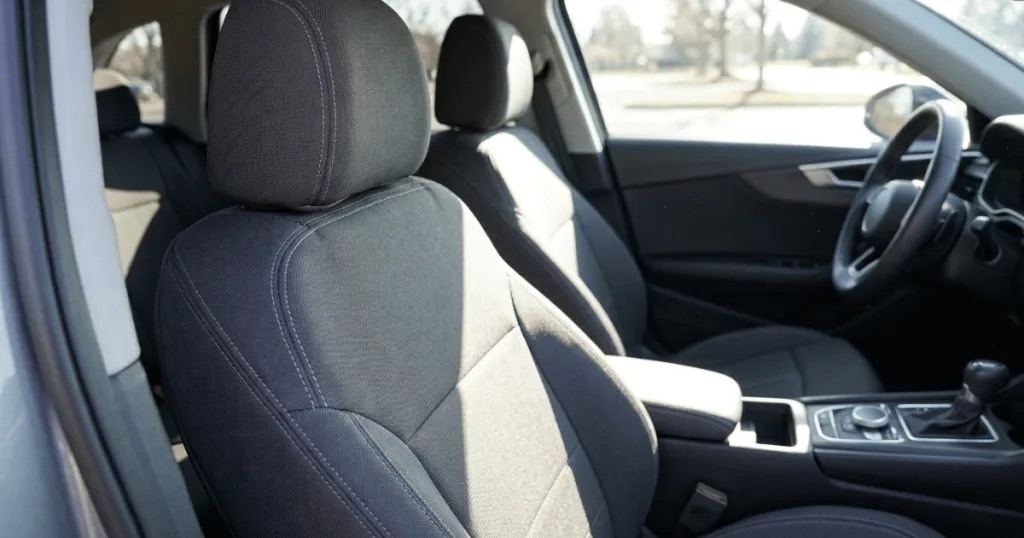
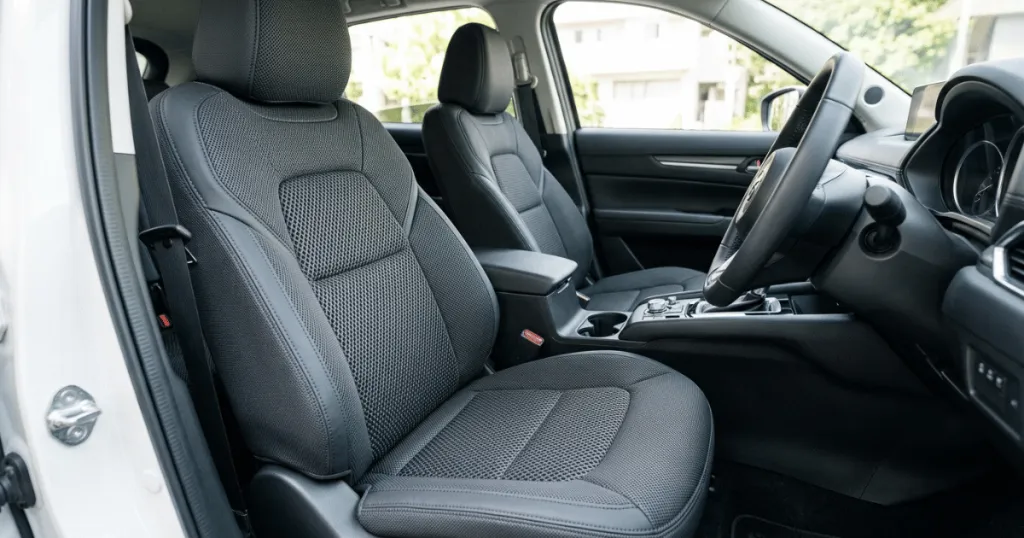
Natural and synthetic woven fabrics, such as cotton blends or specialized polyester meshes, are generally the most effective at promoting airflow. These materials feature microscopic gaps between the fibers that allow air to pass through. Mesh, in particular, is designed with a porous structure that prevents air from becoming stagnant, making it a top choice for drivers in humid or high-temperature climates. The open-weave design ensures that even a slight breeze from the cabin ventilation can reach the surface of the seat, facilitating convective cooling.
Synthetic Leathers and Non-Porous Surfaces
Conversely, solid-surface materials like standard polyurethane or vinyl act as insulators. These materials are inherently non-porous, meaning they trap body heat and moisture against the surface. Even if a cover is marketed as comfortable, if the material does not have a perforated design or a breathable backing, it will likely increase the sensation of warmth rather than reduce it. The lack of air exchange leads to a rapid rise in surface temperature, which can become uncomfortable during extended periods of contact.
Evidence and Limitations of Thermal Regulation
It is important to recognize that a seat cover is a passive accessory. It cannot actively cool the air or replace the function of an integrated vehicle climate control system. The primary role of a breathable cover is to prevent the “sticky” feeling caused by trapped perspiration and to provide a buffer that allows for slight air movement.
The Role of Perforation
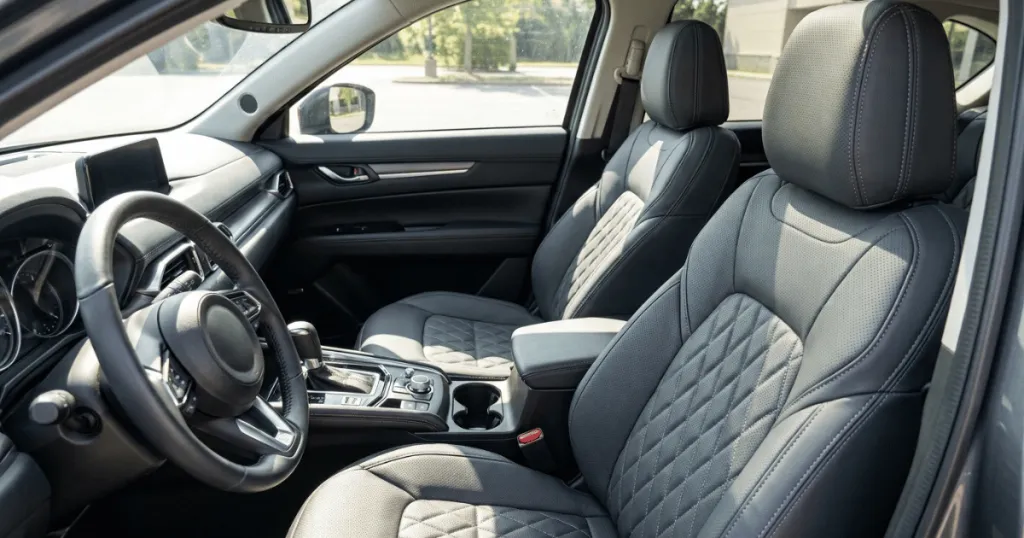
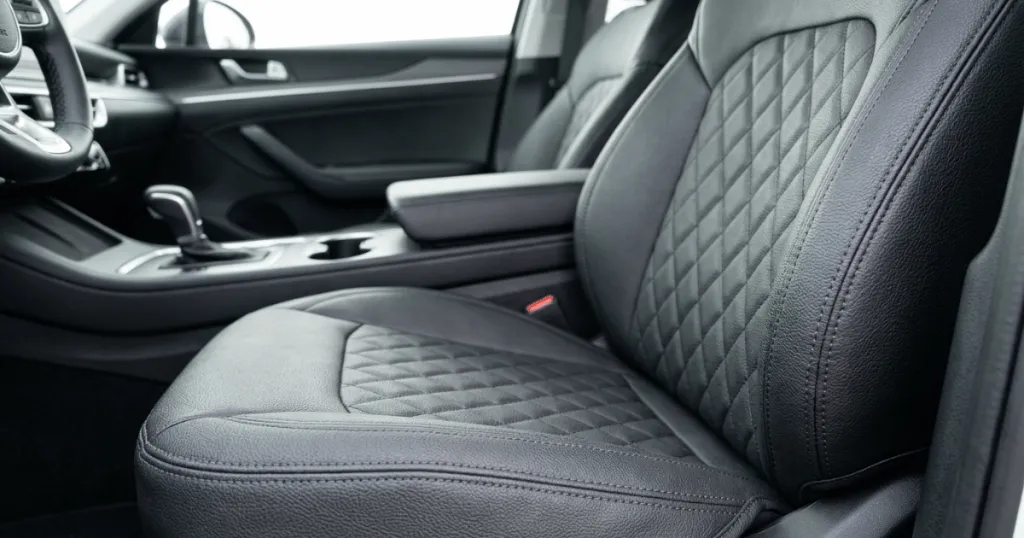
Perforated faux leather is a common compromise for those who want a premium look without the heat retention of solid panels. These tiny holes allow for a degree of air exchange, but their effectiveness is limited by the density of the foam padding underneath. If the foam is high-density and closed-cell, it will still retain heat, regardless of the perforations in the top layer. For maximum efficacy, look for perforated covers paired with an open-cell foam backing that allows air to circulate through the entire thickness of the cover.
Environmental and Usage Variables
The effectiveness of your chosen cover is heavily influenced by your local climate and how you use your vehicle. In high-humidity environments, moisture management becomes more critical than raw airflow. A material that wicks moisture away from the body will provide more comfort than a material that is simply porous. If you frequently drive for long durations, the accumulation of body heat in the seat cushion will eventually overcome the passive breathability of any cover, making periodic adjustments to your posture or the cabin temperature necessary.
Who Benefits Most from Breathable Materials
Drivers who spend significant time behind the wheel, particularly in regions with intense sun exposure, gain the most from prioritizing airflow in their interior upgrades. If your vehicle lacks factory-installed ventilated seats, selecting a cover with high-performance mesh or open-weave fabric can significantly improve your daily experience.
Commuters and Professional Drivers
For those who spend hours in traffic, the accumulation of heat and moisture is a major contributor to driver fatigue. A breathable cover helps maintain a more consistent temperature, reducing the need to constantly shift or adjust your position to find a cool spot. This is especially relevant for commercial or rideshare drivers who need to ensure passenger comfort across a wide variety of conditions. By reducing the thermal load on the driver, these covers can contribute to a more focused and less physically taxing driving experience.
Off-Road and Outdoor Enthusiasts
If your usage scenario involves outdoor activities where you might be entering the vehicle with damp clothing or after physical exertion, moisture-wicking properties are essential. Breathable, quick-drying materials prevent the seat from becoming saturated, which not only protects the underlying upholstery but also ensures that the seat remains comfortable for the next leg of your journey. In these scenarios, the ability of the material to release moisture into the cabin air is just as important as the initial airflow.
Thermal Regulation Realities
A frequent mistake is assuming that thicker, more cushioned covers are inherently more comfortable. While extra padding provides physical support, it often comes at the cost of thermal regulation. Thick foam layers act as an insulator, trapping heat generated by the body and preventing it from dissipating through the seat frame. If you prioritize comfort, look for covers that use high-resiliency open-cell foam, which allows for better air movement compared to dense, memory-style foams.
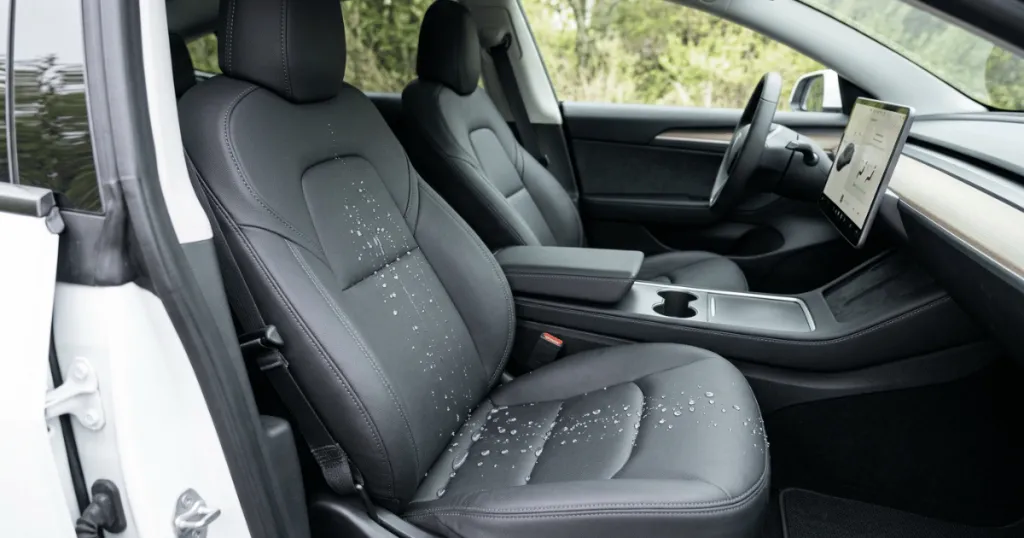
Another misconception is that “waterproof” and “breathable” are mutually exclusive. While many waterproof covers are made from non-porous rubber or plastic, modern textile engineering has introduced multi-layer materials that feature a waterproof membrane beneath a breathable outer layer. These options allow for moisture protection without the heat-trapping side effects of traditional plastic covers, though they are typically more expensive and require specific cleaning protocols to maintain their functionality. Understanding the distinction between a surface coating and a structural membrane is key to selecting the right product for your needs.
Maintaining Breathable Performance
To keep your seat covers performing as intended, you must keep the pores or weave clear of debris. Dirt, dust, and body oils can clog the tiny openings in mesh or perforated materials, effectively turning a breathable cover into a solid, heat-trapping layer. Regular vacuuming and occasional light cleaning are necessary to preserve the airflow you paid for. When selecting a cover, consider how easy it is to remove for deep cleaning, as a cover that cannot be maintained will eventually lose its comfort benefits.
Beyond routine cleaning, consider the impact of environmental exposure. UV rays can degrade synthetic fibers over time, potentially reducing their breathability or causing them to become brittle. Using sunshades in your vehicle when parked can extend the lifespan of your breathable covers, ensuring they continue to provide the intended comfort benefits for years to come. Ultimately, achieving optimal breathable car seat cover comfort requires a realistic assessment of your climate and driving habits. By choosing materials that facilitate airflow and moisture management, you can improve your overall driving experience. Remember that the best cover is one that balances your need for protection with the physical reality of how your body interacts with the seat over time.
FAQ
Do perforated leather covers actually improve breathability?
Perforated covers improve breathability by allowing a small amount of air exchange, but their effectiveness depends on the padding underneath. If the foam backing is dense and non-porous, the overall breathability of the seat cover remains limited.
Is mesh always better for hot climates?
Mesh is generally the most effective material for hot climates because its open-weave structure promotes maximum airflow. However, it must be kept clean, as dust and debris can clog the mesh and reduce its performance.
Can I have a waterproof cover that is also breathable?
Yes, some advanced multi-layer covers use a breathable outer fabric bonded to a waterproof membrane. These are designed to offer protection from spills while still allowing some air and moisture vapor to pass through.