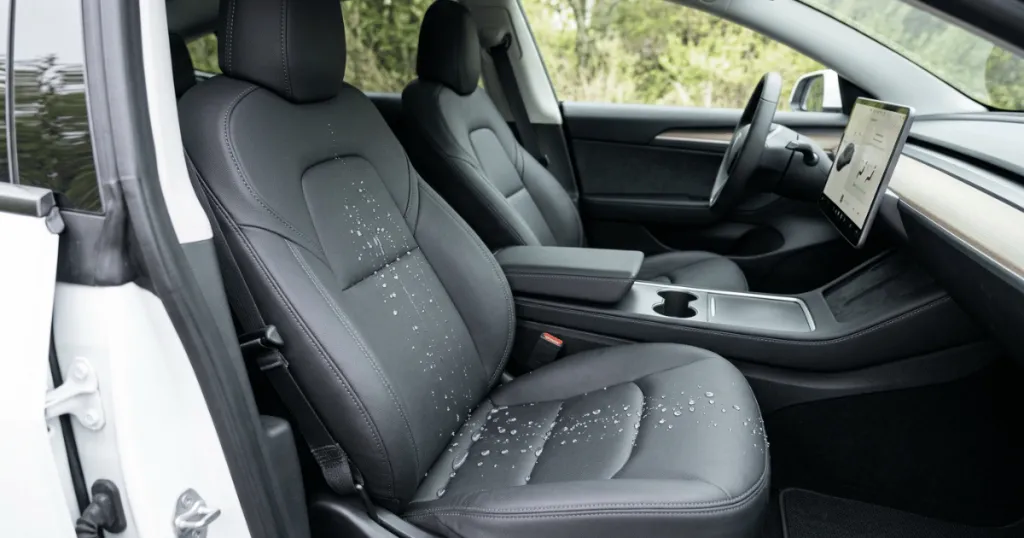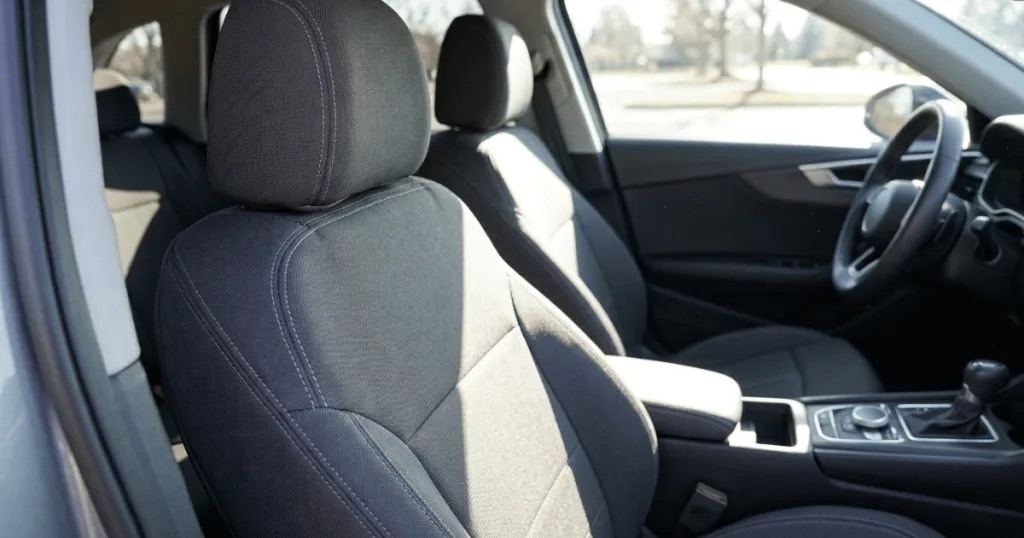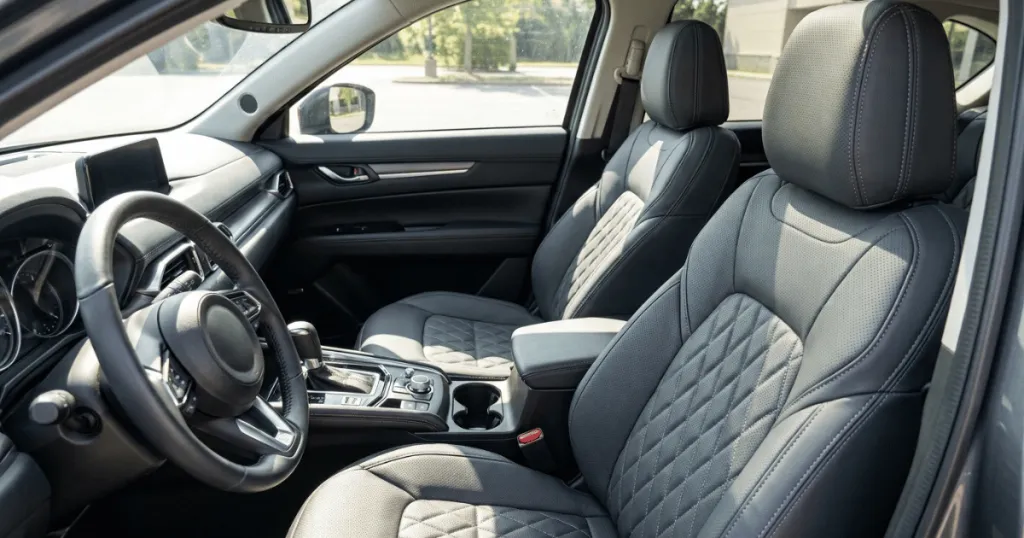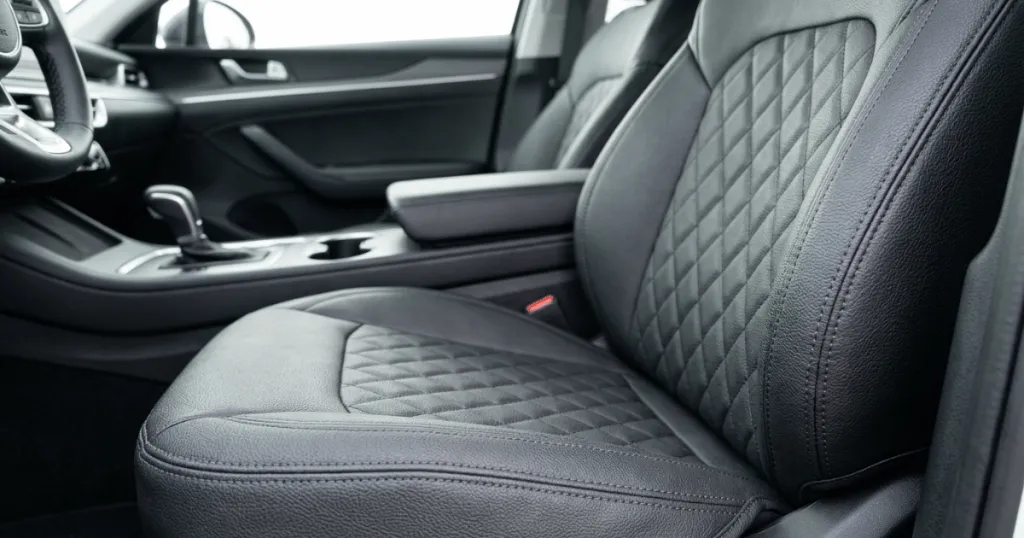
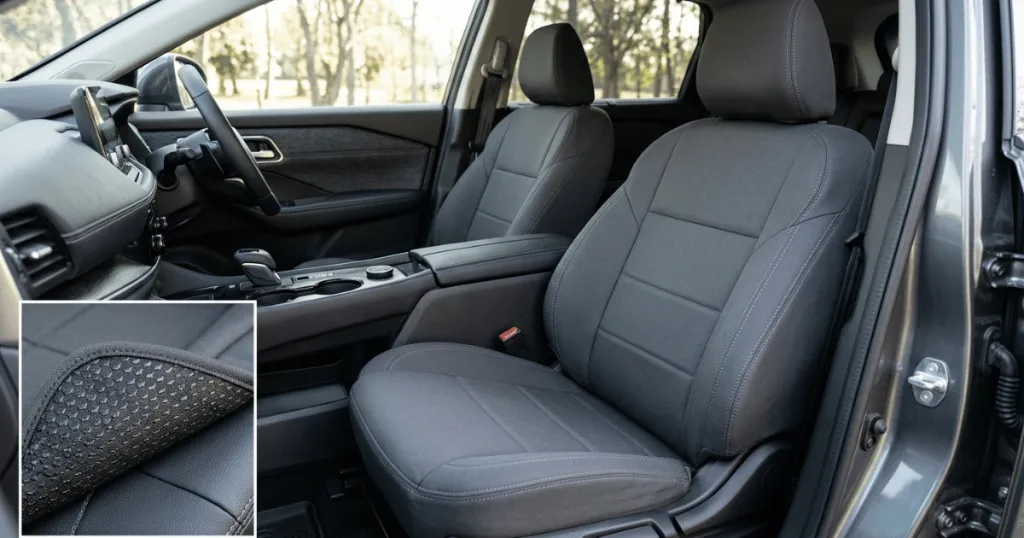
An anti slip backing car seat cover is designed specifically to solve the common frustration of shifting upholstery. When you sit down, slide out, or navigate turns, standard covers often migrate, bunch up, or lose their tension over the seat base. By integrating a high-friction material on the underside, these covers anchor themselves against the original factory fabric or leather, creating a more cohesive unit that moves with the seat rather than against it.
This stability serves a functional purpose beyond visual appeal; it prevents the underlying material from suffering the constant friction of a loose cover rubbing against it. When a cover slides, it acts like sandpaper over time, potentially wearing down the finish of leather or pulling at the fibers of cloth seats. A secure, non-slip interface mitigates this movement, ensuring that the protection you installed actually stays in place.
Factors Influencing Seat Cover Stability
Material Composition of the Backing
The effectiveness of an anti slip backing car seat cover often comes down to the specific texture and material used on the underside. Common options include silicone-based nubs, rubberized mesh, or high-density foam coatings. Silicone nubs provide excellent grip on smooth leather surfaces, while rubberized mesh is often more effective at biting into fabric upholstery.
The density of these grip patterns also plays a role. A cover with a sparse, wide-set pattern may allow for more micro-movements than one with a dense, uniform texture. When evaluating the backing, consider the surface texture of your vehicle’s factory seats; a smoother seat surface generally requires a more aggressive, tacky backing material to maintain a secure hold.
The Impact of Seat Geometry
The shape of your vehicle’s seating significantly affects how well a cover stays put, regardless of the backing material. Deep-bucket seats with high bolsters naturally help keep a cover in place by physically containing the edges. In contrast, flatter bench seats or captain’s chairs with minimal side support rely almost entirely on the friction of the backing to prevent lateral sliding.
If your vehicle features pronounced seat bolsters, you might find that even a basic anti-slip backing is sufficient. However, if you have wide, flat seating surfaces, the mechanical grip provided by the backing becomes the primary defense against shifting. In these cases, look for covers that extend further down the sides to maximize the surface area in contact with the anti-slip material.
Real-World Context for Daily Use
Managing High-Traffic Entry and Exit
For drivers who frequently get in and out of their vehicles, such as those using their car for short-distance errands or rideshare services, the stress on seat covers is constant. Every time you slide off the edge of the seat, you apply lateral force that pulls the cover toward the door. An anti slip backing car seat cover is particularly valuable here because it resists this repetitive tugging.
Without this friction-based anchor, you would likely find yourself reaching over to pull the cover back into alignment multiple times a day. Over time, this constant adjustment can stretch the elastic straps or hooks holding the cover in place, leading to a permanent loss of fit. Investing in a cover with a robust backing reduces the frequency of these manual adjustments.
Performance in Varying Climates
Temperature fluctuations can affect the grip of certain backing materials. In extreme heat, some lower-quality rubberized backings may soften or become tacky, which can be beneficial for grip but potentially problematic for the factory upholstery underneath. Conversely, in freezing temperatures, some materials may stiffen and lose their ability to conform to the seat’s contours.
High-quality anti slip backing car seat cover designs use materials engineered to remain stable across a wide temperature range. If you live in an area with significant seasonal shifts, prioritize covers that specify temperature-stable backing materials. This ensures that the cover remains secure in the dead of winter and does not degrade during the peak of summer heat.
Why Stability Protects Your Investment
The primary reason to prioritize an anti slip backing car seat cover is the long-term preservation of your vehicle’s interior. When a cover is loose, it creates a gap between the cover and the seat. This gap allows dust, grit, and debris to settle between the two layers. Once trapped, these particles act as an abrasive, grinding into the factory upholstery every time you move.
A stable cover that stays firmly in contact with the seat minimizes the space available for debris to accumulate. By keeping the interface clean and stationary, you prevent the subtle, long-term damage that often goes unnoticed until the cover is removed years later. This is especially important for vehicles with light-colored or premium leather interiors, where surface wear is more visible.
Furthermore, a stable seat cover enhances the overall driving experience. When you feel the seat cover shifting beneath you, it can be a persistent distraction. A secure, non-slip fit provides a more solid, planted feeling while driving, allowing you to focus on the road rather than adjusting your position. It essentially makes the cover feel like an integrated part of the seat rather than an aftermarket addition.
Understanding Factors That Affect Seat Stability
The Myth of Thickness
Many owners assume that a thicker, heavier seat cover will naturally stay in place better than a thinner one. In reality, weight can sometimes work against stability. A heavy cover, if not properly anchored, can actually slide more easily due to its own momentum during turns or braking. The key to stability is not the mass of the cover, but the coefficient of friction provided by the anti slip backing car seat cover itself.
Instead of focusing on the thickness of the padding or the material, focus on the texture of the underside. A thin, lightweight cover with a high-quality silicone backing will almost always outperform a thick, heavy cover that lacks a dedicated non-slip surface. Always check the underside before assuming a cover will provide the stability you need.
Over-Reliance on Straps and Hooks
Another common mistake is believing that straps, hooks, and buckles are the only things keeping a seat cover in place. While these tensioning systems are vital for keeping the cover taut, they are often insufficient on their own to prevent lateral sliding. If you rely solely on straps, the cover may still shift slightly, eventually causing the straps to loosen or the fabric to sag.
The most effective installations combine a well-tensioned strap system with an anti slip backing car seat cover. The straps provide the initial tension, while the backing provides the friction necessary to prevent the cover from migrating during use. Think of the backing as the secondary, passive security system that handles the micro-movements that straps alone cannot stop.
Maintenance and Longevity of Non-Slip Surfaces
Over time, the effectiveness of an anti slip backing car seat cover can diminish if it is not maintained properly. Dust, lint, and pet hair can accumulate on the backing material, effectively creating a barrier between the grip-inducing surface and the seat. This layer of debris acts like a lubricant, causing the cover to slide even if the backing material itself is high-quality.
To maintain peak performance, periodically remove your seat covers and clean the underside. For silicone or rubberized backings, a simple wipe-down with a damp cloth is usually sufficient to restore the tackiness. Avoid using harsh chemical cleaners or solvents, as these can degrade the material and cause it to lose its grip or become brittle over time. Regular cleaning ensures that the friction coefficient remains high throughout the life of the product.
Selecting the Right Backing for Your Vehicle Type
When choosing an anti slip backing car seat cover, consider the specific needs of your vehicle’s interior. For luxury vehicles with smooth, high-end leather, look for a soft silicone backing that is specifically labeled as non-marring. These materials are designed to provide grip without leaving impressions or discoloration on delicate leather surfaces.
For utility vehicles or those with heavy-duty fabric seating, a more aggressive, textured rubberized mesh may be appropriate. These materials are designed to interlock with the weave of the fabric, providing a mechanical anchor that is highly resistant to lateral movement. Understanding the interaction between your seat material and the backing material is the most reliable way to ensure a long-lasting, stable fitment.
FAQ
Can an anti slip backing car seat cover damage my factory leather seats?
Generally, no. Most high-quality anti slip backing car seat cover designs use soft, non-abrasive materials like silicone or specialized rubber that are safe for leather. However, it is always a good practice to ensure the seat is clean and free of debris before installation to prevent any trapped particles from scratching the surface.
Do I still need to use the provided straps if my seat cover has a non-slip backing?
Yes. The anti slip backing car seat cover is designed to work in tandem with your seat cover’s mounting hardware. The backing prevents lateral sliding and shifting, while the straps maintain the overall tension and shape of the cover. Using both ensures the most secure fit.
Will the backing material leave a residue on my seats?
Quality seat covers are manufactured with materials that do not transfer residue or adhesives to your upholstery. If you are concerned, look for covers that specify they are safe for all interior types, including leather and cloth, to ensure the backing material remains inert and clean.