Maintaining a neutral scent inside a vehicle often feels like a losing battle against daily use, humidity, and the accumulation of organic particles. Whether you are transporting pets, commuting with gym gear, or simply dealing with the natural breakdown of interior materials over time, the fabric covering your seats acts as the primary filter for these airborne molecules. Selecting an odor resistant car seat cover serves as a highly effective strategy to stop persistent smells from embedding themselves into the foam and upholstery of your vehicle’s original seating.
These covers do not simply mask smells with artificial fragrances; they function by limiting the surface area available for bacteria to thrive and by preventing moisture from penetrating deep into the seat cushion. When you select a cover designed with these properties, you are essentially creating a barrier that keeps your car interior cleaner for longer periods. This approach shifts the focus from constant deep cleaning to proactive surface management, which is far more sustainable for the average vehicle owner.
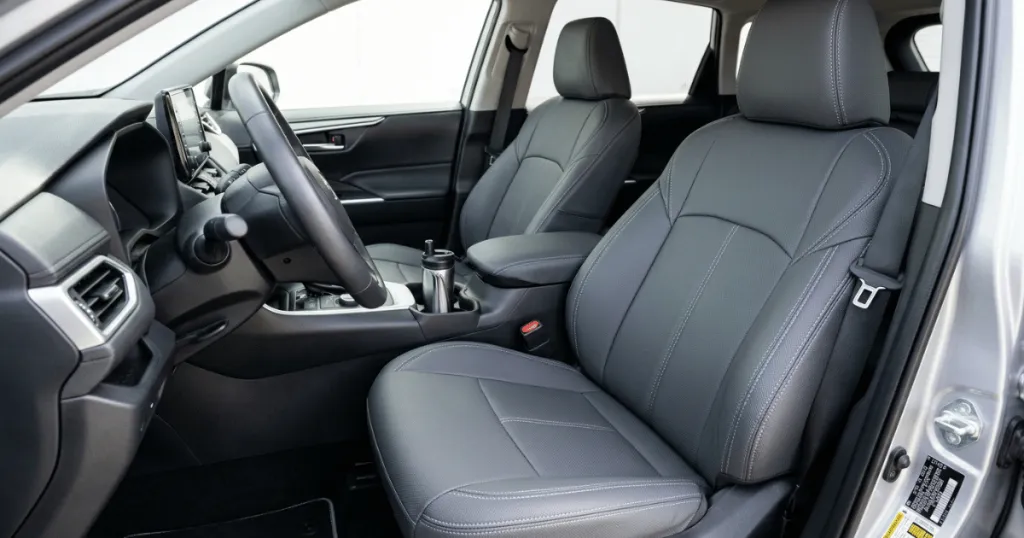
Factors That Influence Odor Retention in Upholstery
Not all seat covers are created equal when it comes to managing scent. The way a material is woven, its chemical composition, and its ability to shed moisture all dictate how quickly it will trap odors. Evaluating these specific material characteristics allows you to pinpoint which options will best suit your unique driving habits.
The Impact of Porosity and Moisture Wicking
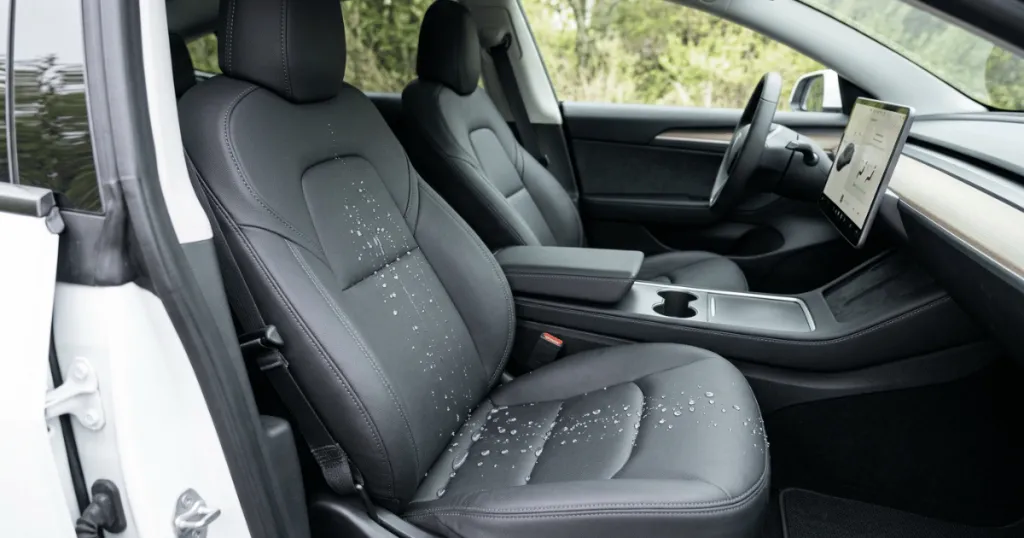
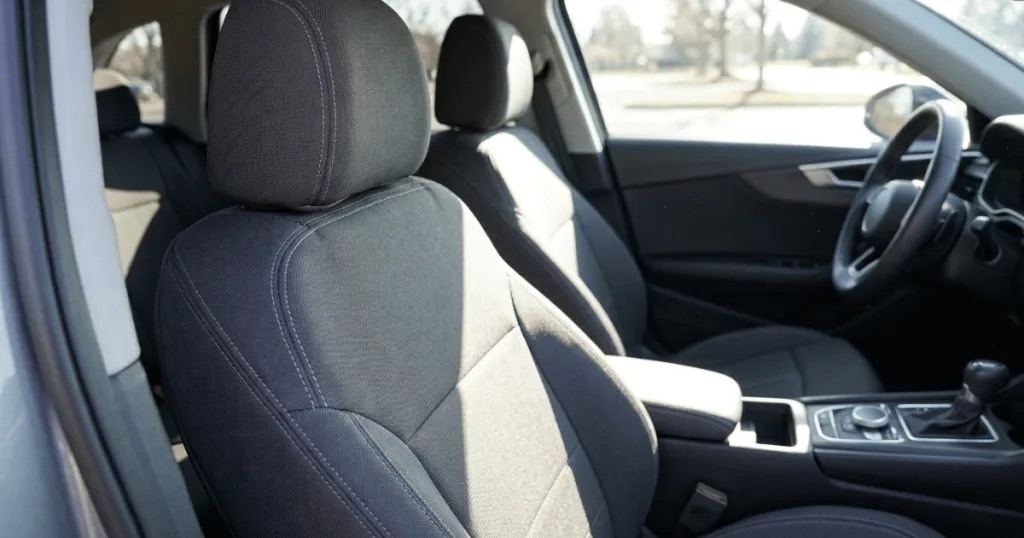
Highly porous materials, such as standard woven polyester or loose-knit fabrics, are notorious for trapping moisture. When sweat, spilled liquids, or humidity enter these fibers, they provide an ideal environment for microbial growth, which is the root cause of most persistent vehicle odors. A material that is less porous or features a tight weave prevents these liquids from reaching the deep fibers, allowing them to evaporate quickly from the surface instead. Seat upholstery protection relies heavily on this principle; by choosing a material that does not act like a sponge, you significantly reduce the likelihood of long-term scent retention.
Antimicrobial Treatments and Synthetic Barriers
Some covers incorporate specialized treatments during the manufacturing process to inhibit the growth of bacteria and fungi. These antimicrobial seat covers are often applied to synthetic materials like high-grade neoprene or specialized vinyls. In practice, this means that even if a spill occurs, the surface is less likely to become a breeding ground for the microorganisms that produce unpleasant smells. These surfaces are generally smoother, making them easier to wipe down before any potential odor-causing residue can settle. This proactive maintenance is essential for preserving cabin air quality over the life of the vehicle.
Real-World Scenarios for Odor Management
Different driving habits require different levels of protection. A vehicle used primarily for short, dry commutes will have different needs than one used for weekend adventures or daily pet transport. Matching your cover material to your lifestyle is the most practical way to ensure long-term success.
Pet Owners and Frequent Travelers
If you regularly transport pets, your primary concern is likely the combination of dander, moisture, and outdoor debris. In this scenario, an odor resistant car seat cover made from heavy-duty, non-porous seat materials is usually the best choice. These materials can be wiped down with a damp cloth after each trip, preventing the buildup of dander that eventually leads to that distinct “wet dog” or musty smell. Avoiding plush or high-pile fabrics is critical here, as those textures act like a sponge for pet-related odors. Utilizing synthetic seat covers in this context ensures that organic particles are removed during routine interior detailing rather than sinking into the seat foam.
Commercial and Rideshare Usage
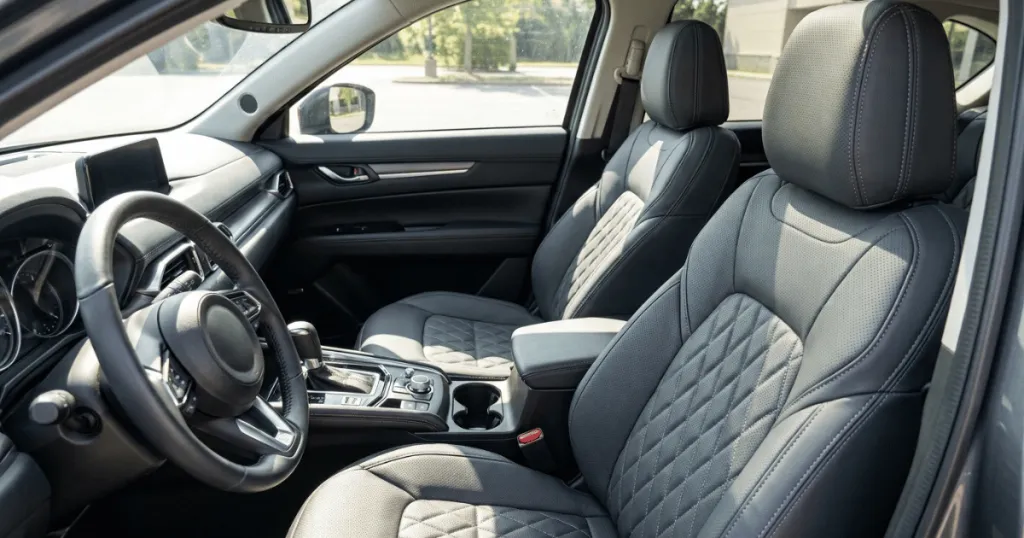
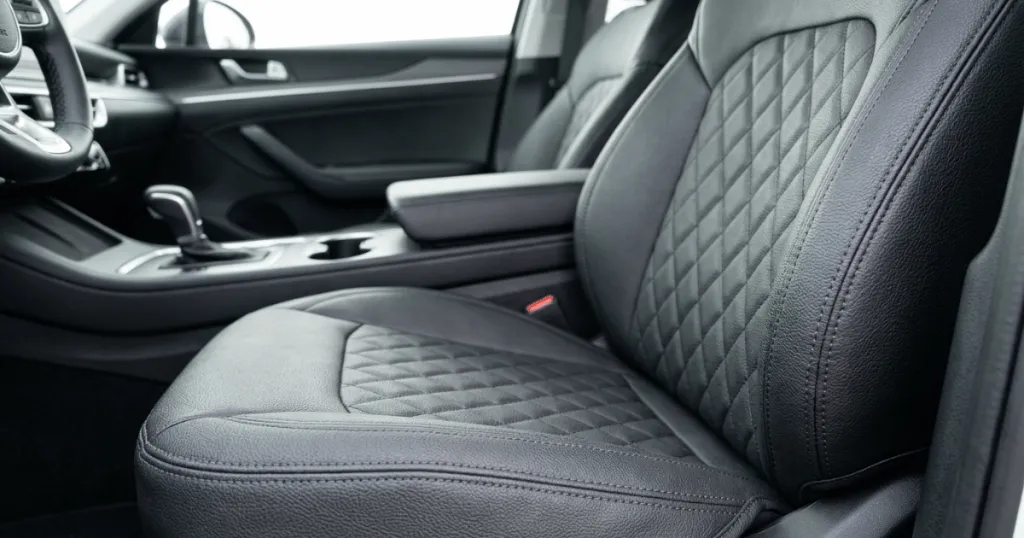
For vehicles that see high passenger turnover, the goal is to maintain a neutral environment that does not retain the scents of previous occupants. Smooth, non-absorbent materials like premium faux leather or marine-grade vinyl are ideal. These materials do not hold onto body oils or perfumes, which are common sources of lingering cabin odors. Because they are easy to sanitize, you can maintain a fresh environment with minimal effort between trips, which is a significant advantage for high-use vehicles. Surface sanitation becomes a simple wipe-down process, ensuring that the interior remains consistently fresh for every new passenger.
The Value of Proactive Surface Defense
Investing in an odor resistant car seat cover is ultimately about protecting the underlying value and comfort of your vehicle. Original factory upholstery is often difficult and expensive to replace, and once a deep-seated odor penetrates the foam padding, it can be nearly impossible to remove without professional intervention. By using a high-quality cover, you create a sacrificial layer that absorbs the daily wear and tear, keeping the original seat pristine. This is a core component of effective vehicle interior care, preventing upholstery degradation that occurs when sweat and oils are allowed to penetrate the fabric.
Beyond the financial aspect, there is the matter of daily comfort. A car that smells fresh contributes significantly to a more pleasant driving experience. Many owners find that they spend less time using harsh chemical sprays or heavy air fresheners when they have a base layer that naturally resists odor accumulation. This creates a more natural, neutral atmosphere that is generally more comfortable for all passengers, especially during long drives where air quality becomes more noticeable. When you prioritize moisture management and select materials that resist bacterial colonization, you are investing in a better sensory experience for every mile driven.
Clarifying Common Myths Regarding Scent Control
A frequent error is assuming that “waterproof” is the same as “odor resistant.” While a waterproof cover prevents liquids from soaking through, it does not automatically stop odors from forming on the surface. If a waterproof material is textured or has deep seams, it can still collect organic debris that eventually smells. True odor resistance often requires a combination of a smooth, non-porous surface and, in some cases, an antimicrobial finish that actively discourages bacterial growth. Always look for materials that balance moisture wicking fabric properties with a design that minimizes crevices where debris can hide.
Another common mistake is neglecting the importance of airflow. Some owners believe that the thickest, most padded cover is the best, but excessive padding can sometimes trap heat and moisture against the seat. If the material is not breathable or if the fit is too loose, moisture can get trapped between the cover and the seat, creating a hidden pocket of humidity. A well-fitted, lower-profile cover that allows for some air circulation is often more effective at keeping the seat dry and scent-free than a bulky, unventilated option. Breathable materials are a key consideration for those living in humid climates, as they help prevent the condensation that often leads to musty smells.
Selecting the Right Material for Your Environment
When evaluating options, consider the climate and typical usage. In high-heat areas, synthetic materials that resist UV degradation are preferable, as heat can accelerate the release of odors from trapped organic matter. Neoprene, while excellent for water resistance, requires regular cleaning to ensure that trapped sweat doesn’t create a persistent scent profile. Vinyl, conversely, is exceptionally easy to clean but may feel less comfortable during extreme temperature fluctuations. Faux leather offers a middle ground, providing a sophisticated look while remaining largely impervious to liquid absorption, provided the seams are well-constructed and the surface is kept clean.
Ultimately, the effectiveness of an odor resistant car seat cover is a product of both the material’s inherent properties and the owner’s commitment to maintenance. By choosing a cover that aligns with your specific needs, whether that is pet transport, heavy commuting, or general protection, you create a reliable defense against the common sources of vehicle odors. Remember that preventative care is always more efficient than remediation; by keeping the surface clean and dry, you ensure that your vehicle remains a fresh and comfortable space for years to come.
FAQ
Does an odor resistant car seat cover need special cleaning?
Generally, these covers are designed for easy maintenance. Most can be wiped down with a mild soap and water solution. Always check the manufacturer’s specific care instructions, as some antimicrobial coatings can be degraded by harsh chemicals like bleach or heavy solvents.
Can these covers eliminate existing seat odors?
No. An odor resistant car seat cover is a preventative measure. If your seats already have deep-seated odors, you should treat the original upholstery with an appropriate cleaner or deodorizer before installing the new covers.
How often should I remove the covers to clean the original seats?
Even with an odor resistant car seat cover, it is good practice to remove and wash or wipe down the covers and the underlying seats every few months. This prevents dust and debris from settling between the layers, which can eventually contribute to odors.