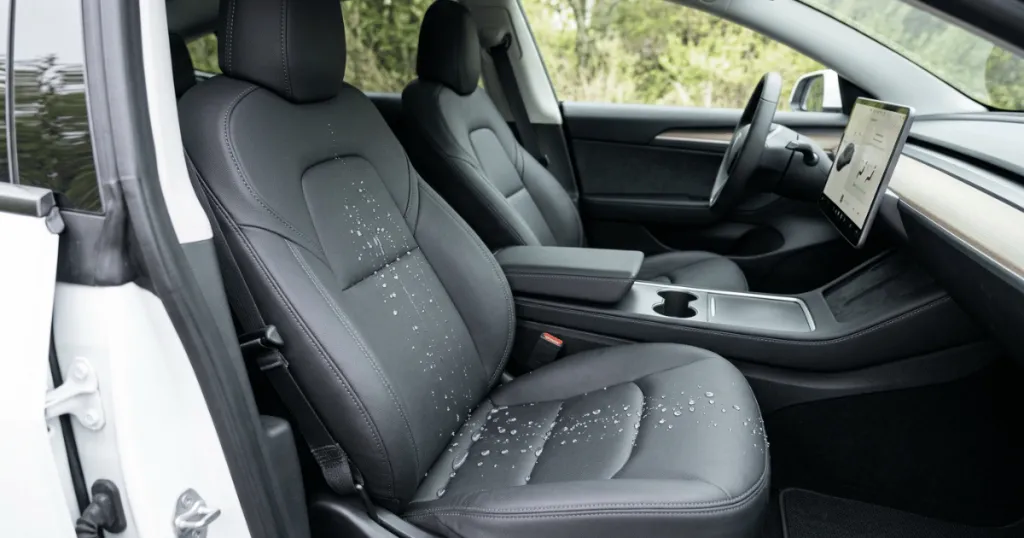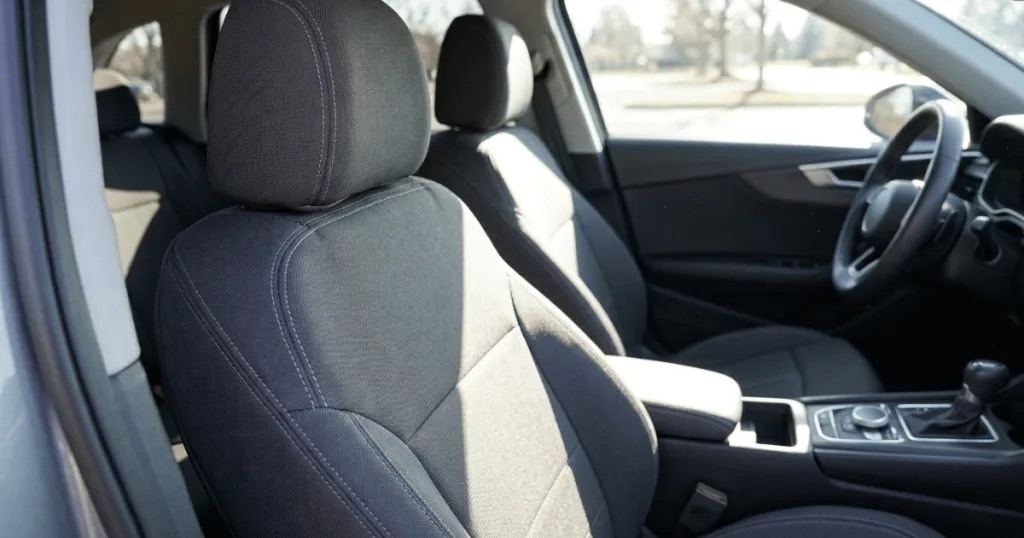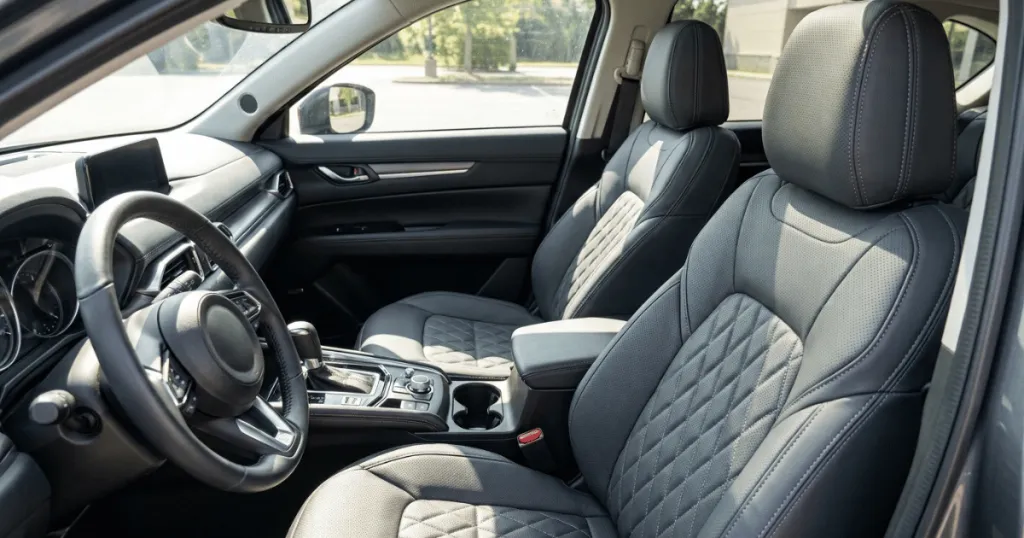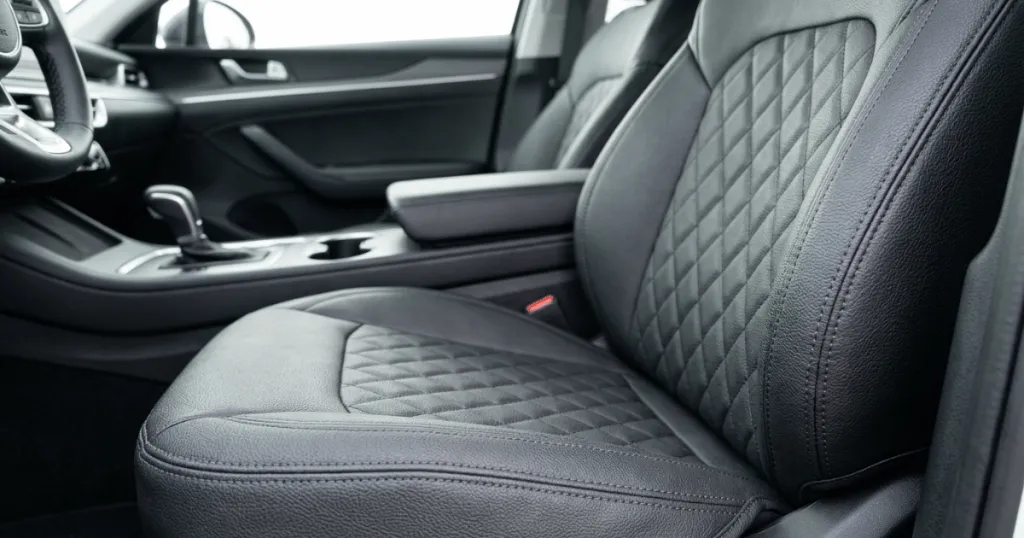
Many drivers assume that the only way to stay cool during the summer is through the vehicle’s built-in climate control system. While air conditioning is essential, the interface between your body and the seat plays a significant role in how you perceive heat. A ventilated car seat cover is designed to address the common issue of heat buildup in the space where the driver makes contact with the upholstery, providing a layer of separation that encourages better airflow.
By introducing a porous or structured material between the occupant and the factory seat, these covers prevent the direct compression of fabric or leather that often leads to perspiration. This simple addition can change the feel of a long commute, especially in vehicles with non-breathable synthetic interiors. Evaluating how these covers function helps you decide whether they are a practical solution for your specific driving habits and climate conditions.
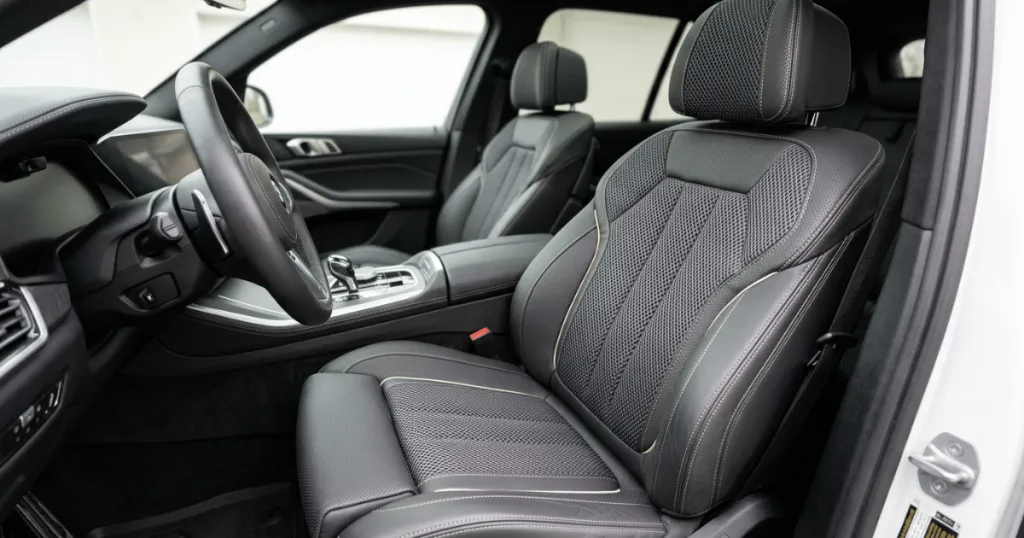
Factors Influencing Air Circulation and Cooling
The effectiveness of any seat cover aimed at cooling depends largely on the materials used and the structural design of the cover itself. Not all covers labeled as breathable offer the same level of performance, and identifying the right features is key to achieving the desired result.
Mesh and Perforated Synthetic Fabrics
Mesh materials are the most common choice for improving airflow. These fabrics are woven with gaps that allow air to pass through the surface of the seat cover, preventing the “sticky” feeling associated with vinyl or standard polyester. In practice, a high-quality mesh cover acts as a spacer, lifting the driver slightly off the seat base and allowing ambient air to circulate behind the back and under the thighs.
Spacer Fabric Technology
Spacer fabrics are a specific type of three-dimensional textile that features two outer layers connected by a series of vertical fibers. This construction creates a permanent gap that cannot be fully compressed by the weight of the driver. This structural integrity is what separates a truly ventilated car seat cover from a standard fabric cover that might simply be thin. These materials are often used in high-performance seating because they maintain their shape and airflow properties even under heavy use.
Perforated Faux Leather
Some covers use synthetic leather with laser-cut perforations to mimic the look and feel of premium luxury interiors. While these are aesthetically pleasing, the cooling benefit depends on the backing material. If the backing is a solid, non-porous foam, the perforations will do little to move air. For a ventilated car seat cover of this style to be effective, it must be paired with a breathable or moisture-wicking underlayment that allows the heat to escape through the holes rather than trapping it against the seat.
Real-World Scenarios for Enhanced Seating
Different driving environments place unique demands on your seat covers. Recognizing how your vehicle is used can help you choose the right level of ventilation.
Long-Distance Highway Driving
For those who spend hours behind the wheel, the primary concern is the accumulation of body heat and moisture. A ventilated car seat cover using 3D spacer mesh is often the most effective choice here, as it provides consistent support and airflow without requiring constant adjustment. This reduces the need to shift position frequently, which can help maintain focus during long trips.
Short-Trip Urban Commuting
In urban environments, you may be getting in and out of the vehicle frequently. In this scenario, durability and ease of cleaning become as important as cooling. A cover that is too thick or complex might shift or bunch up during repeated entry and exit. Opting for a slim-profile, breathable fabric cover ensures that the material stays in place while still providing a noticeable reduction in heat retention during those quick transitions between the outdoors and your climate-controlled cabin.
Hot-Climate Daily Use
If you live in a region with consistently high temperatures, the interior of your car can become an oven. In these cases, a ventilated car seat cover serves as a protective barrier that keeps the original upholstery from reaching extreme temperatures. By reflecting or dissipating heat, these covers ensure that the seat surface is safe to touch immediately upon entering the vehicle, which is a significant quality-of-life improvement during the summer months.
Managing Airflow to Protect Your Cabin
The primary benefit of prioritizing airflow is the preservation of your vehicle’s original upholstery. When moisture and heat are trapped against the factory seat, they can accelerate the degradation of the material, leading to cracking in leather or staining in fabric. By using a ventilated car seat cover, you create a buffer that manages these environmental stressors.
Beyond material preservation, the comfort aspect is undeniable. A seat that doesn’t trap heat allows the body to regulate its temperature more effectively. This means you may find yourself relying less on the highest settings of your car’s air conditioning, which can be a more efficient way to manage your overall cabin climate. It turns the seat from a passive surface into an active participant in your comfort.
Clarifying Myths About Breathable Materials
A frequent error is assuming that any cover with holes or a mesh-like appearance will provide superior cooling. In reality, the density of the weave and the material composition are more important than the visual pattern. A tight, dense mesh may look breathable but can actually trap heat if the fibers themselves are not moisture-wicking or if the backing is too thick.
Another common mistake is believing that a ventilated car seat cover will replace the need for proper cabin ventilation. While these covers are excellent at managing the micro-climate between the driver and the seat, they cannot overcome a lack of airflow in the rest of the vehicle. They work best as part of a holistic approach to interior comfort, where the cover manages the seat interface while the vehicle’s HVAC system handles the ambient air temperature. Finally, remember that even the most breathable materials require regular cleaning to keep the pores clear of dust and debris, which can otherwise block the airflow over time.
Installation Considerations for Optimal Performance
Achieving the best results with a ventilated car seat cover requires more than just picking the right material; it requires proper installation. If a cover is installed too loosely, it may slide during cornering or braking, which can be distracting and reduce the effectiveness of the airflow channels. Ensure that the attachment points, such as hooks, straps, or tuck-in discs, are secured firmly to the seat frame or base.
A taut fit ensures that the spacer mesh or perforated layer stays in direct contact with the seat surface, preventing air pockets from forming between the cover and the upholstery. Furthermore, check that the cover does not interfere with the natural contours of the seat, as keeping the factory-designed support profile is essential for long-term comfort. If the cover bunches up, it can create pressure points that negate the benefits of the breathable material.
Maintenance and Longevity of Breathable Covers
Because ventilated car seat covers are designed to be porous, they are inherently more prone to trapping dust, crumbs, and debris than solid covers. To maintain their performance, a routine maintenance schedule is essential. Vacuuming the seat surface weekly is the most effective way to keep the mesh or perforations clear. For deeper cleaning, check the manufacturer’s care instructions; many fabric-based covers can be spot-cleaned with a mild detergent and water.
Avoid using harsh chemicals or excessive moisture, as these can damage the structural integrity of the spacer fibers or cause the backing material to deteriorate. If you notice the cover losing its shape or the mesh becoming clogged despite regular cleaning, it may be time to inspect the material for wear. Proper care not only extends the life of the cover but also ensures that the airflow remains consistent, keeping your driving experience comfortable throughout the life of the product.
Selecting the Right Style for Your Vehicle
When choosing a ventilated car seat cover, consider the aesthetic of your vehicle’s interior. While functionality is the priority, there are various designs available that can complement your car’s look. For a sporty interior, look for covers with diamond-stitch patterns or contrasting piping that incorporate mesh panels in the center sections. For a more understated or luxury look, perforated faux leather covers provide a sleek appearance while still offering the necessary breathability.
The key is to find a balance between the visual appeal and the functional requirements of your commute. Remember that the most effective covers are those that integrate the ventilation features where your body makes the most contact with the seat, specifically the backrest and the center of the seat cushion. By focusing on these high-contact areas, you can maximize the cooling effect without needing to cover the entire seat in a mesh material, allowing for a more tailored and aesthetically pleasing installation.
FAQ
Do all perforated seat covers provide ventilation?
No. Perforations in a seat cover only provide ventilation if the backing material is also breathable. If the cover has a solid foam or non-porous backing, the holes will not allow air to circulate, and the ventilated car seat cover will not offer the cooling benefits you might expect.
How often should I clean a ventilated car seat cover?
You should vacuum your seat covers regularly to prevent dust and debris from clogging the mesh or perforations. If the cover is removable, follow the manufacturer’s cleaning instructions to ensure the material remains breathable and does not lose its shape over time.
Can these covers be used with heated seats?
Yes, most ventilated car seat covers are compatible with heated seats, but they may slightly delay the time it takes for the heat to reach you. It is best to check the manufacturer’s specifications to ensure the material is heat-resistant and safe for use with your vehicle’s heating elements.