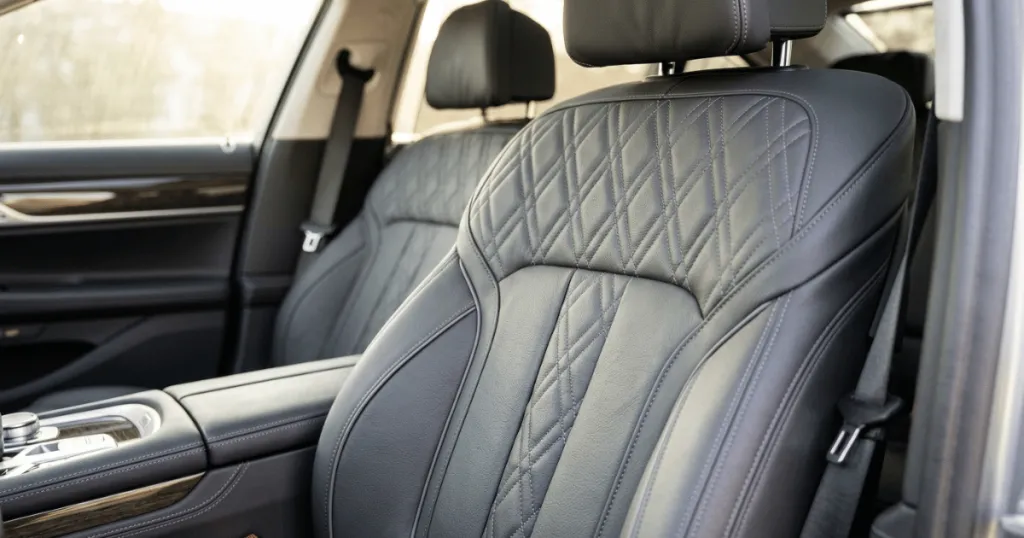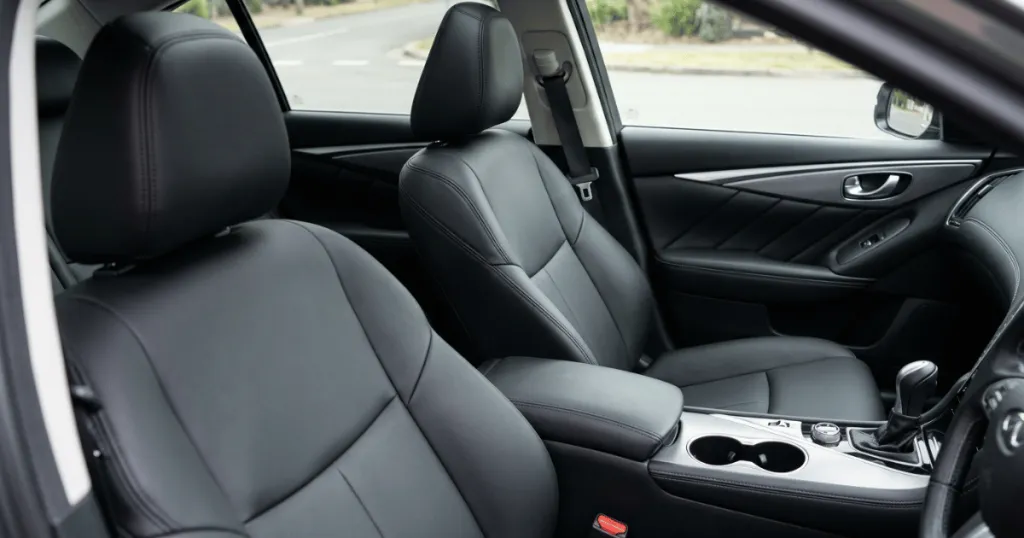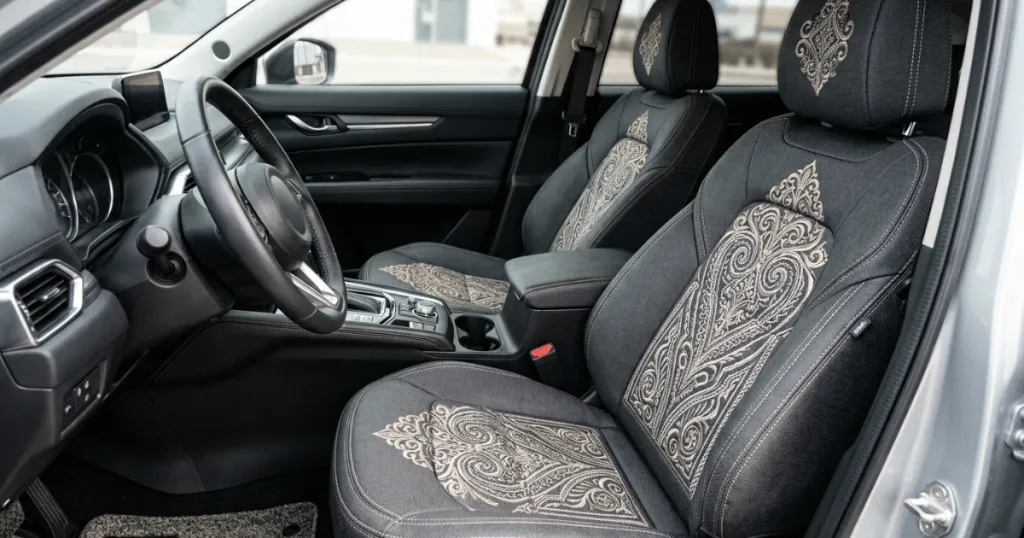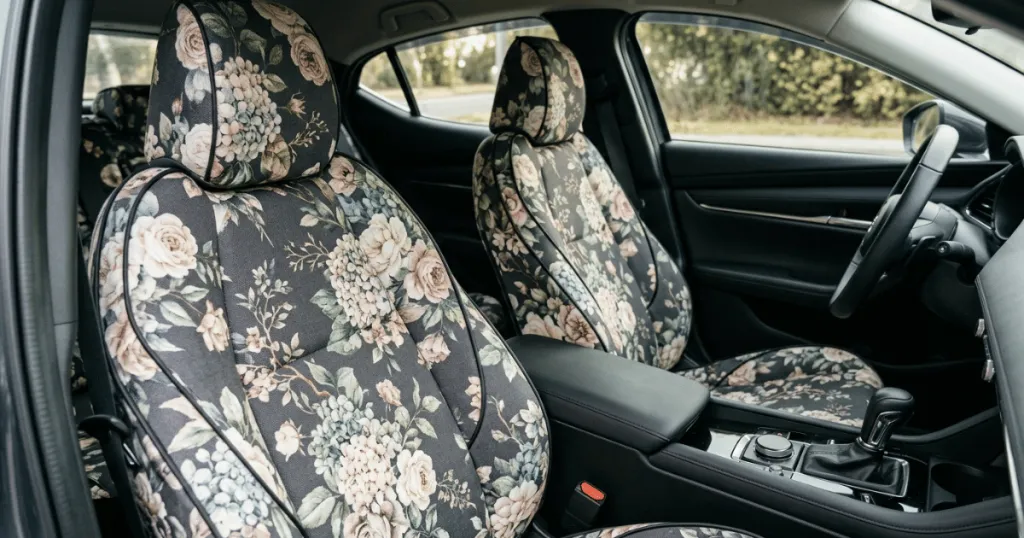
Choosing the right aesthetic for your vehicle’s interior often comes down to balancing luxury appeal with the realities of daily use. Many owners gravitate toward the visual depth of a diamond stitch seat cover, hoping to transform a standard cabin into something that feels bespoke and high-end. However, a common mistake is prioritizing the pattern complexity without considering how the stitching density or material finish will interact with your specific seat shape and usage patterns.
A well-executed design choice relies on matching the scale of the pattern to the size of your seats and ensuring the material choice supports the intended look. Whether you are aiming for a classic sport-luxury vibe or a modern, clean aesthetic, the way you integrate these covers determines whether the result looks like a professional upgrade or a cluttered, ill-fitting addition.
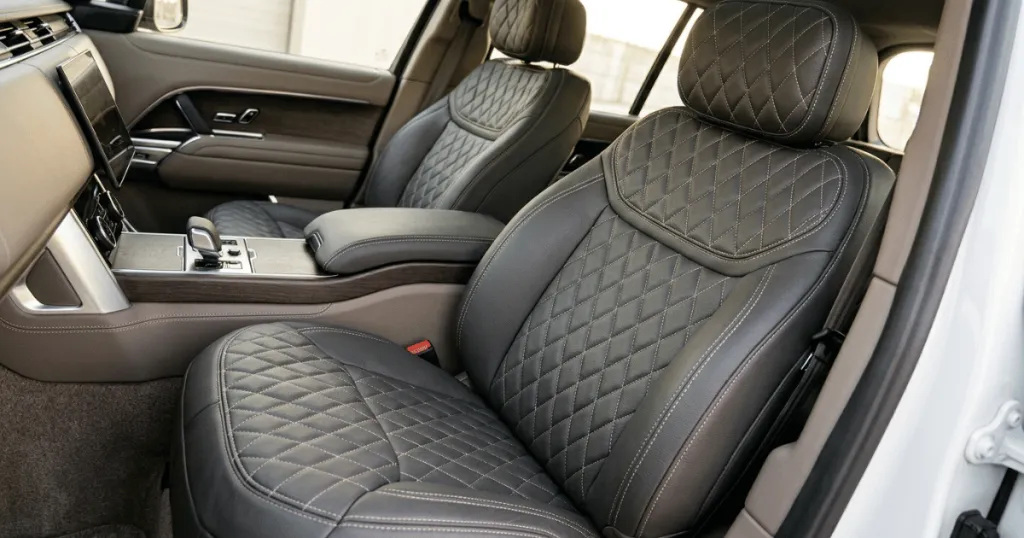
Material, Finish, and Pattern Considerations
The visual impact of a diamond stitch car seat cover is largely dictated by the interplay between the material base and the thread work. Selecting the wrong combination can lead to a finish that looks cheap or wears out prematurely in high-traffic areas.
Synthetic Leather and Faux Leather Bases
Synthetic or faux leather is the most common foundation for this style because it holds the structure of the quilting well. When selecting this material, look for a matte or semi-gloss finish rather than high-gloss, which can look artificial under direct sunlight. A high-quality faux leather provides enough tension to keep the diamond pattern crisp, preventing the stitching from sagging over time.
Neoprene and Fabric Alternatives
While less traditional, some versions use neoprene or heavy-duty fabric. These materials offer a softer, more casual look but often struggle to maintain the sharp definition of a diamond pattern. If you prefer these materials for their comfort or climate-control properties, opt for a wider, more subtle stitch pattern to avoid the fabric bunching up between the quilted lines.
Stitching Density and Thread Contrast
The contrast between the thread and the base material defines the intensity of the design. A matching thread color creates a subtle, textured look that adds depth without overwhelming the cabin. Conversely, a high-contrast thread, such as white stitching on black material, draws the eye immediately. Keep in mind that lighter threads in high-use areas are prone to picking up dirt and oils, which can degrade the visual appeal faster than a monochromatic design.
Style and Color Integration Strategies
Integrating a diamond stitch seat cover into your existing interior requires a thoughtful approach to color palettes and cabin flow. The goal is to make the covers look like a deliberate design choice rather than an afterthought.
Matching the Factory Interior
If your vehicle has a neutral interior, such as gray or beige, a black or dark charcoal cover with matching stitching can provide a sophisticated, grounded look. Avoid trying to perfectly color-match the existing fabric, as slight variations in material texture will make the mismatch obvious. Instead, choose a complementary tone that bridges the gap between your dashboard plastics and the carpeting.
Creating a Sport-Luxury Vibe
For those wanting a sport-luxury aesthetic, consider using a diamond stitch seat cover that incorporates accent piping along the edges. This frames the diamond pattern and helps define the seat silhouette. This style works exceptionally well in vehicles with bucket seats, as the framing emphasizes the bolsters and gives the seat a more aggressive, performance-oriented shape.
Managing Pattern Scale
The size of the diamonds matters significantly. In smaller vehicles or compact cars, large diamond patterns can look out of place and disproportionate. Opt for a tighter, smaller stitch pattern in smaller cabins to maintain a sense of balance. In larger vehicles like SUVs or trucks, you have more flexibility, but avoid overly large diamonds that may stretch or distort over the wider surface area of a bench seat.
Avoiding Interior Clutter
A common styling pitfall is over-accessorizing. If you install a diamond-quilted cover, keep other aftermarket additions to a minimum. Adding patterned steering wheel covers or busy floor mats alongside a diamond-stitched seat can create a cluttered, chaotic look. Let the seat covers serve as the primary visual feature of the interior.
Use-Case Scenarios for Quilted Interiors
The functionality of your vehicle should dictate the type of finish you choose for your quilted covers, as different use cases demand different levels of durability.
Daily Drivers and Commuters
For a daily driver, prioritize a material that is easy to wipe down. Commuting involves frequent entry and exit, which puts stress on the side bolsters. Ensure the diamond stitch seat cover you choose has reinforced stitching in these high-friction zones to prevent the quilting from unraveling after a few months of regular use.
Family and Pet-Friendly Vehicles
If your vehicle sees heavy family use or transports pets, the diamond pattern can inadvertently become a trap for crumbs, pet hair, and debris. Choose a material with a smooth, non-porous finish that allows for quick vacuuming or wiping. Avoid deep-set quilting if you frequently carry messy cargo, as the crevices can become difficult to clean over time.
Work Trucks and Commercial Use
In a work environment, the priority is durability over pure aesthetics. If you choose this style, look for industrial-grade faux leather with heavy-duty thread. The diamond pattern can actually provide a slight grip advantage compared to smooth surfaces, which is helpful if you are wearing work gear. Ensure the fit is snug, as loose covers in a work truck will shift and wear out significantly faster.
Practical Fit and Maintenance Realities
The longevity of your interior upgrade depends on how well the covers are installed and maintained. Even the most expensive diamond stitch seat cover will look poor if it is not properly tensioned.
Ensuring Proper Tension
The diamond pattern is highly sensitive to tension. If the cover is not pulled taut during installation, the diamonds will appear warped or saggy. Always use the provided attachment clips and straps to distribute tension evenly across the seat surface. If you notice the pattern distorting after a few weeks, re-tighten the mounting points to restore the intended shape.
Cleaning and Care
Maintenance is more involved with quilted patterns than with flat materials. Use a soft-bristled brush to reach into the stitching lines during your routine cleaning. Avoid harsh chemical cleaners that can degrade the thread or cause the faux leather to crack. A simple damp cloth with mild soap is usually sufficient for most synthetic materials. If you spill liquids, address them immediately, as moisture can seep into the stitch holes and cause localized staining or odors.
Common Styling Mistakes and Fixes
Achieving a professional look often involves knowing what to avoid. Many owners inadvertently create a mismatched interior by ignoring the relationship between the seat covers and the rest of the cabin.
The Mismatched Texture Trap
A frequent error is installing a high-gloss, quilted cover in a vehicle with a matte, fabric-heavy interior. The contrast is often jarring. If your interior is mostly soft-touch fabric, look for a matte-finish synthetic leather that mimics the feel of natural upholstery. This creates a more cohesive look that feels integrated rather than added on.
Overlooking Seat Geometry
Not every seat is designed for a diamond stitch seat cover. If your seats have complex, multi-contoured shapes or integrated headrests, a generic quilted cover may struggle to fit properly. Before committing to this style, check if the cover design accounts for your specific seat geometry. If the cover bunches up at the corners, it will never look right, regardless of how nice the stitching is.
By focusing on the scale of the pattern, the quality of the material, and the realities of your vehicle’s daily use, you can successfully incorporate a diamond stitch seat cover into your interior. This style is an effective way to refresh a worn-out cabin or add a touch of luxury, provided you prioritize fit and balance over mere visual impact.
FAQ
Do diamond stitch seat covers work with all seat types?
While they can be installed on most seats, they work best on standard bucket or bench seats. Complex seat shapes with aggressive contours or non-removable headrests may cause the diamond stitch seat cover to bunch or fit poorly.
How do I keep the stitching clean in a diamond-quilted cover?
The crevices in a diamond stitch seat cover can trap dust and debris. Use a soft-bristled brush or a vacuum attachment to clean the stitching lines regularly, and wipe the surface with a damp cloth to prevent buildup.
Does the diamond pattern affect seat comfort?
Generally, no. However, if the material is too stiff or the stitching is overly thick, it may feel slightly firmer than the original upholstery. High-quality covers often include a thin layer of foam padding underneath to maintain comfort.