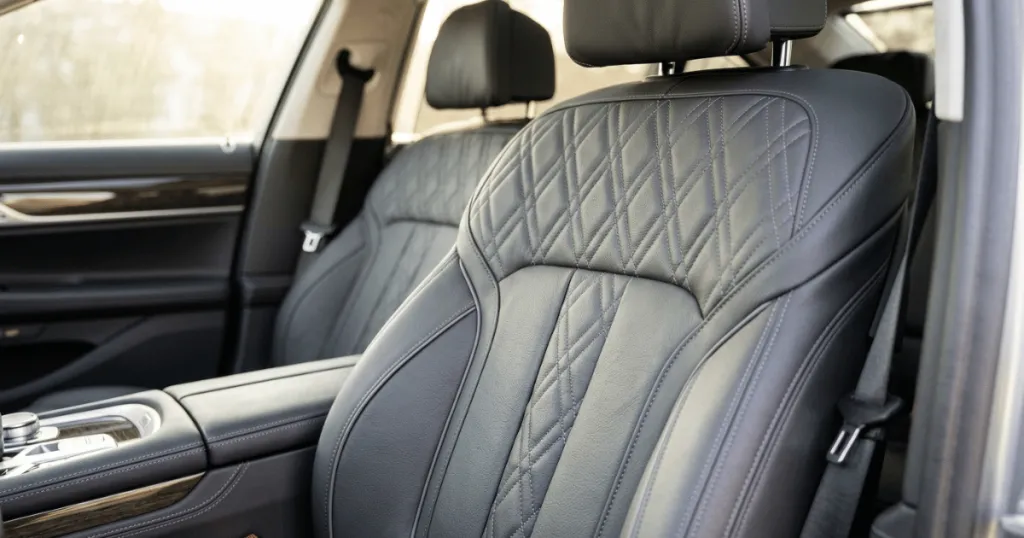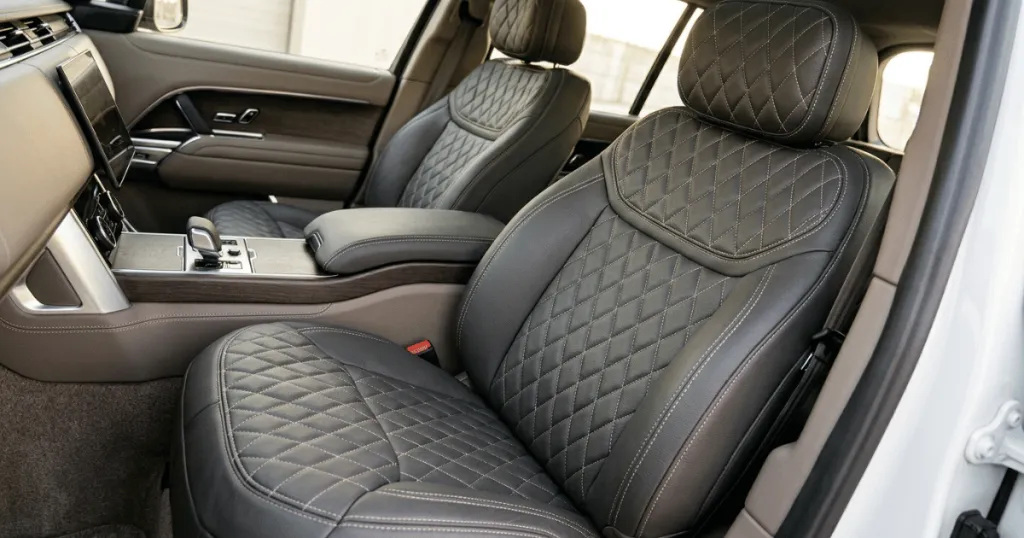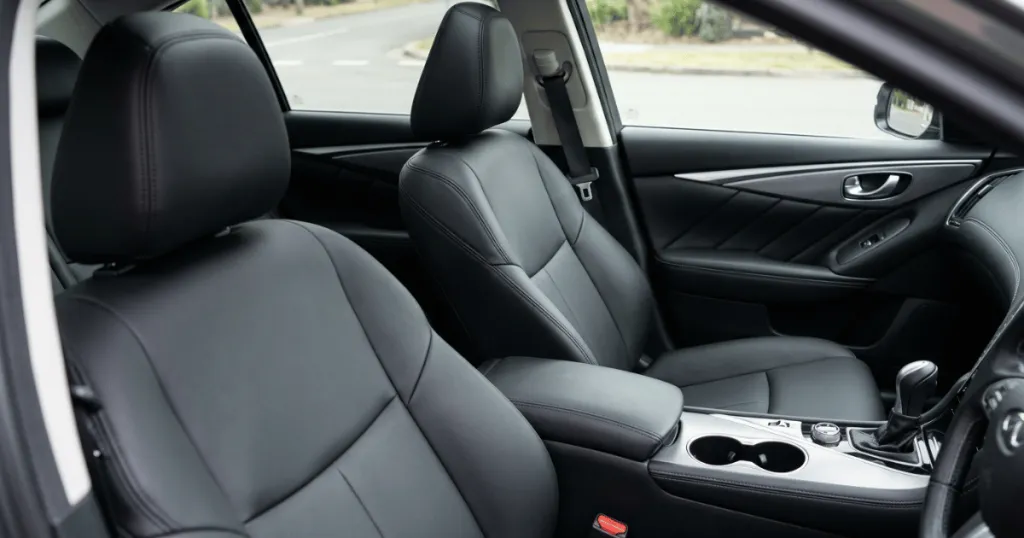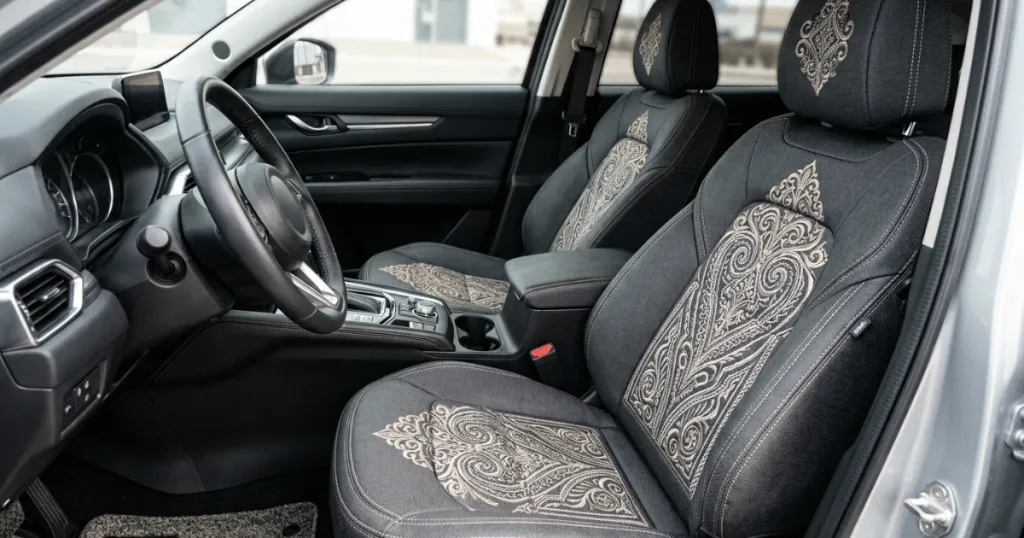
Selecting a seat cover involves balancing functional protection with the visual impact of your cabin. A contrast stitching seat cover introduces a refined, tailored look that can transform a standard factory interior into something that feels bespoke and intentional. The core design principle here is balance: the stitching serves as a visual anchor that draws the eye, so it should complement, rather than clash with, your vehicle’s existing dashboard, door panels, and headliner colors.
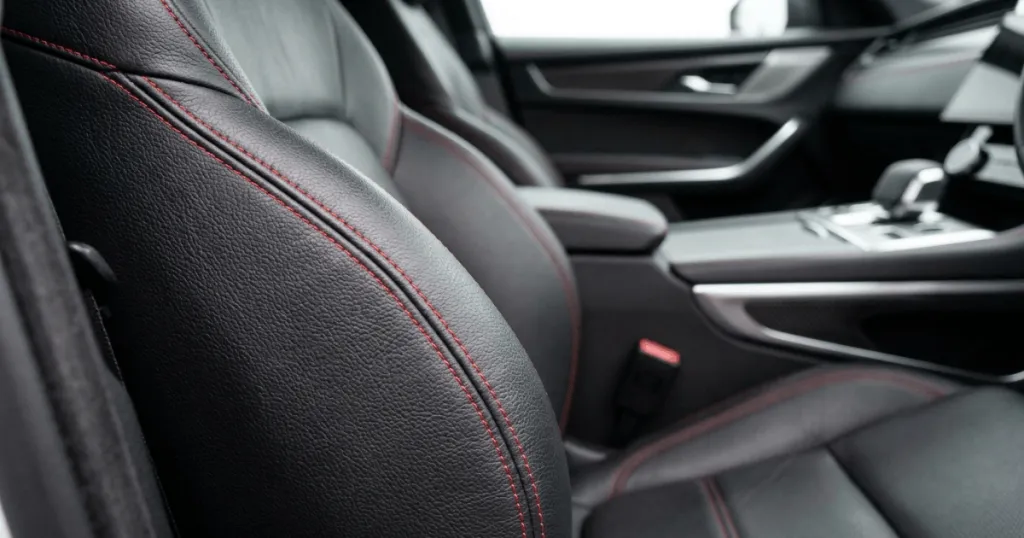
When evaluating these designs, consider the overall mood you want to achieve. A subtle, tonal contrast, such as dark grey stitching on black leather, adds a sophisticated, understated texture. Conversely, a bold, high-contrast choice like bright red or white stitching against dark upholstery creates a sporty, high-performance aesthetic. Your goal is to integrate this detail so it feels like a deliberate design choice rather than an aftermarket addition that stands out for the wrong reasons.
Material and Finish Considerations
The visual success of a contrast stitching car seat cover depends heavily on the base material. The way light interacts with the surface of the cover determines how prominent the stitching appears, and different materials offer distinct levels of durability and aesthetic finish.
Synthetic Leather and PU Options
Faux leather or polyurethane (PU) materials are the most common base for contrast stitching. These materials provide a smooth, consistent surface that allows the thread to pop clearly. Because PU is non-porous, the stitching is often the only texture on the seat, making the pattern choice critical. Look for high-quality, matte-finish synthetic leathers to avoid a cheap, overly shiny appearance that can make the interior look dated.
Neoprene and Fabric Textures
Neoprene covers offer a more casual, rugged finish. When paired with contrast stitching, the effect is less about luxury and more about a utilitarian, active-lifestyle aesthetic. Because neoprene has a slight stretch and a matte, fabric-like surface, the stitching often appears softer and less defined. This material is excellent for those who want the visual interest of a custom stitch without the formal look of leather-style covers.
Quilted and Diamond-Stitch Patterns
Many contrast-stitched covers feature quilted or diamond-stitch patterns. This finish adds depth and dimension to the seat surface, effectively breaking up large, flat areas of material. When selecting a quilted finish, ensure the scale of the pattern matches your seat size. Large diamond patterns work well in spacious SUV or truck seats, while smaller, tighter patterns are often more appropriate for compact car interiors to avoid a cluttered look.
Style and Color Coordination
Integrating a new seat cover style requires a careful look at your vehicle’s existing color palette. A common mistake is selecting a stitching color that matches nothing else in the cabin, which can make the seats feel detached from the rest of the interior design.
Matching the Cabin Palette
Start by identifying the dominant and secondary colors already present in your vehicle. If your dashboard has silver trim, a light grey or silver thread can create a cohesive, modern look. If your vehicle features ambient lighting, consider choosing a thread color that echoes that light, creating a unified visual experience at night. The most successful designs often use the stitching to pull a subtle accent color from the vehicle’s existing trim or gauge cluster.
The Impact of Pattern Scale
The scale of the stitching pattern significantly influences the “busyness” of your interior. A simple perimeter stitch, running only along the edges of the seat panels, is a safe, elegant choice for almost any vehicle. It provides a clean, framed look that highlights the shape of the seat without overwhelming the eye. If you opt for full-surface diamond or honeycomb stitching, be prepared for a much more aggressive, custom-look aesthetic that will dominate the cabin’s visual space.
Avoiding Interior Clutter
To prevent a cluttered appearance, limit the number of competing patterns. If your floor mats or steering wheel cover already feature bold colors or textures, opt for a more restrained seat cover design. A contrast stitching seat cover works best when it is the primary focal point of the interior. If the rest of the cabin is already highly stylized, a simple, tonal stitch is usually the better choice to maintain a sense of harmony.
Use-Case and Vehicle Integration
The functionality of your vehicle should dictate the level of detail in your seat cover design. A daily commuter has different needs than a work truck or a weekend enthusiast vehicle.
Daily Drivers and Commuter Vehicles
For a daily driver, prioritize ease of maintenance alongside style. A contrast stitching seat cover in a high-traffic vehicle needs to be resistant to friction and frequent cleaning. Opt for materials that don’t trap dust in the stitching channels, as this can make the design look dingy over time. A simple, clean stitch pattern is easier to wipe down and maintain than complex, deep-set quilting.
Work Trucks and Utility Vehicles
In a work truck, the focus shifts to durability. While you may want to upgrade the look with contrast stitching, ensure the thread used is heavy-duty and resistant to fraying. Avoid intricate, decorative patterns that might snag on tools or work gear. A straightforward, reinforced stitch along the high-wear bolsters provides a balance of style and structural integrity that holds up under heavy, daily use.
Weekend and Enthusiast Cars
Weekend vehicles offer the most freedom for bold design choices. If you are styling a sports car or a weekend cruiser, you can lean into high-contrast colors and complex patterns like diamond-stitching. Since these vehicles are used less frequently, you can prioritize aesthetics over the extreme wear-resistance required for daily drivers, allowing for softer, more luxurious materials that showcase the stitching detail beautifully.
Practical Maintenance and Fit
A well-installed contrast stitching car seat cover requires attention to detail to ensure the stitching remains aligned and attractive over time. If the cover shifts or bunches, the pattern will distort, immediately undermining the design effort.
Ensuring Proper Tension
Achieving a taut, uniform fit is essential for maintaining the integrity of your stitching lines. When installing, ensure the cover is pulled taut across the seat surface. If the material is loose, the stitching will sag, creating a messy, ill-fitting appearance. Take the time to secure all straps and clips according to the manufacturer’s instructions, as even a small amount of slack can cause the pattern to warp when you sit down.
Cleaning and Care Realities
Maintenance is a critical consideration for any stitched surface. Dust, crumbs, and debris can easily settle into the grooves created by the stitching. For daily maintenance, a soft-bristled brush or a vacuum with an upholstery attachment is essential to keep the stitching channels clear. If you choose a light-colored thread, be aware that it may show dirt more quickly than darker colors, requiring more frequent spot cleaning to maintain its crisp, high-contrast look.
Common Styling Mistakes
One frequent error is failing to account for the seat’s existing contours. If your seat has aggressive bolsters or unique lumbar shapes, a rigid, heavily stitched cover may not conform well, leading to unsightly gaps or bunched fabric. Always verify that the cover design is compatible with your specific seat geometry before committing to a complex pattern.
Another mistake is ignoring the climate of your region. In hot, sunny climates, dark-colored covers with heavy stitching can absorb significant heat. If you live in a region with intense sun exposure, consider breathable materials that won’t trap heat, and be mindful that certain thread colors may be more prone to fading over time. Choosing a high-quality, UV-resistant thread is a simple way to ensure your contrast stitching seat cover maintains its visual appeal for years rather than months.
Advanced Design Considerations for Interior Cohesion
When you move beyond basic color matching, you can use contrast stitching to manipulate the perceived size and shape of your cabin. For instance, horizontal stitching patterns can make narrow seats appear wider and more inviting, while vertical or longitudinal stitching lines can emphasize the length of a seat, creating a more streamlined, cockpit-like feel. This is particularly useful in smaller vehicles where you want to maximize the sense of space without adding bulky accessories.
Furthermore, consider the interaction between the stitching and the seat’s piping. Piping, the raised, rounded edge often found on luxury automotive seats, can be color-matched to your contrast stitching to create a “frame” effect. This dual-detail approach reinforces the custom look, making the seat cover appear as if it were a factory-installed upgrade. However, this level of detail requires precise alignment; if the piping and stitching are slightly off-center, the error is magnified. Always prioritize symmetry when selecting covers with both piping and contrast stitching.
Material Longevity and Thread Quality
Not all threads are created equal. When researching your options, look for information regarding the thread’s composition. Polyester-based threads are generally preferred for automotive applications because they offer excellent UV resistance and color retention. Unlike natural fibers, which may shrink or fade when exposed to the intense sunlight filtering through car windows, high-quality synthetic threads maintain their vibrancy. This is crucial for a contrast stitching seat cover, as the entire aesthetic relies on the thread remaining distinct from the base material. If the thread fades, the “contrast” element is lost, leaving you with a dull, monochromatic look that may not have been your original intent.
Adapting to Seasonal Changes
Your choice of material and stitching density should also account for seasonal comfort. In colder climates, heavy-duty quilted covers with deep-set stitching can provide a slight layer of insulation, making the seats feel less jarringly cold upon entry. Conversely, in warmer climates, these same deep-set patterns can trap heat and moisture. If you live in a region with extreme seasonal shifts, consider a modular approach where you might use a more breathable, lighter-stitched cover in the summer and a more substantial, quilted cover in the winter. While this requires more effort, it ensures that your interior aesthetics never come at the expense of your physical comfort during long drives.
FAQ
Does contrast stitching affect the comfort of the seat cover?
Generally, no. When a contrast stitching seat cover is manufactured correctly, the stitching is flush with the material surface. However, very heavy-duty or thick decorative stitching can sometimes be felt through thin materials, so choosing a quality cover with smooth backing is important for comfort.
How do I keep the stitching clean in a high-traffic vehicle?
Regular maintenance is key. Use a soft-bristled brush to dislodge dirt from the stitching channels and a vacuum to remove it. Avoid using harsh chemical cleaners that could discolor the thread or degrade the material around the stitches.
Can I use a contrast stitching seat cover in a vehicle with existing patterned upholstery?
It is generally recommended to avoid mixing patterns. If your factory seats have a busy pattern, a solid-colored seat cover with subtle contrast stitching is a better choice than a complex quilted design, which could lead to a cluttered look.