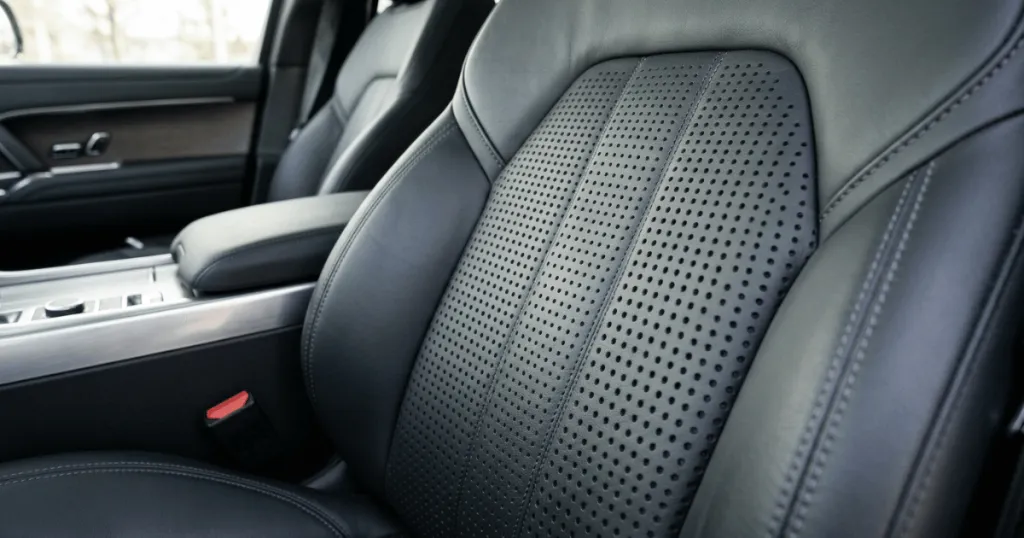
Choosing the right interior aesthetic often involves balancing luxury appeal with functional comfort. A perforated seat cover offers a distinct visual texture that mimics high-end, factory-installed leather seating, providing a refined, sporty look to otherwise plain upholstery. Beyond the visual upgrade, the primary functional advantage lies in airflow. The microscopic holes allow for better breathability, which can significantly reduce the heat buildup often associated with solid-surface synthetic materials during summer months.
While the design is visually striking, it also introduces specific maintenance realities. The small holes can trap fine dust, crumbs, or moisture if not managed correctly. Owners who prioritize a clean, sharp look must be prepared to vacuum more frequently or use a soft-bristled brush to clear debris from the perforations. This design choice works best for drivers who want to elevate their cabin’s appearance without committing to a full reupholstery project, provided they are willing to dedicate a few extra minutes to interior detailing.
Material and Finish Characteristics
Synthetic Leather and Faux Options
Most aftermarket options featuring this design use high-grade synthetic leather or polyurethane. These materials are engineered to replicate the look of genuine hide while offering better resistance to UV fading and surface cracking. When selecting a finish, look for uniform hole spacing, which indicates a higher level of manufacturing precision. A consistent pattern across the center panels of the seat provides a balanced, professional appearance that integrates well with most vehicle interiors. The precision of these perforations is not just aesthetic; it dictates the structural integrity of the material, as overly large or closely spaced holes can compromise the tensile strength of the synthetic leather upholstery.
Breathable Fabric Alternatives
Some manufacturers offer fabric-based covers that utilize a mesh-like perforation technique. These are generally softer to the touch than synthetic leather and excel in extreme heat, as they allow for maximum air circulation. While they lack the sleek, automotive-luxury aesthetic of faux leather, they are often more forgiving in terms of maintenance. They do not show surface scratches as easily and can typically be cleaned with a simple upholstery foam, making them a practical choice for high-traffic daily drivers. These breathable seat covers are particularly effective in humid climates where moisture wicking becomes a priority for driver comfort.
Style and Pattern Integration
Diamond-Stitch and Quilted Accents
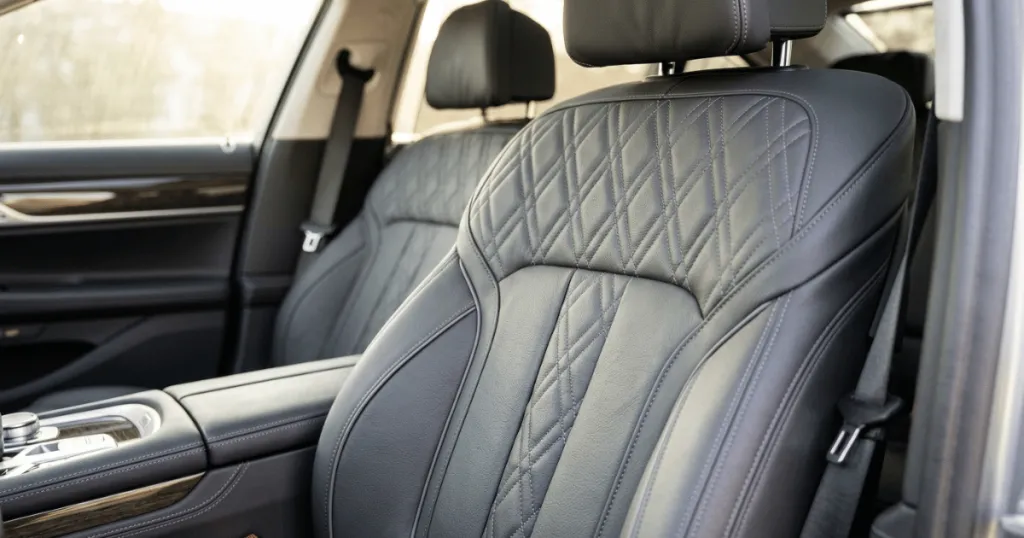
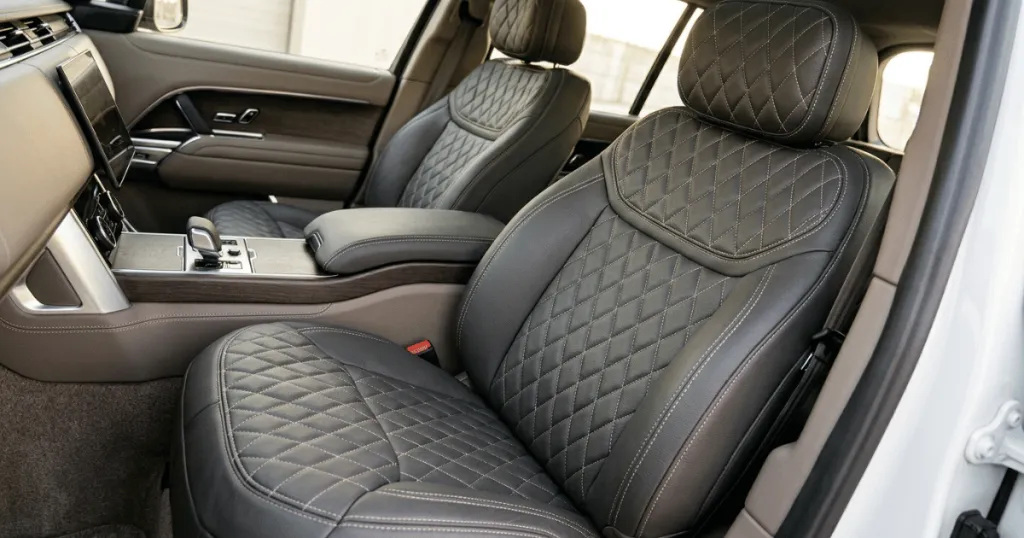
A popular way to incorporate a perforated car seat cover is by pairing it with diamond-stitch or quilted patterns. This combination creates a high-contrast, luxury-inspired aesthetic that is common in premium European vehicles. The perforations usually occupy the center insert of the seat, while the quilted sections frame the sides. This layout prevents the interior from looking cluttered, as the solid-colored bolsters provide a visual anchor that grounds the busier, textured center panel. When choosing diamond-stitch seat covers, ensure the stitching thread is color-fast to prevent bleeding into the perforated material over time.
Color Matching and Contrast
When selecting a color, consider the existing dashboard and door panel tones. A monochromatic approach, where the cover matches the factory seat color, creates a subtle, factory-fresh appearance. Conversely, using a contrasting color for the perforated section, such as a light grey insert on a black seat, can highlight the texture and make the seats a focal point of the cabin. Avoid using more than two primary colors, as this can quickly make the interior look disjointed or overly customized. The goal is to enhance the vehicle cabin, not to overwhelm the existing design language.
Use-Case Scenarios for Your Interior
Daily Commuters and Rideshare Vehicles
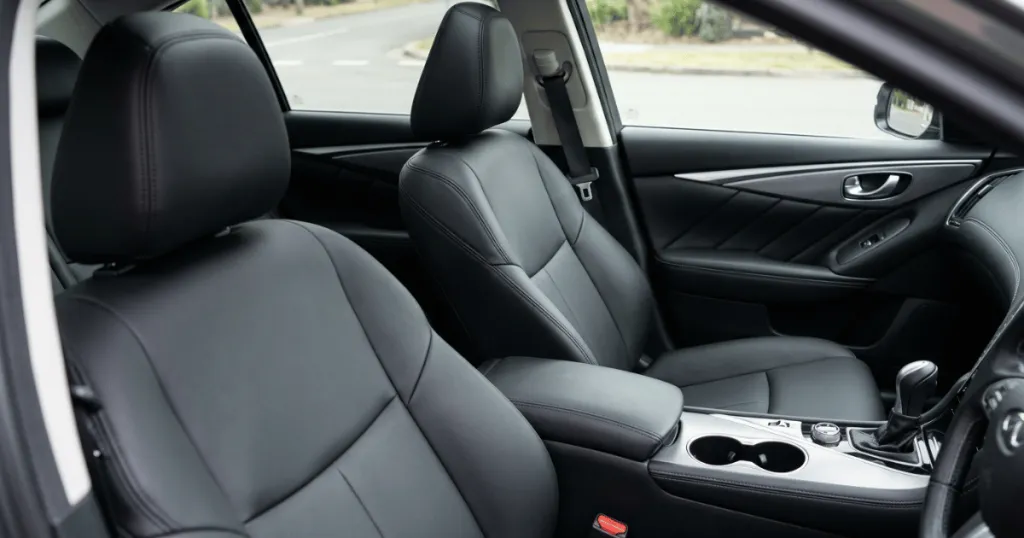
For vehicles used in daily commuting or rideshare services, the priority is balancing comfort with ease of cleaning. A perforated seat cover in a durable, stain-resistant synthetic material is ideal here. The airflow keeps passengers comfortable during long trips, while the synthetic surface allows for quick wipe-downs between riders. Opt for darker colors in these scenarios to hide potential wear and tear from frequent entry and exit. High-traffic daily drivers benefit from the combination of synthetic material durability and the cooling effect provided by the perforation pattern.
Weekend Enthusiast and Sport Vehicles
In vehicles used primarily for weekend drives or car meets, aesthetics take precedence. Here, you can experiment with more aggressive patterns or bold stitching colors that complement the car’s exterior paint. Because these vehicles often spend more time parked, you can choose materials that might be slightly less durable but offer a more premium, soft-touch finish. The perforated design adds a performance-oriented vibe that aligns perfectly with the spirit of a sportier vehicle. Focus on seat insert texture that mimics racing-inspired interiors to achieve this look.
Practical Maintenance and Durability
Cleaning a perforated car seat cover requires a more targeted approach than solid-surface materials, as the tiny holes act as collection points for fine debris. Using a soft-bristled detailing brush is the most effective way to loosen trapped particles before vacuuming. This simple step prevents the buildup from becoming embedded, which could eventually lead to premature wear around the edges of the holes. Regular seat cover maintenance is the best way to ensure the longevity of the material.
Regarding liquid spills, the perforations can allow moisture to seep through to the original seat material beneath. If you frequently carry drinks or have passengers prone to spills, ensure the cover has a water-resistant backing layer. This hidden barrier protects your factory upholstery while still allowing the top surface to breathe. Always check the manufacturer’s cleaning instructions, as some synthetic materials react poorly to harsh chemical cleaners, which can cause the material around the perforations to stiffen or crack over time. While the perforations facilitate necessary cabin airflow, the underlying protective layer is what keeps the original seats in pristine condition.
Common Styling Mistakes and Solutions
A common pitfall is selecting a pattern that clashes with the vehicle’s existing interior lines. If your car has complex seat shapes with many curves, avoid large-scale patterns that might look distorted when stretched over the bolsters. Instead, opt for a tighter, more uniform perforation pattern that flows with the seat’s contours. This keeps the installation looking intentional rather than like an ill-fitting aftermarket addition. Interior styling should always respect the original geometry of the vehicle’s seating.
Another issue is failing to account for the seat’s existing features. If your seats have integrated heating or cooling, ensure the cover material is thin enough to allow heat transfer. A thick, poorly designed cover can act as an insulator, rendering your factory seat features useless. Always verify that the material is compatible with your vehicle’s specific seat functions before finalizing your choice. A properly selected perforated seat cover should enhance, not hinder, the comfort features already built into your vehicle. Always prioritize material compatibility to ensure that your seat’s ergonomic comfort remains uncompromised.
Advanced Considerations for Long-Term Ownership
When investing in a perforated seat cover, consider the long-term environmental exposure. Vehicles parked outdoors in direct sunlight are subject to significant UV radiation. Over time, this can cause the material surrounding the perforations to become brittle. Selecting high-quality synthetic leather with UV-resistant coatings can significantly extend the lifespan of your covers. Furthermore, consider the climate in your region; in extremely dry environments, the material may require periodic conditioning to maintain its suppleness, whereas in high-humidity areas, choosing materials with specialized anti-microbial treatments is essential to prevent mold and mildew growth.
Finally, consider the installation process. A perforated cover that is not installed with proper tensioning can lead to uneven hole spacing, which ruins the visual appeal. Take the time to secure the fasteners correctly and ensure the cover is centered on the seat cushion. A well-installed cover will look like a professional upgrade, whereas a loose or misaligned cover will detract from the overall interior aesthetics of your vehicle. By following these guidelines, you can enjoy the benefits of improved airflow and a sophisticated look for years to come.
FAQ
Does a perforated seat cover affect seat heating and cooling?
Yes, it can. While the holes themselves promote airflow, the thickness and material of the cover will influence how well heat or cold passes through. Always ensure the material is rated for use with heated or ventilated seats to maintain functionality.
How do I clean debris out of the small holes in a perforated seat cover?
The most effective method is to use a soft-bristled detailing brush to loosen dust or crumbs from the perforations, followed by a vacuum with a brush attachment to lift the debris away.
Are these covers more prone to tearing than solid ones?
High-quality synthetic leather with reinforced backing is generally durable. However, because the material is punched with holes, it is technically weaker than a solid sheet. Proper installation that avoids over-stretching the material is key to preventing tears.