Many vehicle owners assume that a two tone seat cover is simply a way to add a splash of color, but the real goal is achieving a balanced, factory-inspired look that complements the existing dashboard and door panels. A common mistake is selecting high-contrast colors that clash with the vehicle’s trim, creating a cluttered or aftermarket appearance that detracts from the cabin’s overall design. By carefully considering the primary and secondary color placement, you can elevate the interior while ensuring the upholstery feels intentional rather than like an afterthought.
When planning your aesthetic, focus on how the colors interact with the rest of the cabin. A well-executed two tone seat cover should draw the eye to the seating area without overwhelming the driver or passengers. Whether you prefer a subtle leather-on-leather combination or a more rugged canvas-and-mesh look, the key lies in matching the saturation and undertones of your existing interior plastics, carpeting, and headliner.
Selecting the ideal two tone seat cover configuration requires a careful analysis of your seat’s specific contours and bolster shapes. Before finalizing a decision, evaluate the specific geometry of your bucket or bench seats. A two tone design that looks striking in a flat, wide bench seat might look fragmented on a highly contoured sport bucket seat. By understanding how the seams of the cover align with the natural lines of your vehicle’s seat structure, you can ensure that the transition between colors feels fluid and purposeful.
Material and Finish Considerations
Leather and Faux Leather Combinations
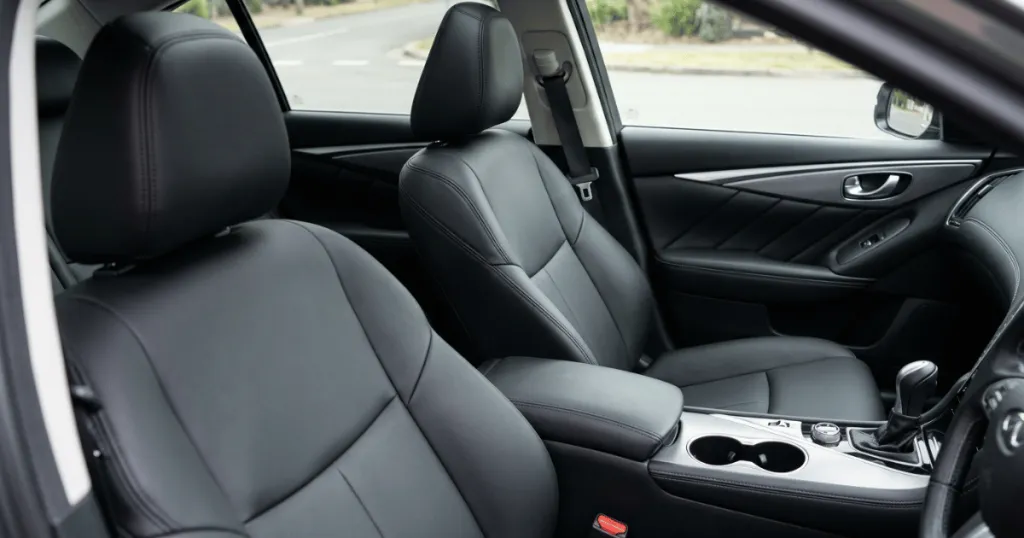
Combining different textures within a leather or faux leather setup provides a sophisticated, luxury feel. Often, the center panel is perforated to allow for breathability, while the bolsters use a solid, smooth finish for durability. This approach is excellent for daily drivers where comfort is a priority, as the perforated sections help regulate temperature during long commutes. When opting for these materials, consider the sheen level; a matte finish on both colors often looks more premium than mixing a high-gloss faux leather with a matte finish, which can make one material appear cheaper than the other.
Canvas and Neoprene Blends
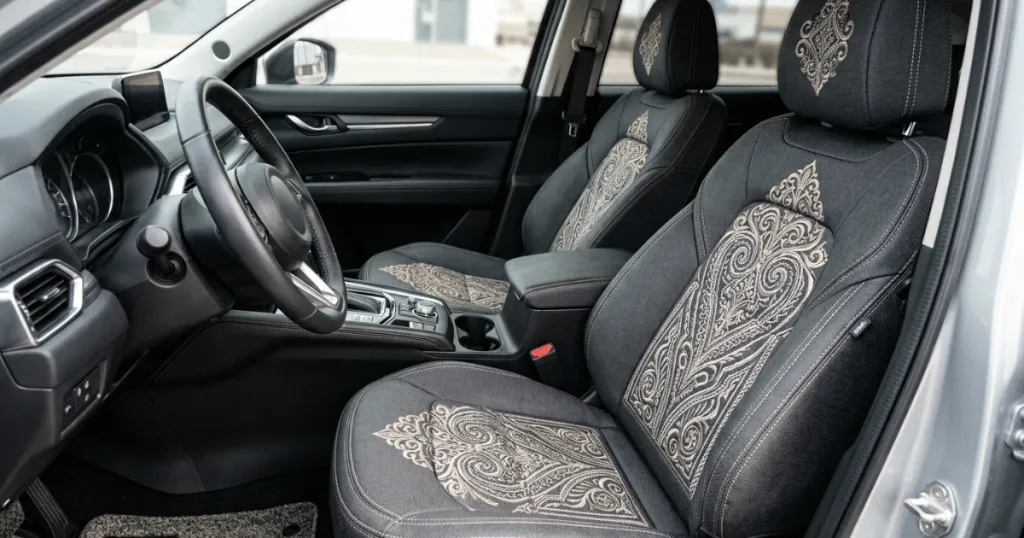
For vehicles used in outdoor or high-traffic scenarios, mixing materials like heavy-duty canvas with neoprene offers both style and utility. The canvas sections provide a rugged, textured look that hides dirt well, while the neoprene panels offer a soft, cushioned feel. This combination is particularly effective for work trucks or weekend adventure vehicles where durability is non-negotiable. When selecting these blends, pay attention to the colorfastness of the materials, as canvas and neoprene may age at different rates when exposed to direct sunlight through the windshield.
Synthetic Suede and Mesh Integration
For a modern, performance-oriented aesthetic, consider integrating synthetic suede inserts into a standard fabric or faux leather base. Suede provides a tactile, high-friction surface that keeps occupants firmly in place during cornering, while the surrounding material provides structural support. This is a popular choice for those looking to emulate the look of high-end sports car interiors. The primary trade-off here is maintenance; suede requires more careful cleaning than smooth synthetic materials, so place it in the center panels where it is less likely to be brushed against during entry and exit.
Styling and Pattern Guidance
Color Placement and Visual Balance
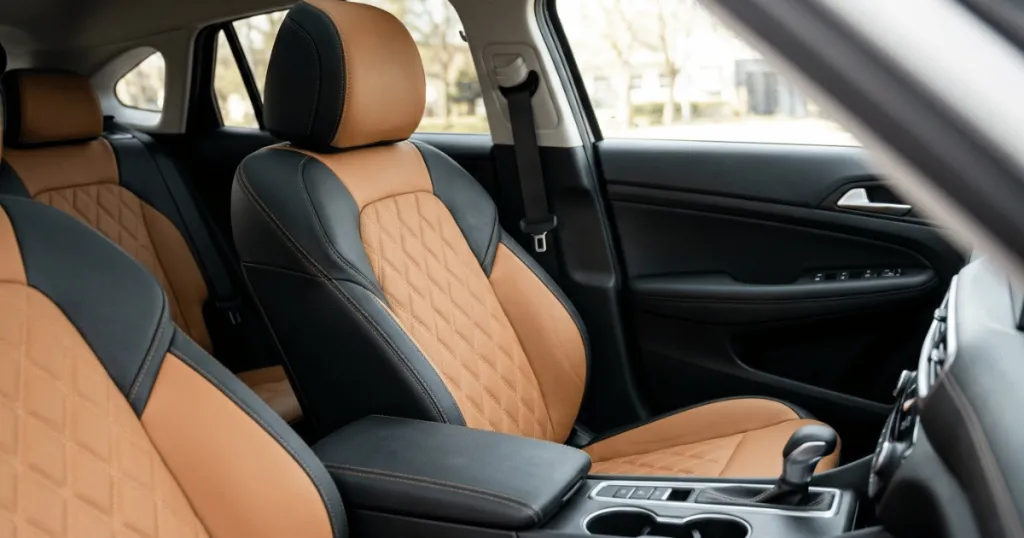
The most successful designs place the darker, more durable color on the high-contact areas, the seat bolsters and the base, while using a lighter or accent color on the center backrest. This layout serves a dual purpose: it grounds the seat visually and hides the areas most prone to staining or wear. If you choose a bright accent color, keep it restricted to piping or center inserts to avoid a jarring visual effect. A good rule of thumb is the 70/30 rule: 70% of the seat should be a neutral or primary color that matches the vehicle interior, while 30% can be the secondary accent color.
Diamond Stitching and Quilted Finishes
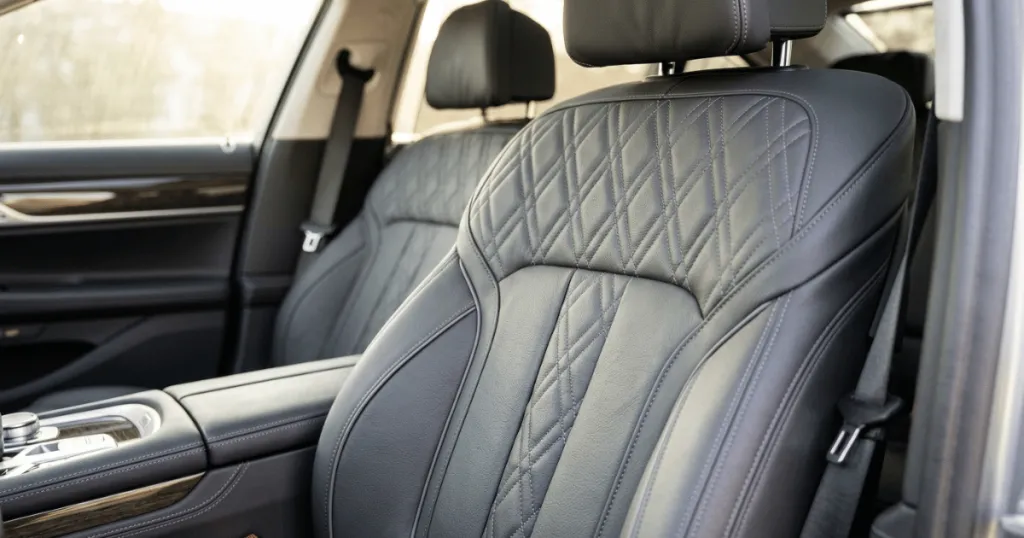
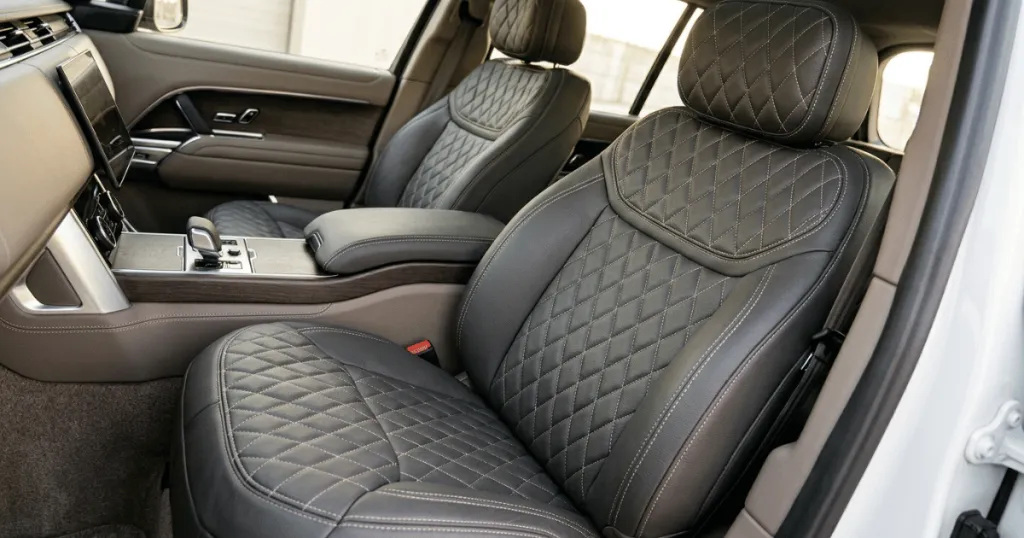
Adding a quilted or diamond-stitch finish to the center panel of a two tone seat cover can instantly upgrade the cabin’s luxury factor. This technique adds depth and dimension, breaking up large, flat surfaces that might otherwise look plain. When selecting a diamond-stitch pattern, ensure the thread color matches your vehicle’s existing interior accent stitching for a cohesive, professional installation. Be wary of overly large diamond patterns in small vehicles, as they can visually overwhelm the seat, making the interior feel smaller than it actually is.
Pattern Scale and Interior Scale
Consider the size of your vehicle when selecting patterns. In a compact car, large-scale patterns or bold, wide color blocks can make the interior feel cramped. Opt for thinner, more refined color strips or subtle piping. Conversely, in a full-size SUV or truck, you have more room to experiment with wider color panels and more pronounced stitching details without overwhelming the cabin space. Always look at the scale of your headrest and armrest relative to the seat back; a pattern that is too busy can make these smaller components look disjointed.
Use-Case Scenarios for Interior Design
Family and High-Traffic Vehicles
In a family vehicle, the priority is balancing aesthetics with ease of maintenance. A two tone seat cover that utilizes a dark, stain-resistant material on the seat base and a slightly lighter, wipeable material on the backrest is ideal. Avoid light-colored fabrics in these high-traffic areas, as they will show grime from children or pets almost immediately, regardless of how often you clean them. Consider using darker tones for the lower seat cushion, where crumbs and spills are most frequent, and reserve lighter tones for the upper backrest area where they are less likely to be subjected to heavy friction.
Commercial and Rideshare Settings
For vehicles used in commercial or rideshare capacities, the design should remain professional and neutral. Stick to classic color combinations like charcoal and black or navy and grey. These pairings look clean and inviting to passengers while masking the inevitable wear that comes from frequent entry and exit. A subtle, non-distracting two tone pattern conveys a sense of care for the vehicle’s appearance. Avoid high-contrast patterns that might be perceived as “loud” or unprofessional by clients who expect a calm, neutral environment.
Weekend and Enthusiast Vehicles
Enthusiast vehicles allow for more creative freedom. You might opt for a two tone seat cover that matches the exterior paint color of the car, using the accent color for the stitching or the center insert. This creates a direct visual connection between the outside and inside of the vehicle, reinforcing the car’s personality without requiring a full custom upholstery job. When matching an exterior color, aim for a muted or “desaturated” version of that color for the interior to ensure it doesn’t clash with the dashboard plastics.
Practical Maintenance and Durability
Keeping a two tone car seat cover in top condition requires consistent attention to the junction points where different materials meet. Dirt and debris tend to accumulate in these crevices, so regular vacuuming is essential to prevent premature fabric breakdown. When cleaning, always check that your cleaning agent is compatible with both materials used in the cover, as a product safe for faux leather might damage a canvas or neoprene insert. If you have a multi-material cover, use a pH-neutral cleaner that is safe for all synthetic fibers to avoid discoloration at the transition points.
Fit is another critical factor for longevity. A loose cover will shift during use, causing the seams of the two tone design to stretch and eventually fray. Ensure your covers are properly tensioned and secured according to the manufacturer’s instructions. A tight, custom-fit look not only appears better but also prevents the material from bunching, which is the primary cause of premature wear in multi-material designs. Check the tensioning straps every few months, especially in vehicles with frequent passenger turnover, to ensure the cover remains taut against the seat frame.
Common Styling Mistakes to Avoid
One of the most frequent errors is ignoring the undertones of your vehicle’s interior plastics. If your dashboard has warm, brownish-grey tones, avoid choosing a cool, blue-grey two tone seat cover, as the mismatch will be immediately obvious. Always bring a color sample into your vehicle to test how the material looks against your existing trim in natural daylight. Artificial showroom lighting can be deceptive, often masking the true hue of a material until it is installed in the car.
Another common pitfall is over-complicating the design. Adding too many colors or overly aggressive patterns can make the interior feel cluttered. If you are unsure, stick to a two-color palette where one color is a neutral base and the second is a subtle accent. This approach provides the visual interest of a two tone seat cover without the risk of creating a chaotic or dated-looking cabin. Remember that the goal of a two tone design is to enhance the existing architecture of the seat, not to replace it with a completely different visual language.
Finally, consider the impact of sunlight on your chosen colors. Darker colors on the seat base may absorb more heat in the summer, while lighter colors on the backrest might reflect glare into the driver’s eyes if the material is too shiny. Choosing a matte finish for the upper sections of the seat can help mitigate this, ensuring that your cabin remains visually balanced and comfortable across all seasons.
FAQ
Can a two tone seat cover be used in a vehicle with existing leather seats?
Yes, a two tone car seat cover can be installed over existing leather. Ensure the covers are designed for a snug fit to prevent sliding against the smooth leather surface, which can lead to premature wear of both the original upholstery and the cover.
How do I ensure the colors of my seat covers match my interior?
The best way to ensure a match is to request fabric samples from the manufacturer. Hold these samples against your dashboard, door panels, and center console in natural light to see how the undertones interact before committing to a full two tone seat cover set.
Are two tone seat covers more difficult to clean than single-color covers?
They can be, primarily because you must ensure your cleaning solution is safe for both materials used in the design. Always test a small, inconspicuous area first, and pay extra attention to the seams where the two colors meet, as these areas can trap debris.