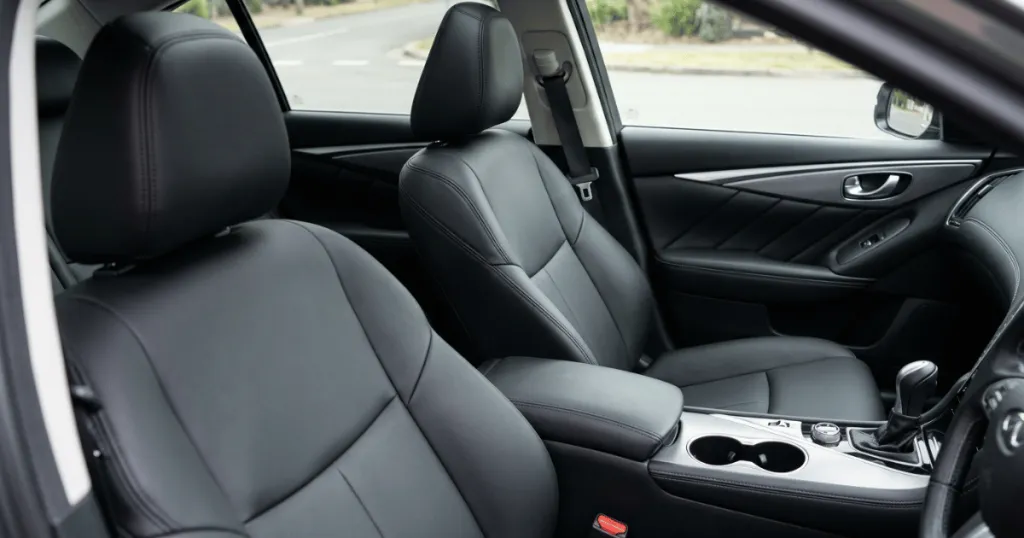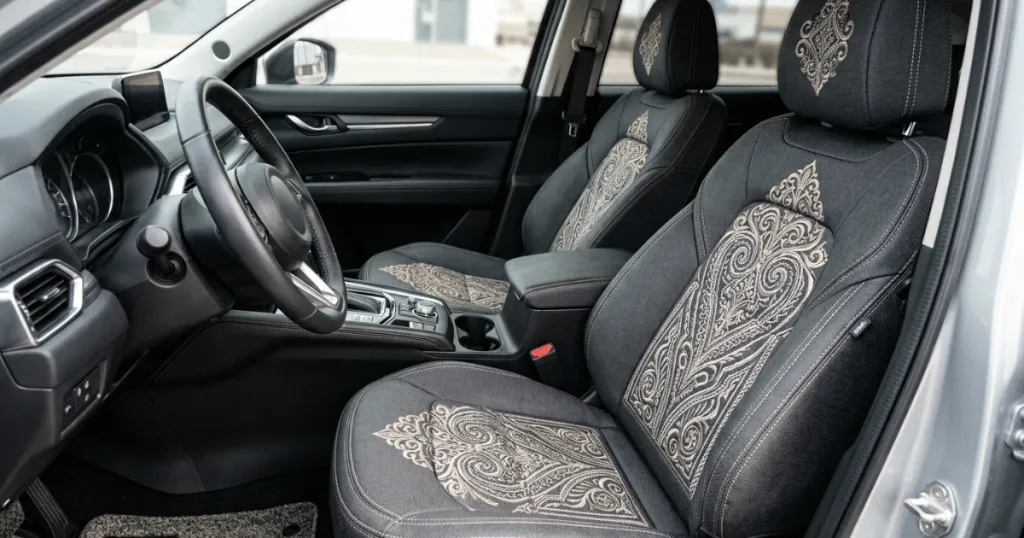
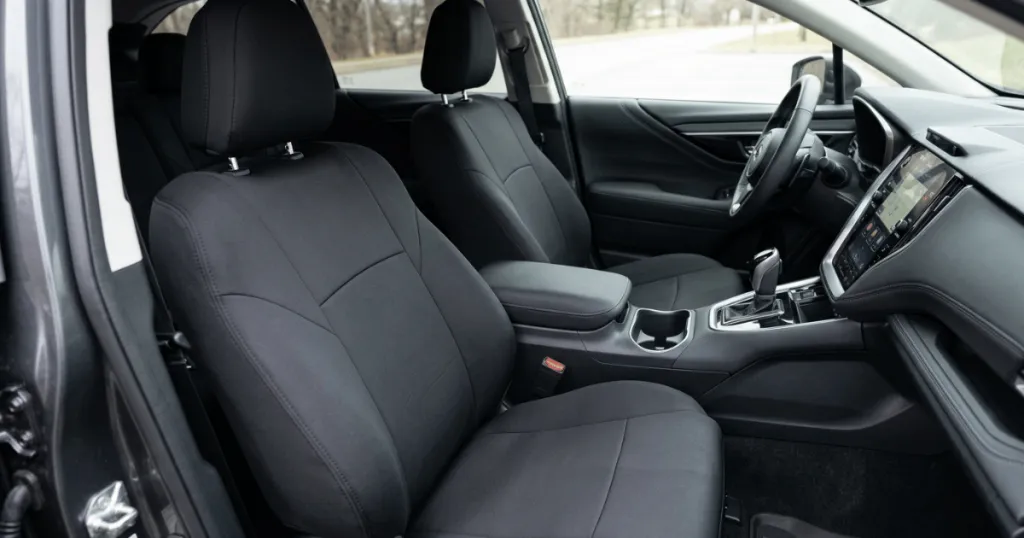
When you look at the interior of your vehicle, the upholstery is often the first thing that catches the eye. Choosing a plain seat cover is a deliberate design decision that favors a clean, cohesive aesthetic over busy patterns or complex textures. For many vehicle owners, the goal is to protect the underlying factory seats while maintaining a factory-like or minimalist appearance that does not clash with the existing dashboard or door panels.
A plain seat cover offers a versatile solution that integrates seamlessly into almost any cabin environment. By focusing on solid colors and smooth, uniform finishes, these covers provide a neutral foundation that allows other interior elements to stand out. Whether you are aiming to hide minor wear on aging seats or simply want to preserve the original fabric, this design choice remains a popular, understated option for daily drivers and commuters alike.
The Aesthetic and Practical Benefits of Minimalist Upholstery
Opting for a simple, unadorned design provides several advantages that go beyond mere visual appeal. When you avoid intricate stitching patterns or bold, multi-colored designs, you often find that the installation process is more straightforward and the finished look is more professional.
Visual Cohesion in the Cabin
A plain car seat cover acts as a visual anchor. Because it lacks distracting prints or high-contrast piping, it tends to blend into the vehicle’s architecture rather than fighting for attention. This is particularly useful in older vehicles where you want to modernize the look without making the interior feel like a collection of mismatched parts. A solid-colored cover in a shade that matches or complements your carpet or trim creates an intentional, factory-finished appearance.
Simplified Cleaning and Maintenance
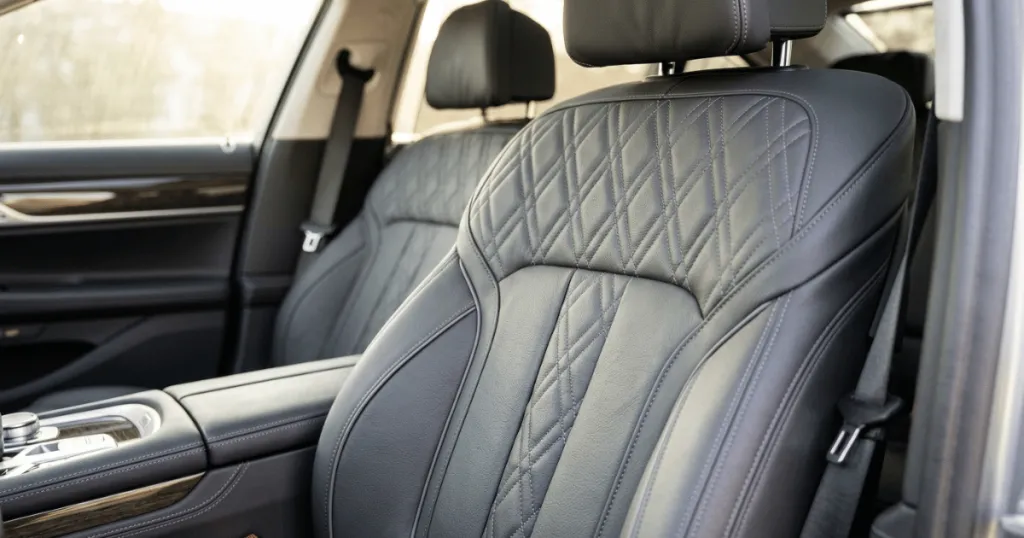
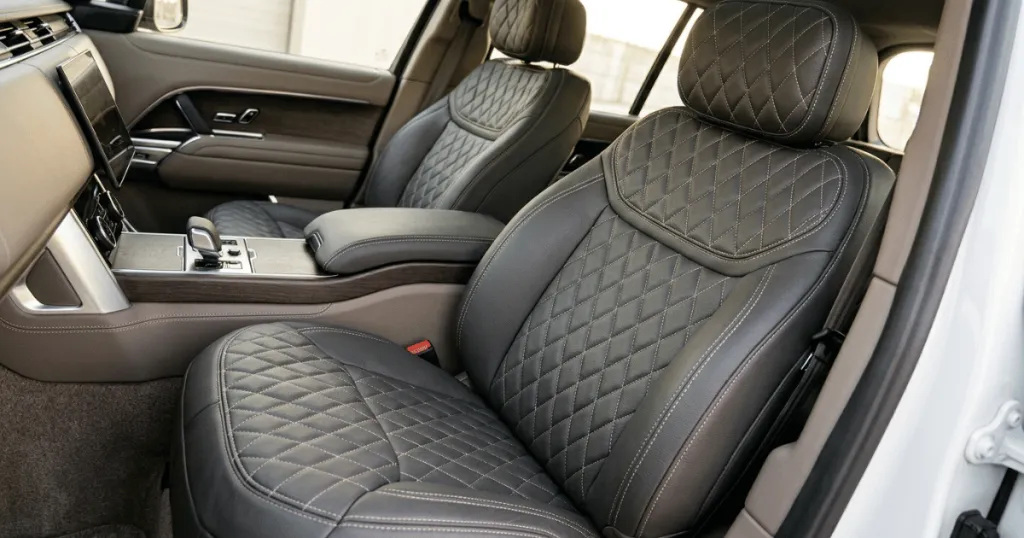
Maintenance is significantly easier when you do not have to navigate around complex seams or deep decorative stitching. Dirt, crumbs, and pet hair have fewer places to hide on a flat, uniform surface. When you wipe down a plain seat cover, you can cover the entire surface area in one motion without needing a brush to dig debris out of deep diamond-stitch crevices or embossed logos. This makes them a practical choice for high-traffic vehicles used for commuting or family transport.
Real-World Scenarios for Choosing Simple Designs
Different vehicle usage patterns demand different approaches to interior protection. A plain seat cover serves as a functional tool that adapts to various lifestyle needs, from daily commuting to heavy-duty utility use.
Daily Commuting and Rideshare Use
For those who spend hours in their vehicle every day, comfort and cleanliness are paramount. A plain car seat cover made from breathable fabric or smooth synthetic leather provides a consistent surface that does not trap sweat or dirt as easily as textured materials. In a rideshare context, a neutral, solid-colored cover presents a professional image to passengers. It avoids the cluttered look of sport-style covers and provides a clean, welcoming environment that passengers appreciate.
Preserving Resale Value
If your goal is to keep the factory upholstery in pristine condition for future resale, a plain seat cover is the most effective way to do so. By mimicking the look of the original seats, you can protect the fabric or leather from UV damage and daily friction without drastically altering the character of the car. When it comes time to sell, removing a neutral, well-maintained cover often leaves the seats underneath looking as fresh as they did on day one.
Situational Factors That Influence Your Choice
While the aesthetic is simple, the decision to use a plain seat cover involves considering how it interacts with your specific vehicle’s layout and your local climate. Understanding these variables ensures that your chosen cover performs as expected throughout the year.
Adapting to Climate and Temperature
The material you choose for your plain seat cover should be dictated by your local climate. In hot, sunny regions, a breathable fabric or a light-colored synthetic material helps prevent the seat from becoming uncomfortably hot to the touch. Conversely, in colder climates, you might prefer a material that feels less jarringly cold when you first sit down. A plain, non-quilted cover often allows for better airflow or heating element penetration compared to thick, heavily padded alternatives.
Considering Seat Configuration
The complexity of your vehicle’s seat configuration, such as split-bench rows, integrated headrests, or manual adjustment levers, should guide your selection. A plain seat cover is often easier to fit around these obstacles because it lacks the rigid, pre-formed shapes of more complex, luxury-style covers. This flexibility allows for a tighter, more secure fit on seats that have non-standard contours, ensuring that the cover stays in place during daily entry and exit.
Why Simple Designs Often Outperform Complex Alternatives
Many owners fall into the trap of thinking that more expensive or complex designs offer better protection, but this is often a misconception. A plain seat cover is frequently more durable because it has fewer seams, which are typically the first points of failure in any upholstery product. Fewer seams mean fewer opportunities for threads to snag or for panels to separate under stress.
By choosing a high-quality, solid-material cover, you are investing in a product that relies on the integrity of the material itself rather than decorative elements that can degrade over time. In practice, this means your interior remains protected longer, with less need for adjustments or repairs, making the plain seat cover a reliable, long-term solution for any vehicle owner.
Material Selection and Long-Term Performance
When selecting a plain seat cover, the material choice is just as important as the lack of pattern. For those prioritizing interior upholstery protection, synthetic leather seat covers offer a wipe-clean surface that mimics high-end finishes without the maintenance requirements of natural hides. If you prefer a more tactile feel, heavy-duty canvas or high-denier fabrics provide excellent wear resistance against keys, zippers, and heavy cargo. The key is to match the material to your specific vehicle interior maintenance routine.
A plain, non-textured surface ensures that spills stay on the surface rather than soaking into deep stitching, allowing for quick remediation before stains set in. This focus on material integrity over decorative flair is a hallmark of smart automotive seat protection.
Installation Nuances for a Factory-Look Finish
Achieving a professional look with a plain seat cover often comes down to how well you manage the tension across the seat contours. Because there are no patterns to hide slight misalignments, the installation must be precise. Begin the process by aligning the cover perfectly with the seat base before you engage the attachment points. Use the provided straps or hooks to pull the material taut, working from the center outward to eliminate wrinkles. In vehicles with complex seat shapes, a plain cover is often more forgiving, as it can be smoothed out more easily than a cover with rigid, pre-stitched panels.
This results in a fit and finish that looks like it belongs in the vehicle, rather than an obvious aftermarket addition. Remember that custom fit seat covers often provide the best results, but even universal-fit plain covers can look exceptional if you take the time to tuck the excess material neatly into the crevices of the seat.
Addressing Common Concerns and Misconceptions
There is a persistent myth that plain covers are boring or lack the comfort features of premium, quilted alternatives. In reality, the comfort of a seat cover is determined by the quality of the base material and the underlying foam, not the surface pattern. A plain cover can be just as comfortable as a luxury version if it uses high-quality, breathable materials that regulate temperature effectively.
Furthermore, because plain covers do not have deep, stitched channels, they are less likely to trap debris that can cause discomfort over long drives. By focusing on the fundamentals of car seat cover material quality, you ensure that your interior remains a comfortable, inviting space for you and your passengers, regardless of the simplicity of the design.
FAQ
Are plain seat covers easier to install than patterned ones?
Generally, yes. A plain seat cover typically features fewer seams and less complex paneling, which simplifies the process of stretching and securing the material over the seat contours. This makes achieving a smooth, wrinkle-free fit more manageable for DIY installers.
Do plain seat covers work well with leather interiors?
They can work very well, provided you choose a material that complements the existing leather. A plain seat cover in a matching color can protect the original leather from cracks and UV fading without making the interior look cluttered or aftermarket.
Is a plain seat cover less durable than a quilted one?
Not necessarily. In many cases, a plain seat cover is more durable because it lacks the decorative stitching found in quilted designs. Stitched seams are often the first areas to wear out or snag; by avoiding them, you reduce the number of potential failure points on the cover’s surface.