When you need to protect your vehicle’s interior from the rigors of daily life, a canvas car seat cover stands out as a functional, high-utility choice. Unlike thinner synthetic fabrics or delicate leather, canvas is engineered for resilience, making it a preferred option for drivers who prioritize utility over luxury aesthetics. It acts as a heavy-duty barrier against dirt, moisture, and general wear that can degrade factory upholstery over time.
Choosing this material often comes down to how you use your vehicle. Whether you are hauling tools, transporting pets, or navigating off-road environments, the structural integrity of canvas provides a consistent level of shielding. This guide explores the physical properties, maintenance requirements, and practical considerations for integrating this material into your vehicle’s interior.
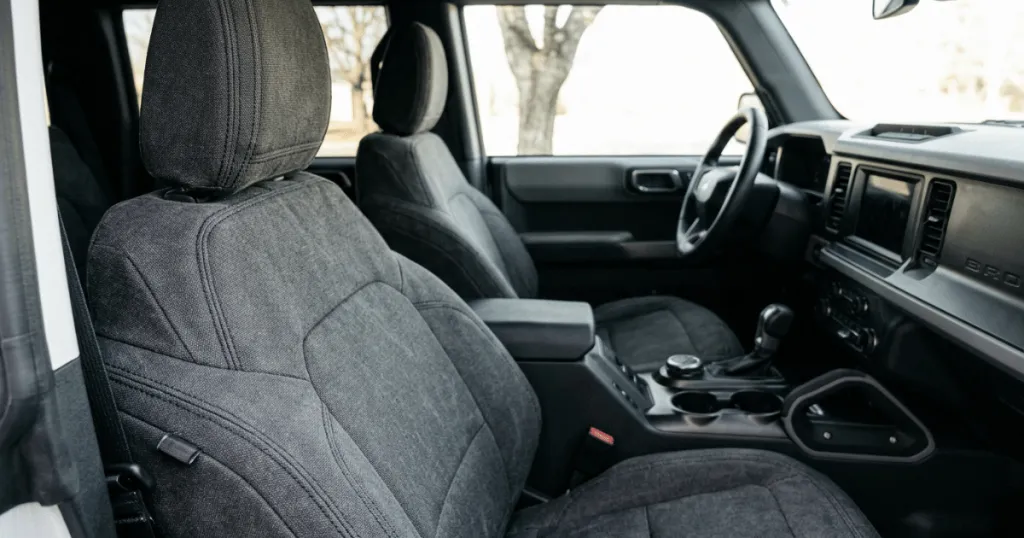
Physical Properties and Material Characteristics
The primary appeal of a canvas car seat cover lies in its dense weave and inherent toughness. This material is typically derived from heavy-duty cotton or synthetic blends, designed to withstand friction and physical impact that would tear or stretch lighter fabrics. The fabric density is a critical factor; a higher thread count in canvas construction directly correlates to better performance against sharp objects and repetitive mechanical stress.
High Abrasion Resistance
Canvas is renowned for its ability to resist abrasion. In a vehicle, this means it can handle the constant sliding of passengers, the weight of heavy cargo, and the sharp edges of equipment without showing signs of thinning or pilling. The tight weave ensures that surface tension remains high, preventing the fabric from bunching or sagging over time. This makes it an ideal candidate for high-traffic seating areas, such as the driver’s side bolster, which typically experiences the most wear and tear.
Breathability and Temperature Regulation
While some heavy-duty materials trap heat, canvas remains relatively breathable. Because it is often made from natural fibers or high-quality blends, it allows for better airflow compared to non-porous vinyl or faux leather. This makes it a comfortable option for long drives, especially in warmer climates where sticking to a seat surface can become a significant discomfort. The natural fibers allow for moisture wicking, which helps regulate body temperature during extended periods of sitting.
Structural Rigidity and Fitment
The stiffness of the material serves a specific purpose in automotive seating. It maintains its shape well, which helps in keeping the seat cover securely in place. This rigidity ensures that the cover does not easily shift or slide, providing a stable surface that protects the underlying foam and fabric of the original seat. When properly installed, the structural integrity of a canvas cover acts as a secondary layer of upholstery, effectively shielding the seat foam from compression and degradation caused by heavy or abrasive loads.
Practical Applications in Daily Driving
The decision to install a canvas car seat cover is usually driven by specific usage scenarios where standard upholstery is likely to fail or become permanently stained. Assessing how your daily habits align with the material’s specific strengths helps ensure you choose the right level of durability for your vehicle.
Work and Commercial Environments
For individuals who use their vehicles for trade work, construction, or field services, canvas is the industry standard. It handles the grit, dust, and debris that often accompany work gear. If you frequently carry heavy tool belts or work in environments that leave you covered in grime, the protective barrier provided by canvas is invaluable for maintaining the vehicle resale value. Unlike smooth materials that might show every scratch, canvas hides minor surface imperfections well.
Pet Ownership and Family Travel
Pets can be hard on car interiors, with claws and shedding fur posing constant challenges. Canvas is resistant to snagging, making it a safer bet than mesh or thin polyester. Furthermore, it is easier to vacuum and brush clean, as fur does not weave itself into the fabric as deeply as it does with softer, more porous materials. For families, the material’s ability to withstand spills and food crumbs makes it a practical choice for daily commuting and weekend road trips.
Off-Road and Outdoor Recreation
If your vehicle sees time on trails or at the beach, you are likely dealing with mud, sand, and moisture. Canvas is highly effective at stopping these elements from reaching the seat foam. While it is not always fully waterproof, many versions are treated with water-resistant coatings that allow you to wipe away spills before they soak through to the original upholstery. This moisture resistance is a vital feature for those who frequently encounter wet conditions, as it prevents the underlying seat cushion from absorbing water, which could lead to odors or mold growth.
Maintenance and Longevity Considerations
Keeping your gear in good shape requires a consistent approach to cleaning and care. Because canvas is a rugged material, it is generally forgiving, but it does require specific attention to remain effective. Establishing a regular cleaning routine helps preserve the fabric’s protective qualities and keeps your seats looking tidy.
Routine Cleaning Methods
Regular maintenance involves simple vacuuming to remove loose debris and dirt. For localized spills or stains, a damp cloth with a mild detergent is usually sufficient. Avoid using harsh chemicals or bleach, as these can break down the fibers and compromise the water-repellent treatments often applied to the surface. A soft-bristled brush can be used to lift dirt trapped in the weave without damaging the fabric fibers.
Deep Cleaning and Washing
If the covers are removable, many canvas options can be machine-washed, though you should always check the manufacturer’s specific care instructions. Using a gentle cycle and air-drying is the safest approach to prevent shrinking or distortion. Never force a damp cover back onto the seat; ensure it is completely dry to prevent mold or mildew from developing between the cover and the seat cushion. Air-drying is preferred over heat-drying, as high temperatures can damage the protective coatings or cause the fabric to lose its shape.
Addressing Common Misconceptions
One common belief is that a canvas car seat cover is inherently uncomfortable or rough to the touch. While it is not as soft as velour or suede, modern manufacturing has introduced softer, treated canvas blends that offer a balance between comfort and durability. The initial stiffness often dissipates after a short break-in period, resulting in a surface that feels more natural against the skin. Many users find that the trade-off for durability is well worth the slight difference in texture.
Another misconception is that all canvas is waterproof. While it is durable, standard cotton canvas is naturally absorbent. If you require complete protection against heavy liquid spills, look for versions that feature a specialized water-resistant backing or coating. Distinguishing between a fabric that merely sheds light moisture and one that blocks heavy saturation is key to picking the right product for your environment. If your primary concern is heavy liquid exposure, ensure the product description explicitly mentions a waterproof membrane or barrier.
Selecting the Right Canvas for Your Needs
When evaluating options, consider the weight of the fabric. Heavier canvas (often measured in ounces per square yard) provides superior protection but may be more difficult to install due to its thickness. Lighter canvas is easier to handle and often more flexible, making it a good choice for seats with complex contours or integrated adjustment levers. Always prioritize a snug fit, as a loose cover can lead to premature wear due to friction against the seat itself.
Consider the environment in which you drive. If you live in a high-UV area, look for canvas treated with UV-resistant coatings to prevent fading and fiber degradation over time. While canvas is inherently tough, long-term exposure to direct sunlight can eventually weaken any fabric. A high-quality canvas cover will maintain its color and structural integrity much longer than cheaper, thinner alternatives, making it a sound investment for long-term interior detailing and protection.
Final Guidance for Your Interior Protection
Integrating a canvas car seat cover into your vehicle is a practical decision for those who prioritize long-term interior preservation. By choosing a material known for its abrasion resistance and structural integrity, you create a reliable shield against the daily wear and tear that eventually affects every vehicle. Whether you are managing the demands of a work vehicle or simply want to ensure your seats stay clean during family outings, this material provides a robust, low-maintenance solution. When you select a high-quality option and commit to basic routine care, you ensure that your interior remains in excellent condition for years to come.
FAQ
Is a canvas car seat cover machine washable?
Many, but not all, are machine washable. You must check the specific manufacturer’s instructions, as some heavy-duty or treated canvas covers require hand washing or spot cleaning to preserve their protective coatings.
Does canvas material get hot in the sun?
Canvas generally stays cooler than vinyl or faux leather because it is more breathable. However, like any fabric, it can absorb heat if left in direct sunlight for extended periods.
Will a canvas cover protect my seats from water?
Most canvas covers are water-resistant, meaning they can handle minor spills and moisture. However, they are not typically fully waterproof, so significant liquid saturation may eventually seep through to the seat underneath.