Many vehicle owners assume that denim car seat cover options are purely aesthetic, chosen solely for a rugged or casual look. While the material certainly brings a distinct style to an interior, its functional properties often surprise those who have only experienced it in clothing. Denim is essentially a heavy-duty cotton twill, characterized by its tight weave and high thread count, which provides a level of physical resilience that few other natural fabrics can match.
Choosing a denim car seat cover means prioritizing a balance between tactile comfort and long-term wear resistance. Unlike synthetic materials that can feel slick or retain heat, cotton-based denim offers a breathable, textured surface that remains relatively stable in varying temperatures. For those who spend significant time in their vehicle, this material provides a grounded, familiar feel that avoids the plasticky sensation often associated with entry-level faux leather alternatives.
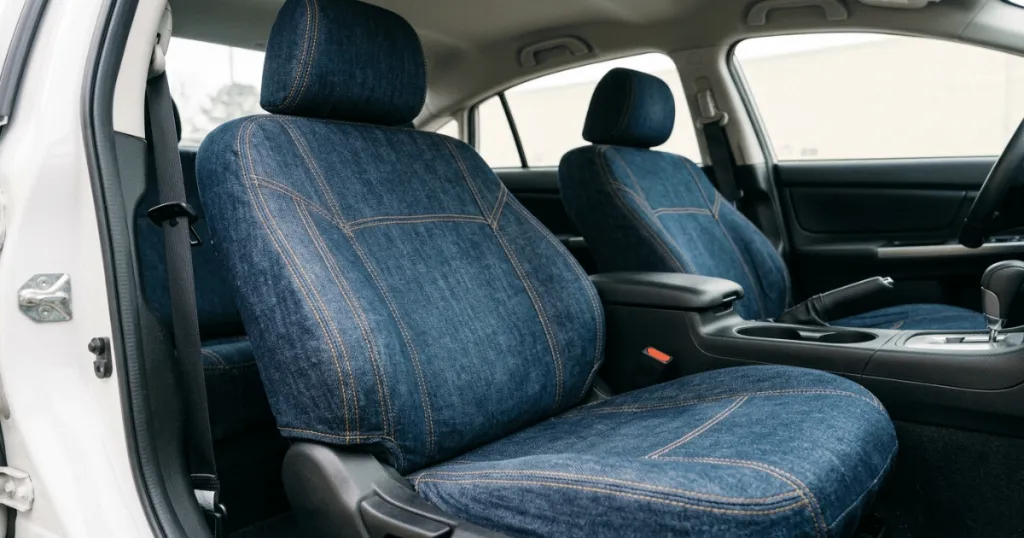
Functional Characteristics of Denim Car Seat Covers
The performance of a denim car seat cover depends largely on the weight of the fabric and the quality of the weave. In an automotive context, you are generally looking for heavy-duty, industrial-grade denim that can withstand the constant friction of entering and exiting the vehicle. This material is inherently resistant to tearing, making it a reliable barrier against daily wear.
Breathability and Temperature Regulation
One of the most significant advantages of cotton-based materials is their natural breathability. A denim car seat cover does not trap air or moisture against the occupant in the same way that non-porous synthetic materials do. This makes the material particularly effective in hot climates where synthetic seat covers might cause excessive sweating or discomfort during long commutes. The fabric allows for a degree of airflow, which helps maintain a more consistent surface temperature throughout the day.
Durability and Friction Resistance
Denim is engineered for high-stress environments, which translates well to automotive seating. The diagonal ribbing pattern of the twill weave creates a surface that is exceptionally resistant to abrasion. While no fabric is immune to eventual thinning, a quality denim cover will typically outlast thinner polyester or standard cotton blends. This makes it a practical choice for high-traffic vehicles where the driver and passengers are frequently shifting their weight or moving in and out of the seats.
Real-World Usage Scenarios for Denim Covers
The decision to install a denim car seat cover often comes down to how the vehicle is used on a daily basis. While some materials are designed for luxury or show-car aesthetics, denim fits best in utility-focused, daily-driver, or recreational scenarios where the priority is a combination of comfort and ruggedness.
Daily Commuting and General Use
For the average daily driver, the primary goal is protecting the factory upholstery from the inevitable friction of clothing, keys, and everyday debris. A denim cover serves as a robust outer shell that absorbs this daily mechanical stress. Because it is a natural fiber, it develops a unique patina over time, which many owners find preferable to the way synthetic materials degrade. It provides a non-slip surface that keeps the occupant securely in place during turns, unlike smoother vinyl or leather covers.
Recreational and Outdoor Activities
If your vehicle frequently transports gear for outdoor hobbies, denim provides a robust surface that handles light dirt and debris well. While it is not waterproof, it is often treated with finishes that add a degree of moisture resistance. It is an excellent choice for those who want a seat cover that feels less like a plastic shield and more like an extension of the vehicle’s interior. The fabric is also generally easier to spot-clean than delicate materials like suede or velour, as it can handle more aggressive brushing if necessary.
The Anatomy of Automotive-Grade Denim
To appreciate why denim is effective for automotive seating, it is helpful to examine the specific engineering of the textile. Unlike fashion denim, which may prioritize drape and softness, automotive-grade denim is selected for its tensile strength and resistance to shear forces. The twill weave, which is the hallmark of denim, creates a dense structure where the warp threads are typically dyed indigo or black, and the weft threads remain white or grey. This structure is inherently stable, meaning it resists stretching and sagging over the contoured shapes of modern bucket or bench seats.
When selecting a cover, consider the weight of the fabric, often measured in ounces. A heavier weight (typically 12 to 14 ounces) provides a more substantial barrier against sharp objects or heavy-duty use. This thickness contributes to the overall longevity of the seat cover, ensuring that the material does not become threadbare in high-friction zones like the seat bolsters or the center of the cushion. Furthermore, the natural fibers provide a tactile quality that feels substantial under the hand, offering a premium, grounded experience that synthetic fabrics often lack.
Installation and Fit Considerations
Because denim is a woven fabric, it does not possess the inherent elasticity of neoprene or spandex-blend covers. Consequently, the fit of a denim car seat cover is highly dependent on the precision of the pattern cutting. When installing these covers, it is essential to ensure that the tensioning straps or hooks are properly secured to prevent the fabric from shifting. A well-fitted denim cover should conform to the seat’s contours without excessive bunching, which can be uncomfortable during long drives.
Many manufacturers utilize a multi-panel construction for denim covers to accommodate the complex curves of modern automotive seating. This design choice allows the fabric to follow the lines of the seat, reducing the likelihood of loose pockets of material. When installing, take the time to smooth the fabric over the seat cushion and backrest, ensuring that the seams align with the factory upholstery’s stress points. This attention to detail during the initial setup will significantly extend the life of the cover by preventing uneven tension that could lead to premature tearing.
Maintaining the Appearance and Integrity of Your Covers
Like any textile, a denim car seat cover requires specific care to ensure it remains functional and visually appealing over the long term. The most important factor in maintenance is preventing the buildup of ground-in dirt, which can act like sandpaper on the fabric fibers over time.
Routine Cleaning and Debris Removal
Regular vacuuming is the most effective way to maintain the integrity of the weave. Use a soft-bristled brush attachment to gently loosen particles trapped between the fibers of the denim. If you notice localized staining, a mild detergent solution applied with a damp cloth is usually sufficient. Avoid soaking the material, as excess moisture can lead to mildew if the seat cushion underneath does not dry completely.
Managing Color and Fading
It is important to remember that denim is a dyed fabric. Over extended periods of exposure to direct sunlight, some fading is inevitable, particularly if the vehicle is parked outdoors without window tinting. This is a natural characteristic of the material rather than a defect. To mitigate this, consider using a sunshade in your windshield to reduce UV exposure when the vehicle is parked for long periods. If the color does shift, many owners embrace the faded look as part of the material’s character, similar to how denim jeans age.
Addressing Common Misconceptions About Denim
A common point of confusion is the idea that all denim is the same. In reality, the weight of the fabric, measured in ounces per square yard, determines how well it will perform as a seat cover. A lightweight denim intended for fashion clothing will not provide the same level of protection as an automotive-grade heavy-duty denim. When evaluating options, look for descriptions that emphasize high-density weaving or industrial-strength construction, as these are the indicators of a product designed for the interior of a vehicle.
Another frequent concern is the belief that denim is inherently difficult to clean. While it is true that natural fibers are more absorbent than PVC or polyurethane, this is precisely what makes them comfortable. The key is to treat spills promptly. Because denim is a durable, tightly woven fabric, it does not absorb liquids as quickly as a loose-knit cotton, giving you time to blot away spills before they penetrate the seat cushion. By selecting a high-quality denim car seat cover and maintaining it with regular cleaning, you ensure a reliable, breathable, and long-lasting upgrade for your vehicle’s interior.
FAQ
Is a denim car seat cover waterproof?
Most denim car seat cover options are not inherently waterproof. While they are durable and can handle light moisture, they are made from cotton, which is an absorbent material. Some products may come with a water-repellent treatment, but they should not be considered a substitute for a dedicated waterproof cover if you frequently deal with heavy spills.
Will a denim car seat cover fade over time?
Yes, like most dyed fabrics, denim is subject to fading when exposed to intense UV light over long periods. Using a windshield sunshade when parked can help slow this process, but some color shifting is a natural characteristic of the material as it ages.
How does denim compare to synthetic seat covers for comfort?
Denim is generally more breathable than synthetic materials like vinyl or faux leather. Because it is a natural cotton fiber, it does not trap heat against the body, making it a comfortable choice for long drives in varied climates.