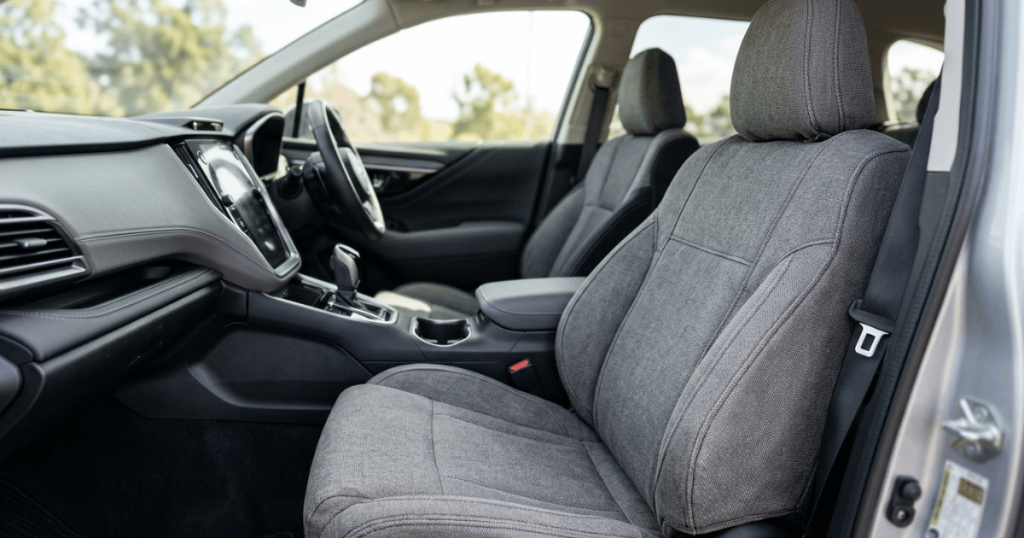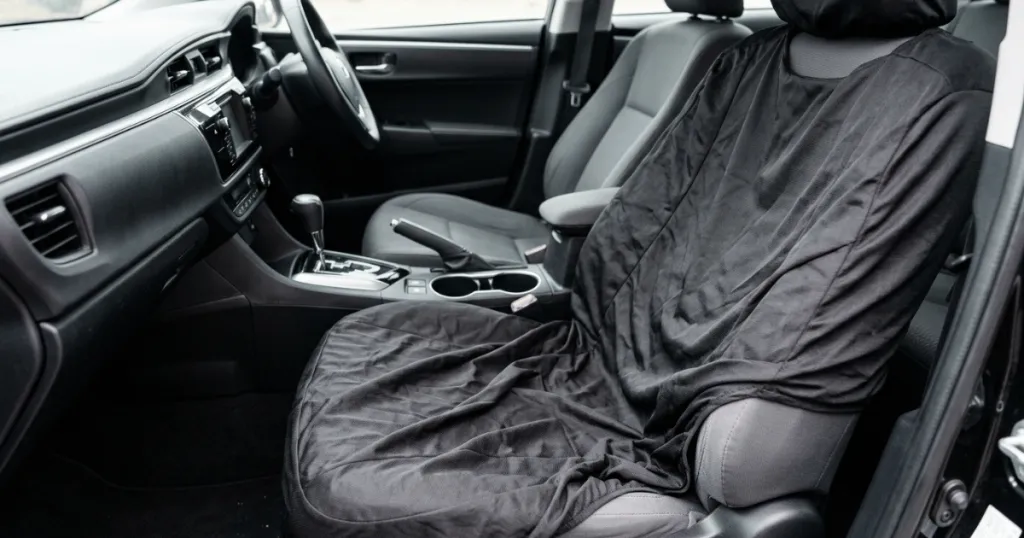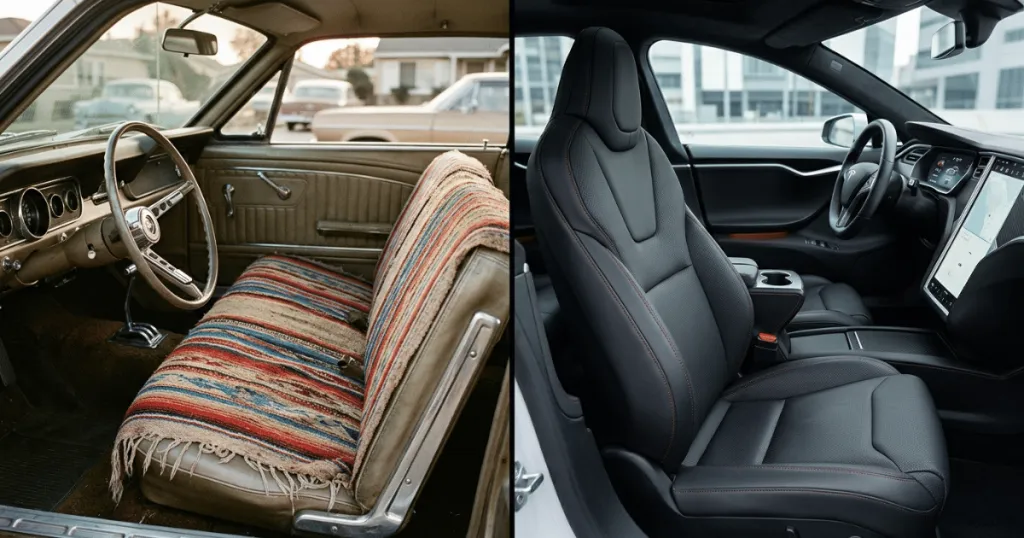
At its most fundamental level, the purpose of seat covers is to provide a replaceable shield that sits between your vehicle’s original upholstery and the daily rigors of driving. Whether you are dealing with a daily commute, frequent family travel, or the occasional off-road adventure, your seats are constantly exposed to friction, UV rays, spills, and debris. By installing a protective layer, you effectively shift the wear and tear from the expensive, permanent factory fabric or leather onto a replaceable, durable textile.
While many owners view these accessories primarily as a way to change the interior aesthetic, their functional role is far more significant for long-term vehicle maintenance. Researching the specific purpose of seat covers allows you to make informed decisions about which materials and designs will best serve your specific driving habits and environmental conditions, ultimately preserving the resale value and comfort of your car’s interior for years to come.
The Primary Functions of Protective Seat Cover Layers
The most immediate benefit of installing seat covers is the preservation of the underlying factory upholstery. Original seat material is often difficult and costly to replace, making it a high-priority asset to protect from permanent damage.
Preventing Surface Abrasion and Wear
Constant entry and exit from a vehicle create significant friction on the outer bolsters of bucket seats. Over time, this repetitive motion wears down the fibers of cloth seats or causes cracking in leather and synthetic alternatives. A high-quality seat cover absorbs this friction, taking the abuse so the original seat material remains pristine underneath. This is particularly relevant for high-traffic vehicles where the bolster area is subjected to thousands of cycles of compression and shearing forces annually.
Managing Liquid Spills and Stains
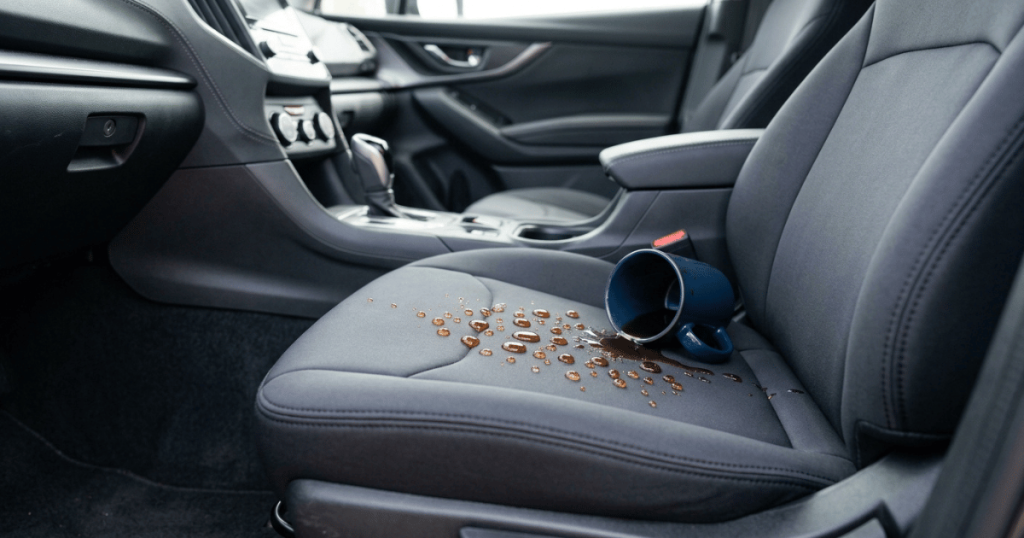
Accidental spills are an inevitable part of vehicle ownership, whether from a morning coffee or a child’s drink. Without a cover, liquids can soak into the seat foam, leading to persistent odors and deep-seated stains that are nearly impossible to remove. Many modern seat covers are designed with water-resistant or waterproof properties, providing a buffer that allows you to wipe away messes before they penetrate the seat structure. By preventing moisture from reaching the porous seat foam, you avoid the long-term risk of mildew or structural degradation of the cushion itself.
Blocking Harmful UV Radiation
Sunlight streaming through vehicle windows can cause significant damage to interior materials over time. UV rays break down the chemical bonds in fabrics, leading to fading, brittleness, and eventual tearing. By covering your seats, you create a shield that prevents direct sunlight from reaching the original upholstery, keeping the color and integrity of the factory material intact during long-term exposure. This is a critical aspect of interior protection for vehicles parked outdoors or in regions with high solar intensity.
Real-World Scenarios Influencing Your Choice
The specific conditions under which you use your vehicle should dictate the type of cover you select. Different environments demand different material characteristics to be truly effective.
Daily Commuting and High-Traffic Usage
For drivers who spend hours in their vehicle every day, comfort and breathability are paramount. In these scenarios, materials like canvas or high-quality fabric blends are often preferred because they allow air circulation, preventing the seat from becoming uncomfortably hot or sticky during long drives. The primary goal here is consistent, long-term durability against daily friction. Breathable materials help regulate temperature, which is a major factor in driver comfort during extended periods of use.
Family and Pet-Related Demands
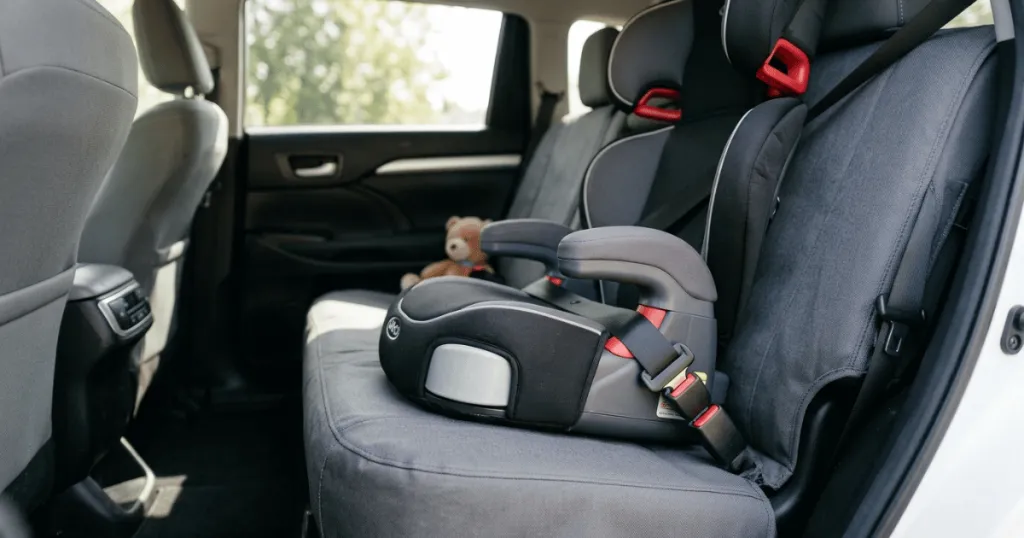
If your vehicle frequently transports pets or young children, your priority shifts toward heavy-duty protection and ease of cleaning. Neoprene or thick, synthetic leather covers are excellent in this context because they are highly resistant to claws, mud, and food debris. These materials can often be wiped down quickly, making it ideal for high-mess environments where quick maintenance is required. The goal is to create a surface that can withstand the physical impact of pet claws or the chemical impact of spilled snacks without compromising the seat underneath.
Outdoor and Off-Road Environments
Vehicles used for camping, hiking, or off-road excursions are exposed to harsher elements like dirt, sand, and moisture. In these cases, the purpose of seat covers extends to keeping the interior clean despite the outdoor environment. Waterproof, rugged materials are essential here, as they prevent mud and water from being ground into the seat foam, which can lead to mold or mildew growth if left unaddressed. These covers act as a containment system, ensuring that external contaminants do not migrate into the vehicle’s cabin upholstery.
Long-Term Value and Interior Preservation
The decision to install seat covers is often about more than just current convenience; it is a strategic move to maintain the vehicle’s long-term condition. When you eventually decide to sell or trade in your vehicle, the state of the interior is one of the most significant factors in determining its appraisal value. A vehicle with clean, undamaged factory seats signals to potential buyers that the car has been well-cared for, which can translate into a better return on your initial investment.
Beyond resale value, there is the matter of personal comfort. Driving in a vehicle with worn-out, stained, or torn seats can be frustrating and detract from the overall experience. By using covers, you ensure that the seating surface remains comfortable and visually appealing throughout the entire duration of your ownership. This proactive approach prevents the need for expensive professional detailing or full upholstery replacement, which are often much more costly than the initial investment in a set of quality covers. Furthermore, keeping the seat foam dry and free of debris is just as vital as protecting the surface fabric; once foam loses its density due to moisture or grit infiltration, the seat becomes permanently less comfortable.
Clarifying Common Myths About Seat Cover Utility
One frequent misunderstanding is the belief that thicker materials automatically provide better protection. In reality, the effectiveness of a cover depends more on its fit and material composition than its thickness. A very thick but poorly fitted cover can shift during use, potentially causing more abrasion to the underlying seat than if no cover were used at all. Prioritize a snug, secure fit over sheer material bulk. A custom-tailored seat cover that follows the exact contours of the seat will stay in place, whereas a loose-fitting universal cover may create friction points that accelerate wear.
Another common myth is that all seat covers are inherently waterproof. Many fabrics are merely water-resistant, meaning they can withstand a light spill but will eventually soak through if a large amount of liquid is left to sit. Always check the specific material specifications if your primary goal is liquid protection. Understanding these nuances ensures you select a cover that actually performs the job you expect it to do, rather than relying on marketing labels that may not apply to your specific usage needs.
The Role of Material Science in Seat Protection
The evolution of seat cover materials has moved beyond simple aesthetic changes to include advanced functional properties. Modern synthetic leather, for instance, is engineered to mimic the tactile feel of natural hides while offering superior resistance to UV-induced cracking. Similarly, technical fabrics often incorporate moisture-wicking properties that prevent the buildup of perspiration, which is a common cause of premature upholstery degradation in hot climates. By selecting materials engineered for specific environmental stressors, owners can significantly extend the lifespan of their vehicle’s interior.
Ultimately, the purpose of seat covers is to provide a customizable layer of defense that adapts to your lifestyle. Whether you are protecting against daily wear, pet damage, or environmental factors, the right choice keeps your vehicle’s interior in top condition. By focusing on fit, material, and your specific driving habits, you can effectively extend the life of your factory seats and maintain your vehicle’s interior quality for years to come.
FAQ
Do seat covers actually protect the original upholstery?
Yes, when properly fitted, seat covers act as a physical barrier that absorbs friction, spills, and UV exposure, preventing these elements from damaging the original upholstery underneath.
Can I use the same seat covers for all types of vehicles?
While universal covers exist, they rarely provide the same level of protection or fit as custom-tailored options. The purpose of seat covers is best served when the cover is designed to match the specific contours of your seat type, such as bucket, bench, or captain chairs.
How often should I remove my seat covers to check the seats underneath?
It is a good practice to remove and inspect your seat covers every few months, especially if you live in a humid climate or frequently transport wet items. This allows you to clean any trapped debris and ensure the original upholstery remains in good condition.