Bottom Line: Choose seat covers if you need a removable, cost-effective way to protect your seats or update their look. Choose professional upholstery if your seat’s internal foam and structure are degraded and require a permanent, factory-grade restoration.
When you notice your vehicle’s interior showing signs of wear, the immediate question is whether to invest in seat covers vs upholstery. The practical difference you will notice first is the installation method and the permanence of the solution. Seat covers are removable, aftermarket accessories that slide or strap over your existing seats, while professional reupholstery involves stripping the original fabric down to the foam and replacing it with new material.
For most vehicle owners, the choice comes down to whether you need a temporary, protective barrier or a permanent restoration of the vehicle’s cabin. If your seats have minor cosmetic damage or you simply want to change the aesthetic without a major commitment, covers provide an immediate, cost-effective result. If the internal structure of the seat is failing or the original material is severely degraded, reupholstery acts as a structural repair rather than just a cosmetic fix.
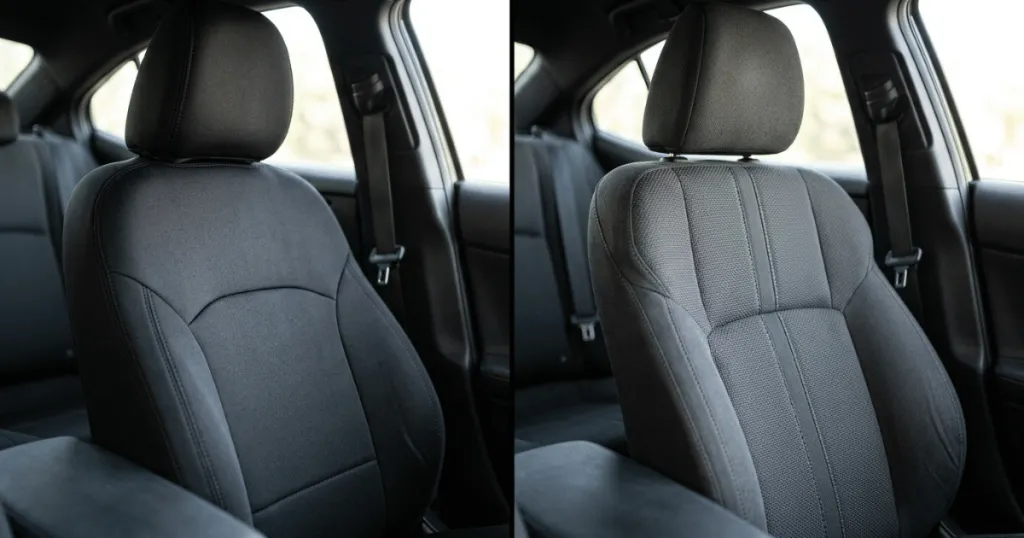
Comparison of Interior Solutions
| Feature | Seat Covers | Professional Upholstery |
|---|---|---|
| Installation | DIY-friendly, removable | Professional, permanent |
| Cost | Low to moderate | High |
| Time Required | Minutes to hours | Days to weeks |
| Structural Impact | None | Replaces foam/padding |
| Customization | Limited by pre-made designs | Unlimited material/pattern choices |
Understanding Aftermarket Seat Covers
Function and Versatility
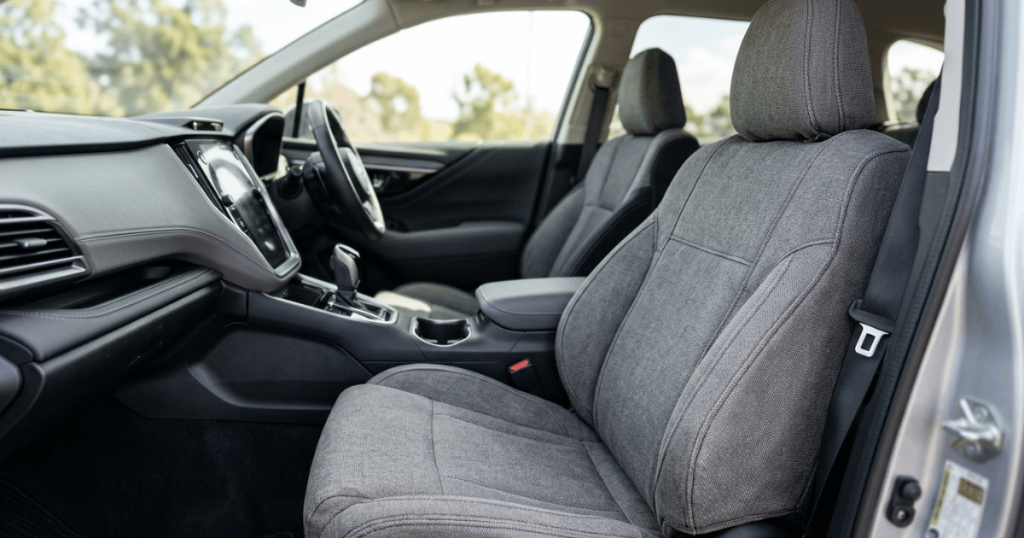
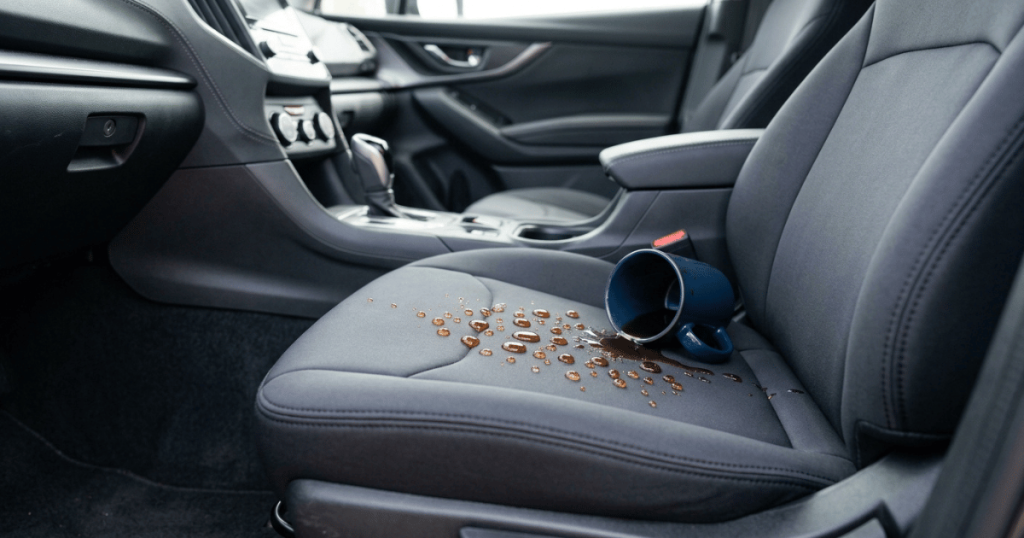
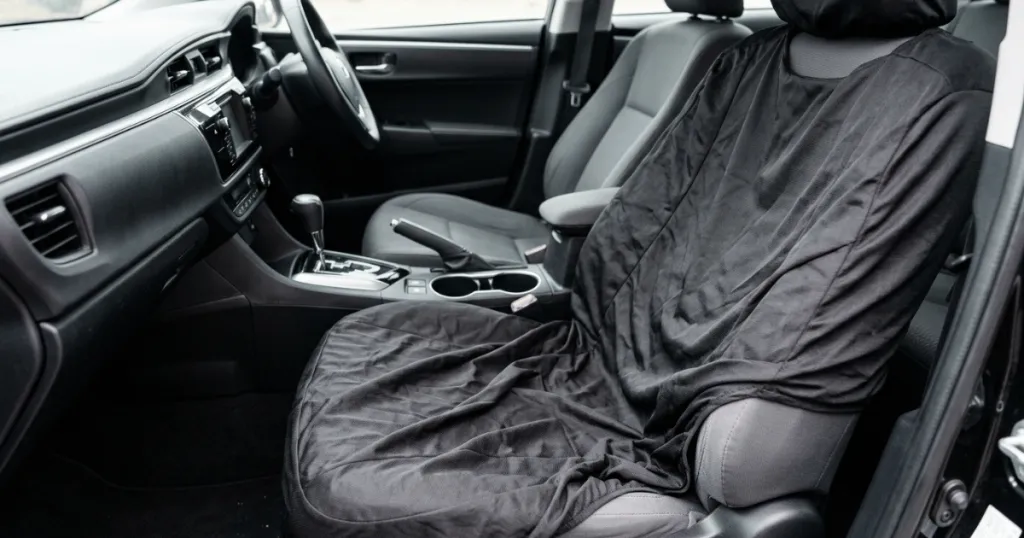
Seat covers function as a protective shell for your vehicle’s factory-installed seating. They are designed to absorb the daily impact of spills, pet hair, dirt, and UV exposure, effectively acting as a sacrificial layer. Because they are removable, you can take them off for deep cleaning or replace them entirely if your needs change, such as switching from a heavy-duty canvas for off-road trips to a breathable fabric for daily commuting. This adaptability makes them a cornerstone of vehicle interior maintenance for families and outdoor enthusiasts alike.
The Limits of Fit and Finish
While modern designs offer a much tighter fit than older, loose-fitting universal options, seat covers still rely on the underlying seat shape. They cannot correct sagging foam or broken springs. If your seat cushion has lost its support, a cover will only mask the visual appearance of the fabric, leaving the underlying discomfort intact. They are best suited for owners who want to preserve the factory condition of their seats or protect them from specific, high-wear scenarios. Understanding that a cover is a surface-level solution is critical to managing expectations before purchase.
The Role of Professional Upholstery
Structural Restoration
Reupholstery is a comprehensive renovation of the seat. A professional technician removes the factory material, inspects the internal foam for degradation, and replaces the upholstery with new, often higher-grade material. This process allows for the correction of structural issues, such as collapsing bolsters or lumpy padding, which are common in older vehicles or high-mileage daily drivers. Unlike covers, this process addresses the seat frame and internal components, ensuring that the seating position is restored to its original ergonomic intent.
Long-Term Investment
Choosing to reupholster is a significant commitment that often exceeds the cost of a new set of high-end covers. However, it provides a seamless, factory-like finish that cannot be replicated by any slip-on product. This option is typically reserved for classic car restoration, high-value vehicles where maintaining originality or premium luxury is a priority, or cases where the original seat material has completely disintegrated beyond the point of being covered. It is a permanent upgrade that becomes part of the vehicle’s chassis, rather than an add-on.
Feature-by-Feature Differences
Installation and Maintenance
The most significant practical difference lies in the labor involved. Seat covers are designed for the DIY enthusiast. Most kits include tension straps, clips, or hooks that allow for a secure fit without specialized tools. Maintenance is equally straightforward; you simply remove the covers and machine wash or wipe them down according to the material specifications. Upholstery, by contrast, requires professional tools like hog ring pliers and industrial sewing machines, making it a non-starter for most home mechanics. The complexity of removing hog rings and re-stretching fabric over seat frames requires a level of skill that most casual owners do not possess.
Material and Aesthetics
With upholstery, you have total control over the material, from automotive-grade leather to custom-stitched vinyl or specialized textiles. You can choose specific thread colors, diamond-stitch patterns, or perforated inserts to match your exact vision. Seat covers offer a wide variety of materials, such as neoprene, faux leather, or canvas, but you are limited to the pre-manufactured designs available on the market. While you can find high-quality covers that mimic luxury interiors, they will always have seams and attachment points that are visible upon close inspection. These attachment points are necessary for the covers to remain removable and adjustable.
Durability and Longevity
Upholstery is designed to last for the remaining life of the vehicle, provided it is cared for properly. It is stretched taut over the seat frame, which prevents the material from shifting or bunching during use. Seat covers, even high-quality ones, are subject to movement. Over time, the constant friction of entering and exiting the vehicle can cause covers to shift, potentially leading to premature wear on the cover itself or, in rare cases, light abrasion on the underlying factory fabric. This is why proper tensioning during the initial installation of seat covers is vital to minimize friction against the original seat surface.
Scenarios for Choosing Covers or Reupholstery
When Seat Covers Make Sense
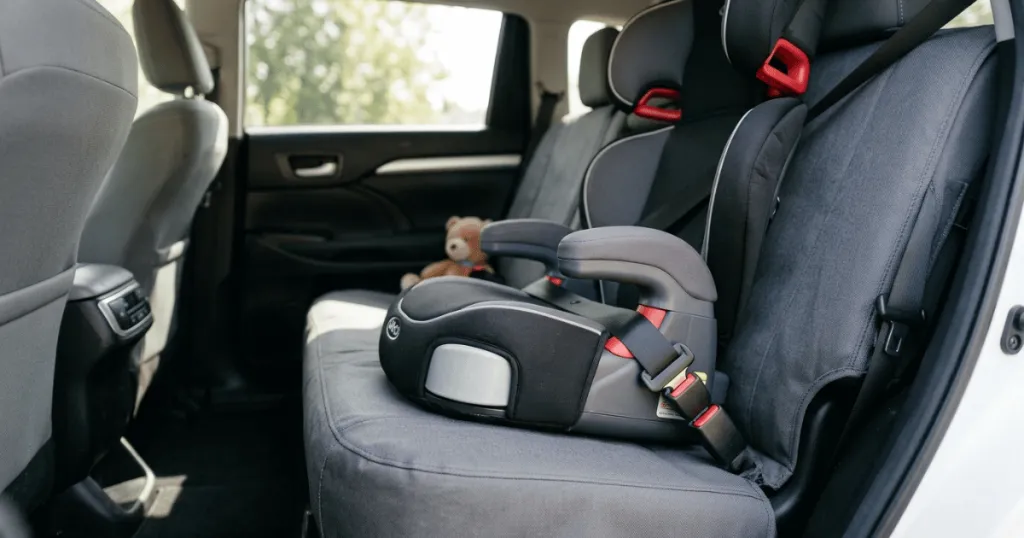
Seat covers are the ideal choice for active lifestyles. If you frequently transport pets, carry sports equipment, or use your vehicle for work, the ability to remove and clean your covers is a massive advantage. They are also the preferred solution for those who want to protect their investment for future resale value. By keeping the factory upholstery pristine under a cover, you ensure the interior remains in top condition for the next owner. In scenarios involving commercial use or rideshare driving, seat covers provide a hygienic, replaceable barrier that can be swapped out when they become too worn to maintain a professional appearance.
When Professional Upholstery Is Necessary
Reupholstery is the better path when the seat’s structural integrity is compromised. If you find yourself constantly adjusting your posture to compensate for a seat that no longer provides support, a cover will not solve the problem. Additionally, if you are restoring a vehicle or simply prefer the tactile feel of a perfectly fitted, permanent interior, the investment in professional upholstery provides a level of quality and comfort that covers simply cannot match. When the seat foam has crumbled or the bolsters have lost their shape, no amount of surface-level covering will restore the original driving comfort you expect from your vehicle.
Evaluating the Cost-Benefit Ratio
When comparing seat covers vs upholstery, the financial aspect is often the deciding factor. Seat covers represent a low-to-moderate investment that provides immediate, tangible benefits. They are accessible to almost any budget and can be installed in an afternoon. Reupholstery, however, is a significant financial undertaking. Because it involves skilled labor and high-quality materials, the price tag is substantially higher. You are paying for the expertise of a professional who understands how to work with automotive interior materials, ensuring that the fit is precise and the longevity is maximized.
Consider the vehicle’s remaining lifespan. If you plan to keep your car for another decade, professional upholstery might be a worthwhile investment to improve your daily driving experience. If you are looking for a quick fix for a lease return or a temporary solution while you save for a new vehicle, seat covers offer the best return on investment. The decision should be based on your long-term plans for the vehicle and your personal comfort requirements.
Seat Covers vs Upholstery: The Deciding Factor
Deciding between seat covers vs upholstery ultimately depends on your goals for the vehicle. If your primary objective is protection, ease of maintenance, or a quick aesthetic update, seat covers are the superior choice. They offer a flexible, cost-effective solution that adapts to your changing needs. The risk of choosing covers is minimal, as they can be removed if you are dissatisfied with the fit or style.
If your goal is to restore the comfort and factory-fresh feel of a seat that has reached the end of its functional life, professional upholstery is the only viable path. It is a permanent, high-cost solution that requires professional expertise. Many owners make the mistake of trying to use seat covers to fix a broken seat, only to find that the underlying discomfort persists. Assess the physical condition of your seat foam and frame before committing to either option. If the structure is sound, start with high-quality seat covers; if the structure is failing, look into professional upholstery services.
FAQ
Can seat covers hide damaged seat foam?
Seat covers can hide visual damage like tears or stains, but they cannot restore the structural support of collapsed foam. If your seat is uncomfortable, covers will not fix the underlying issue.
Is it possible to install custom upholstery yourself?
While technically possible, professional upholstery requires specialized tools and significant experience to achieve a factory-like finish. Most vehicle owners find the process too complex for a DIY project.
Do seat covers affect the resale value of a car?
Using seat covers can preserve the original factory upholstery, which often helps maintain a higher resale value by keeping the seats in pristine condition under the protective layer.