At a Glance: Universal seat covers are best for temporary, low-cost protection and quick installation, while custom seat covers are superior for long-term use, providing a precise, factory-like fit that protects your original upholstery more effectively.
When upgrading your vehicle’s interior, deciding between universal vs custom seat covers is the first major choice you will face. If you prioritize a quick, budget-friendly solution for temporary protection, universal covers are often the practical choice. However, if you want a seamless, factory-like appearance that stays secure during daily use, custom-made covers are the superior investment.
The fundamental difference lies in how these products interact with your vehicle’s specific seat geometry. Universal options are designed to fit a wide range of seat shapes, which inherently limits their precision. Custom options, by contrast, are engineered to match the exact dimensions of your seat’s contours, bolsters, and headrests, ensuring a stable and refined look.
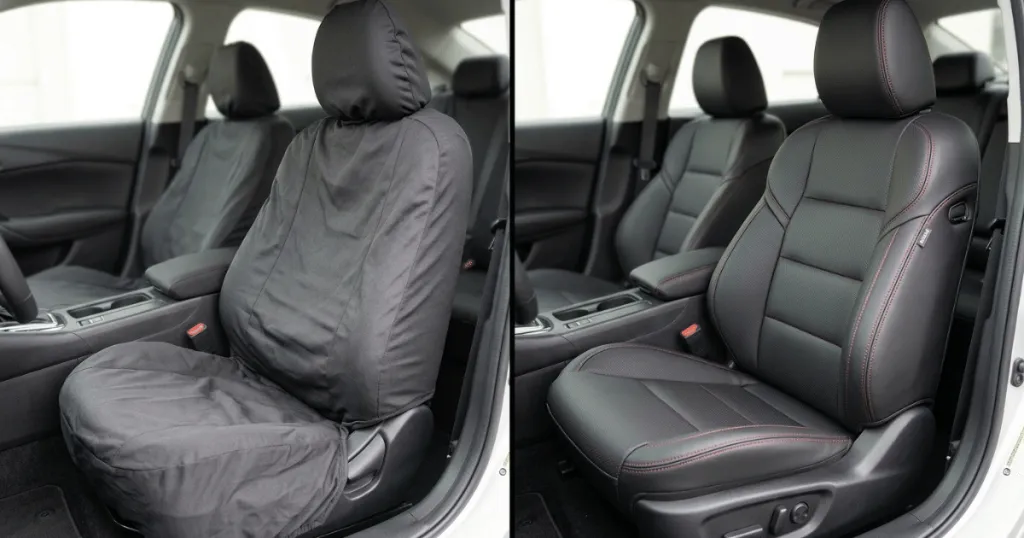
Comparing Universal vs Custom Seat Covers
To determine which option best suits your needs, it helps to look at how they perform across key categories like installation, longevity, and aesthetic integration.
| Feature | Universal Seat Covers | Custom Seat Covers |
|---|---|---|
| Fit Precision | Loose, generic | Tight, form-fitting |
| Installation | Simple, DIY-friendly | Involved, precise |
| Durability | Moderate | High |
| Cost | Budget-friendly | Premium |
| Aesthetics | Functional | Professional |
Universal Seat Covers: The Flexible Solution
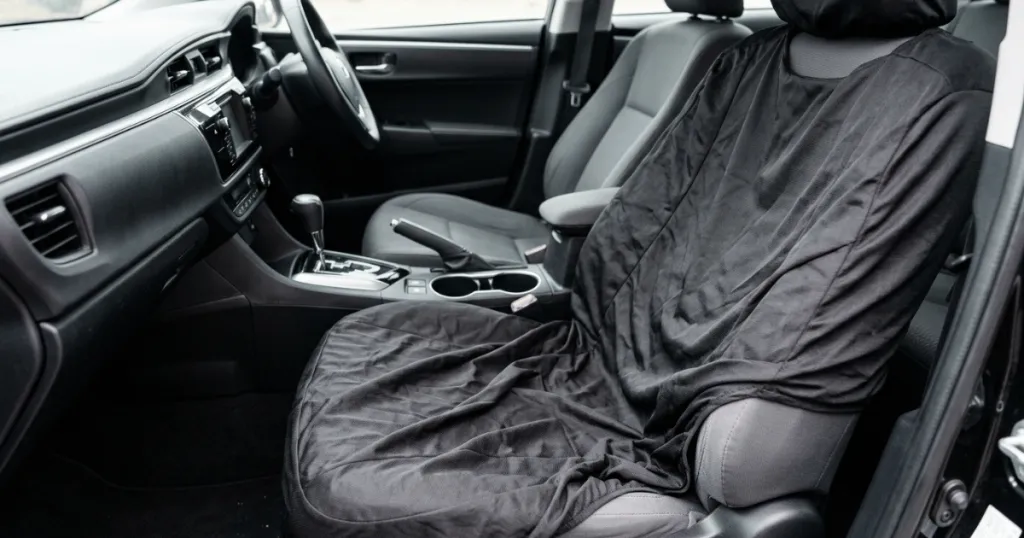
Universal seat covers are manufactured as one-size-fits-most products. They rely on adjustable straps, hooks, and elasticized fabric to accommodate the varying dimensions of different vehicle makes and models. Because they are not built for a specific seat, they often feature a looser drape that can shift or bunch up over time.
Why Choose Universal Options
These covers are ideal for owners who need immediate, low-cost protection. If you are using your vehicle for a temporary scenario, such as transporting pets for a weekend or protecting seats during a messy construction project, the lower price point makes them a practical choice. They are also easy to remove, clean, and store when not in use.
Limitations of the Universal Approach
The primary trade-off with universal covers is the lack of structural integrity. Because they are designed to fit everything, they rarely fit anything perfectly. You will likely encounter excess fabric in the corners, gaps around the bolsters, or difficulty lining up the cover with the seat’s natural curves. This can lead to faster wear on the cover itself, as loose fabric is more prone to friction and snagging.
Custom Seat Covers: The Precision Alternative
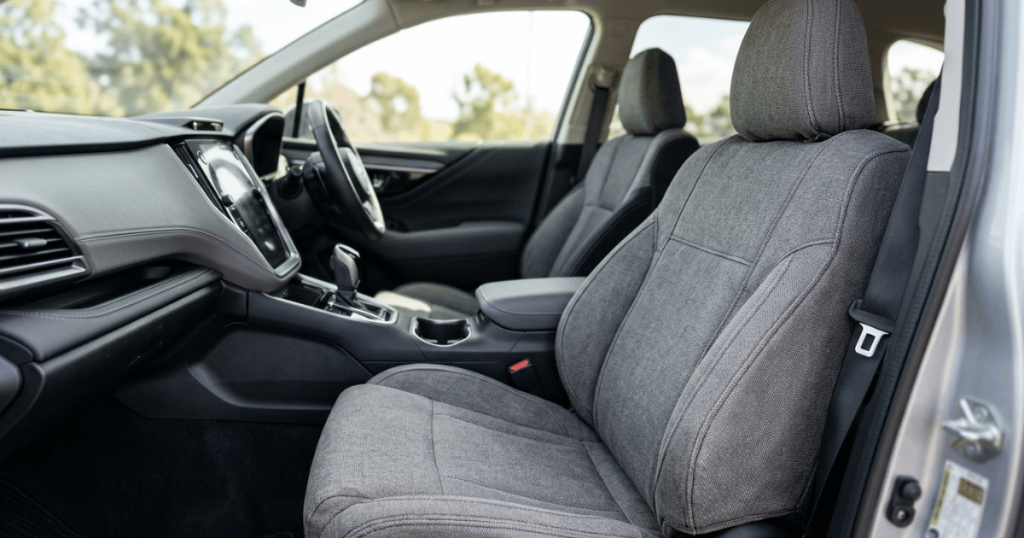
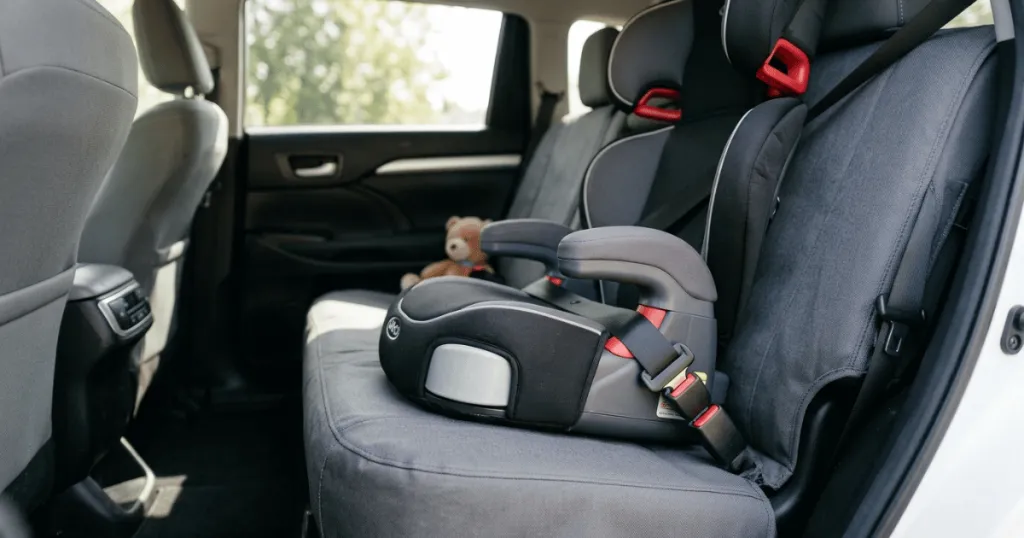
Custom-made seat covers are manufactured based on the specific seat patterns of a vehicle’s make, model, and trim level. These covers are cut to follow the exact lines of your factory upholstery, including the specific depth of your seat cushions and the curvature of the backrests.
Benefits of a Tailored Fit
The main advantage here is the finished look. Because these covers are designed to hug the seat tightly, they often look like original upholstery rather than an accessory. This tight fit also prevents the cover from sliding or bunching when you enter and exit the vehicle, which significantly improves long-term comfort and reduces the risk of the cover shifting out of place.
Installation Requirements
Achieving this level of fit requires a more involved installation process. Custom covers often include specific attachment points that align with the gaps between your seat cushion and backrest. You may need to tuck fabric into tight crevices or secure straps under the seat frame to ensure the cover stays taut. While this takes more time, the result is a stable, professional-grade interior upgrade.
Key Differences in Daily Performance
The choice between these two styles affects more than just the initial look; it changes how you interact with your vehicle every day. Recognizing these performance gaps allows you to anticipate how a cover might shift or bunch, saving you from the annoyance of frequent manual adjustments.
Stability and Movement
Universal covers tend to move when you move. Because they are held in place by universal tension points, they can migrate toward the center of the seat as you shift your weight. Custom covers remain stationary because they are anchored to the specific contours of the seat, providing a consistent surface that does not require constant re-tightening.
Material Tension and Wear
Fabric tension is a critical factor in durability. A universal cover often has loose spots where the material is not pulled tight, which creates stress points that can tear over time. Custom covers maintain even tension across the entire surface of the seat, which helps the material resist sagging and prevents premature thinning in high-traffic areas like the side bolsters.
Scenarios for Each Seat Cover Type
Your specific lifestyle and vehicle usage should dictate which path you take. Identifying your primary goal, whether it is utility, aesthetics, or ease of use, will clarify the decision.
When Universal Covers Make Sense
If you are a casual user who needs protection for a short period, universal covers are perfectly adequate. They work well for secondary vehicles, work trucks where heavy-duty protection is the only priority, or situations where you plan to swap covers frequently. If you are not comfortable with a complex installation process, the simplicity of universal covers is a major benefit.
When Custom Covers Are the Better Choice
For daily drivers, family vehicles, or long-term ownership, custom covers are almost always the better investment. The improved fit protects the underlying factory upholstery more effectively by preventing dirt and debris from slipping through gaps. If you value the aesthetic appeal of your vehicle’s interior, the clean, tailored look of custom covers provides a level of satisfaction that universal options cannot match.
Evaluating Long-Term Upholstery Maintenance
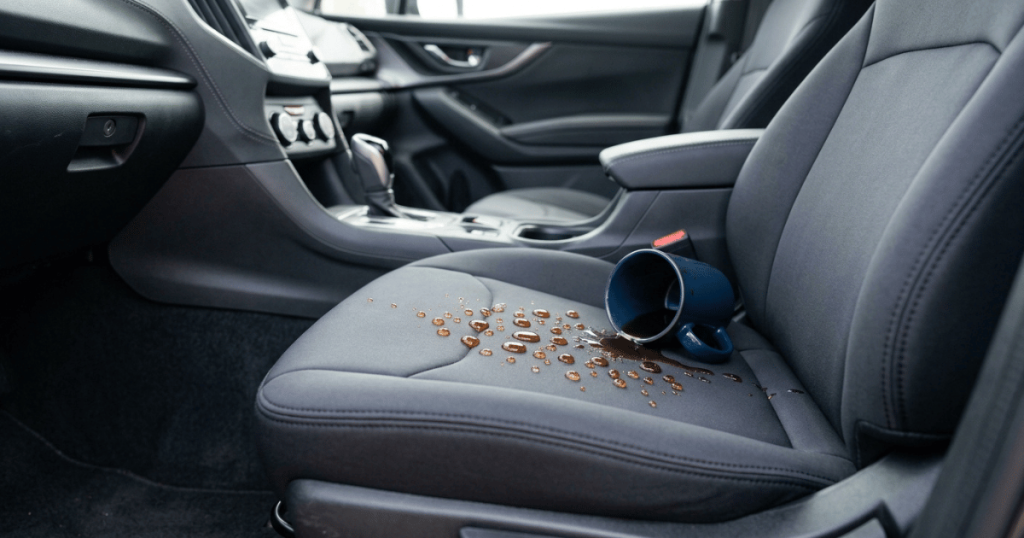
When considering vehicle upholstery protection, the long-term impact on your car’s resale value is a significant factor. Custom-fit seat covers act as a second skin, shielding the original material from UV damage, spills, and friction. Because they are designed for specific seat contours, they prevent the common issue of ‘seat sagging’ that occurs when loose, universal covers trap debris between the cover and the original seat, acting like sandpaper over time. By maintaining consistent tension, custom covers ensure that the underlying fabric or leather remains in pristine condition, which is a vital component of interior maintenance for long-term owners.
The Role of Material in Fitment
The material choice often dictates how well a universal cover can perform. Stretchy, neoprene-like materials in a universal format may appear to fit better initially because they can conform to various shapes, but they often lose their elasticity over time. Conversely, rigid materials like heavy-duty canvas or thick faux leather require precise, custom-fit patterns to function correctly. Without that custom tailoring, rigid universal covers will bunch up, creating uncomfortable ridges that can be felt through the seat. Selecting the right material requires you to consider how its inherent stiffness interacts with your seat’s shape; choosing a rigid material in a universal format often compromises both comfort and long-term fit.
Final Decision Guidance for Universal vs Custom Seat Covers
Choosing between universal vs custom seat covers comes down to balancing your budget against your desire for a permanent-looking upgrade. If you are looking for a quick, inexpensive fix for a short-term need, universal covers provide the utility you need without the high cost. However, for most vehicle owners, the long-term benefits of custom covers, stability, superior protection, and a professional appearance, far outweigh the higher initial investment.
If you are unsure which to pick, consider how long you intend to keep the vehicle and how much you value the interior’s appearance. If the car is a long-term keeper, the precision of custom covers is worth the extra time and money. If you are simply looking to protect your seats from a temporary mess, stick with universal covers to save on costs and installation effort.
FAQ
Do universal vs custom seat covers affect seat comfort differently?
Yes. Custom covers maintain a consistent, taut surface that mirrors the factory seat’s feel. Universal covers can bunch or slide, which may create uneven pressure points or a less stable feel during driving.
Is the installation of custom covers significantly harder than universal covers?
Custom covers require more time and attention to detail to ensure they are properly anchored to the seat’s specific contours. While universal covers are designed for quick, simple installation, custom covers involve securing multiple attachment points to achieve a perfect fit.
Can I switch from universal to custom seat covers later?
Yes, you can upgrade to custom covers at any time. If you start with universal covers and find they do not meet your needs for fit or durability, replacing them with custom-made options is a common path for many vehicle owners.