The Short Answer: Choose OEM covers if you want to maintain the exact factory aesthetic and resale value. Choose aftermarket covers if you need specific functional upgrades like water resistance, heavy-duty durability, or a custom style that the factory did not offer.
When you decide to protect or refresh your vehicle’s interior, the choice between OEM vs aftermarket seat covers often becomes the first major hurdle. OEM (Original Equipment Manufacturer) covers are typically designed by the vehicle manufacturer to match the exact specifications and aesthetic of your factory interior. In contrast, aftermarket covers are produced by third-party companies, offering a broader range of materials, designs, and price points. Your decision should hinge on whether you prioritize factory-perfect integration or the flexibility to customize your cabin’s look and utility.
If you are looking for a seamless, factory-original appearance, OEM components are usually the standard. However, if your goal is to add specific features like enhanced water resistance, unique textures, or specialized protection for heavy-duty use, aftermarket options provide significantly more variety. This guide helps you navigate these differences so you can select the option that best fits your daily driving habits.
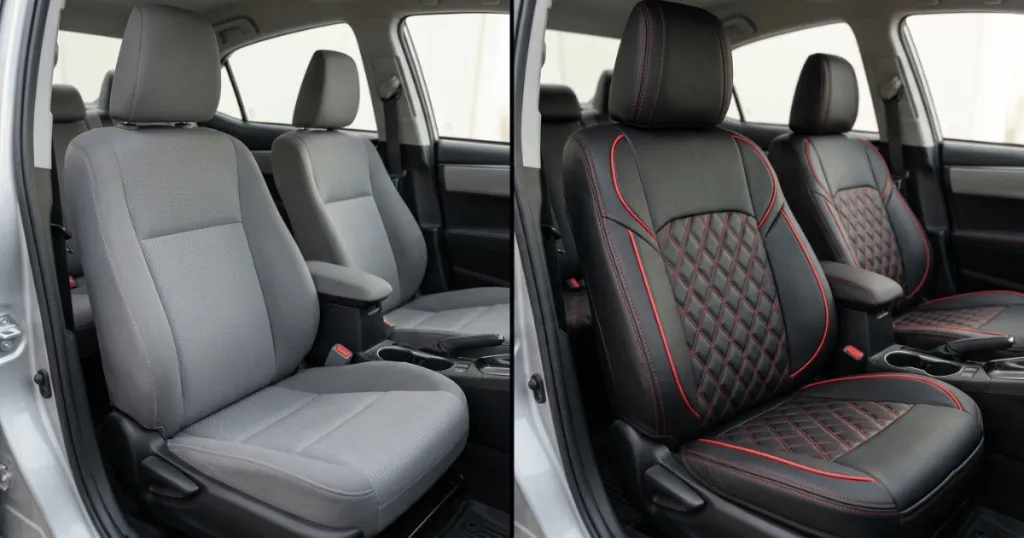
Quick Comparison | OEM vs Aftermarket Seat Covers
| Feature | OEM Seat Covers | Aftermarket Seat Covers |
|---|---|---|
| Fitment | Precision-engineered for specific seats | Varies from universal to custom-fit |
| Aesthetic | Matches factory upholstery | Wide variety of styles and patterns |
| Material Options | Limited to factory choices | Extensive (neoprene, canvas, faux leather) |
| Cost | Generally higher | Broad range from budget to premium |
| Availability | Dealer-specific | Widely available |
Analyzing OEM Seat Covers
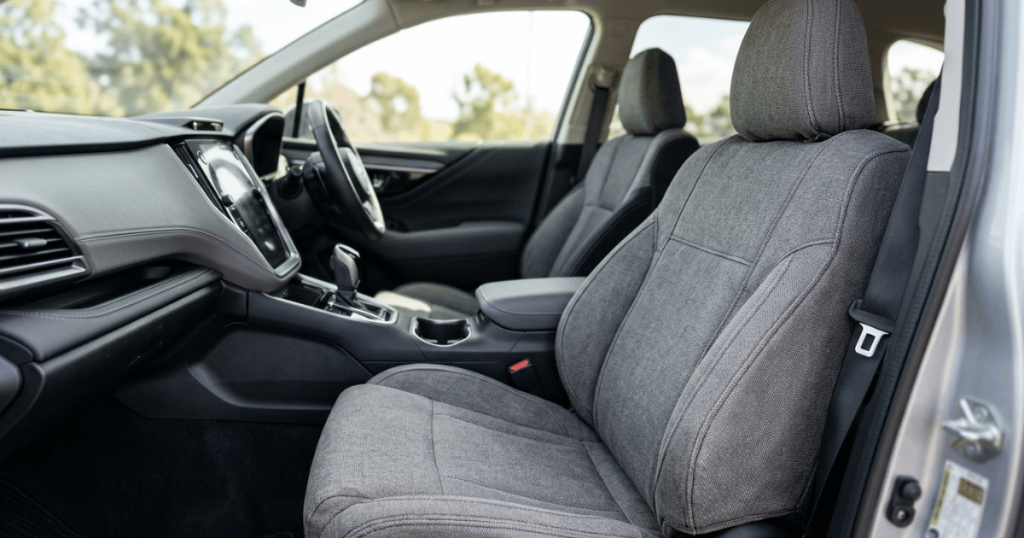
OEM seat covers are defined by their strict adherence to the manufacturer’s original design language. These products are engineered to integrate perfectly with the existing seat architecture, ensuring that seams, contours, and attachment points align exactly as the designers intended. For owners who view their vehicle as a long-term investment and want to maintain its original resale character, this level of consistency is often the primary draw.
The Precision of Factory Design
Because OEM covers are created by the same entity that built the seat, the fit is inherently superior in terms of structural alignment. You do not have to worry about loose fabric or misaligned openings, as the product is essentially a replacement or a factory-sanctioned overlay. This precision ensures that the cover remains stable over time, reducing the likelihood of shifting or bunching during regular entry and exit.
Limitations in Variety
The trade-off for this precision is a significant reduction in choice. You are generally restricted to the materials and colors that were available when the vehicle was manufactured. If you are looking to change the interior vibe, add high-performance materials like heavy-duty canvas, or introduce a different color scheme, OEM options will likely leave you wanting more. They are designed to preserve, not to transform.
Analyzing Aftermarket Seat Covers
Aftermarket seat covers represent a vast ecosystem of third-party manufacturing, ranging from basic universal protectors to high-end, custom-tailored upholstery upgrades. The core advantage here is choice; you are not limited by the original factory catalog. This allows you to select materials that address specific environmental challenges or personal aesthetic preferences that the manufacturer may not have considered.
Customization and Material Diversity
Aftermarket manufacturers often innovate with materials that prioritize specific use cases. For example, you can find covers made from neoprene for water resistance, heavy-duty ballistic nylon for durability, or breathable mesh for hot climates. This flexibility allows you to tailor your seat protection to your lifestyle, whether you are a pet owner, a frequent outdoor adventurer, or someone who simply wants a more luxurious quilted finish.
Navigating Fitment Variations
The primary risk with aftermarket products is fitment. While high-end custom-fit aftermarket covers can rival OEM quality, lower-tier universal covers often struggle to hug the seat contours perfectly. A poor fit can lead to premature wear on the cover itself and, in some cases, may cause the cover to shift under the passenger. Always prioritize custom-fit aftermarket options if you want a result that feels integrated rather than added on.
Feature-by-Feature Differences
Comparing these two categories requires looking at how they perform in the real world. The differences in material science, installation complexity, and long-term durability are significant enough to influence your daily driving experience.
Material Performance and Longevity
OEM covers are typically made from the same vinyl or fabric used in the base vehicle, which means they will age at the same rate as the rest of the interior. Aftermarket covers, however, allow you to upgrade to more resilient materials. If your factory seats are prone to staining, an aftermarket cover made from a stain-resistant, synthetic material can actually outperform the original upholstery.
Installation and Ease of Use
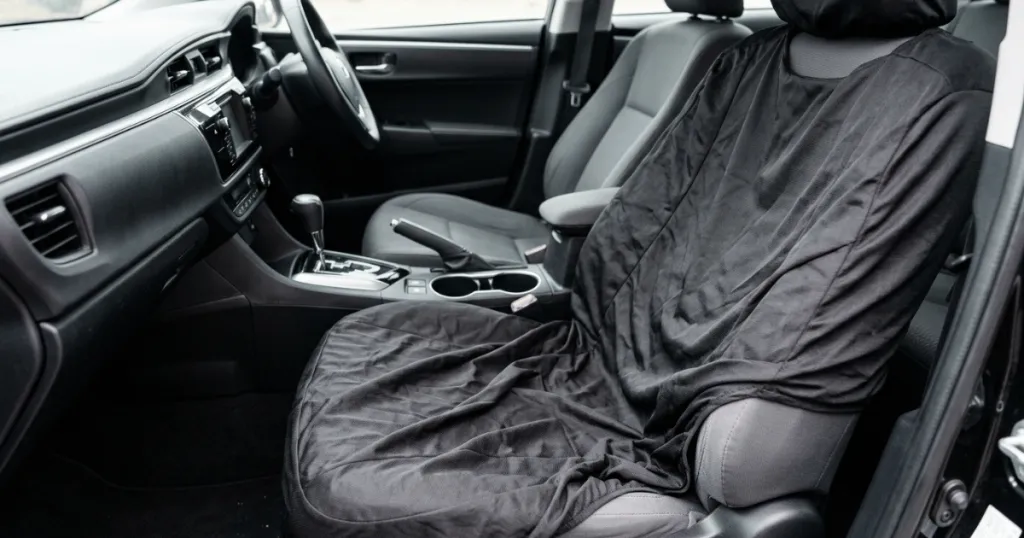
OEM covers are often designed for professional installation or require specific factory mounting points, which can make the process more involved. Aftermarket covers vary widely; some universal designs use simple straps and hooks, while high-quality custom aftermarket covers often use more sophisticated attachment systems. Beginners should be aware that a more complex, better-fitting cover will take longer to install correctly than a simple universal slip-on.
Aesthetic Flexibility
If you want to change the look of your car, aftermarket covers are the only viable path. From diamond-stitched faux leather to vibrant patterns, the aftermarket sector caters to personal expression. OEM covers are strictly utilitarian in their aesthetic, focusing on blending in rather than standing out.
Choosing Between OEM vs Aftermarket Seat Covers for Your Lifestyle
Your specific usage scenario is the most important factor in this decision. Different drivers face different interior challenges, and the right choice depends on how you use your vehicle day-to-day.
Daily Commuters and Family Use
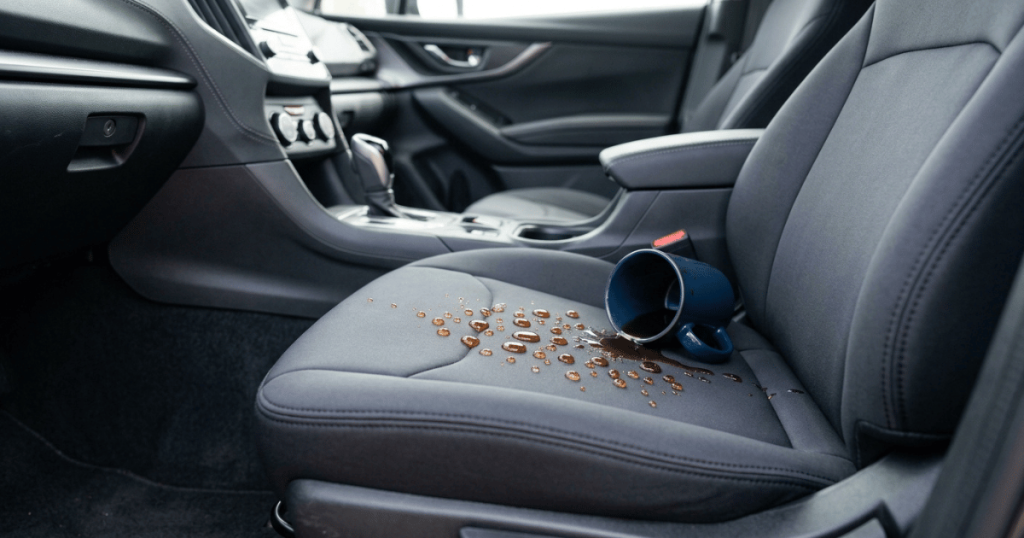
For families or commuters, durability and ease of cleaning are paramount. Aftermarket covers that offer spill-resistant, easy-wipe surfaces are often a better choice than OEM covers, which may be more difficult to clean if they are made of porous factory fabric. If your goal is to keep the original seats pristine for future resale, a high-quality, custom-fit aftermarket cover provides a protective barrier that is easily replaced if it gets damaged.
Outdoor and Commercial Scenarios
If your vehicle sees heavy use, such as off-roading, construction work, or rideshare service, the specialized materials offered by aftermarket manufacturers are essential. OEM covers are rarely designed for high-abrasion environments. An aftermarket cover made from heavy-duty canvas or specialized synthetic blends will protect your seats from dirt, mud, and heavy wear far better than a standard factory-style cover.
Understanding the Impact on Vehicle Value
A common question among vehicle owners is how these choices affect the long-term value of the car. OEM components are generally viewed as maintaining the ‘original’ status of the vehicle. If you are preparing a vehicle for sale, having the original upholstery in pristine condition is the gold standard. Aftermarket covers act as a protective shield; by taking on the brunt of daily friction and spills, they ensure the underlying factory upholstery remains in showroom condition. This makes the use of aftermarket covers a strategic decision to preserve the asset, rather than a permanent alteration.
Installation Dynamics: What to Expect
The installation process is a critical differentiator. OEM covers often require the removal of seat components, such as headrests or even the seat cushion itself, to achieve a factory-tight finish. This can be intimidating for the average DIYer. Conversely, many aftermarket covers are designed for ‘slip-on’ application, utilizing elastic bands, hooks, and buckles. While this makes them accessible, it also means that the tensioning system is external. Before starting, assess your comfort level with handling interior trim and upholstery fasteners. If you are hesitant about disassembling seat components or managing complex tensioning clips, you may find that even the highest-quality aftermarket covers require professional assistance to look their best.
Material Science: Beyond the Surface
When comparing OEM vs aftermarket, it is helpful to look at the material science involved. OEM manufacturers prioritize materials that meet strict automotive standards for flame retardancy and UV stability, which are often mandated by federal regulations. Reputable aftermarket manufacturers also adhere to these standards, but the market is flooded with lower-cost options that may not. When choosing aftermarket, look for brands that explicitly state their compliance with automotive safety and material standards. This ensures that your choice for comfort or style does not compromise the integrity of the cabin environment.
Making Your Final Decision
When deciding between OEM vs aftermarket seat covers, the choice ultimately comes down to your priorities. If you want to maintain the exact look and feel of your vehicle as it left the factory, OEM is the clear winner. The precision of the fit and the seamless integration are difficult to replicate with third-party products. However, for most vehicle owners, the flexibility of aftermarket covers offers a more practical solution.
If you need specific features like waterproofing, extreme durability, or an aesthetic refresh, aftermarket options are superior. The key is to avoid the lowest-tier universal covers, which often fail to provide a secure fit. Instead, seek out reputable aftermarket manufacturers that offer custom-fit patterns for your specific seat type. By prioritizing fit and material quality, you can achieve a result that looks professional and serves your specific needs far better than a standard factory replacement ever could.
FAQ
Do OEM vs aftermarket seat covers affect seat comfort?
OEM covers are designed to match the original seat’s feel, while aftermarket covers can change it. A thick, padded aftermarket cover may add cushioning, but a poorly fitted one can create uncomfortable lumps or ridges.
Are aftermarket seat covers harder to install than OEM ones?
Generally, yes. OEM covers are often designed for specific factory mounting points, while aftermarket covers may require more manual adjustment, straps, or clips to achieve a secure fit.
Can I use aftermarket covers to cover up damaged OEM upholstery?
Yes, this is a common use case. High-quality, custom-fit aftermarket covers are an effective way to hide worn or stained factory upholstery without the high cost of full reupholstery.