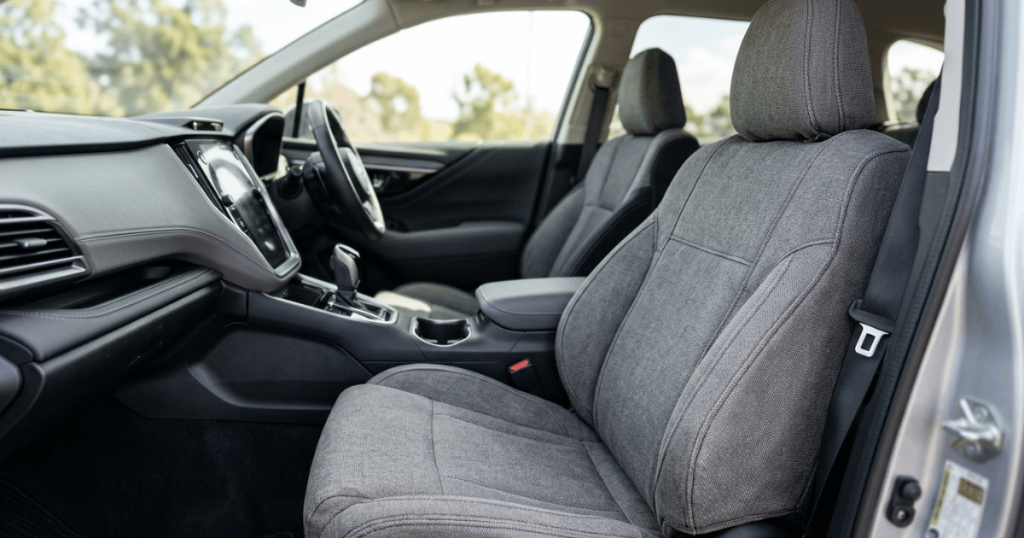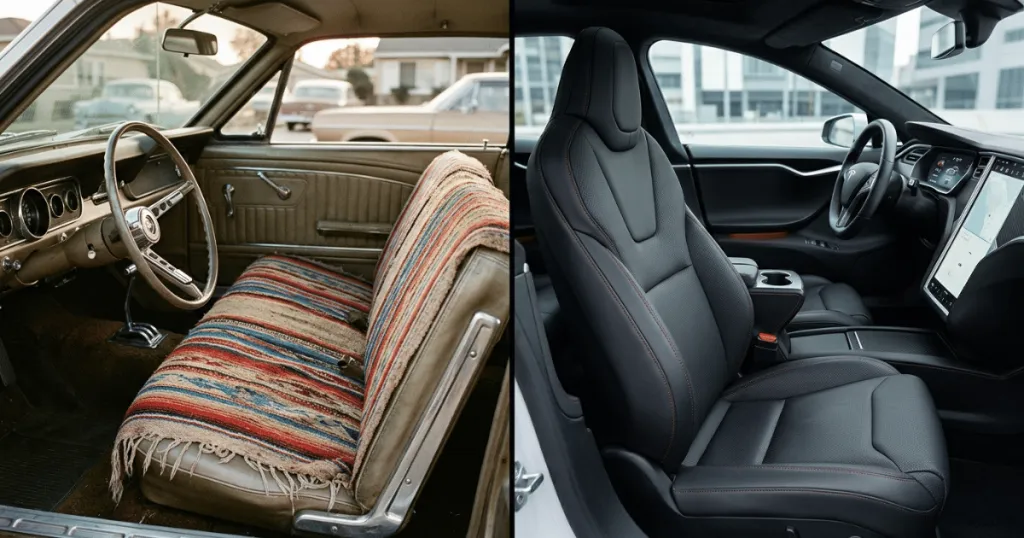
When considering an interior upgrade, many vehicle owners look toward the benefits of seat covers to solve specific problems related to cabin wear and tear. Rather than viewing these accessories as purely aesthetic additions, it is more accurate to categorize them as functional tools designed to extend the lifespan of factory upholstery. Whether you are dealing with high-traffic daily commutes, pet-related messes, or simply trying to maintain the resale value of your vehicle, these covers serve as a durable buffer between your passengers and the original seat material.
The effectiveness of this protection depends heavily on material selection and fit. A well-fitted cover can prevent permanent damage from spills, UV degradation, and friction, but it requires an understanding of how different fabrics interact with your specific seat type. By focusing on the practical utility of these items, owners can make informed decisions that prioritize long-term interior preservation over short-term visual changes.
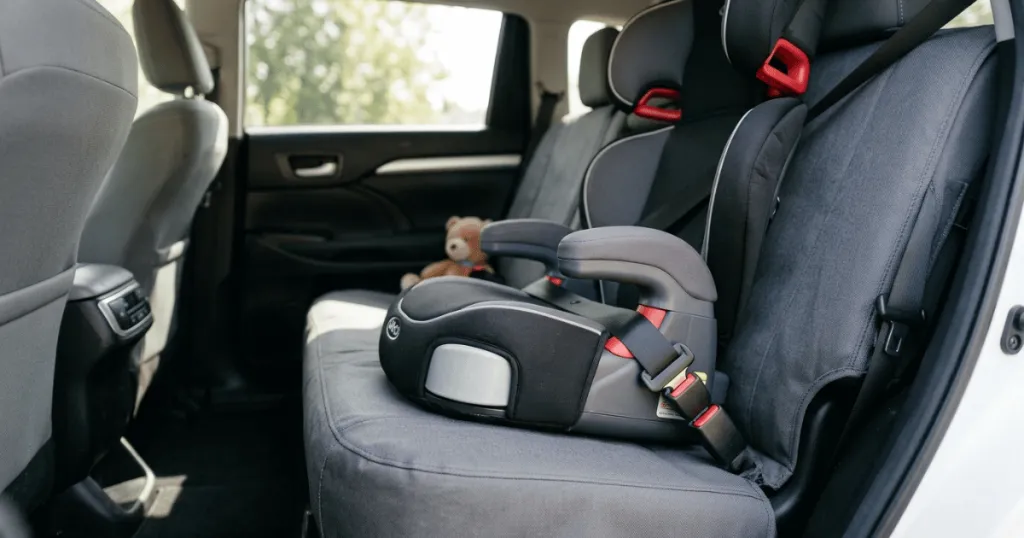
Core Benefits of Seat Covers
The primary function of any seat cover is to shield the underlying material from the harsh realities of daily vehicle operation. This preservation strategy goes beyond simple cleanliness, addressing the structural integrity of the seat foam and the surface condition of the fabric or leather.
Shielding Against UV Exposure
Direct sunlight is one of the most consistent threats to vehicle interiors. Over time, UV rays break down the chemical bonds in synthetic fabrics and cause natural leather to dry, crack, and fade. By installing a high-quality cover, you effectively block these rays from reaching the factory upholstery. This is particularly important for vehicles parked outdoors for extended periods, where the cumulative effect of sun exposure can lead to irreversible discoloration and material brittleness.
Managing Friction and Physical Wear
Every time a driver or passenger enters or exits a vehicle, the seat material experiences friction. This is most pronounced on the side bolsters of bucket seats, where the fabric or leather is stretched and rubbed against repeatedly. A durable seat cover absorbs this mechanical energy. By taking the brunt of the wear, the cover prevents the factory material from thinning, pilling, or tearing, which is a common issue in high-age vehicles.
Containment of Spills and Debris
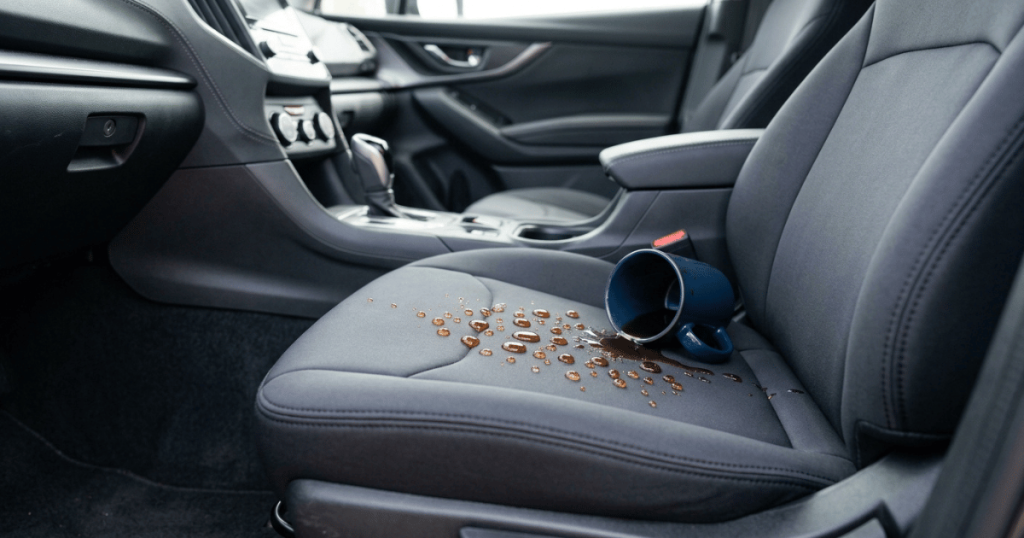
Daily use often involves coffee, food, or mud, all of which can permanently stain original upholstery. While no cover is entirely impervious to every substance, many materials are designed to be water-resistant or easily removable for cleaning. This creates a containment zone that prevents liquids from seeping into the seat foam, where they could otherwise cause odors or mold growth. Keeping the underlying seat dry and clean is a significant factor in maintaining the overall hygiene of the cabin.
Evidence and Real-World Limitations
While the advantages of installing protective covers are well-documented in terms of upholstery protection, it is necessary to maintain a realistic perspective on what these products can and cannot do. Not every cover provides the same level of protection, and environmental factors play a major role in how well they perform.
Material-Specific Performance
The protective capacity of a cover is strictly limited by its material composition. For example, while neoprene is excellent for water resistance and durability in outdoor or wet-weather scenarios, it may not be as breathable as canvas or high-quality fabric. Conversely, while faux leather provides a high level of spill protection, it can become uncomfortably hot in direct sunlight if it lacks proper heat-dissipation features. Choosing a material that does not align with your specific climate or usage pattern often leads to dissatisfaction, regardless of the cover’s inherent quality.
The Reality of Fitment
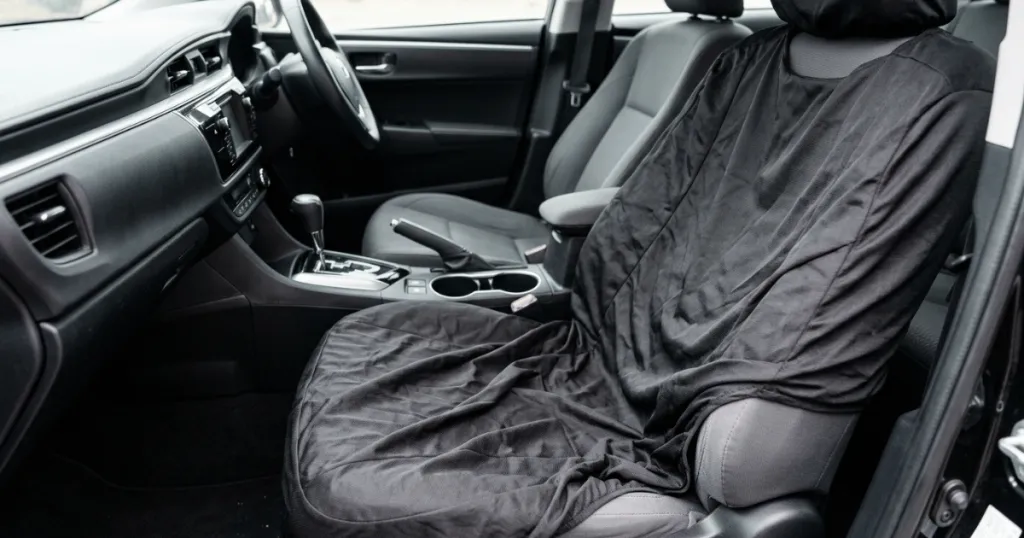
A common mistake is assuming that any cover will provide a perfect shield. If a cover is loose, it can actually accelerate wear by creating friction against the seat as the passenger moves. A proper fit is essential for both visual appeal and structural longevity. When a cover shifts, it can trap dirt and grit between the cover and the seat, which then acts like sandpaper on the original upholstery. This is why custom-fit covers are generally preferred over universal, one-size-fits-all alternatives for long-term interior preservation.
Identifying When Protection is Most Needed
Not every vehicle requires the same level of interior shielding. The decision to use covers often comes down to the specific usage scenario and the type of seats installed in the vehicle.
High-Traffic and Commercial Use
For vehicles used in rideshare services or commercial applications, the frequency of passenger turnover is significantly higher than in a private vehicle. In these scenarios, the benefits of seat covers are immediate. They provide a barrier against the unpredictable nature of heavy use, ensuring that the factory seats remain in pristine condition for the duration of the vehicle’s service life. This is a standard practice for fleet managers looking to minimize depreciation.
Pet Owners and Families
Pets and young children introduce a unique set of challenges to vehicle interiors, including claw marks, muddy paws, and food spills. For these owners, the priority is usually material durability and ease of cleaning. Materials that can be wiped down or removed for machine washing are essential. In these cases, the cover acts as a modular component that can be maintained independently of the vehicle’s interior, saving the owner from the time and cost of professional upholstery detailing.
Off-Road and Outdoor Enthusiasts
If your vehicle is frequently exposed to mud, sand, or moisture, the interior is at constant risk of contamination. Outdoor enthusiasts often prioritize heavy-duty, waterproof materials that can withstand rough treatment. Here, the cover serves as a rugged utility item that allows the owner to use the vehicle for its intended purpose without worrying about the long-term impact on the resale value of the cabin.
Addressing Common Misconceptions
There is a prevailing belief that adding a cover will automatically make a seat more comfortable. While some covers include extra padding or lumbar support, the primary benefit remains protection. A cover cannot fix an uncomfortable seat design, and in some cases, a poorly chosen material can actually reduce the natural breathability of the factory seat, leading to discomfort during long drives. It is important to prioritize the material’s breathability and texture alongside its protective qualities.
Another misconception is that covers are permanent installations. In reality, the best approach is to treat them as removable assets. Being able to remove, clean, or replace a cover is a major advantage. If a cover becomes damaged, it is a simple matter to replace it, whereas repairing factory upholstery is a complex and expensive process. By understanding that these products are meant to be maintained and eventually replaced, owners can better appreciate the long-term value they provide to the vehicle’s interior.
The Strategic Value of Proactive Maintenance
Automotive interior care is often reactive, with owners seeking solutions only after damage has occurred. However, the most effective strategy is proactive maintenance. By installing seat covers when the vehicle is new, you lock in the factory condition. This is particularly relevant for those who plan to sell or trade in their vehicle in the future. A well-maintained interior is one of the most significant factors in determining the resale value of a used car. When a buyer sees clean, unblemished seats, it signals that the vehicle has been cared for, which can translate to a higher perceived value.
Furthermore, the psychological benefit of a clean cabin should not be underestimated. A vehicle is a personal space, and for many, it is a primary environment for daily transit. Managing seat wear through covers allows for a cleaner, more hygienic environment. Whether you are dealing with seasonal allergens, dust, or the inevitable accumulation of debris, having a washable or wipeable surface makes it significantly easier to maintain a high standard of cabin hygiene without needing specialized equipment or professional cleaning services.
Ultimately, the benefits of seat covers are best realized when they are treated as a proactive maintenance strategy rather than a cosmetic fix. When selected for the right environment and installed correctly, they serve as a reliable defense against the inevitable wear of daily driving, ensuring that the vehicle’s interior remains in the best possible condition over time.
FAQ
Do seat covers provide protection against UV damage?
Yes, high-quality seat covers act as a physical barrier that prevents direct UV rays from reaching your factory upholstery, which helps reduce fading, cracking, and material degradation over time.
Can seat covers help maintain a vehicle’s resale value?
Yes, by preventing permanent stains, tears, and wear on the original upholstery, seat covers help keep the interior in better condition, which is a key factor in maintaining a vehicle’s overall resale value.
Are all seat covers waterproof?
No, waterproof capabilities depend entirely on the material used. While materials like neoprene or certain synthetic blends offer high water resistance, many fabric covers are porous and will allow liquids to soak through to the seat foam if not cleaned immediately.
Does a loose-fitting seat cover provide the same protection as a custom fit?
No, a loose fit can actually be counterproductive. If a cover shifts during use, it can trap grit and dirt between the cover and the seat, which may cause abrasion to the original upholstery over time.