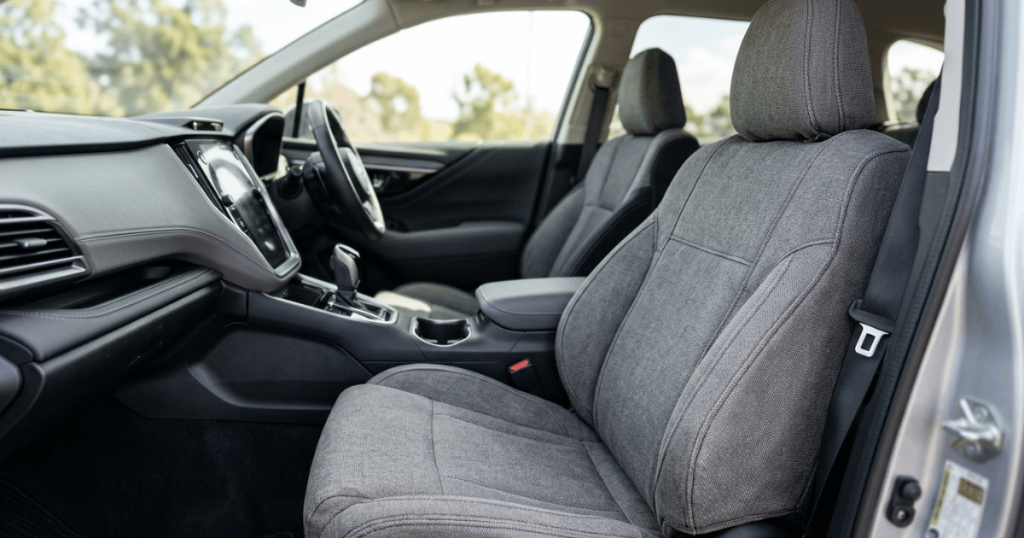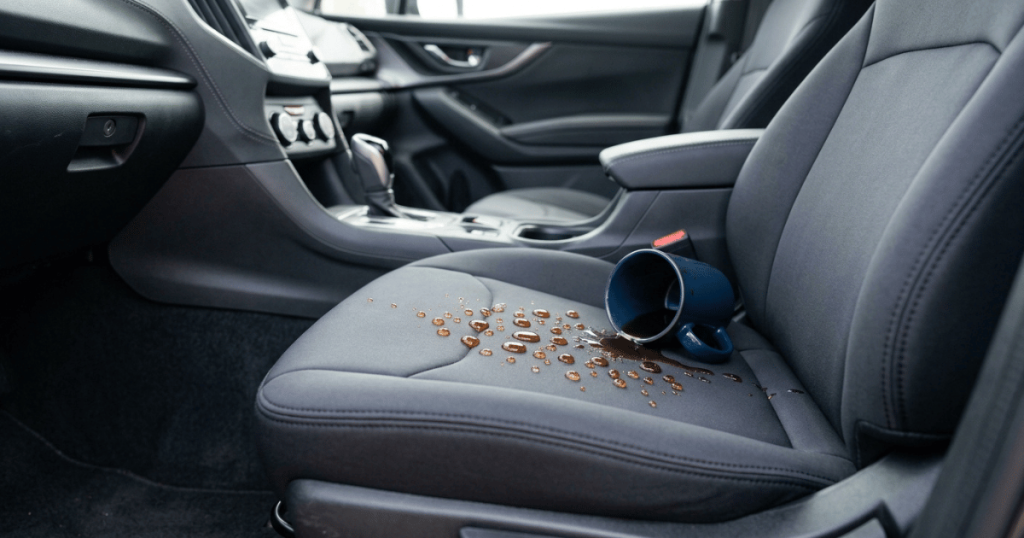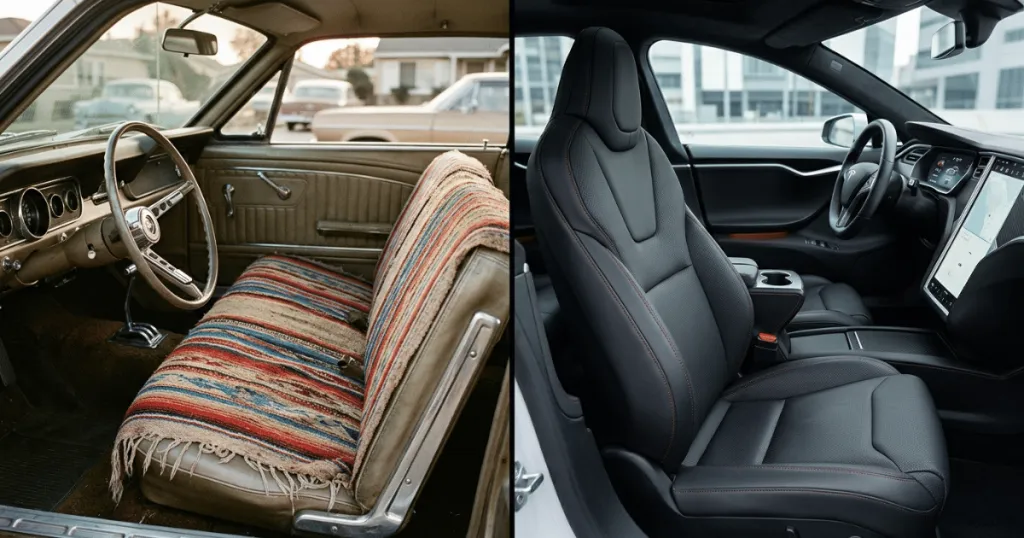
Adding a layer of protection to your vehicle’s seating is a common project for many owners, yet it is rarely a completely seamless process. While the primary goal is often to preserve the underlying upholstery or change the interior aesthetic, the drawbacks of seat covers can impact daily comfort and long-term vehicle maintenance if not carefully considered before installation. Weighing these functional trade-offs allows you to determine if the protective benefits justify the potential inconveniences of an additional layer.
Most owners focus on the immediate visual upgrade, but the functional reality involves interacting with a new surface every time you drive. From the way materials handle moisture to the physical effort required to keep them stationary, these factors define the ownership experience. By looking past the marketing imagery, you can identify which limitations are deal-breakers for your specific vehicle usage and which are manageable trade-offs.
Functional Limitations and Daily Use Challenges
The most frequent complaints regarding aftermarket interior additions often stem from how the product interacts with the existing seat geometry. Even with high-quality materials, the physical presence of a cover can alter the tactile experience of your vehicle’s interior.
Movement and Shifting During Entry
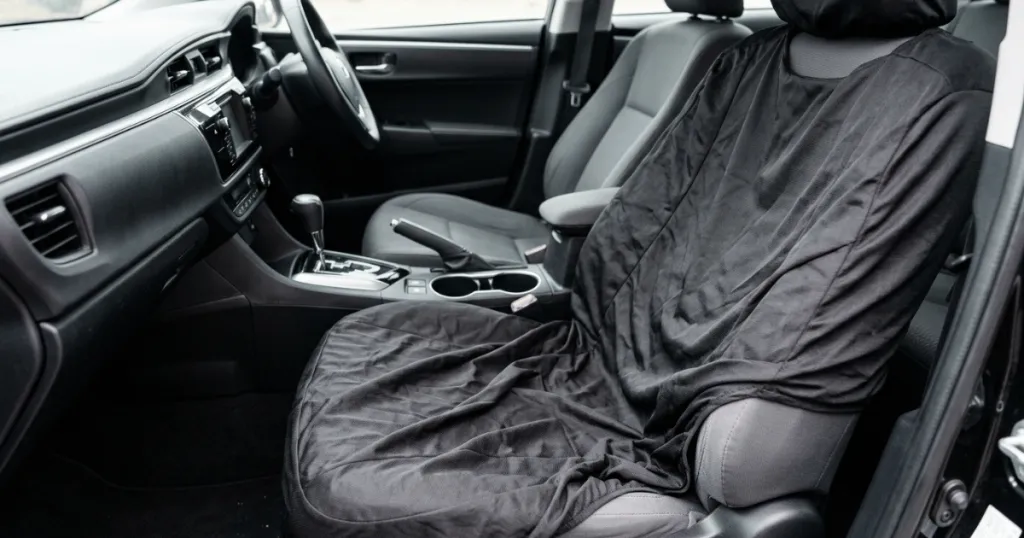
One of the most common issues is the tendency for covers to slide or bunch up over time. Even with tension straps and anchor discs, the constant friction of getting in and out of the vehicle can cause the material to migrate. This movement is particularly noticeable on bucket seats with aggressive side bolsters, where the cover must navigate complex curves. When a cover shifts, it creates wrinkles that can become uncomfortable, and it may eventually expose the original upholstery to the very wear you were trying to prevent.
Tactile Changes and Breathability
The material you choose significantly impacts your comfort, especially in extreme climates. While factory seats are engineered for specific airflow and temperature regulation, adding a thick layer of neoprene or heavy-duty canvas can act as an insulator. In hot weather, some synthetic materials may trap heat, leading to a sticky or uncomfortable feeling during long drives. Conversely, some textures may feel less premium or more abrasive than the original factory fabric or leather, altering the tactile quality of your driving environment.
Installation and Fitment Complexities
Achieving a professional look often requires more effort than the product packaging suggests. The gap between a universal-fit product and a custom-tailored option is where many installation frustrations arise.
The Challenge of Universal Fitment
Universal seat covers are designed to accommodate a wide range of vehicle dimensions, which inherently means they are rarely a perfect match for any single seat. This often leaves excess material that must be tucked into crevices or secured with awkward strap configurations. In practice, this means you may deal with loose sections that never quite sit flush against the seat back or base. These loose areas are prone to catching on clothing or accumulating debris, which can be a persistent source of irritation for detail-oriented owners.
Complexity of Securing Mechanisms
Achieving a secure fit often requires reaching into tight, narrow spaces beneath the seat cushion, which can be physically demanding in modern vehicle cabins. You often have to navigate around seat adjustment motors, wiring harnesses, and seat tracks to secure hooks and straps. If the installation is rushed or if the attachment points are difficult to reach, the resulting fit will be loose, leading to the shifting issues mentioned previously. For many, the time and physical dexterity required to install covers correctly is a significant drawback that is often underestimated.
Maintenance and Long-Term Upholstery Impact
While the intent is to keep the original seat pristine, there are scenarios where the covers themselves can inadvertently cause issues for the underlying material.
Trapped Debris and Abrasion
If sand, grit, or small particles work their way between the cover and the seat, they can act like sandpaper. Over time, the movement of the cover against the seat base, caused by the weight of the driver, can grind this trapped debris into the original upholstery. This is particularly damaging to leather or sensitive synthetic surfaces, which can develop fine scratches or wear patterns that are only visible once the covers are removed years later. Regular removal for cleaning is the only way to mitigate this, which adds a significant maintenance burden.
Moisture Retention and Material Degradation
Some materials are marketed as waterproof, which is beneficial for spills but can be a drawback in humid environments. If moisture becomes trapped between the cover and the seat, it can create a localized environment where mildew or odors develop. This is especially problematic if the vehicle is parked outside or in a damp climate. If the seat cover does not allow the original seat material to breathe, you may find that the factory upholstery develops a musty smell or even mold growth over time, effectively damaging the very surface you intended to protect.
Aesthetic and Design Compromises
Beyond the functional aspects, there is the visual reality of adding a layer over your factory design. Many owners find that the “look” of a cover rarely matches the sophisticated lines of a modern car interior. The seams, piping, and attachment points of aftermarket covers can look cluttered compared to the clean, integrated appearance of factory upholstery. Furthermore, over time, UV exposure can cause uneven fading, meaning that if you ever remove the covers, you may be left with a mismatched interior where the protected areas look brand new while the exposed plastic trim or headrests have aged naturally. This creates a visual disparity that can be difficult to correct without professional detailing or interior restoration.
Why These Factors Matter for Your Vehicle Interior
Deciding to add seat covers requires weighing the desire for long-term upholstery preservation against the practical realities of daily vehicle use. For a vehicle used primarily for work or pet transport, the protection offered by heavy-duty covers often outweighs the drawbacks of a less-than-perfect fit or increased maintenance. However, if you prioritize the tactile feel of your vehicle’s interior or the ease of daily operation, the compromises might feel more significant.
The most successful installations occur when owners acknowledge these limitations upfront. If you accept that you will need to periodically remove the covers to clean underneath or that you may need to adjust the straps every few months, the experience becomes much more manageable. The biggest mistake is assuming that a set of covers is a “set it and forget it” solution. By viewing them as a semi-permanent accessory that requires occasional attention, you can avoid the frustration that comes with unexpected wear or fitment issues. Ultimately, the drawbacks of seat covers are manageable when you select materials and styles that align with your actual usage patterns rather than just the visual appeal.
FAQ
Do seat covers always damage the original upholstery?
Not necessarily, but they can cause damage if grit or moisture becomes trapped between the cover and the seat. Regularly removing the covers to clean both the accessory and the original seat helps prevent this type of wear.
Why do some seat covers feel uncomfortable compared to factory seats?
The drawbacks of seat covers often include changes in breathability and texture. If a cover is made of a non-breathable material, it can trap heat and moisture, making the seat feel sticky or hot during use compared to the original factory fabric.
Is it difficult to get a perfect fit with seat covers?
Achieving a perfect fit is challenging, especially with universal models. Because they are designed to fit many different seat shapes, they often have excess material that can bunch up or slide, requiring frequent adjustments to keep them secure.