Many vehicle owners assume that the history of seat covers is a modern narrative focused on aesthetic customization or luxury upgrades. In reality, the earliest iterations of these interior accessories were purely functional, born out of necessity rather than design. When automobiles first transitioned from open-air carriages to enclosed cabins, the materials used for factory upholstery were often rudimentary and susceptible to rapid degradation from environmental exposure and heavy daily use.
The primary benefit most people expect from these products today is a combination of style and preservation, yet the evidence suggests that the original intent was strictly to extend the functional lifespan of fragile, early-model seating. Early adopters utilized heavy-duty canvas or thick wool blankets to shield factory materials from dust, moisture, and the abrasive wear caused by the heavy fabrics of period-appropriate clothing. This foundational purpose set the stage for the industry, establishing the core expectation that a cover should serve as a protective buffer between the occupant and the vehicle’s original upholstery.
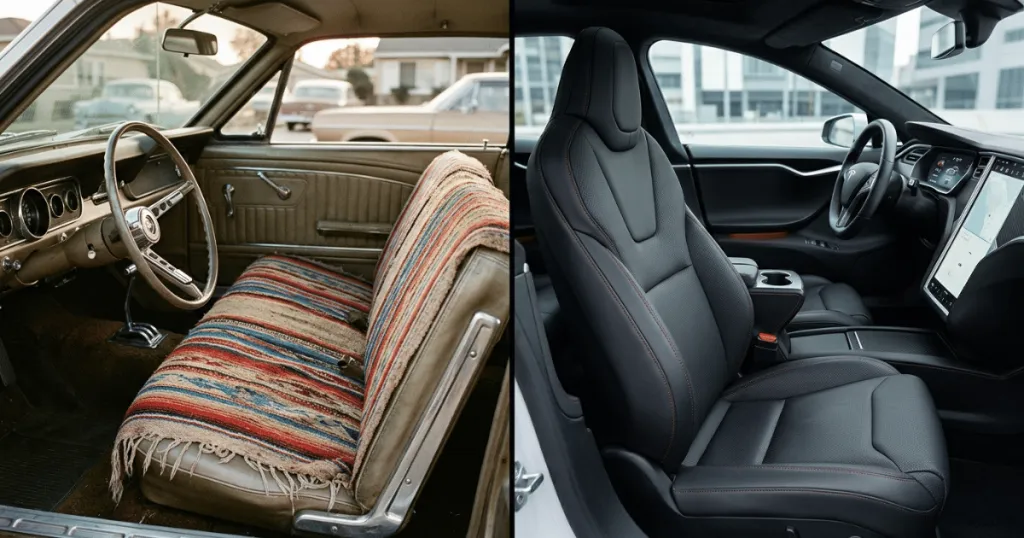
The Shift from Functional Utility to Material Diversity
As the automotive industry matured through the mid-20th century, the materials used for interior protection evolved alongside manufacturing capabilities. This shift moved the market away from generic, heavy-duty utility blankets toward purpose-built products designed for specific seat configurations.
The Rise of Synthetic Fabrics
During the post-war era, the introduction of synthetic polymers drastically changed the options available to vehicle owners. Materials like nylon and early polyester blends offered a level of durability and stain resistance that natural fibers simply could not match. These materials allowed for a tighter, more consistent fit, which was essential as vehicle manufacturers began experimenting with more complex seat contours, such as bucket seats and contoured bench designs. The transition to synthetic fibers also allowed for easier cleaning, as these materials could withstand more aggressive scrubbing than the delicate wools or cottons of the early automotive age.
The Introduction of Leather and Vinyl Alternatives
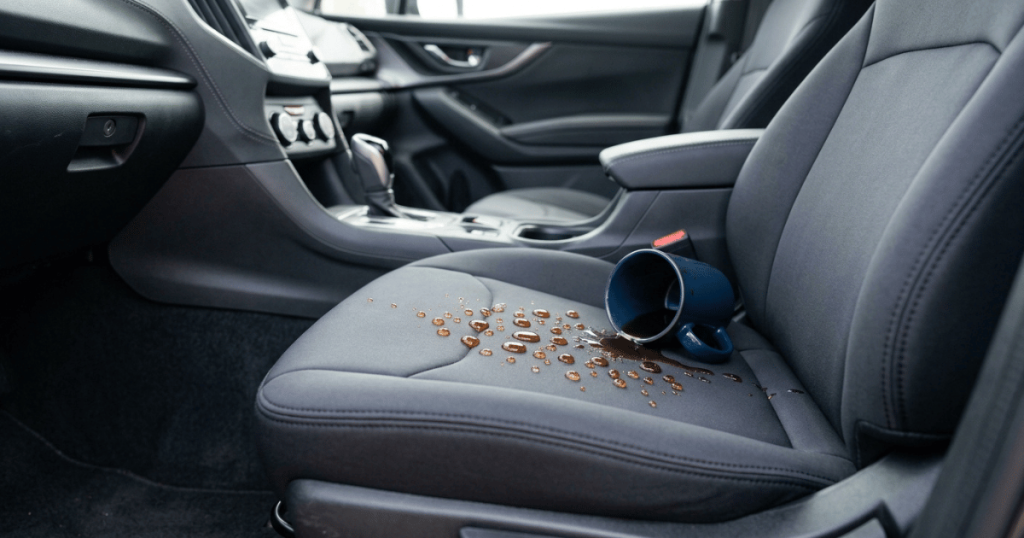
The demand for a luxury aesthetic eventually led to the development of high-quality faux leathers and vinyls. These materials were designed to mimic the look and feel of premium factory leather while offering superior resistance to liquid spills and UV-induced fading. This era marked a turning point where the history of seat covers began to intersect with interior design, allowing owners to change the character of their cabin without the significant expense of professional reupholstery. Unlike traditional reupholstery, which requires stripping the seat to the frame, these covers provided a non-permanent way to upgrade the cabin’s visual appeal.
Evaluating the Evidence for Long-Term Protection
The claim that these products provide a permanent shield for factory seating is a common one, but it requires careful interpretation. While a high-quality cover can significantly reduce the impact of daily friction and minor spills, it is not a total barrier against every environmental factor. The reality of automotive interior protection depends heavily on the specific material chosen and the environment in which the vehicle operates.
The Role of UV Exposure
One of the most persistent threats to automotive interiors is solar radiation. While a seat cover can prevent direct sunlight from bleaching the factory fabric, heat buildup beneath the cover remains a factor. If the chosen material is not breathable, it can trap heat against the seat, potentially accelerating the degradation of underlying foam padding over extended periods. Selecting a textile with heat-dissipating qualities is vital for maintaining the integrity of the seat cushion during peak summer months.
The Reality of Moisture and Breathability
Waterproof materials are often cited as the ultimate solution for active lifestyles, but they come with a trade-off. In humid climates, a completely non-porous cover can trap moisture between the cover and the seat, leading to mildew or mold growth on the original upholstery. A balanced approach involves selecting materials that offer a degree of moisture resistance while still allowing for air circulation, which helps prevent trapped humidity from compromising the seat foam. This is a vital consideration for owners in coastal or tropical regions where humidity is a constant factor in vehicle seat maintenance.
Who Benefits Most from Modern Interior Protection
Examining the history of seat covers provides context for why specific user groups continue to rely on them for vehicle upkeep. The benefits are most pronounced for owners who subject their vehicles to extreme usage scenarios, where the cost of replacing factory upholstery would far exceed the investment in a protective layer.
Commercial and Rideshare Operators
For individuals using their vehicles for commercial purposes, constant ingress and egress create rapid wear patterns on the driver’s side bolster. In these scenarios, a durable, high-friction material serves as a necessary maintenance tool. It allows the operator to replace the wear surface periodically, keeping the cabin looking professional without the downtime associated with seat repairs. This practice has become a standard in the industry, as it directly impacts the long-term resale value of the vehicle by preserving the factory seat structure.
Pet Owners and Outdoor Enthusiasts
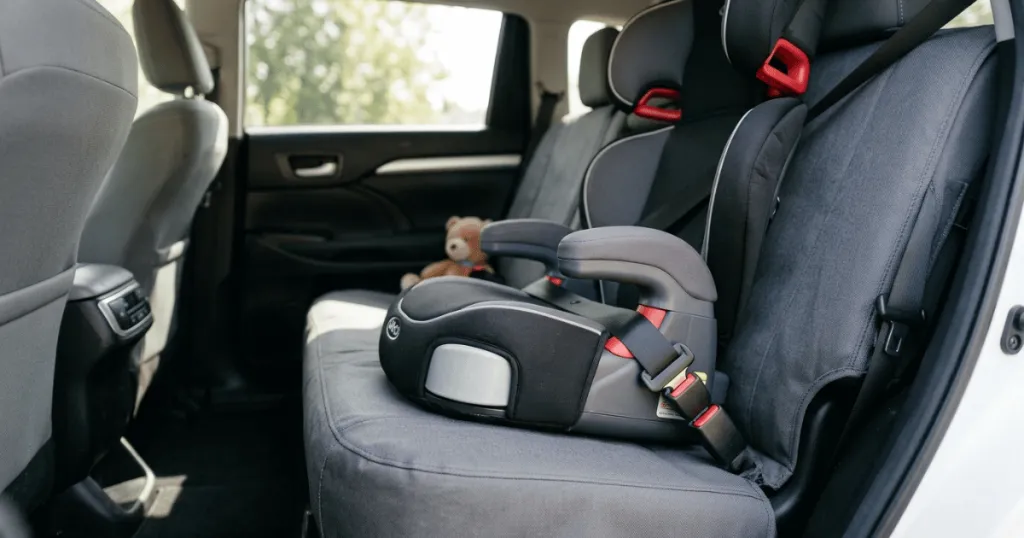
Vehicle owners who frequently transport pets or engage in outdoor activities like hiking or cycling face unique challenges. Mud, moisture, and sharp claws can cause irreversible damage to factory fabrics or leather in a very short timeframe. For these users, the primary benefit is the ability to remove and clean the protective layer after a trip, ensuring that the vehicle’s interior remains clean and odor-free for daily commuting. This utility-driven approach mirrors the early history of the product, where functionality was the primary driver of adoption.
Clarifying Common Misconceptions About Interior Preservation
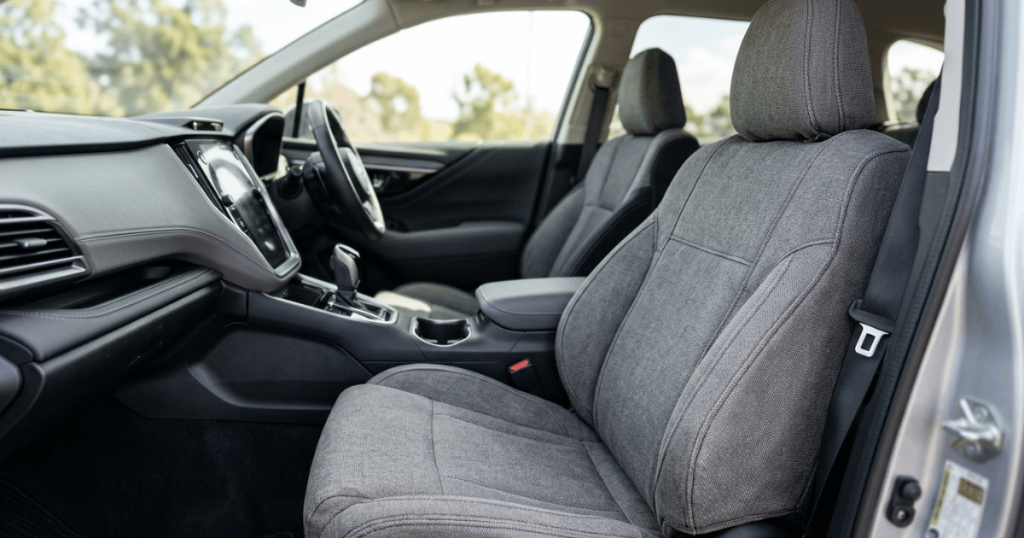
A frequent misunderstanding in the history of seat covers is the belief that thicker materials automatically provide better protection. In practice, the thickness of the material is less important than its structural integrity and the precision of the fit. A very thick, poorly fitted cover can actually cause more damage by shifting during use, creating friction points that abrade the original seat fabric over time. A custom seat cover fit is often superior to a universal one because it minimizes movement, ensuring the cover stays in place regardless of how often the occupant enters or exits the vehicle.
Another misconception is that installing a cover makes the seat maintenance-free. While a cover reduces the frequency of deep cleaning required for the seat itself, the cover requires its own maintenance regimen. Dust and debris that settle on the cover can eventually work their way through the fabric, acting as an abrasive against the seat underneath. Regular vacuuming and occasional removal for cleaning are essential to ensure the cover is actually providing the protection it was intended for, rather than becoming a source of trapped dirt. This is particularly relevant for those using durable seat cover materials like canvas or heavy-duty neoprene, which can hide dirt effectively but still allow grit to penetrate the weave.
The Evolution of Design and Installation
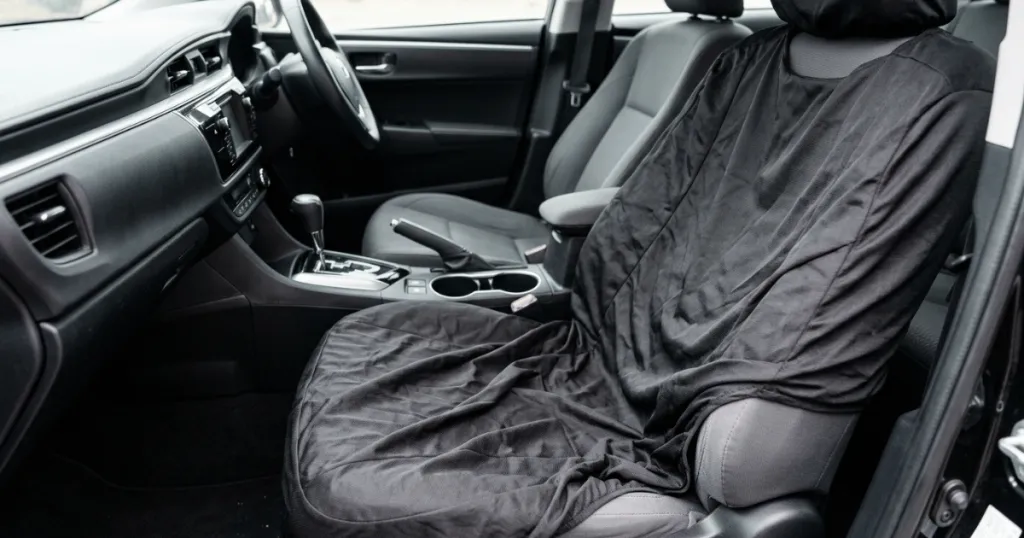
As we look at the trajectory of these accessories, it is clear that the focus has shifted from simple “blanket-style” protection to engineered solutions that respect the ergonomics of modern seating. Early covers were often loose-fitting, held in place by basic ties or gravity. Modern designs utilize sophisticated attachment systems, including tension straps, clips, and molded inserts, to maintain a clean, factory-like appearance. This evolution reflects a broader trend in the automotive industry toward interior cabin aesthetics, where owners expect their aftermarket additions to integrate seamlessly with the vehicle’s original design language.
Furthermore, the development of specialized materials has allowed for a more nuanced approach to interior care. We now see materials engineered for specific climates, such as breathable mesh for hot environments or insulating fabrics for colder regions. This level of specialization was nonexistent in the early days of the automotive industry, where the choice was limited to whatever heavy-duty fabric was available at a local textile shop. Today, the market offers a wide range of options, allowing owners to tailor their choice based on their specific lifestyle needs, whether that involves heavy-duty off-road use or simply protecting a new vehicle’s interior from the daily wear of a morning commute.
Reflecting on the Evolution of Interior Protection
The history of seat covers is a testament to the changing relationship between vehicle owners and their interiors. What began as a simple, utilitarian solution has evolved into a sophisticated market that balances protection, comfort, and personal style. By understanding that these products are tools for preservation rather than permanent replacements for factory upholstery, owners can make informed decisions that extend the life of their vehicle’s interior.
Whether you are looking to mitigate the effects of daily wear or simply change the aesthetic of your cabin, the key is to prioritize fit and material suitability for your specific environment. As the automotive landscape continues to change, the fundamental need for reliable interior protection remains a constant factor for every vehicle owner.
FAQ
Did the history of seat covers begin with luxury or utility?
The history of seat covers is rooted entirely in utility. Early versions were designed as simple, heavy-duty layers meant to protect fragile factory upholstery from dust, moisture, and the wear of daily use.
Do modern seat covers prevent all types of interior damage?
No, they do not. While they are highly effective at preventing surface-level wear, spills, and UV fading, they cannot stop all environmental damage. Factors like moisture buildup in humid climates or trapped heat can still affect the underlying seat if the cover material is not chosen correctly.
Is a thicker material always better for protection?
Not necessarily. A thicker material does not guarantee better protection. The effectiveness of the cover depends more on a precise fit and the material’s ability to resist specific types of wear. A poorly fitted, thick cover can actually cause more damage by shifting and creating friction against the factory seat.