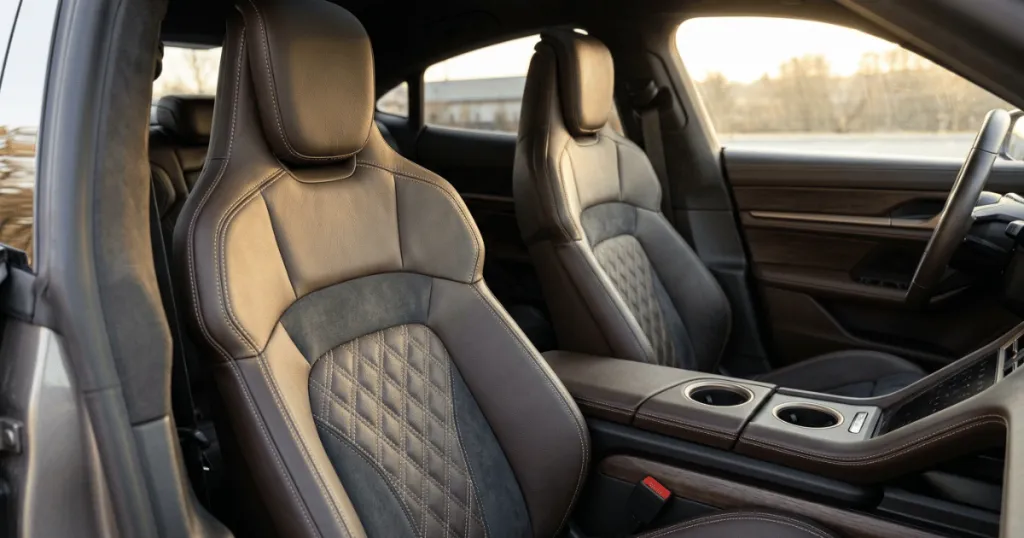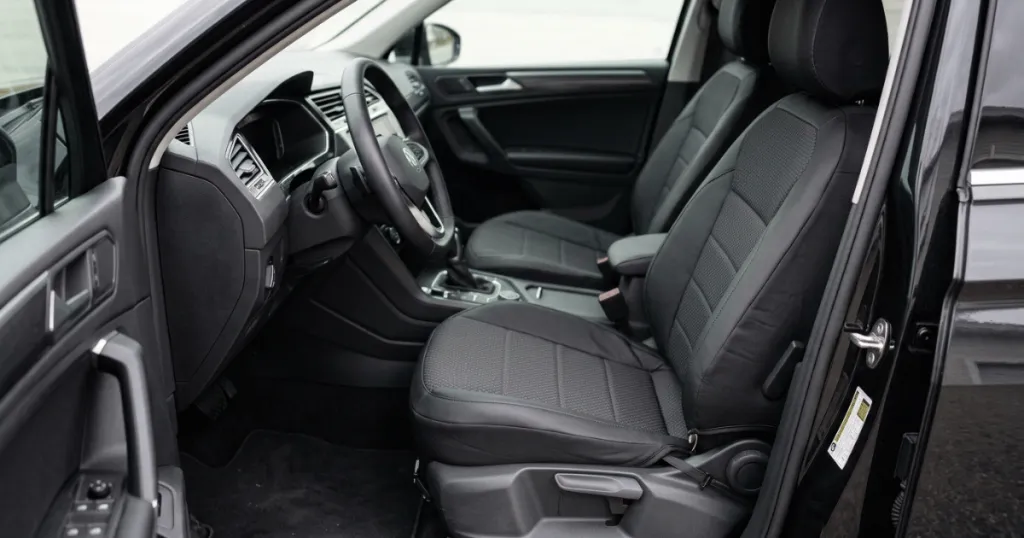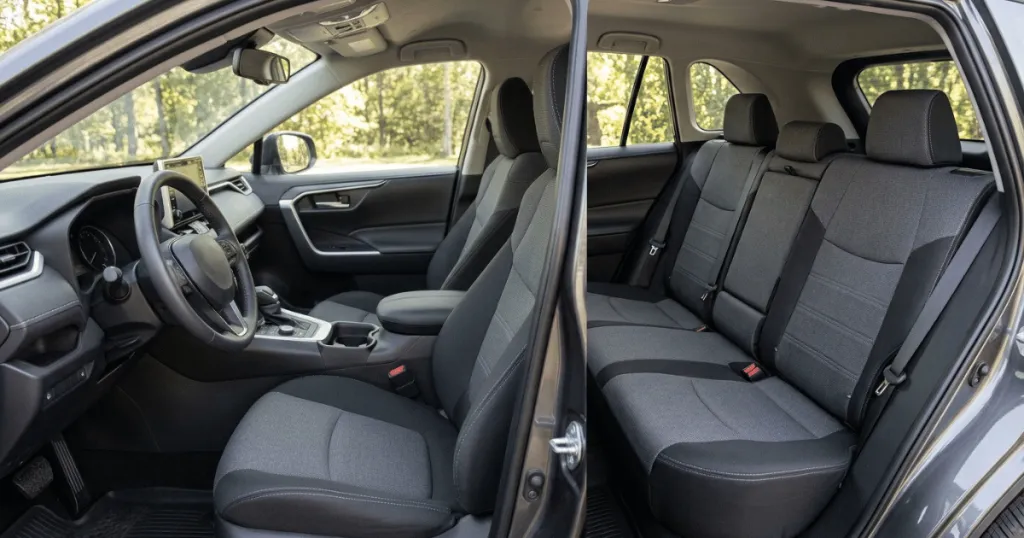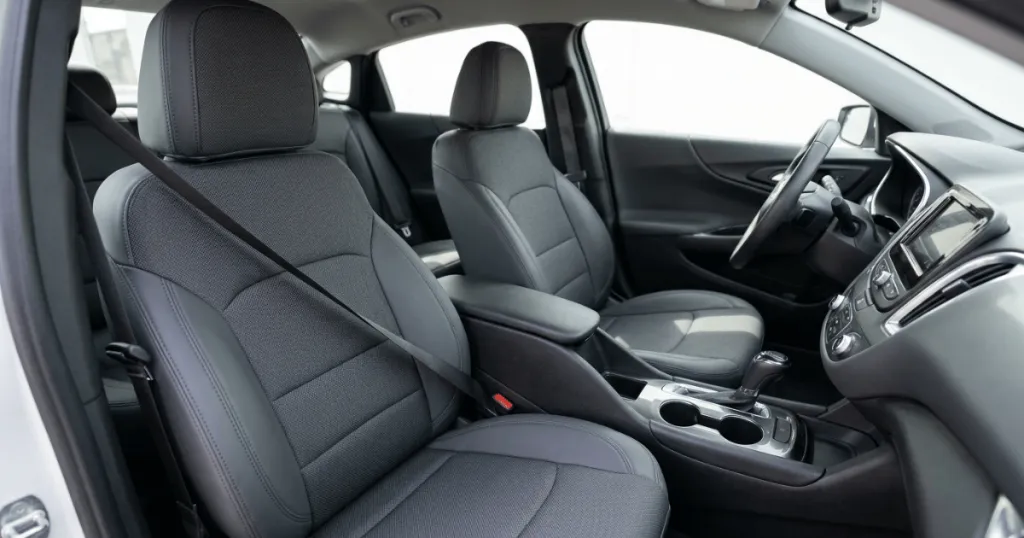
When upgrading a vehicle’s interior, many owners find themselves caught between the loose, often ill-fitting nature of universal covers and the extreme expense of full bespoke upholstery. A semi custom seat cover serves as the middle ground in this spectrum. These products are designed based on specific seat patterns, such as a bucket seat with a separate headrest or a 60/40 split bench, rather than being cut to a generic, one-size-fits-all shape.
By utilizing pre-determined templates that account for common seat configurations, these covers offer a tighter, more professional appearance than entry-level options. They provide a practical solution for drivers who want a clean, finished look without the long lead times or significant financial investment required for fully custom, made-to-order upholstery. Understanding how these patterns interact with your specific seat architecture is the key to achieving a successful installation.
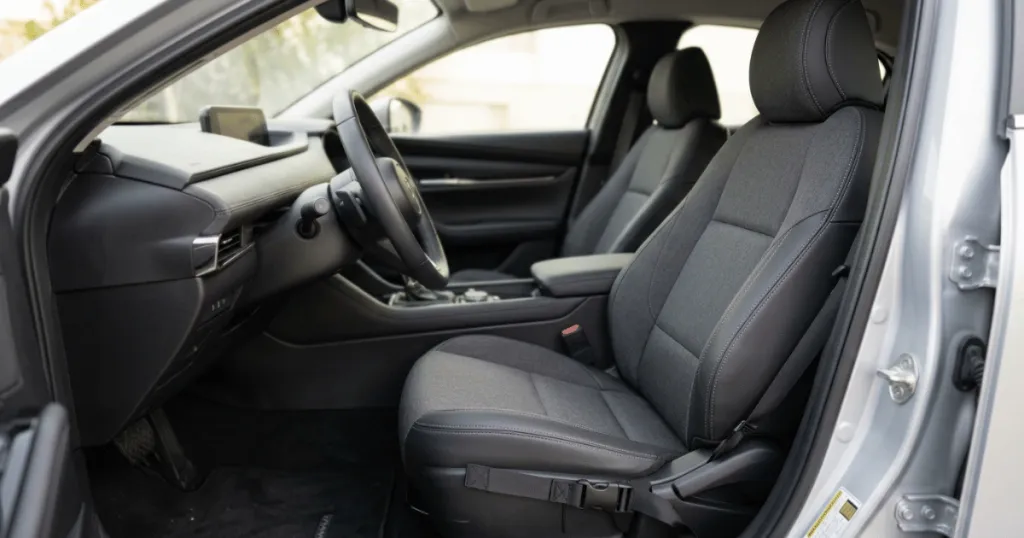
The Mechanics of Semi Custom Fitment
The defining characteristic of a semi custom seat cover is its reliance on standardized patterns that correspond to specific seat styles found across various vehicle makes and models. Unlike universal covers that use elastic straps to bridge large gaps in sizing, these items are mapped to the dimensions of particular seat components like bucket seats, captain’s chairs, or bench configurations.
Pattern Matching and Seat Architecture
Manufacturers of these covers create templates based on the physical contours of common seats. When you select a product, you are essentially matching your vehicle’s seating layout, such as a high-back bucket seat or a solid bench, to a pre-existing technical drawing. This ensures that the cover follows the curves of the seat back and the depth of the cushion more closely than a generic sheet of fabric ever could. By focusing on the seat architecture, the specific way the backrest meets the base and the positioning of integrated components, these covers manage to avoid the sagging that plagues universal alternatives.
The Role of Attachment Systems
Because they are not sewn to the exact millimeter of your specific vehicle’s factory upholstery, these covers rely on sophisticated tensioning systems to maintain their shape. You will typically find a combination of hook-and-loop fasteners, heavy-duty elastic cords, and specialized clips that allow you to pull the fabric taut against the seat frame. This adjustment capability is what allows a single pattern to fit a range of similar vehicle seats while still providing a crisp, non-baggy finish. These tensioning points serve as the primary structural anchors, preventing the material from shifting or bunching during daily use.
Practical Scenarios for Choosing Semi Custom
Selecting the right cover often involves evaluating your vehicle’s primary purpose and the intensity of its daily use. These covers are particularly effective for drivers who need a balance between aesthetic appeal and functional protection, such as those navigating daily commutes, family transport, or light commercial use.
Daily Commuting and Interior Preservation
For the daily driver, a semi custom seat cover provides a durable barrier against the wear and tear of getting in and out of the vehicle. Because the fit is closer to the seat surface than universal alternatives, there is less fabric movement, which reduces the friction that eventually degrades the underlying factory upholstery. This makes them an excellent choice for protecting original leather or high-end cloth from sun fading and surface abrasion. By maintaining a consistent layer of protection, you effectively extend the lifespan of your vehicle interior.
Family and Pet Transport
When vehicles are used for transporting children or pets, the seat surface is exposed to spills, pet hair, and localized pressure. A semi custom option often includes reinforced stitching at high-stress points, such as the seams where the side bolsters meet the center panel. This construction helps the cover withstand the repeated movement of passengers and the weight of child safety seats, maintaining a stable, secure position even when passengers are climbing in and out of the vehicle. The tighter fit also prevents debris from migrating between the cover and the seat, which is a common issue with looser, universal-fit products.
Why Precise Geometry Enhances Interior Durability
The primary reason to opt for this style is the reduction of excess fabric. When a seat cover is too loose, it creates pockets of air and loose material that shift every time the driver moves. Over time, this shifting acts like sandpaper, wearing down the texture of the original seat fabric or leather underneath. A semi custom seat cover minimizes this movement by hugging the seat contours, which preserves the integrity of the factory seat while keeping the cabin looking tidy.
Furthermore, these covers allow for better integration with seat-mounted features. Because the patterns are designed with specific seat architectures in mind, they often feature better alignment for headrests and armrests. This prevents the bunching that occurs when a universal cover is forced to wrap around an obstruction it wasn’t designed to accommodate. By choosing a cover that respects the geometry of your seat, you are investing in both the longevity of your interior and the visual appeal of your cabin. This is particularly important for vehicles with complex seat bolster shapes, where a generic cover would simply bridge over the curves, leaving them unsupported.
Addressing Common Misconceptions About Fit
A frequent error is assuming that a semi custom seat cover will look identical to factory-installed leather. While these covers offer a significant upgrade over universal products, they are still an aftermarket addition. They will not perfectly replicate the complex, multi-panel stitching found in luxury vehicle interiors, nor will they eliminate every single fold or crease if the seat has extreme, non-standard bolsters.
Another point of confusion is the idea that these covers are difficult to install. In reality, because they are designed for specific seat types, the installation process is usually more intuitive than universal covers, which require constant trial and error. Most users find that once the tensioning points are identified, the installation follows a logical sequence that results in a secure, stable fit. The goal is not to achieve a seamless factory look, but to provide a durable, well-fitting layer that enhances the daily utility of your vehicle’s seating.
As you evaluate your options, remember that the quality of the final result depends heavily on how accurately you identify your seat configuration. Taking the time to verify if your seats have adjustable headrests, integrated armrests, or specific split-bench ratios will ensure that the semi custom seat cover you choose performs as intended. Understanding the difference between a high-back bucket seat and a standard bucket seat, for instance, is critical, as the former requires a specific pattern that accommodates the continuous backrest design.
Evaluating Seat Configurations for Success
To maximize the benefits of a semi custom seat cover, one must understand the specific seat configuration of their vehicle. Modern vehicles often feature complex seating arrangements, such as 60/40 split benches, where the seat back is divided into two sections of unequal width. A semi custom cover is specifically engineered to respect these divisions, allowing for independent movement of each seat section. If you attempt to use a universal cover on a 60/40 split bench, you will inevitably lose the ability to fold the seats independently, as the cover will bridge the gap and lock the sections together.
Similarly, consider the presence of integrated armrests or center consoles. A semi custom pattern will typically include specific cutouts or separate pieces for these components, ensuring that the cover does not interfere with their operation. When researching your options, look for details regarding how the cover handles these specific features. If a product description does not explicitly mention support for your specific seat configuration, such as a captain’s chair with a fold-down armrest, it may not offer the level of fitment you expect. Always prioritize patterns that align with your vehicle’s specific seat architecture to ensure that the final result is both functional and aesthetically pleasing.
Material Considerations in Semi Custom Design
While fitment is the primary focus of semi custom covers, the material choice plays a significant role in how well that fit is maintained over time. Materials like heavy-duty canvas or high-denier polyester tend to hold their shape well, which complements the semi custom design by resisting stretching and sagging. Conversely, softer, more pliable materials may require more frequent adjustments to the tensioning system to keep the cover snug against the seat contours. When selecting a material, consider the intended use of the vehicle; for instance, if you are frequently transporting pets, a material that is both durable and easy to wipe down will provide the best long-term value, regardless of the fitment style.
Ultimately, the marriage of a well-engineered semi custom pattern and a high-quality material is what defines a superior aftermarket seat cover. By choosing a product that respects the geometry of your seats while utilizing materials suited to your lifestyle, you can achieve a level of interior protection that is both practical and visually satisfying. Focus on the details of your seat configuration, follow the installation instructions carefully, and you will find that a semi custom cover is a highly effective way to maintain the condition of your vehicle’s interior for years to come.
FAQ
How does a semi custom seat cover differ from a universal one?
A semi custom seat cover is designed to fit specific seat architectures, such as bucket or bench configurations, using pre-defined patterns. Universal covers are designed to fit a wide range of vehicles with a loose, one-size-fits-all approach, whereas semi custom options provide a tighter, more tailored fit by accounting for seat dimensions.
Can I install these covers myself?
Yes, these covers are designed for DIY installation. Because they are patterned for specific seat types, they usually include clear attachment points and tensioning systems that make the process straightforward compared to universal alternatives.
Will a semi custom seat cover look like original upholstery?
While they offer a significant improvement over universal covers, they are an aftermarket product. They provide a clean, professional look that fits the seat contours well, but they may not perfectly replicate the complex, multi-panel stitching found in original factory upholstery.