A full seat cover provides comprehensive protection for your vehicle’s upholstery by wrapping the entire seating surface, including the backrest and the base. Unlike partial covers that might only protect the center panel or a specific high-wear area, these units are designed to shield the original fabric or leather from spills, UV rays, and daily friction. For many vehicle owners, this type of coverage serves as a primary defense against the wear and tear associated with long-term use, pets, or outdoor activities.
Selecting the right option involves balancing the specific dimensions of your seats with the intended use of the vehicle. Because these covers envelop the entire seat, they often change the aesthetic profile of the interior more significantly than smaller accessories. Evaluating how these covers align with your seat’s unique contours and dimensions is the essential first step toward achieving a secure, long-lasting fit.
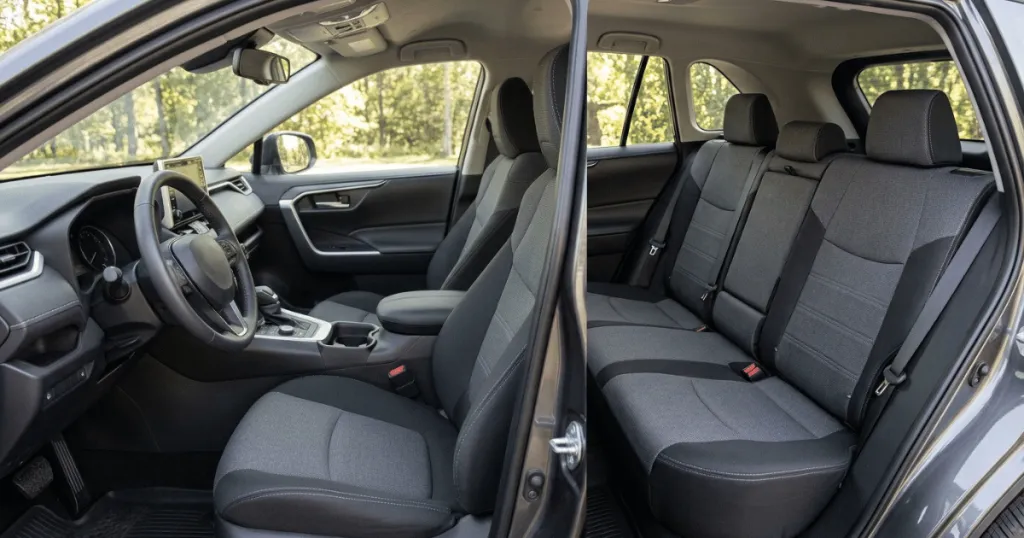
Evaluating the Structural Design of a Full Seat Cover
The effectiveness of a full seat cover relies heavily on how well it conforms to the specific contours of your vehicle’s seats. When you choose an option that covers the entire surface, you are essentially creating a new outer layer for your chair. This requires a design that accounts for the specific shape of the seat back, the depth of the cushion, and the presence of integrated features like headrests or lumbar support.
Contour Mapping and Seat Geometry
Most modern vehicle seats feature complex curves and bolsters that provide support during driving. A high-quality full seat cover must mirror these shapes to prevent bunching or sliding. If the cover is too loose, it will shift every time a passenger enters or exits the vehicle, which accelerates wear on both the cover and the seat underneath. Look for designs that utilize tension straps or anchor discs to pull the material taut against the seat’s natural curves. Understanding your vehicle’s seat geometry, whether it is a flat bench or a deeply bolstered bucket seat, is vital for selecting a cover that maintains its position without constant readjustment.
Integrated Headrest and Armrest Coverage
Some designs incorporate the headrest into the main body of the cover, creating a seamless look, while others use separate pieces for each section. If your vehicle has adjustable headrests, separate covers often provide a more precise fit that allows for height adjustments without pulling the main cover out of position. Similarly, if your seats feature fold-down armrests, the cover must have dedicated openings or flaps to ensure these features remain functional without compromising the protective barrier. Neglecting these details can lead to restricted movement of interior components and premature material fatigue at the seams.
Material Considerations for Daily Interior Protection
The choice of material dictates how your full seat cover will handle the specific challenges of your environment. Different fabrics offer distinct trade-offs regarding durability, comfort, and ease of cleaning. You should prioritize materials based on your most frequent usage scenario, whether that involves heavy-duty hauling, pet transport, or simply maintaining a clean aesthetic.
Synthetic and Faux Leather Options
Faux leather or polyurethane (PU) options are popular for their resistance to liquid spills and ease of maintenance. These materials do not absorb moisture, meaning a quick wipe with a damp cloth is usually sufficient to clean them. However, they can become warm in direct sunlight, so they are best suited for vehicles that are frequently garaged or parked in shaded areas. When selecting faux leather, consider the grain texture; a smoother finish is generally easier to wipe clean, while a textured surface may require a soft brush to remove debris from the crevices.
Textile and Neoprene Alternatives
Neoprene is a common choice for those who need water resistance and a softer, more cushioned feel. It is highly durable and often used in outdoor-focused vehicles because it handles moisture well. Fabric-based covers, such as those made from heavy-duty canvas or polyester blends, offer a more breathable surface. These are excellent for long commutes where comfort is a priority, though they may require more frequent vacuuming to remove trapped dust or debris. The fabric weave plays a significant role here; a tighter weave is generally more resistant to snagging from pet claws or heavy clothing rivets.
Real-World Context for Interior Usage
Applying a full seat cover changes the daily experience of your vehicle’s interior. In a family vehicle, for instance, the primary goal is often to protect against crumbs, spills, and the general mess that comes with children. A smooth, non-porous material is typically the most practical choice here, as it prevents liquids from soaking into the foam padding of the original seat. This level of upholstery protection is essential for maintaining the long-term value of the vehicle’s interior.
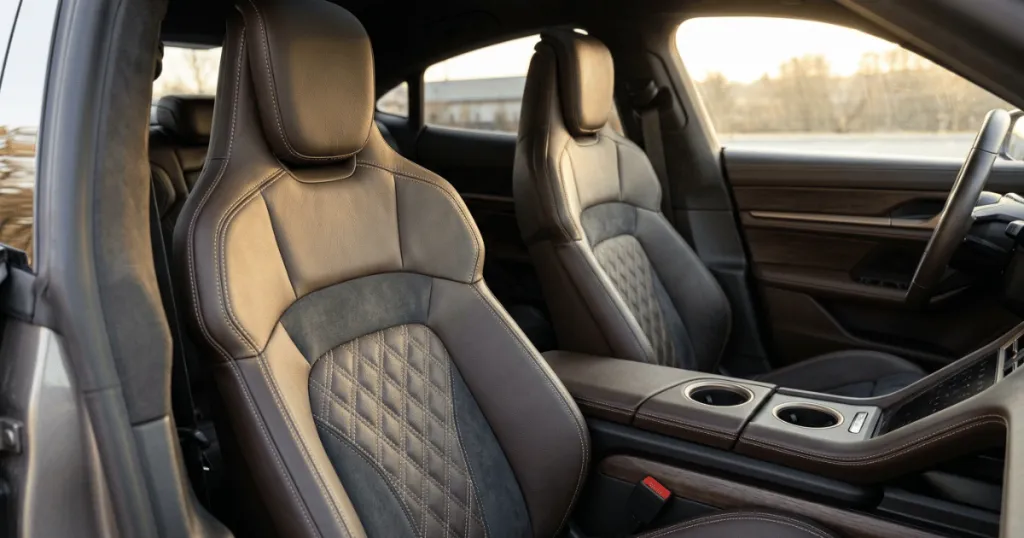
For those using their vehicle for work or as a mobile office, the focus shifts to durability and comfort. A quilted or diamond-stitch pattern can add a layer of padding that improves comfort during long hours of sitting. These designs also provide a more refined look that holds up well under the constant friction of getting in and out of the vehicle throughout the day. When selecting these, ensure the stitching is reinforced to prevent unraveling under high-stress areas like the seat bolsters.
In vehicles used for pets, the priority is scratch resistance and ease of hair removal. A heavy-duty canvas or high-denier polyester cover is usually superior to softer fabrics. These materials are less likely to snag on claws and can be shaken out or wiped down quickly, keeping the interior clean even after a trip to the park or a hike. Regular interior maintenance, such as vacuuming the seat cushion and the floorboards, will complement the protection provided by these covers.
Why Proper Installation Defines Longevity
The longevity of your interior protection depends less on the thickness of the material and more on how securely the cover is anchored. A common mistake is failing to secure the tension straps or anchor discs properly during the initial setup. When a full seat cover is not pulled tight, the excess material creates surface friction points that can eventually rub against the original upholstery, causing the very damage you are trying to prevent.
In practice, this means taking the time to tuck the material deep into the crevices where the backrest meets the cushion. Using the provided clips and hooks to secure the cover underneath the seat is essential. If the cover has elasticized edges, ensure they are fully seated around the perimeter of the cushion. A properly installed cover should feel like a second skin rather than a loose layer draped over the top. Always check the fitment guide provided by the manufacturer to ensure you are using the correct attachment points for your specific seat type, whether it is a bucket seat or a split bench.
Addressing Common Misconceptions About Coverage
Many owners assume that a thicker material automatically provides better protection, but this is not always the case. A very thick, stiff material may be difficult to form to the seat’s shape, leading to gaps where dirt and liquids can reach the original upholstery. A thinner, more flexible material that fits snugly against the seat often provides better overall protection because it prevents debris from migrating underneath the cover. This is a crucial aspect of seat cover fitment that is often overlooked during the selection process.
Another frequent misunderstanding is that a full seat cover is a permanent solution that requires no maintenance. While these covers are designed to be durable, they still accumulate surface dirt and oils from clothing. Regularly cleaning the surface of the cover prevents this grime from working its way through the seams or fabric weave. A simple cleaning routine of vacuuming and wiping down the surface every few months will significantly extend the life of both your seat cover and the original seat underneath.
Finally, some assume that all covers are universal. While many are marketed as such, the reality is that seat dimensions vary significantly between manufacturers and even between trim levels of the same vehicle. Always verify the seat type, such as bucket, bench, or captain’s chair, before selecting a cover. Ensuring the shape of the cover matches your vehicle’s specific seat configuration is the only way to achieve a professional, protective result. By selecting a material that suits your lifestyle and ensuring a precise, secure fit, a full seat cover can effectively preserve your vehicle’s interior for years to come.
FAQ
Can a full seat cover be used on seats with built-in heating?
Yes, but you should choose a thinner, breathable material. Thick or insulating materials can trap heat and reduce the effectiveness of the seat’s heating elements, potentially causing them to overheat or wear out prematurely.
How do I know if a full seat cover will fit my specific vehicle?
Check the seat configuration first. Identify if you have bucket seats, a bench, or captain’s chairs, and note the presence of headrests or armrests. Always review the manufacturer’s fitment guide to ensure the cover is designed for your seat style, as a proper fit is essential for protection.
Does a full seat cover require professional installation?
Most are designed for DIY installation. It typically involves securing straps, hooks, and anchor discs under the seat. The key to a successful install is patience and ensuring the cover is pulled taut to prevent shifting during use.