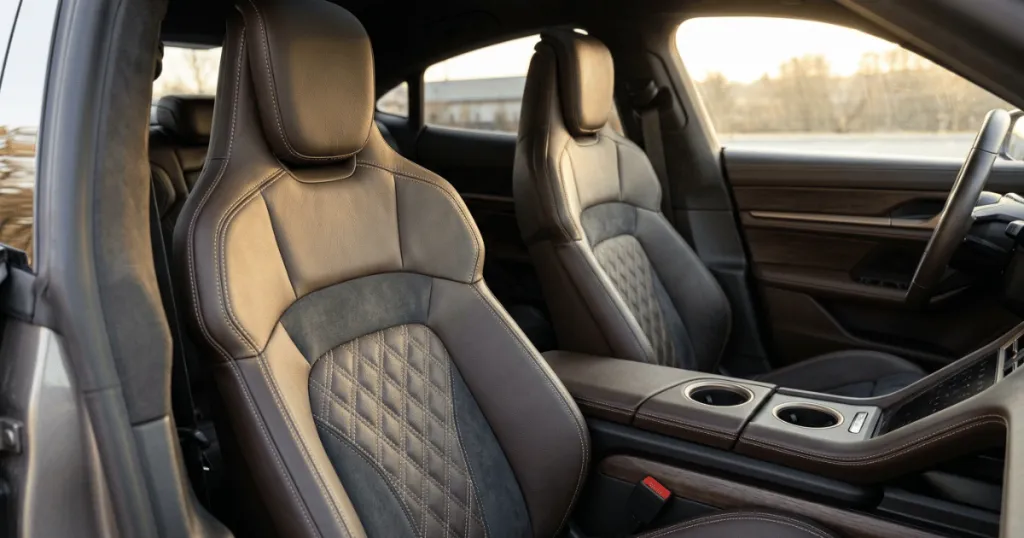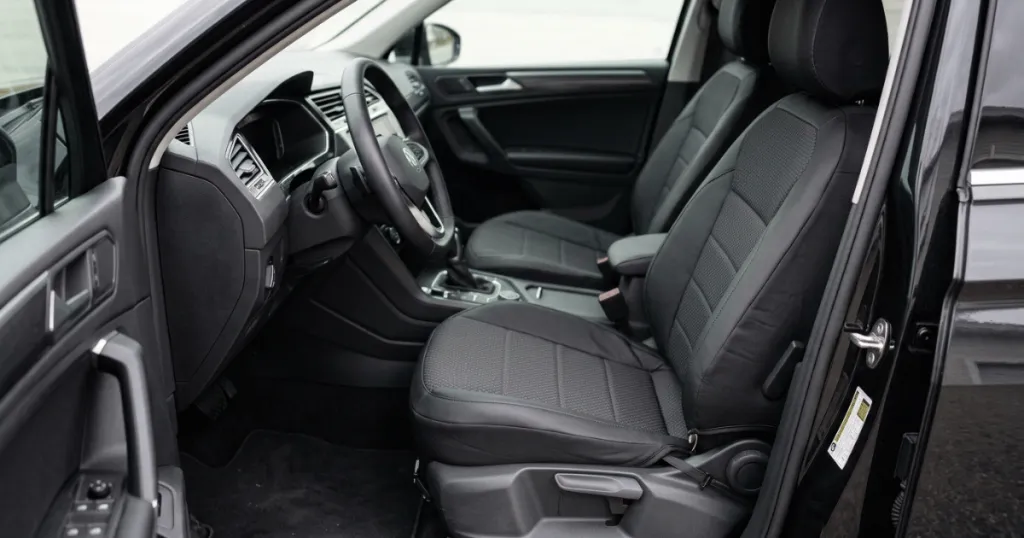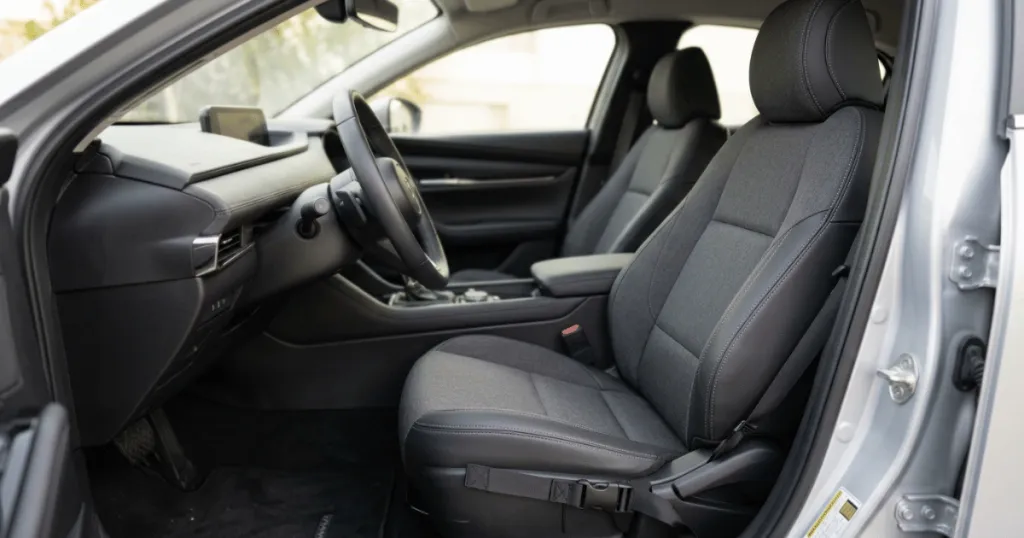
A front seat cover serves as the primary barrier between your vehicle’s original upholstery and the daily wear of entry, exit, and environmental exposure. Unlike rear seating, which may see occasional use, the front seats endure constant friction from the driver and front passenger. Selecting an appropriate cover involves balancing the specific demands of your lifestyle, such as frequent commuting, pet transport, or exposure to extreme temperatures, with the structural design of your existing seats.
When you add a front seat cover, you are essentially creating a protective shield that intercepts spills, UV radiation, and physical abrasion. This process keeps the underlying factory fabric or leather in its original condition, which can be a significant factor in maintaining the long-term aesthetic and functional value of your vehicle interior. Understanding how different materials and designs interact with your specific seat geometry is the most effective way to ensure a stable, comfortable, and long-lasting installation.

Factors Influencing Your Choice of Front Seat Cover
The effectiveness of a front seat cover is dictated primarily by the material composition and how well it aligns with your vehicle’s seating configuration. Choosing the wrong material for your climate or usage pattern often leads to premature degradation or discomfort during long drives.
Neoprene and Synthetic Rubber Options
Neoprene is frequently chosen for its water-resistant properties and its ability to provide a cushioned, soft feel. This material is particularly effective for active lifestyles where moisture or mud might be tracked into the vehicle. Because it is a closed-cell material, it does not absorb liquids, making it a practical choice for those who need a cover that can be wiped down quickly after an outdoor excursion. In the US market, vehicle owners often favor neoprene for its thermal stability, as it does not become excessively hot in direct sunlight compared to darker synthetic fabrics.
Canvas and Heavy-Duty Fabric Choices
Canvas covers offer a high level of durability against physical tearing and sharp objects. These are often preferred by vehicle owners who use their cars for work, construction, or heavy-duty transport, as the fabric is tightly woven and resistant to punctures. While they may feel stiffer than synthetic alternatives, their longevity in high-friction environments is difficult to match with lighter materials. When selecting canvas, consider the weave density; a tighter, heavier-gauge canvas will provide superior protection against grit and debris that can otherwise work its way into the seat foam.
Leatherette and Faux Leather Finishes
Synthetic leather or leatherette covers are selected for their aesthetic appeal and ease of cleaning. These materials mimic the look of premium upholstery while providing a non-porous surface that resists staining. In practice, these covers are best suited for daily commuters who prioritize a sleek, uniform look and want a surface that can be sanitized with a simple damp cloth. Unlike genuine leather, high-quality leatherette is engineered to resist cracking under intense UV exposure, making it a reliable choice for vehicles parked outdoors.
Real-World Usage Scenarios and Fitment Considerations
The physical design of your seat, whether it is a standard bucket seat, a captain’s chair, or a seat with integrated headrests, dictates the type of cover that will provide a secure fit. A common mistake is attempting to use a universal-fit cover on a seat with non-removable headrests or complex side bolsters, which often results in bunching or shifting during use.
Bucket Seat Configurations
Most modern vehicles utilize bucket seats that feature distinct side bolsters to keep the passenger centered. A front seat cover designed for these seats must accommodate the curvature of the bolsters to prevent the material from pulling tight or tearing at the seams. Look for designs that utilize tension straps or hook-and-loop fasteners to ensure the cover stays anchored to the seat frame rather than just resting on the surface. If the cover does not account for the depth of the bolster, the material will likely bridge across the curve, creating a hollow space that is prone to sagging.
High-Back and Low-Back Variations
The distinction between high-back and low-back seats is critical for proper coverage. A high-back seat includes an integrated headrest area, meaning the cover must be a single, continuous piece that stretches over the entire backrest. Low-back seats, which have a visible gap between the seat back and the headrest, require a two-piece cover system. Using the wrong style will prevent the headrest from adjusting properly and will leave exposed areas of the original upholstery vulnerable to wear. Always verify the vertical measurement of your seat back to ensure the cover provides full coverage without bunching at the shoulders.
Armrest and Console Integration
Many front seats feature attached armrests or center console configurations that complicate the installation of a standard cover. If your vehicle has an armrest that folds down from the seat back, you must ensure the cover has a specific opening or a detachable section to allow for this movement. Failing to account for these features will render the armrest unusable and cause the cover to strain whenever the seat is adjusted. In some cases, owners may need to choose a cover that leaves the armrest area exposed to maintain full functionality of the seat’s mechanical components.
Why Proper Installation and Maintenance Matter
The longevity of a front seat cover is rarely determined by the quality of the material alone; it is heavily dependent on how securely the cover is installed and how it is maintained over time. A cover that is allowed to shift or bunch up under the weight of the passenger will experience accelerated friction, leading to holes or thinning in the fabric much faster than a properly tensioned cover.
In practice, this means checking the anchor points and straps every few months. If you notice the cover sliding toward the door or bunching in the seat crease, re-tightening the straps is necessary to restore the fit. Additionally, keeping the surface free of debris, such as sand, crumbs, or small gravel, is vital. These small particles act like sandpaper when trapped between the cover and the seat, eventually wearing through the cover’s backing and potentially damaging the original upholstery underneath. Regular vacuuming of the seat surface before installing the cover is a foundational step in preventing long-term damage.
For those living in high-heat environments, choosing a lighter-colored material or one with breathable inserts can prevent the seat from becoming uncomfortably hot. Conversely, in colder climates, thicker, insulated materials can provide a buffer against the initial chill of the seat. By prioritizing the specific needs of your daily environment, you ensure that your front seat cover remains a functional asset rather than a source of frustration.
Addressing Common Misconceptions About Seat Protection
A frequent error in judgment is the belief that a thicker, heavier cover is always more durable or protective. While heavy materials can resist punctures, they are often less breathable, which can trap moisture against the original seat. If you live in a humid climate, a thick, non-breathable cover can lead to mold or mildew growth on the factory fabric if the vehicle is not ventilated regularly. Always consider the airflow properties of the material in relation to your local climate.
Another misconception is that a waterproof cover is the ideal choice for every situation. While waterproof materials are excellent for spill protection, they lack the comfort of breathable fabrics during long drives. If your primary goal is comfort rather than spill containment, a breathable, moisture-wicking fabric is usually a superior choice. Always weigh the specific risk, spills versus long-term comfort, before selecting the material for your front seat cover. Furthermore, avoid the assumption that a higher price point guarantees a better fit; the quality of the pattern and the inclusion of necessary cutouts for seat controls are far more indicative of a successful installation than the cost of the material alone.
Evaluating Seat Ergonomics and Comfort Features
When selecting a front seat cover, it is essential to consider how the material interacts with the seat’s existing ergonomics. Some covers add a layer of foam padding, which can change the seating position slightly. For drivers who are sensitive to seat height or lumbar support alignment, a thinner, form-fitting cover is often preferable to a bulky, padded option. The goal is to enhance the existing seat’s comfort without compromising the support structure designed by the manufacturer.
Additionally, consider the texture of the cover material. A surface that is too slick may cause the driver to slide during cornering, while a surface that is too abrasive can cause discomfort during extended periods of sitting. Look for materials that offer a balance of grip and smoothness, ensuring that you can enter and exit the vehicle easily while remaining stable during operation. If you frequently drive long distances, prioritize materials that offer moisture-wicking capabilities to keep the seating surface dry and comfortable throughout the journey.
FAQ
Can I use a universal front seat cover on any vehicle?
Universal covers are designed to fit a wide range of seat shapes, but they rarely offer a perfect fit. They are best suited for basic bucket seats without complex integrated features like side-mounted armrests or non-removable headrests. For seats with unique contours, a universal front seat cover may require frequent adjustments to stay in place.
How do I know if a cover will fit my specific seat type?
Check your seat for features like integrated headrests, side-mounted armrests, and seat-back pockets. If your seat has a gap between the headrest and the backrest, you need a low-back cover. If the headrest is built into the seat, you need a high-back model. Always verify the seat configuration against the product specifications to ensure the cover accommodates your vehicle’s specific design.
Does a front seat cover require special cleaning?
Maintenance depends on the material. Synthetic leather can usually be wiped clean with a damp cloth, while canvas or neoprene may require spot cleaning with a mild soap solution. Always avoid harsh chemicals or bleach, which can degrade the material and compromise the integrity of the cover over time.