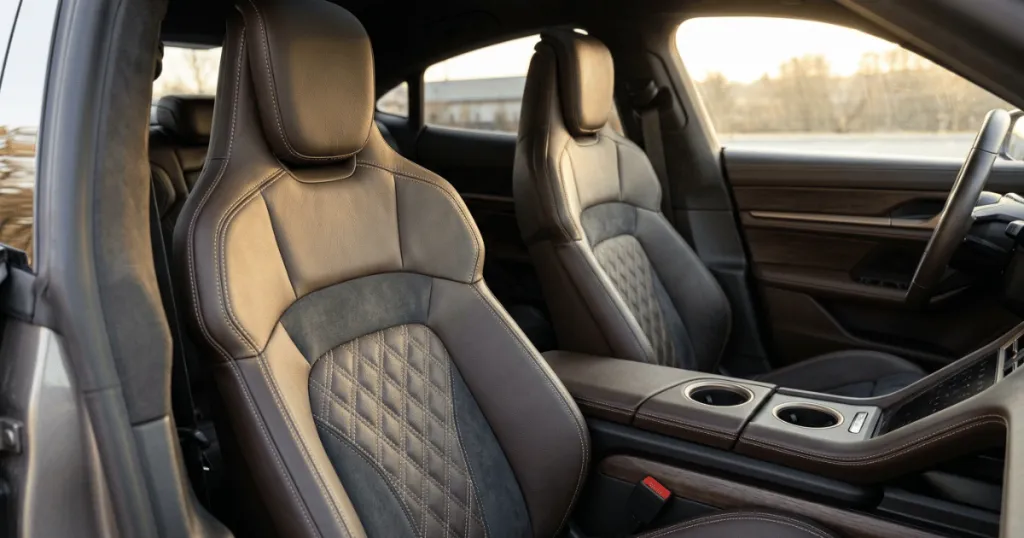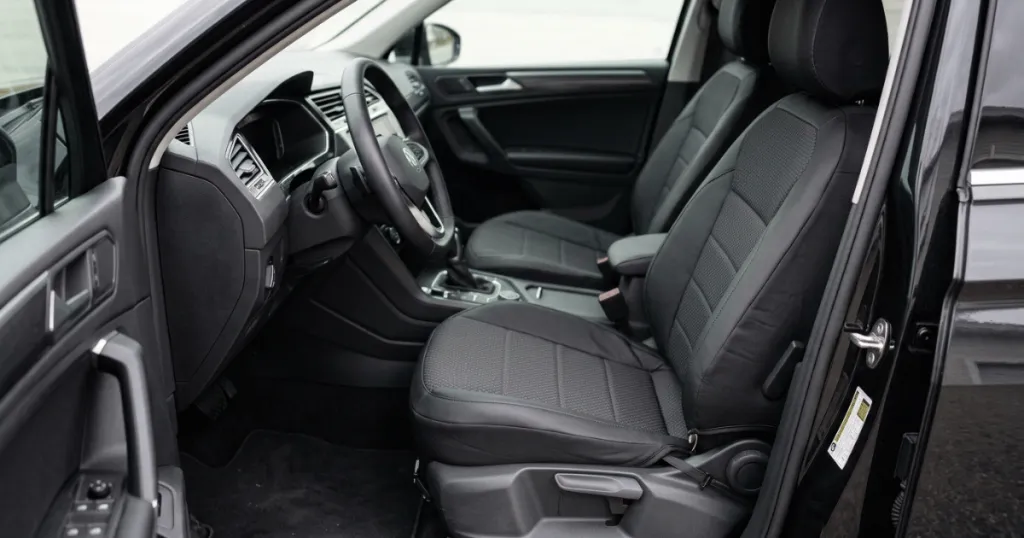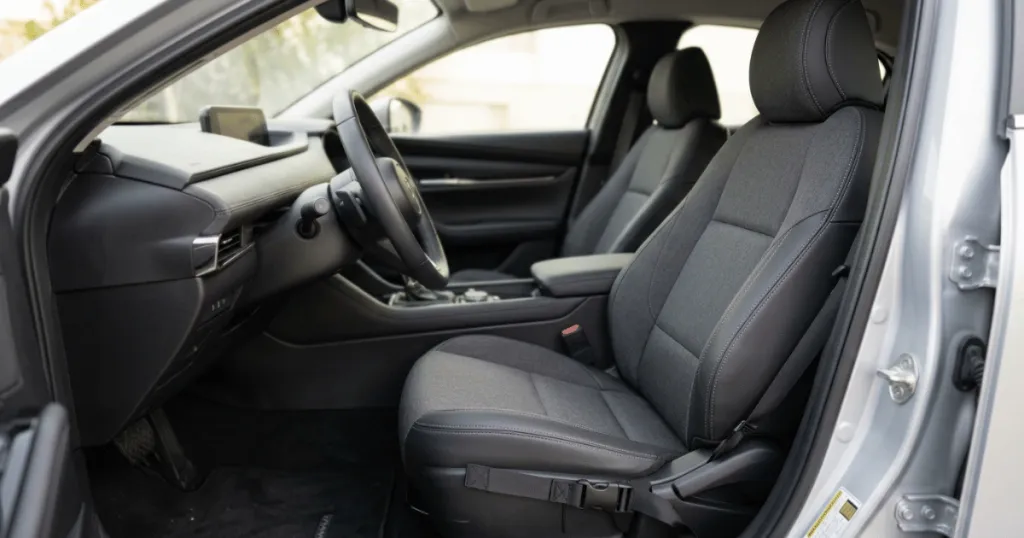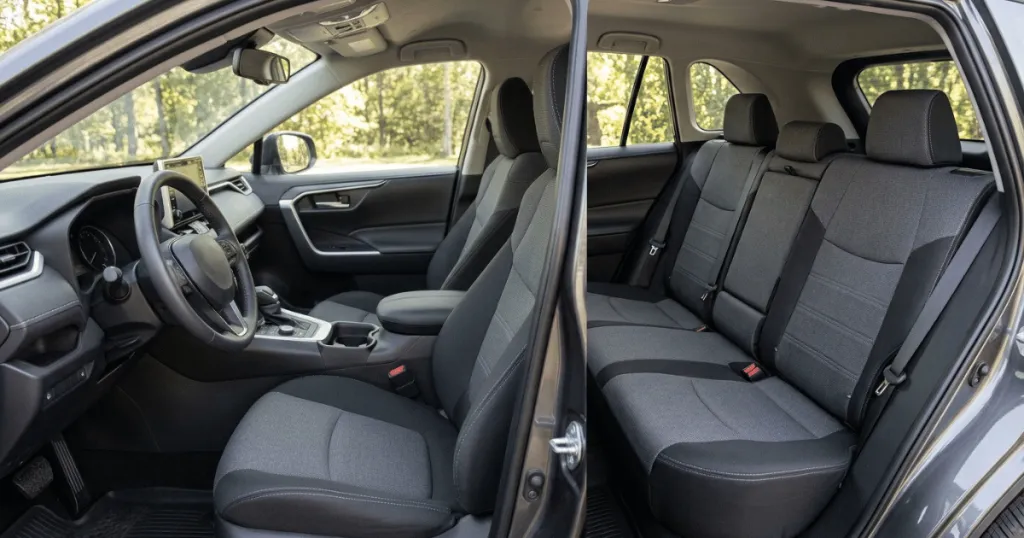
Protecting the upholstery in the back of your vehicle requires a different approach than protecting the front bucket seats. A rear seat cover must accommodate unique structural features like seatbelt buckles, folding mechanisms, and varying bench shapes that are rarely found in the front row. Whether you are managing daily wear from passengers, protecting against pet damage, or simply looking to refresh an aging interior, the right choice depends on how your specific vehicle’s rear seating is configured and how you intend to use the space.
Many owners overlook the importance of seat configuration when selecting a rear seat cover. Because rear rows often feature split-folding capabilities or integrated armrests, choosing a one-size-fits-all solution can often result in a poor fit that interferes with basic vehicle functionality. By focusing on the specific layout of your rear bench or captain’s chairs, you can ensure that your chosen protection remains functional and secure over the long term.
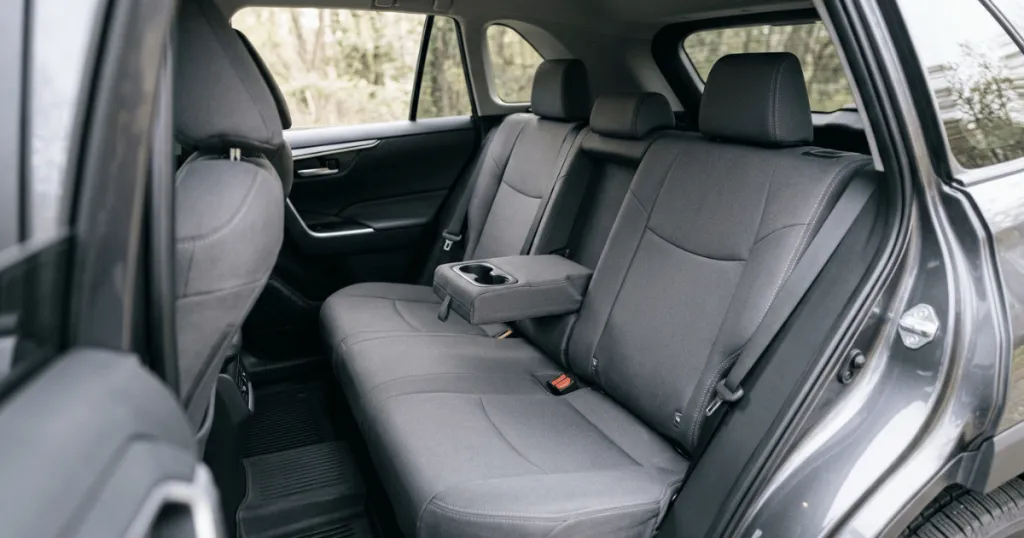
Factors Influencing Your Choice of Rear Seat Cover
The effectiveness of any interior protection depends on matching the material and design to your specific environment. A rear seat cover is not a static accessory; it must move and flex with the seat while resisting the specific types of debris or friction common in your vehicle. When evaluating options, consider the interplay between the material’s weight and the seat’s mechanical requirements.
Bench Seat Configurations and Mechanical Flexibility
Most vehicles utilize a standard bench seat in the rear, but these are rarely uniform. Some benches are solid, while others feature a 60/40 or 50/50 split. If you use a solid cover on a split bench, you effectively lose the ability to fold down one side of the seat for extra cargo space. Look for covers that provide independent access to these split sections, often achieved through zippered panels or hook-and-loop fasteners that allow the seat to move without removing the entire cover. This mechanical flexibility is crucial for maintaining the utility of your vehicle cabin, especially in SUVs and hatchbacks where the rear row is frequently manipulated for cargo.
Material Durability and Texture
The material you choose dictates how the rear seat cover handles daily abuse. For heavy-duty use, such as transporting pets or construction gear, heavy-gauge canvas or ballistic-grade nylon offers superior resistance to punctures and tears. If your primary goal is comfort for passengers, synthetic leather or quilted fabric provides a softer touch and is generally easier to wipe down. Avoid thin, unlined fabrics, as they tend to bunch up and slide against the original upholstery, which can lead to premature wear on the seat fabric underneath. Evaluating the textile density and the composition of the underside lining is essential for preserving the factory upholstery over time.
Attachment and Tension Systems
A rear seat cover that shifts or bunches is more than a nuisance; it often fails to provide the intended protection. High-quality covers utilize a combination of headrest straps, anchor discs that tuck between the seat cushions, and elasticized edges to maintain tension. In vehicles with deep-set rear benches, ensure the cover has enough material depth to tuck securely into the crevice between the backrest and the bottom cushion. This cushion tension is what keeps the cover from sliding forward when passengers enter or exit the vehicle, keeping the protective barrier firmly anchored to the seat frame. Real-World Scenarios for Rear
Real-World Scenarios for Rear Seat Protection
Different vehicle types present unique challenges for seat protection. Assessing your specific driving habits and passenger needs will help you prioritize which features are non-negotiable.
Family and Passenger Transport
When the back seat is primarily used for children or carpooling, liquid resistance becomes a priority. Spills and crumbs are inevitable, so choosing a material with a non-porous backing or a tightly woven surface makes cleanup significantly faster. A rear seat cover designed for this environment should be easy to remove for occasional laundering, as high-traffic areas tend to accumulate dust and debris in the seams of the seat. Regular seat maintenance in these vehicles often involves vacuuming the crevices before reinstalling the cover to ensure no grit is trapped against the original fabric.
Pet-Focused Usage
If you frequently travel with pets, a standard cover might not be enough. Many owners opt for a hammock-style rear seat cover that attaches to both the front and rear headrests. This design prevents pets from falling into the footwell and keeps hair and dirt contained to the cover itself. When selecting this type, ensure the material is claw-resistant and that the surface is smooth enough to allow for easy vacuuming or brushing. The hammock design also serves as a barrier against mud and moisture that pets might track into the vehicle interior.
Commercial and Utility Use
For those using their vehicle for work or off-road excursions, the rear seat often acts as a secondary cargo area. In these cases, a rugged, waterproof rear seat cover is essential to protect against mud, grease, and heavy equipment. Look for options that cover the entire seat base and backrest, including the side bolsters, to prevent damage during the loading and unloading of heavy items. In these scenarios, the cover acts as a heavy-duty shield, preventing the seat backrest from being gouged by sharp tools or equipment edges.
Optimizing Fitment for Long-Term Interior Preservation
The primary reason to invest in a well-fitted rear seat cover is to preserve the underlying upholstery from friction-based damage. Over time, the constant movement of passengers creates micro-abrasions on the seat fabric or leather. A cover acts as a sacrificial layer that absorbs this friction. However, if the cover itself is loose or poorly secured, the movement of the cover against the seat can actually accelerate wear on the original material, defeating the purpose of the installation. Proper fitment ensures that the cover moves with the seat, not against it.
Another factor is the long-term impact of UV exposure. In many vehicles, the rear window allows significant sunlight to hit the back seats, which can cause fading or cracking of leather and vinyl surfaces. A high-quality rear seat cover acts as a barrier against these harmful rays, keeping the original seat material in factory condition for years longer than it would remain unprotected. This is particularly important for vehicles with light-colored interiors that show staining and sun damage more readily than darker surfaces. By blocking UV rays, the cover preserves the structural integrity and color of the original seat material.
Addressing Common Misconceptions
A frequent error is the belief that a thicker material always provides better protection. While heavy materials are excellent for puncture resistance, they are often less breathable. In hot climates, a thick, non-breathable rear seat cover can trap heat, making the seating surface uncomfortable for passengers. A balanced approach involves selecting a textile that offers a robust defense against wear while still allowing for adequate airflow. Consider the climate of your region when selecting the material weight.
Another common mistake is assuming that all waterproof materials are equally easy to maintain. Some waterproof coatings can become brittle over time, especially when exposed to extreme temperature fluctuations in a parked car. When researching options, prioritize materials that are rated for automotive interior use, as these are specifically tested to withstand the heat cycles of a vehicle cabin without cracking or peeling, ensuring your rear seat cover remains effective throughout the seasons. Always check the manufacturer’s care instructions to ensure the material can withstand the cleaning agents you intend to use.
Strategic Considerations for Long-Term Use
Beyond the initial installation, the long-term success of your rear seat cover depends on how you manage the interface between the cover and the seat. Many users neglect the importance of the seatbelt access points. Ensure that the cover you choose allows for clean, unobstructed access to the seatbelt buckles. If the cover forces the buckles to be buried or difficult to reach, it creates a scenario where users may pull on the cover, causing it to shift or tear over time. A well-designed cover will have reinforced openings that keep the buckles accessible without compromising the coverage of the seat surface.
Furthermore, consider the aesthetic integration. While protection is the primary goal, a cover that fits poorly can make the entire vehicle interior look unkempt. Look for designs that follow the contour of the rear bench, including the headrests and armrests. If your vehicle has a center console or fold-down armrest, ensure the cover is compatible with these features. Some covers include a separate zip-out section for the armrest, which is a significant advantage for maintaining both comfort and protection. By selecting a cover that respects the original design language of your vehicle, you achieve a balance between utility and visual appeal.
Ultimately, the best rear seat cover is one that integrates seamlessly with your vehicle’s specific layout. By carefully assessing your passenger habits, the configuration of your rear bench, and the environmental conditions your vehicle faces, you can select a product that provides genuine protection rather than just a temporary aesthetic fix. Taking the time to secure the cover properly and choosing a material suited to your lifestyle will ensure that your vehicle’s interior remains in excellent condition for the long haul.
FAQ
Can I use a standard bench cover on a split-folding rear seat?
While you can technically place a solid cover over a split bench, it will prevent you from folding individual sections of the seat. For a split-folding rear seat, look for a cover specifically designed with independent panels or zippers to maintain full vehicle functionality.
How often should I remove my rear seat cover for cleaning?
The frequency depends on your usage. For high-traffic areas or pet transport, a monthly cleaning is recommended to prevent dirt and debris from working through the fabric and onto the original upholstery. If the seat is rarely used, a seasonal cleaning is usually sufficient.
Does a rear seat cover protect against UV damage?
Yes, a high-quality rear seat cover acts as a physical barrier against direct sunlight, which helps prevent the fading, drying, and cracking of leather or vinyl upholstery caused by prolonged UV exposure.