Many vehicle owners assume that a bench seat cover is merely a universal, one-size-fits-all solution for protecting rear upholstery. In reality, the diversity of interior layouts means that selecting the right cover requires a closer look at your specific seating configuration. Whether you are driving a compact sedan, a spacious SUV, or a work truck, the way your bench seat is designed, and how you actually use that space, dictates the level of protection and comfort you should expect.
A well-fitted bench seat cover does more than hide wear; it acts as a barrier against the daily friction of passengers, pets, and cargo. By focusing on the specific geometry of your seat, you can achieve a result that stays in place, looks intentional, and preserves the underlying upholstery for years to come. This approach moves beyond simple aesthetics to address the functional needs of your vehicle’s interior.
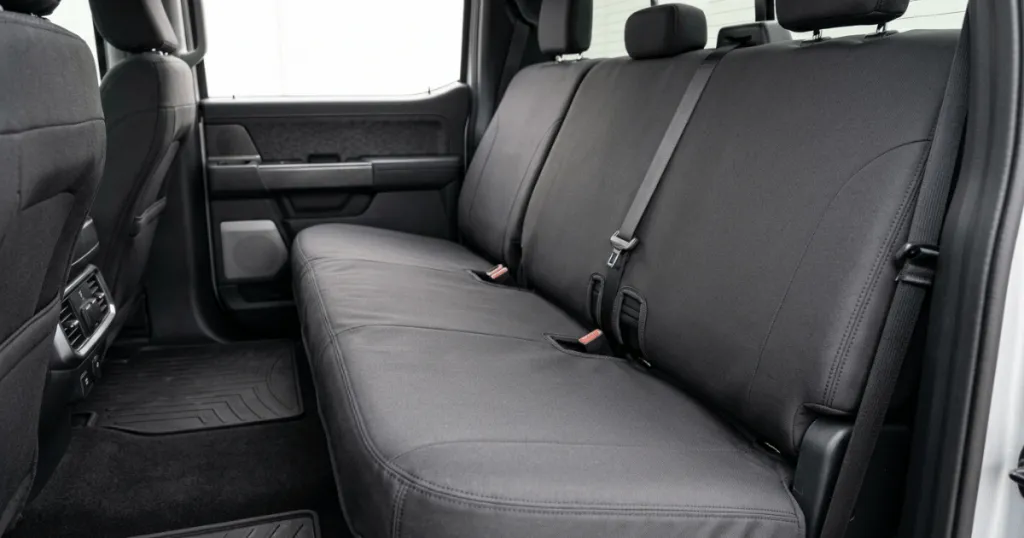
Factors Influencing Your Selection Of Bench Seat Cover
Evaluating Your Seating Configuration
The first step in selecting a bench seat cover involves identifying the specific layout of your rear or front bench. A solid, non-folding bench is the most straightforward to cover, as it does not require openings for seatback movement. However, many modern vehicles feature split-bench designs, where sections of the seat fold independently to accommodate cargo.
If your vehicle has a 60/40 or 50/50 split, you must choose a cover that accounts for these divisions. Using a single, solid-piece cover on a split bench will render your folding functionality useless. Look for designs that include zippered or hook-and-loop openings along the split lines, allowing you to maintain full access to your vehicle’s utility features without removing the entire cover. Understanding the distinction between a flat bench and one with integrated headrests or contoured bolsters is equally important, as these features dictate the required shape of the cover’s top edge.
Material Durability and Daily Use
The material you choose for your bench seat cover should align with how the vehicle is used. For high-traffic areas, such as a family vehicle or a work truck, heavy-duty materials like canvas or ballistic nylon are often the most practical choice. These fabrics are engineered to resist tears, punctures, and heavy friction, making them ideal for hauling gear or accommodating active passengers.
If your priority is comfort or a more refined interior aesthetic, synthetic leather or neoprene might be a better fit. Synthetic leather provides a smooth, easy-to-clean surface that mimics the look of premium upholstery, while neoprene offers a soft, cushioned feel with inherent water-resistant properties. Consider the local climate as well; breathable fabrics are generally more comfortable in hot, humid environments, whereas thicker, non-porous materials may hold heat during the summer months. Always evaluate the backing material as well; a high-quality cover will feature a non-slip backing to ensure the material remains static against the factory seat fabric.
Real-World Context and Practical Application
Managing Pet and Cargo Wear
For owners who frequently transport pets, a bench seat cover serves as a primary defense against claws, fur, and moisture. In these scenarios, prioritize materials that are easy to wipe down or machine wash. A cover with a non-slip backing is particularly useful here, as it prevents the material from shifting when a pet moves across the bench, keeping the underlying upholstery protected. For heavy-duty cargo, look for reinforced seams that can withstand the weight of sliding boxes or equipment.
When using the bench for cargo, consider the weight and texture of the items you carry. Rough-bottomed gear or heavy equipment can quickly abrade standard fabric covers. If you regularly haul tools or outdoor equipment, a heavy-gauge canvas or a specialized utility-grade cover will provide the structural integrity needed to prevent damage to the seat foam and fabric beneath. This preventative maintenance approach is far more cost-effective than attempting to repair torn factory upholstery later.
The Importance of Proper Anchoring
A common mistake is failing to secure the bench seat cover firmly to the seat frame. Even the most durable material will wear out prematurely if it is allowed to slide around during use. Most quality covers include a combination of elastic straps, buckles, and anchors that tuck into the crevice between the seat back and the bottom cushion. These anchors, often shaped like discs or bars, are critical for maintaining tension.
Take the time to properly tension these straps during installation. If the cover feels loose or bunches up when you sit down, it is likely that the anchors are not seated deeply enough or the straps need further tightening. A secure fit ensures that the cover moves with the seat, reducing unnecessary friction on the original upholstery and providing a more stable surface for passengers. Check the straps periodically, as they can loosen over time due to temperature fluctuations and seat usage.
Maintaining Interior Integrity Over Time
The long-term performance of your bench seat cover depends on consistent care. Dirt, sand, and debris act like sandpaper when trapped between the cover and the seat, slowly grinding down the original fabric or leather. Periodically removing the cover to vacuum the seat underneath is a simple but vital step in preventing this hidden damage. This process also allows you to inspect the cover for any signs of wear that might compromise its protective barrier.
When it comes to cleaning the cover itself, follow the manufacturer’s guidance regarding water temperature and detergents. Many synthetic covers can be spot-cleaned with a mild solution, while others may be machine-washable. Avoid using harsh chemicals or abrasive brushes, as these can degrade the protective coatings or stitching. If you notice a tear or a failing seam, address it promptly to prevent the damage from spreading, which could compromise the cover’s ability to protect the seat. Proper cleaning not only extends the life of the cover but also maintains the overall cleanliness of the vehicle cabin.
Evaluating Common Assumptions About Seat Protection
One prevalent myth is that a thicker, heavier bench seat cover always provides better protection. While thickness can be an indicator of durability, it does not guarantee a better fit or superior performance. A very thick, stiff cover that does not conform to the contours of your bench may actually be more prone to shifting and bunching, which creates uncomfortable pressure points and leaves gaps where debris can fall through. Focus on the weave density and material quality rather than just bulk.
Another misunderstanding involves the assumption that a waterproof cover is always the best choice. While water resistance is beneficial for spills or wet clothing, fully waterproof materials are often less breathable. If you live in a hot climate, a non-breathable cover can trap moisture and heat against your body, leading to discomfort during long drives. Evaluate whether you truly need a waterproof barrier or if a water-resistant, breathable fabric would better balance protection and comfort for your specific usage. Always consider the trade-off between total liquid protection and the comfort of the passengers using the seat.
Strategic Considerations for Different Vehicle Types
The application of a bench seat cover varies significantly depending on the vehicle type. In a sedan, the rear bench is often fixed, allowing for a more tailored, fitted cover that mimics the original seat shape. In contrast, an SUV or van often features a folding bench that requires specific cutouts for seatbelt buckles and latch points. Failing to account for these specific vehicle features during the selection process will result in a cover that is either impossible to install correctly or one that interferes with the basic functionality of the vehicle.
For owners of older vehicles, a bench seat cover can be a transformative upgrade, masking years of sun-faded fabric or cracked vinyl. In these cases, look for covers that offer extra padding or quilted designs to improve the comfort level of aging seat foam. Conversely, for newer vehicles, the focus should remain on preservation. Using a high-quality cover from the start ensures that the factory upholstery remains in pristine condition, which is a key factor in maintaining the vehicle’s long-term interior value.
Addressing Edge Cases and Installation Challenges
Installation challenges often arise when dealing with non-standard bench configurations, such as those with integrated headrests or non-removable seat cushions. If your vehicle has fixed headrests, you must select a cover designed to slip over them or one that features a split-top design. Attempting to force a standard cover over fixed headrests will result in a poor fit and potential tearing of the cover material.
Another edge case involves the presence of center console armrests. If your bench seat includes a fold-down armrest, ensure the cover you select has a dedicated flap or zippered section for this feature. Without this, you will be forced to choose between using the armrest and having the seat covered. By carefully reviewing the installation instructions and the specific design features of your bench, you can avoid these common pitfalls and ensure a professional-looking result that enhances both the utility and appearance of your vehicle’s interior.
FAQ
Can I use a bench seat cover on a seat with a built-in center armrest?
Yes, many bench seat covers are designed with zippered or removable sections that allow you to lower the center armrest without removing the entire cover. Always verify that the specific cover model includes this feature for your vehicle’s bench seat cover configuration.
How do I know if a cover will fit my split-bench seat?
Check the product specifications for ‘split-bench compatibility.’ Look for covers that feature multiple zippers or hook-and-loop fasteners along the seat back and bottom, which allow the sections to fold independently while the bench seat cover remains securely in place.
Is it necessary to remove the bench seat to install the cover?
In most cases, you do not need to remove the seat. Most bench seat cover designs use straps and anchors that are designed to be fed through the gap between the seat back and the bottom cushion, allowing for installation while the seat remains in the vehicle.