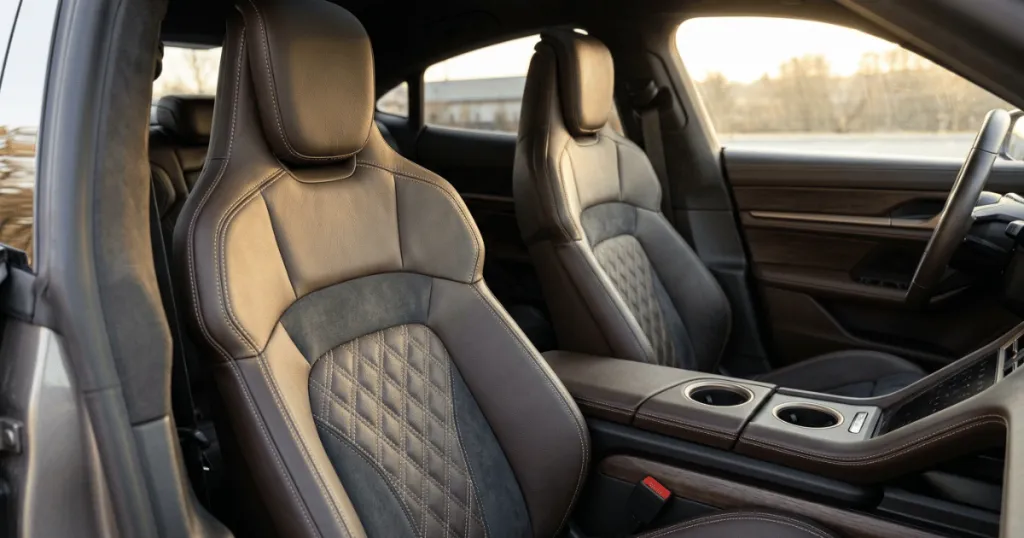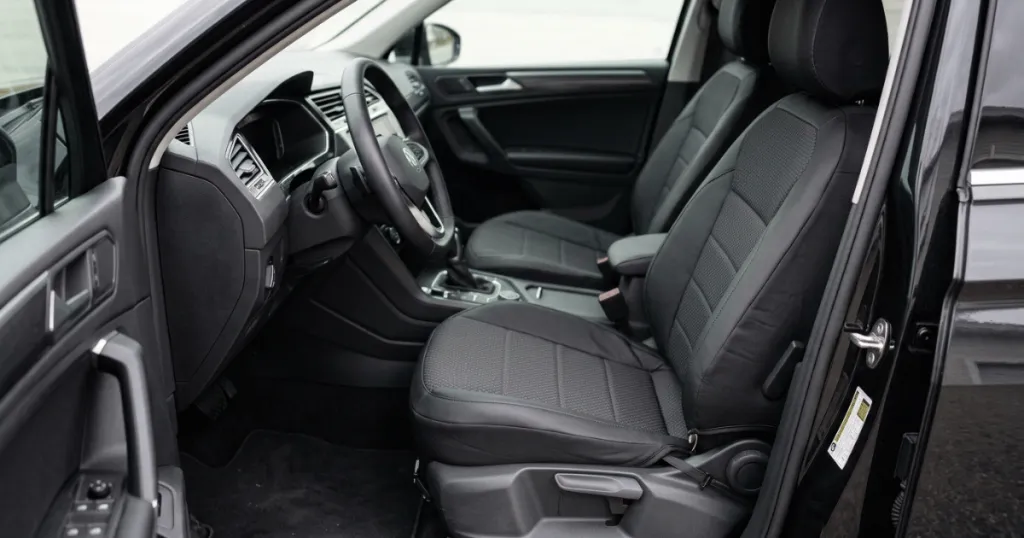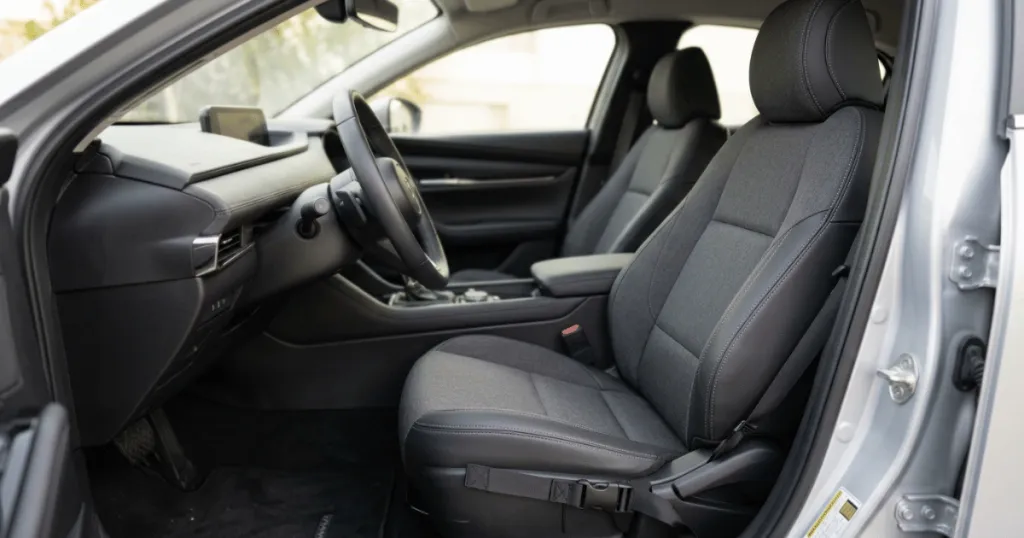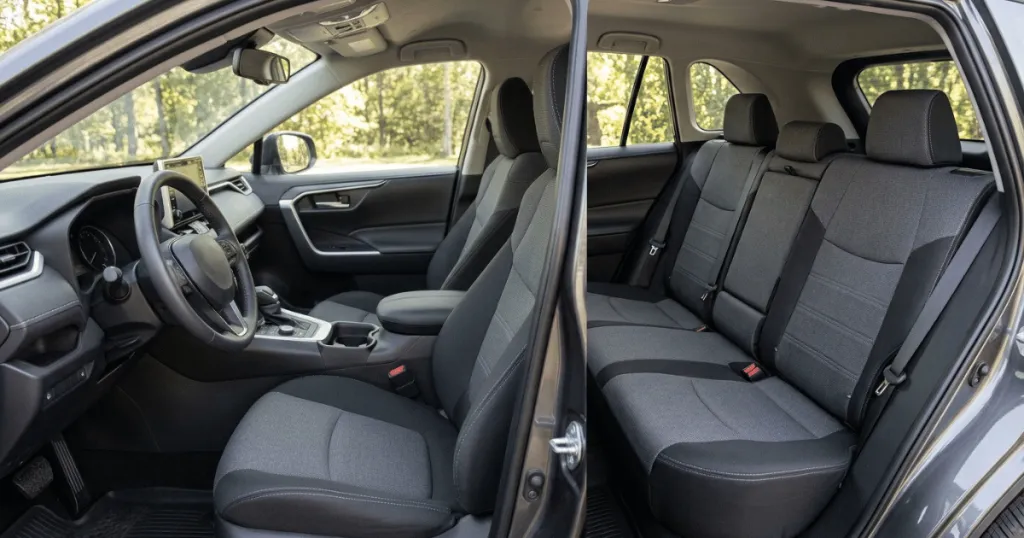
A bucket seat cover is specifically engineered to contour to the unique, rounded shape of individual front seats. Unlike bench seat covers that span the entire width of a row, these covers are designed to wrap around the backrest and seat base of a single passenger or driver seat. Because bucket seats often feature side bolsters and integrated headrests, the cover must accommodate these structural curves to provide a snug, non-shifting fit.
The primary distinction between a universal-fit cover and a custom-molded version lies in how the material handles these curves. A well-fitted bucket seat cover maintains the intended ergonomics of the original seat while providing a protective barrier against daily wear. Identifying your specific seat configuration, whether it features a separate headrest, a high-back integrated design, or specific armrest cutouts, is the first step in ensuring the cover functions as intended.
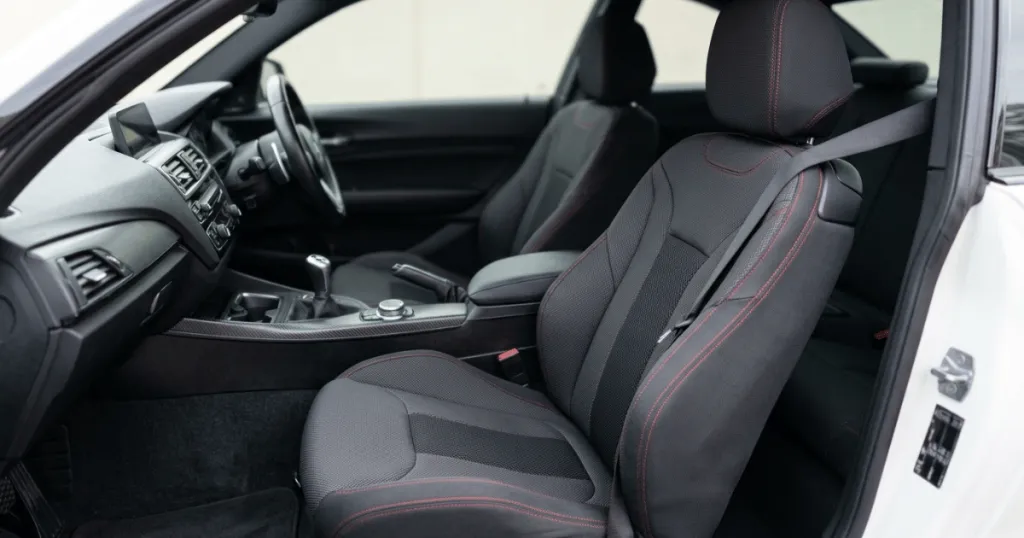
Factors Influencing Your Choice For Bucket Seat Cover
Material Durability and Texture
Selecting the right material for your bucket seat cover depends heavily on how you use your vehicle. Neoprene seat covers are a popular choice for those who prioritize water resistance and a cushioned feel, as it mimics the properties of wetsuit material. It holds up well against moisture and spills, making it a practical option for outdoor enthusiasts or those living in humid climates.
Faux leather seat covers offer a more refined, professional aesthetic that is easier to wipe clean than porous fabrics. While it provides a sleek look, it can become hot in direct sunlight, which is a consideration for drivers in warmer regions. Canvas or heavy-duty synthetic fabrics are often favored for durability, particularly in work trucks where the material needs to withstand friction from tools or heavy clothing. When evaluating materials, consider the breathability of the fabric, as non-porous surfaces may lead to heat buildup during extended periods of sitting.
The Role of Fitment and Tension
A bucket seat cover only performs well if it remains stationary during use. Proper seat tensioning, often achieved through straps, hooks, or elasticized edges, prevents the cover from sliding or bunching when you exit the vehicle. If the cover is too loose, it creates friction against the original upholstery, which can lead to premature wear of the factory fabric or leather underneath.
Custom seat covers are designed to follow the precise dimensions of a specific seat frame, including the depth of the bolsters. Universal seat covers, by contrast, rely on adjustable straps to force a fit. While universal options are more accessible, they often require more frequent adjustments to keep the material taut and aligned with the seat’s natural contours. Always prioritize securing the base and backrest independently to ensure the cover does not migrate during cornering or sudden stops.
Real-World Usage Scenarios
Daily Commuting and Rideshare
For individuals spending significant time in their vehicle, comfort and ease of maintenance are the top priorities. A breathable fabric or a high-quality faux leather cover can help maintain a comfortable temperature during long drives. In a rideshare context, the ability to quickly wipe down the surface between passengers is a significant advantage, making non-porous materials a frequent choice for professional drivers. These covers serve as a reliable shield against spills and tracked-in dirt, keeping the original upholstery looking fresh despite constant passenger movement.
Off-Road and Heavy-Duty Environments
When the vehicle is used for off-road excursions or heavy labor, the focus shifts to abrasion resistance. A bucket seat cover made from ballistic nylon or heavy-duty canvas provides a shield against mud, debris, and sharp objects. These materials are built to handle high-impact use and can usually be removed for deep cleaning after a particularly messy trip. In these scenarios, the seat bolster protection is critical, as the bolsters are the first point of contact when entering or exiting a vehicle with high ride height.
Protecting Your Vehicle Interior Investment
Installing a bucket seat cover is one of the most effective ways to preserve the condition of your vehicle’s original upholstery. Over time, constant entry and exit cause the fabric or leather on the outer bolster to fray or crack. By installing this protective layer, you ensure the cover absorbs the impact of daily use, keeping the factory seat in pristine condition for the long term. This process of upholstery preservation is essential for maintaining the vehicle’s resale value, as the interior cabin aesthetic is often the first thing a future buyer evaluates.
Beyond physical protection, these covers allow for a degree of personalization. If your interior feels dated or if the original color scheme doesn’t match your preference, a new set of covers can completely change the cabin’s aesthetic. This is a reversible modification, meaning you can return the interior to its original state whenever necessary, which helps maintain the vehicle’s long-term value.
Performance Expectations and Reality
Thicker Material Does Not Always Mean Better Protection
Many owners assume that the thickest, heaviest material provides the best protection. In reality, an overly thick or rigid material may prevent the cover from conforming to the seat’s bolsters, leading to gaps where dirt and dust can settle. A properly tensioned, medium-weight material that hugs the seat contours often provides better protection than a heavy, loose-fitting cover. Always prioritize the quality of the fit over the raw thickness of the fabric.
Waterproof Materials Require Less Maintenance
While a waterproof bucket seat cover is excellent at repelling liquids, it does not mean the cover is maintenance-free. Moisture resistance is a feature, but it can also trap humidity. Moisture trapped between the cover and the seat can lead to mildew if not allowed to dry properly. It is important to occasionally remove the covers to inspect the underlying seat and ensure that no trapped dust or moisture is affecting the factory upholstery.
When you choose to install a bucket seat cover, you are essentially creating a new contact point for your body. If the material is not breathable, you may find that it traps heat, particularly during summer months. Selecting a material that balances your need for protection with your need for comfort is the key to a satisfying long-term experience.
Technical Considerations for Seat Configurations
Reviewing your seat’s specific layout is a necessary step before choosing a cover. Bucket seats are defined by their distinct backrest and seat cushion, but they vary significantly in their structural features. Some seats have integrated headrests, while others have adjustable ones. A cover designed for an adjustable headrest will have a specific opening or a separate piece for the headrest itself. If you attempt to use a cover designed for an integrated headrest on a seat with an adjustable one, you will likely encounter significant fitment issues, as the tensioning points will not align.
Furthermore, consider the presence of armrests. If your bucket seat includes a fold-down armrest, you must ensure the cover accommodates this. Some covers feature a zippered opening that allows the armrest to function, while others may require you to leave the armrest in the upright position permanently. Always check your seat’s specific features, such as lumbar adjustment knobs or seat-recline levers, to ensure the cover does not obstruct these controls. A well-designed cover will have cutouts or flexible panels that allow for full range of motion of all seat adjustments.
Maintenance and Longevity Tips
To maximize the lifespan of your bucket seat cover, establish a routine cleaning schedule. Vacuuming the surface of the cover regularly prevents dirt and grit from working their way into the fibers, which can act like sandpaper over time. For fabric covers, spot cleaning with a mild detergent is usually sufficient. For faux leather or vinyl, a damp cloth is typically all that is needed to remove surface grime. Avoid using harsh chemical cleaners that can degrade the material or cause the color to fade prematurely.
If you notice the cover beginning to shift, re-tighten the straps or hooks immediately. Allowing a cover to remain loose for an extended period increases the risk of it bunching, which can cause discomfort and uneven wear on the cover itself. By treating the seat cover as a component of your vehicle’s maintenance rather than a permanent fixture, you ensure that both the cover and the underlying factory seat remain in excellent condition for years to come.
FAQ
Can I use a bucket seat cover on a seat with integrated armrests?
Yes, but you must select a cover specifically designed for that seat configuration. Some bucket seat covers feature dedicated openings or panels for armrests, while others may require you to tuck the material around the armrest base, which can affect the fit.
How often should I remove my bucket seat cover for cleaning?
It is a good practice to remove and inspect your covers every few months, or sooner if you notice significant dust accumulation or if a spill has occurred. This allows you to clean the cover thoroughly and check the condition of the original seat underneath.
Does a universal bucket seat cover provide the same protection as a custom-fit one?
A custom-fit bucket seat cover generally provides superior protection because it is tailored to the exact dimensions of your seat, minimizing movement and gaps. While universal covers offer protection, they are more likely to shift and may leave parts of the seat exposed.